

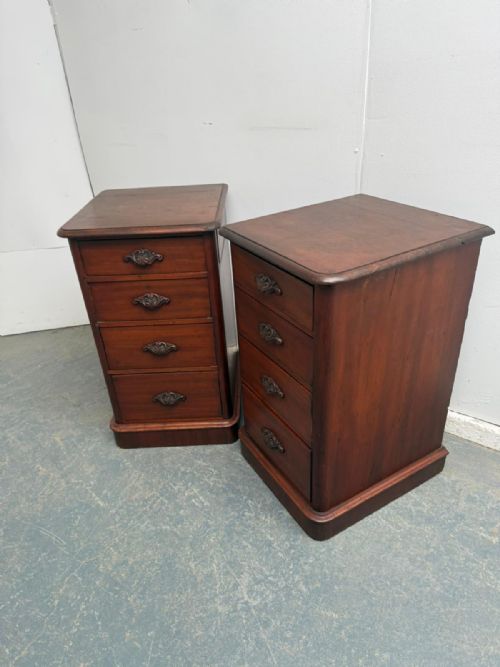
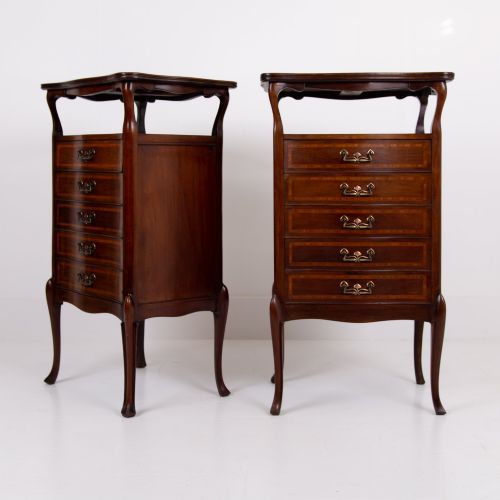
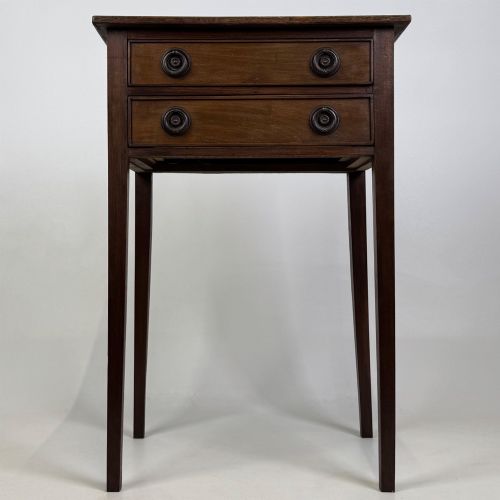
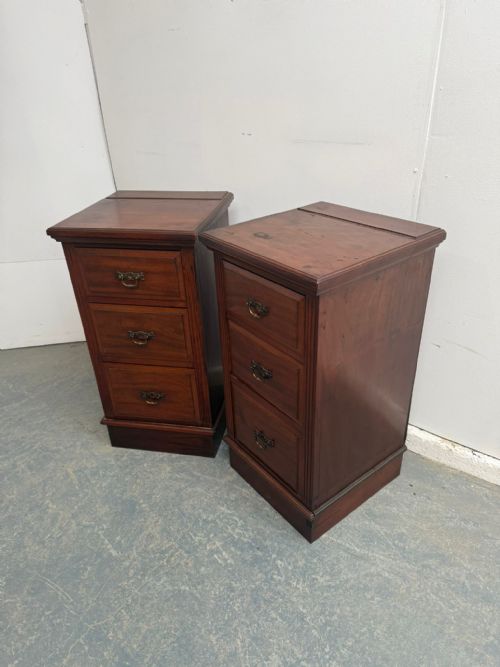
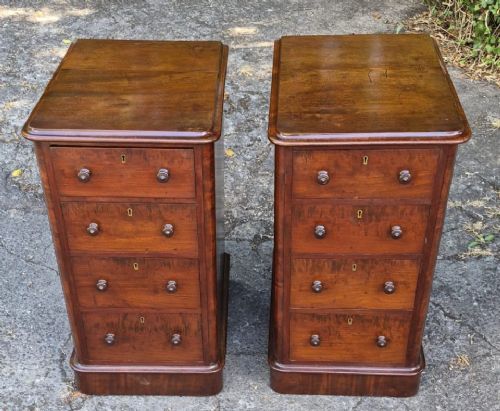
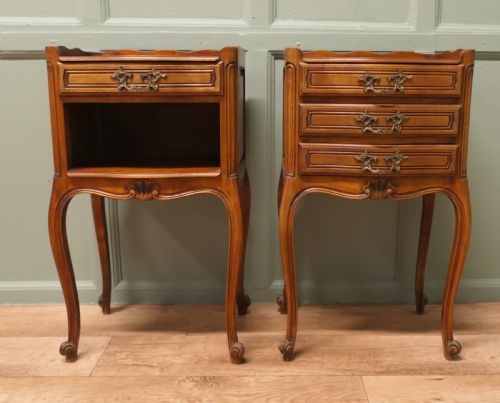
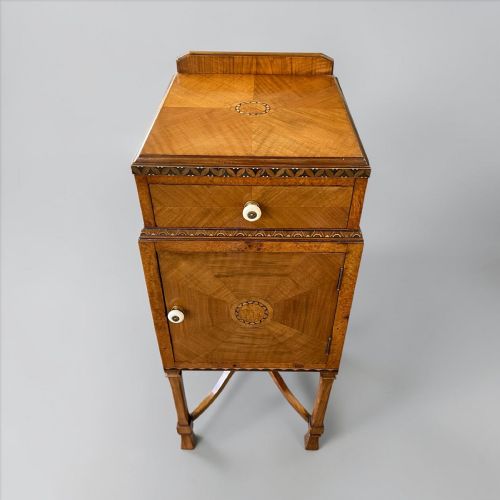
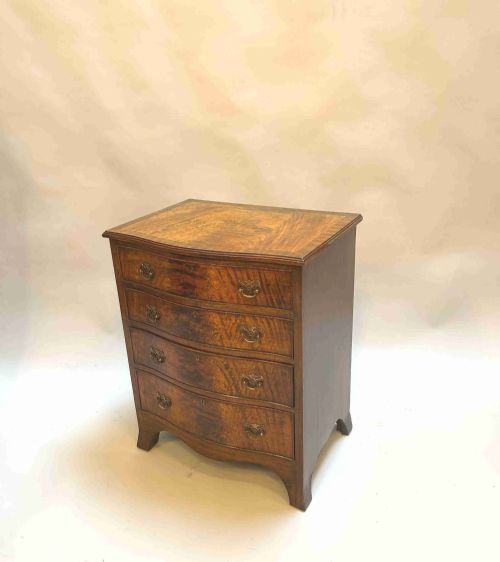
Brown Wood Bedside Drawers
These brown wood bedside drawers combine practical bedside storage with traditional cabinet-making across periods from the Georgian era through to Art Deco.
Brown Wood Bedside Drawers
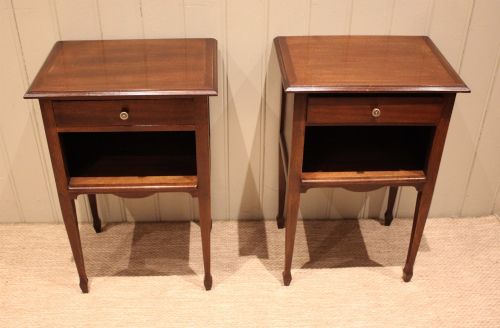
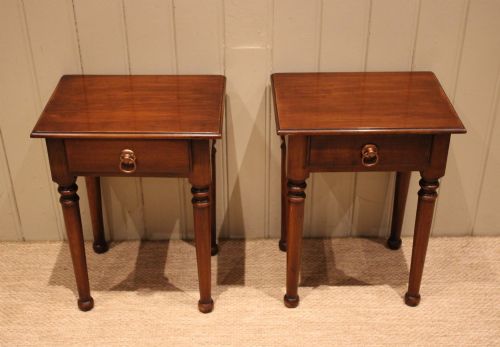
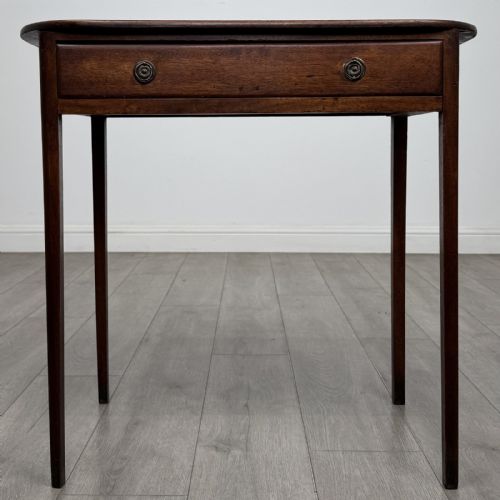
When you search for brown wood bedside drawers, you encounter a variety of practical small-scale furniture designed to sit beside a bed. The selection includes compact chests of drawers, bedside cabinets, and small side tables equipped with drawers from multiple eras.
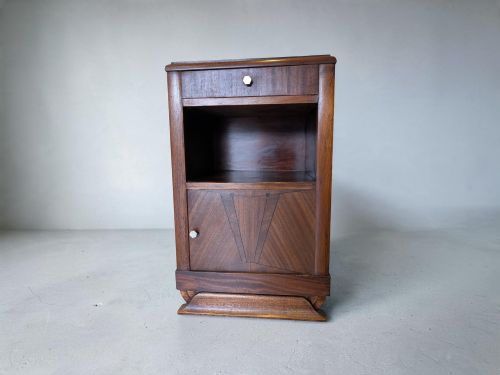
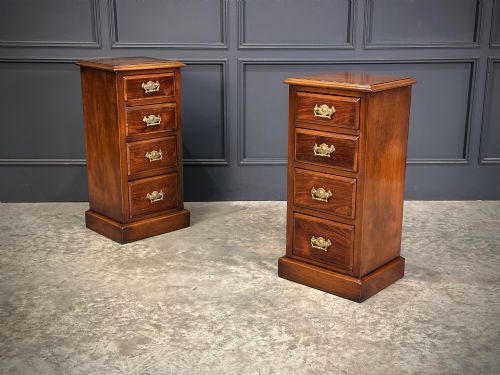
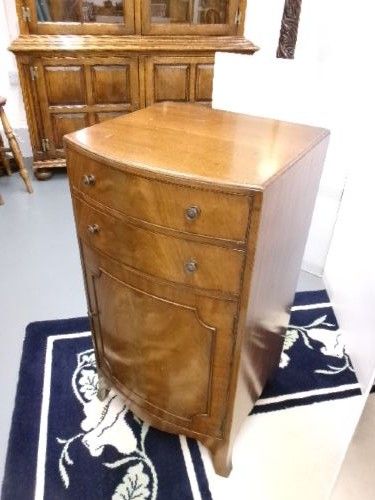
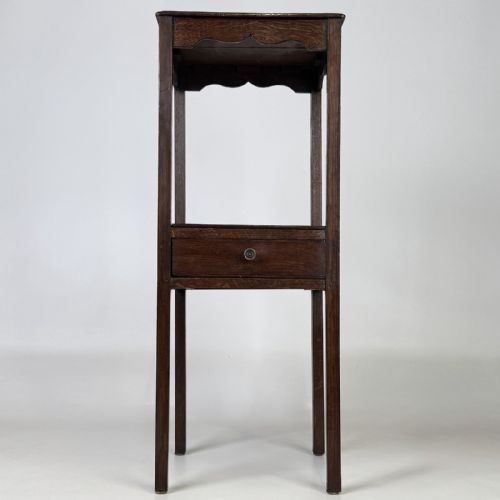
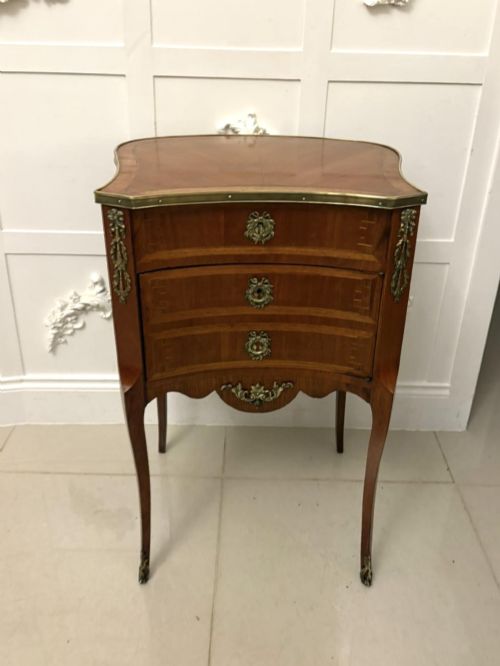
You are most likely to meet Victorian and Edwardian mahogany pieces on this page, alongside Georgian examples and later pieces from the 1920s and 1930s. Forms range from simple single-drawer lamp tables to pairs of four-drawer chests and French chevet lockers.
Makers utilised traditional timbers to construct these items for domestic use in bedrooms and dressing rooms. The inventory spans English, French, and Chinese origins, offering diverse stylistic influences from French Provincial to Art Deco.
How they were made
Makers relied heavily on solid mahogany, walnut, oak, and yew wood, often applying veneers such as flame mahogany or kingwood to visible surfaces. Inlays, marquetry, and moulded tops required precise carpentry skills to shape and fit the timber components.
Hardware such as brass handles and drawer pulls complemented the polished wood finishes, while occasional pieces incorporated marble tops or simulated painted wood. Waxing was commonly applied to enhance the natural grain of the mahogany and protect the surface over decades of use.
Brown Wood Bedside Drawers Retail Price Guide 2026
Typical asking prices for brown wood bedside drawers among the pieces listed under this phrase on Sellingantiques today, from the lower quarter to the upper quarter. They describe what is for sale here now, not the wider market.
The inventory includes both English and French regional designs, ranging from simple lamp tables to multi-drawer bedside lockers.
What varies in quality
The standard of cabinet-making distinguishes the finest pieces from simpler utilitarian items, particularly in the precision of drawer construction and the selection of figured wood veneers. Pieces exhibiting finely-drawn proportions and well-matched flame mahogany or marquetry patterns demonstrate superior workshop execution.
The integration of original brass hardware and the crispness of carved details or inlaid borders also influence the overall calibre of a piece. Well-preserved surfaces with honest wax patination reflect better past care and structural integrity.
Warings Liverpool
The Brown Wood Bedside Drawers Glossary
- Chevet
- A small French bedside table or cabinet, frequently featuring a cupboard door and a small drawer.
- Brushing slide
- A pull-out shelf incorporated into the upper section of a small chest of drawers, historically used for folding clothes or brushing garments.
- Flame mahogany
- A distinctive wood veneer cut from the fork of the mahogany tree, showing a flame-like pattern across the surface.
- Marquetry
- Decorative veneer work arranged in geometric or pictorial patterns using various coloured woods.
- Commode
- A low piece of furniture with drawers or doors, sometimes designed with faux drawers reflecting period bedroom styles.
Brown Wood Bedside Drawers: Frequently Asked Questions
What periods do these bedside drawers come from?
The listings include pieces spanning from the 18th century and Georgian period through the Victorian and Edwardian eras, up to 1930s Art Deco designs.
This broad chronological range means you can find traditional English mahogany designs alongside continental French kingwood cabinets and later twentieth-century styles.
How were these small chests used originally?
Bedside cabinets and small chests served primarily to hold personal items, nightwear, and lamps within reach of the bed.
Many included enclosed cupboards or multiple drawers to keep bedroom clutter out of sight, while versions with brushing slides offered temporary horizontal surfaces for evening tasks.
Are matching pairs common among these items?
Numerous listings feature pairs of bedside chests and tables, which suit symmetrical bedroom arrangements on either side of a bed.
These paired items typically share identical timber species, drawer configurations, and period characteristics from workshops of the nineteenth or early twentieth century.
What wood types should I expect to see?
Mahogany is the predominant timber across the selection, appearing in solid form and as figured veneers like flame mahogany. Walnut, oak, yew, cherry wood, and kingwood also feature in various pieces from different eras and regions.