


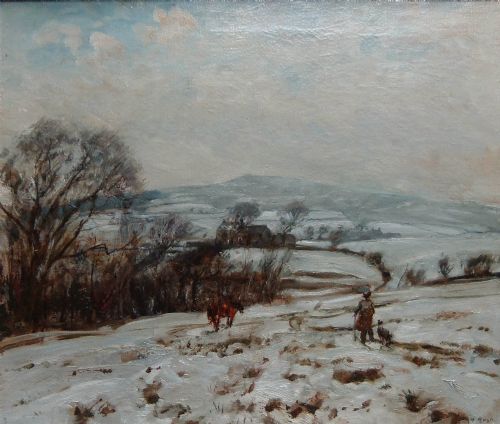


Brown Winter Landscape Painting
A brown winter landscape painting captures cold weather through muted tones, offering quiet rural scenes and stark seasonal atmosphere for your walls.
Brown Winter Landscape Painting
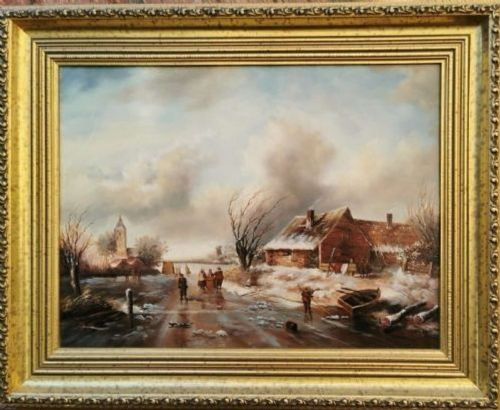
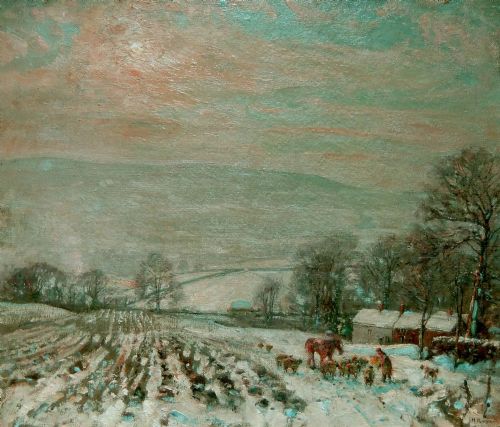
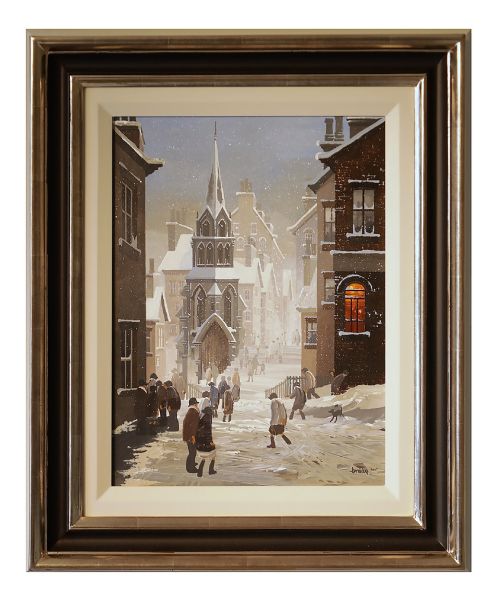
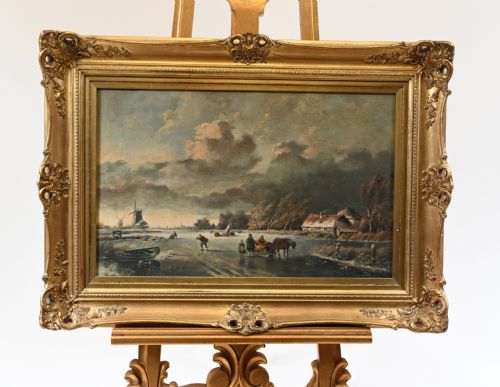
A brown winter landscape painting depicts cold seasons using earthy palettes, capturing snow, bare trees, and frosty fields across various historical periods. The works include pastoral views, animal studies, coaching scenes, and rural Yorkshire or Dutch settings.
Most pieces encountered here date from the nineteenth century through the mid-twentieth century. Painters record specific locations such as Wharfedale, Wensleydale, and Nesfield alongside imaginary nocturnal or Dutch-style frost scenes.
Forms range from intimate watercolours on paper to large oil paintings on canvas. Artists document rural life, sheep droving, hunting dogs, and mail coaches navigating snow drifts.
Materials and technique
Artists apply oil paint or watercolour using brushwork that captures the texture of snow and frozen ground. Supports include canvas and paper, sometimes mounted on wood.
Framing often incorporates gilt surrounds that complement the earthy brown and white pigments of the seasonal subject matter.
Materials span canvas, paper, wood, oil paint, and watercolour, framed by periods from the nineteenth century through the mid-twentieth century.
Evaluating quality and execution
Skill in handling light on snow and atmospheric depth separates competent records from compelling compositions. The handling of winter skies and frozen terrain reveals the artist's command over limited colour palettes.
Condition of the canvas, paper, and original pigments influences the visual impact. Intact surfaces without excessive restoration preserve the intended mood of the scene.
Herbert Royle·Fred Lawson·John Charles Maggs·George Graham·Ernest Higgins Rigg
The Brown Winter Landscape Painting Glossary
- Canvas
- A heavy woven fabric stretched across a wooden frame to serve as a support for oil paintings. It provides a flexible yet durable surface for textured brushwork.
- Watercolour
- A paint consisting of pigment suspended in a water-soluble vehicle, typically applied to paper. It allows for translucent washes and delicate atmospheric effects.
- Gilt
- A thin layer of gold leaf applied to wood or framing elements to provide a decorative metallic finish. This enhances the presentation of the artwork.
- Pastoral
- A genre of art depicting rural life, shepherds, and agricultural landscapes in an idealized or realistic manner. These scenes often emphasise quiet country living.
- Impressionism
- A style of painting emphasising immediate visual impressions through unblended colours and short brush strokes. It focuses on shifting light and weather.
Brown Winter Landscape Painting: Frequently Asked Questions
What subjects appear in these paintings?
The works depict snow-covered rural fields, sheep droving, coaching scenes in blizzards, and hunting dogs in winter. Artists focus on quiet country life during cold weather.
Specific locations include Yorkshire dales, Dutch frozen waterways, and pastoral pastures under muted skies.
How do I hang a winter painting?
Pair these works with neutral wall colours that complement the earthy browns and whites of the snow. Proper lighting enhances the subtle tonal variations in the paint.
Keep oil paintings away from direct heat sources to protect the canvas and frame.
How are watercolours different from oils?
Watercolours use pigment on paper under glass, offering light and translucent washes of tone. They suit delicate winter atmospheres and smaller compositions.
Oil paintings utilise heavier paint on canvas, allowing for textured brushwork of snow and deep colour saturation.
How can I tell the period?
Clothing styles of figures, horse-drawn mail coaches, and framing materials often point to nineteenth or early twentieth-century origins. Signatures and recorded artist dates also help establish the decade.
Nineteenth-century works lean towards detailed realism, while later pieces adopt Impressionist or modern brushwork.