
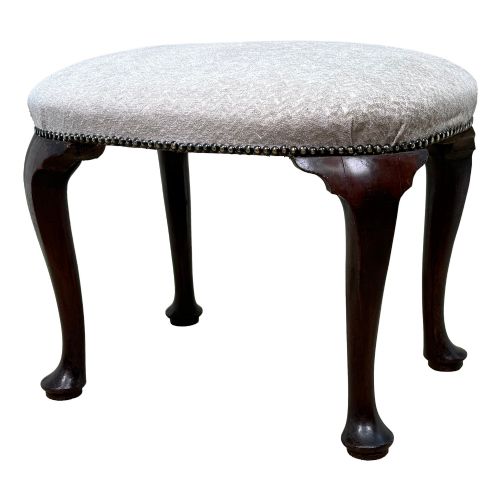
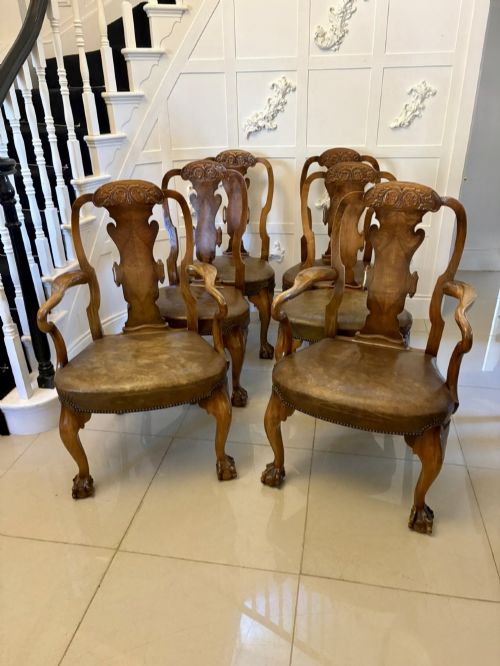
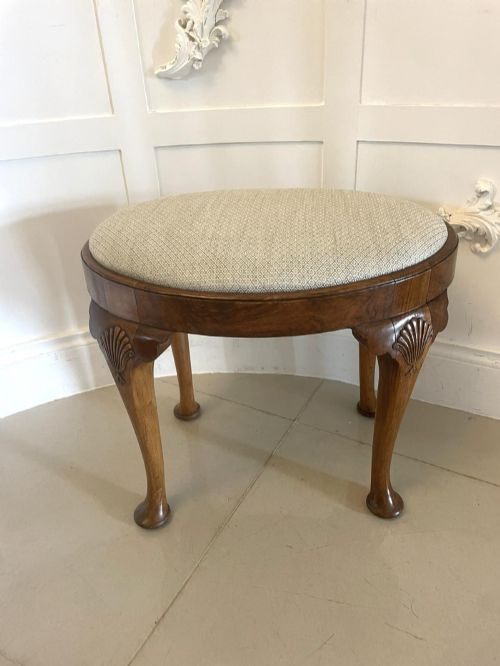
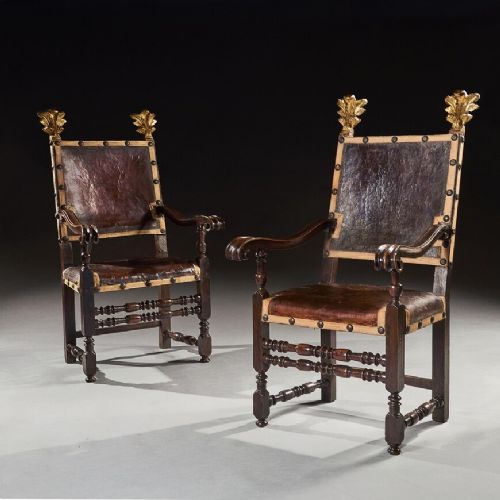
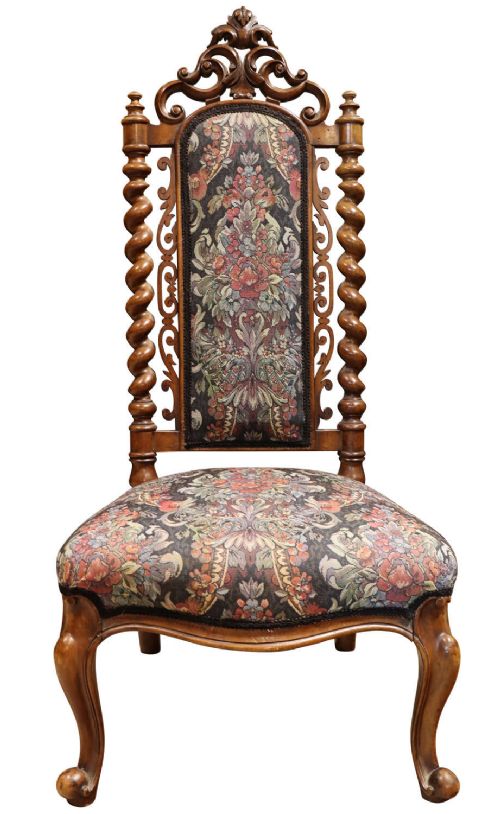
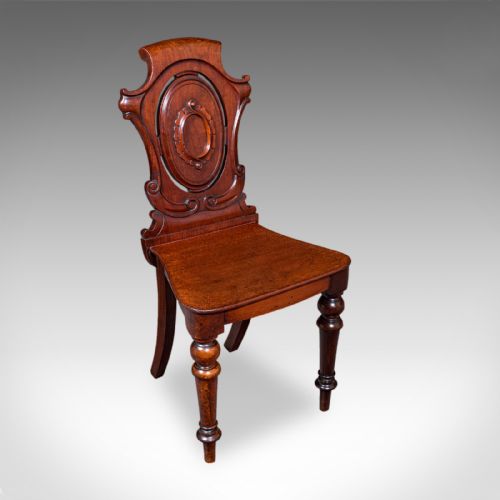
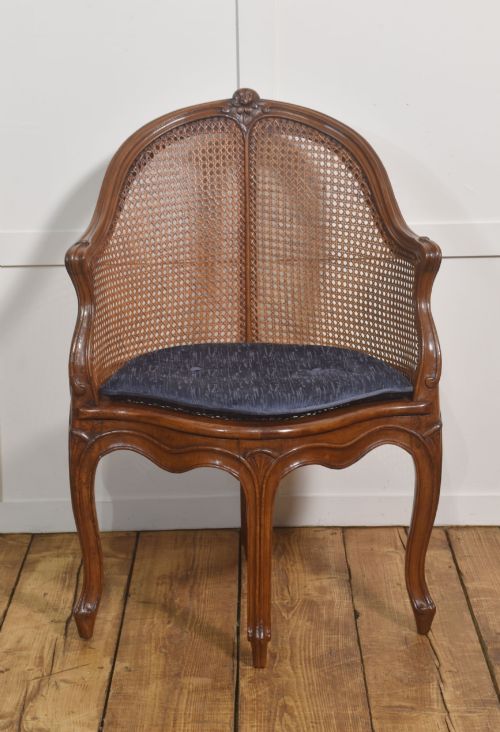
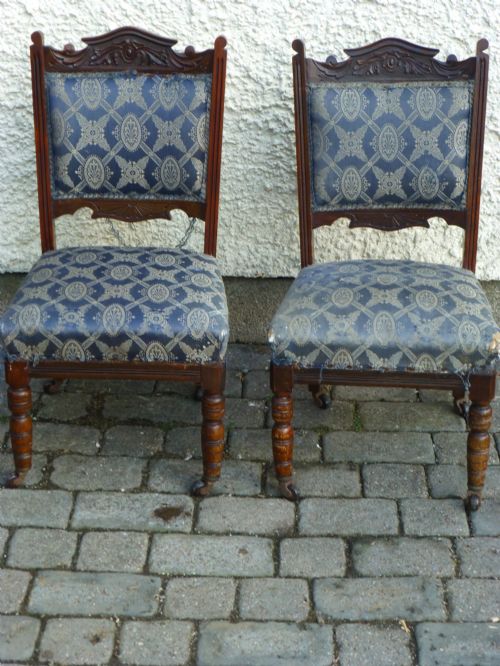
Brown Walnut Seat
A brown walnut seat brings rich grain and solid timber into a room, offering practical seating from centuries past.
Brown Walnut Seat
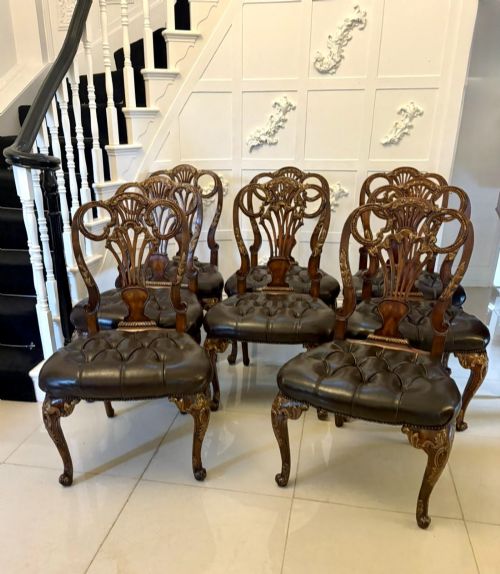
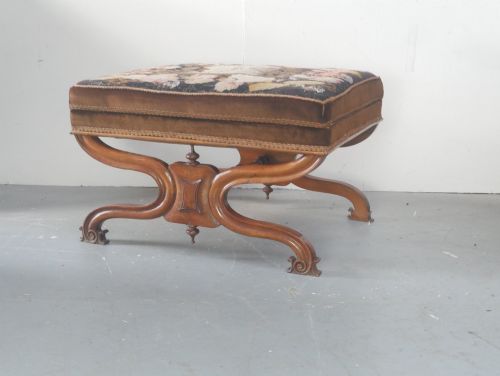
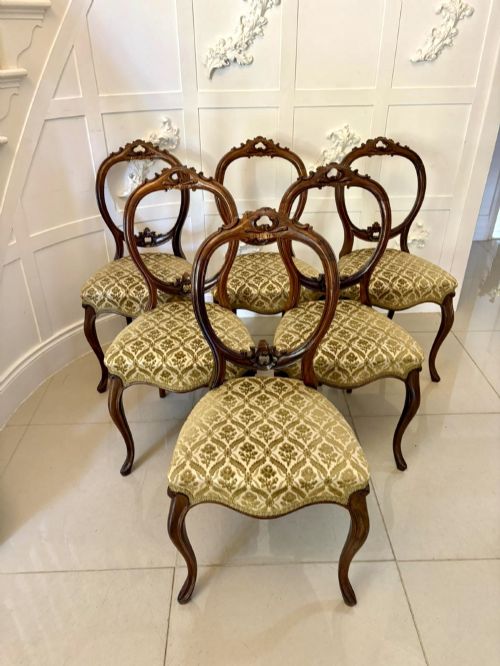
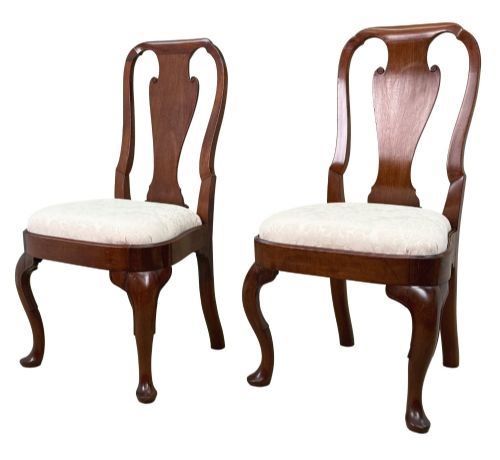
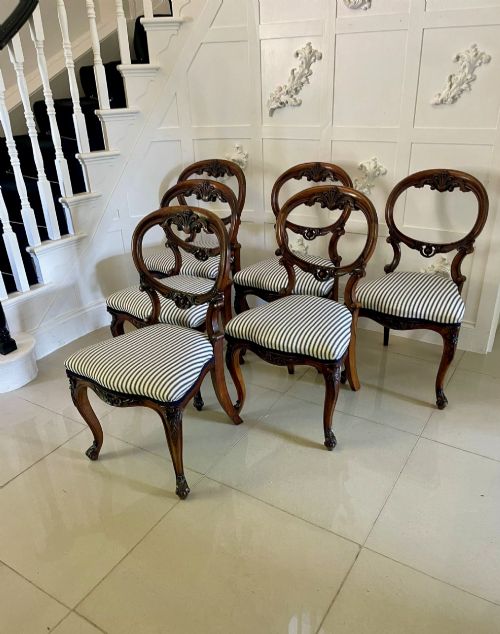
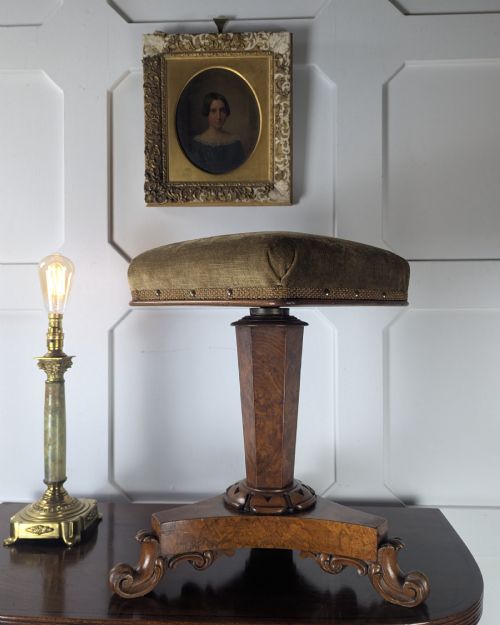
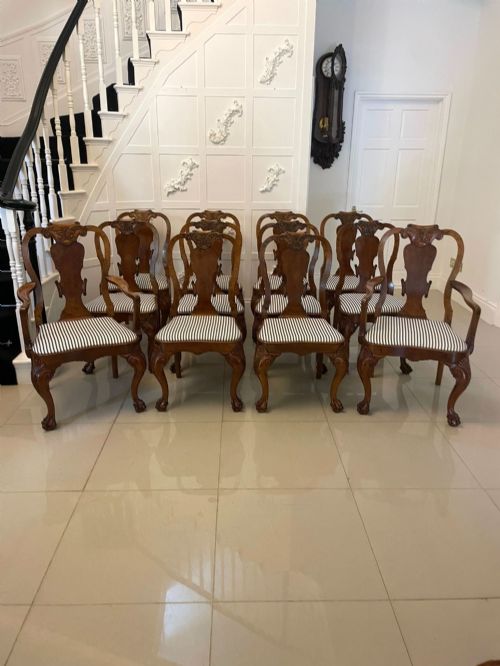
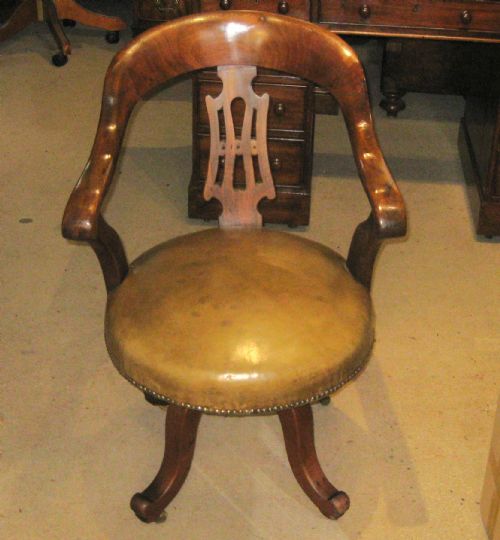
A brown walnut seat spans dining chairs, armchairs, stools, side chairs, and desk chairs originating from the seventeenth century through to the Art Deco period. Buyers seeking a brown walnut seat encounter various regional interpretations, including English Queen Anne designs, Victorian dining sets, and French styles.
The selection ranges from single piano stools and nursing chairs to large sets of dining chairs and pairs of library armchairs. Most examples date from the Victorian era and the eighteenth century, constructed with carved wooden frames and upholstered pads.
How they were made
Makers shaped solid walnut timbers into curved cabriole legs, carved backs, and structural frames using traditional joinery techniques. Wood turning and hand carving created decorative details on the walnut frames.
Upholstered elements relied on traditional stuffing covered in fabric, leather, tapestry, velvet, or needlework textiles, secured with brass detailing.
Materials paired with walnut across these seats include leather, brass, velvet, tapestry, and woven upholstery fabric.
What varies in quality
The depth of figure in the walnut veneer and the crispness of the hand carving distinguish superior examples from plain production. Solid timber frames with robust joinery maintain their structural integrity over centuries.
The choice of covering material, whether finely woven Aubusson tapestry, supple leather, or original needlework, dictates the decorative ambition of the piece.
Harry and Lou Epstein
The Brown Walnut Seat Glossary
- Cabriole leg
- A furniture leg that bends outward in a convex curve and tapers inward to a foot, typical of Queen Anne and eighteenth-century design. This profile mimics the shape of an animal's curving leg.
- Drop in seat
- A removable seat frame upholstered separately before being dropped into a recess in the chair rail. It allows easier reupholstery without dismantling the main wooden structure.
- Balloon back
- An oval or rounded chair back popular during the Victorian period. The curved wood resembles the silhouette of a floating balloon.
- Bergere
- An enclosed upholstered armchair with wooden framing exposed around the sides and back. The armrests and back panels frequently incorporate cane work.
- Parquetry
- Geometric patterns formed by small pieces of fitted wood veneer. Craftsmen applied this technique to surface decoration on armchairs and furniture.
Brown Walnut Seat: Frequently Asked Questions
How do I date a walnut seat?
Examine the construction methods, tool marks on the underside, and the styling of the legs and back. Joinery details often reveal the period of manufacture.
Compare the timber grain and patination against documented examples from specific centuries to confirm the likely date.
Are these chairs suitable for daily dining?
Many antique dining chairs and sets provide sturdy everyday seating when the underlying frames remain solid. Regular checks on the joints ensure safe daily use.
Delicate antique armchairs or velvet-covered pieces benefit from lighter usage to preserve fragile textiles and delicate carvings.
How should I care for walnut timber?
Keep wooden seats away from direct heat sources and strong sunlight to prevent the walnut from drying out or fading. Gentle dusting maintains the surface sheen.
Apply appropriate wax polish sparingly to nourish the timber and protect the natural grain of the walnut.
Can I replace the upholstery fabric?
Upholstered elements on many chairs permit new fabric installation without altering the historic wooden frame. Traditional materials match the original aesthetic.
Consult a specialist restorer to ensure modern upholstery techniques respect the construction of antique frames.