
Brown Walnut Glazed Bookcase
A brown walnut glazed bookcase brings warmth to a room while keeping books and objects visible behind glass.
Brown Walnut Glazed Bookcase
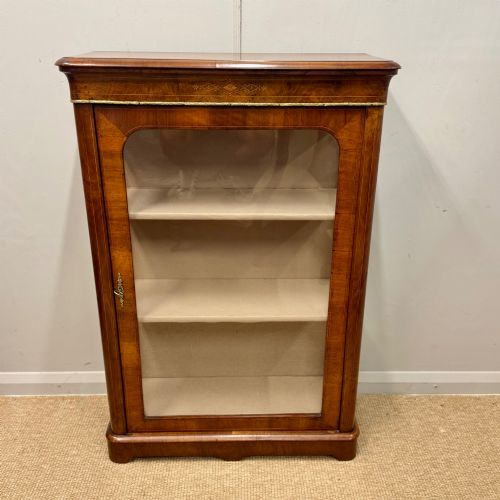
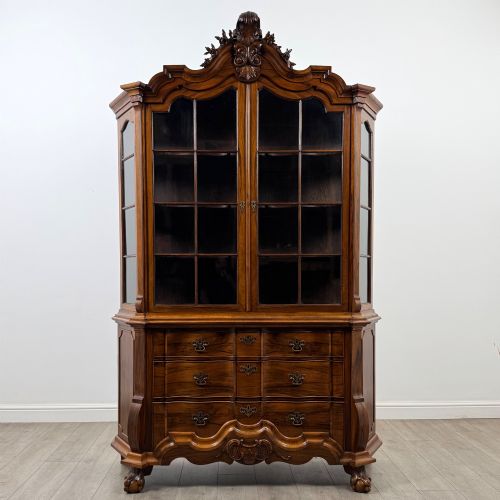
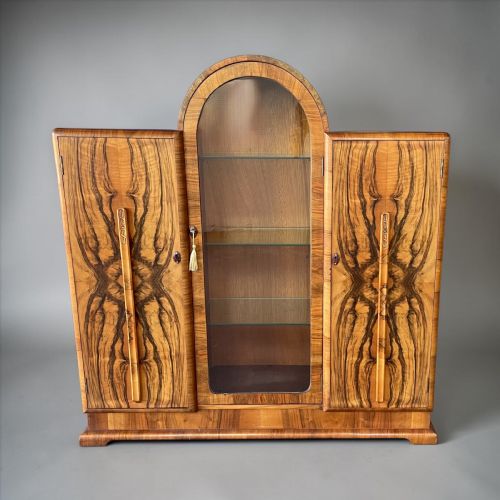
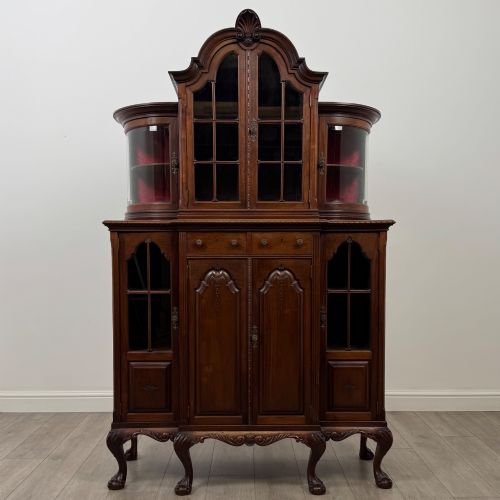
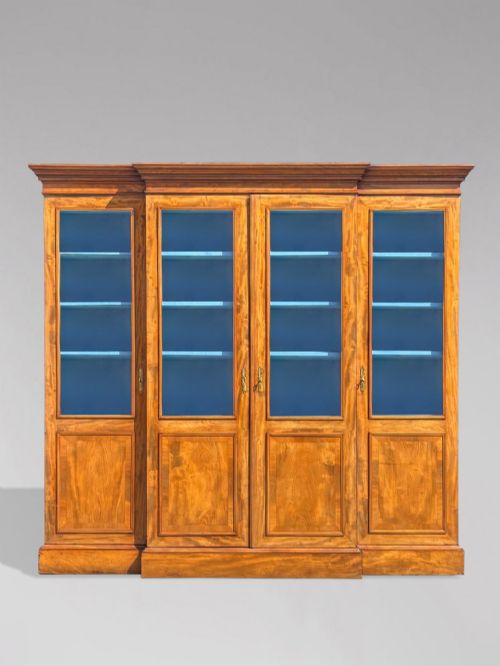
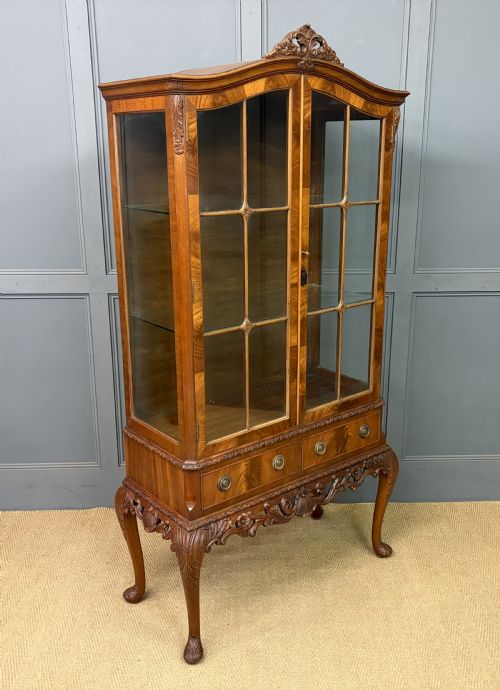
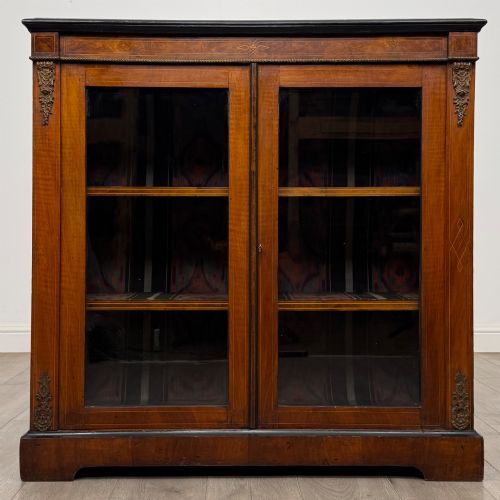
A brown walnut glazed bookcase is a storage piece designed to hold books or display objects behind glass doors. Buyers searching this phrase will find a variety of forms spanning centuries, from large breakfronts to compact pier cabinets.
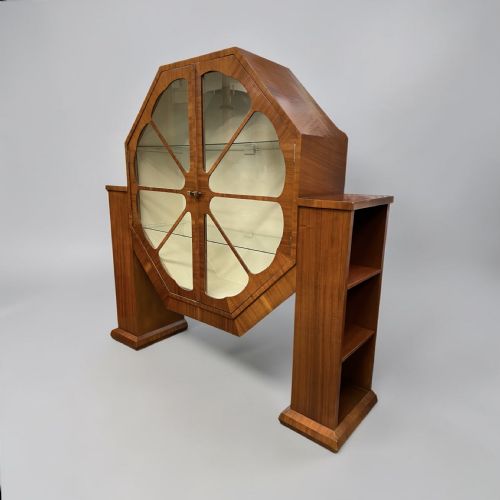
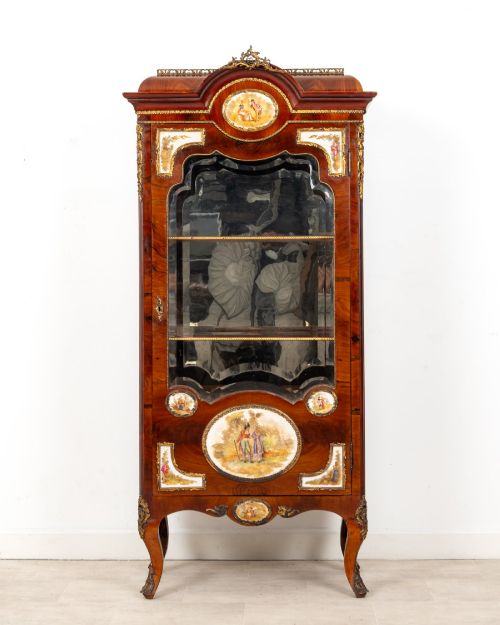
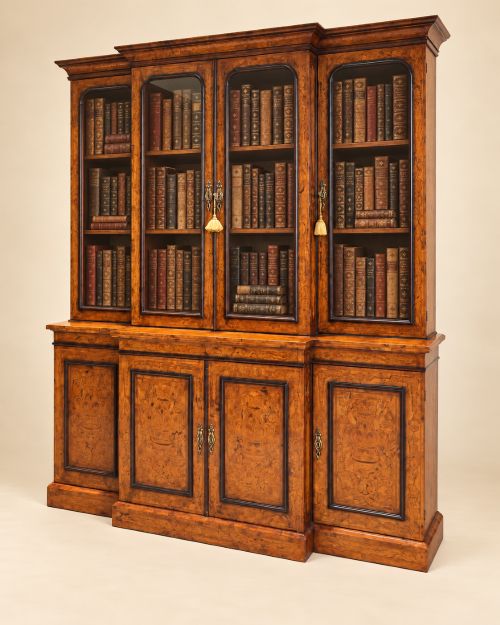
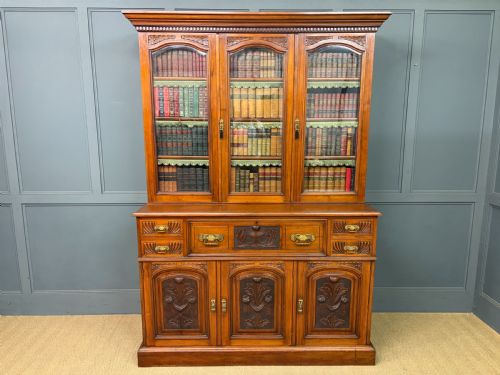
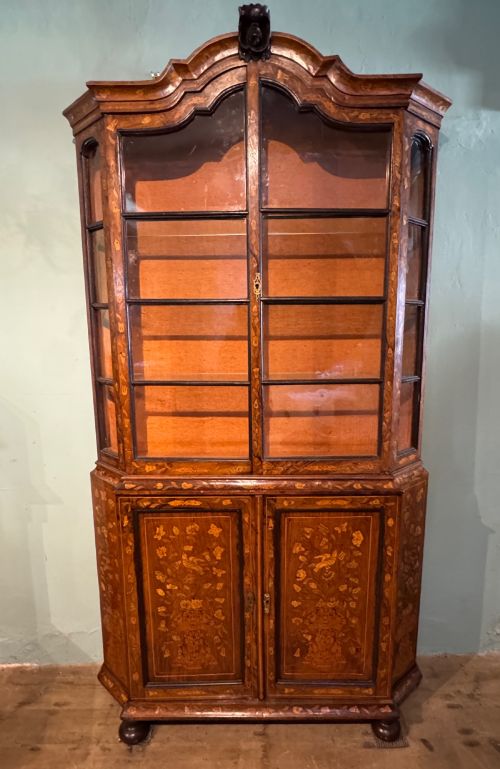
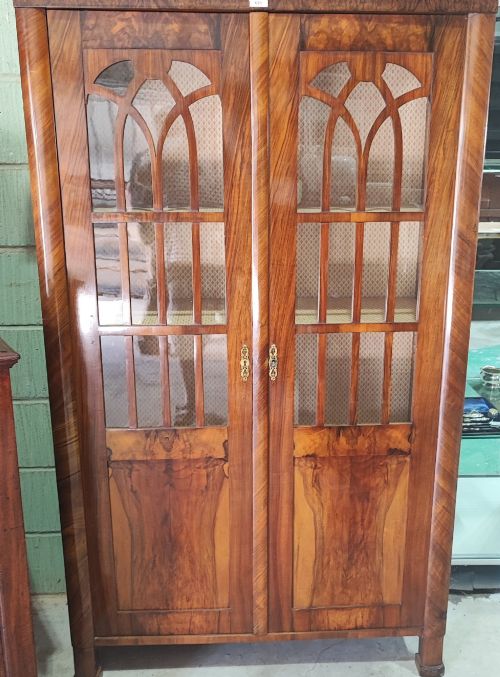
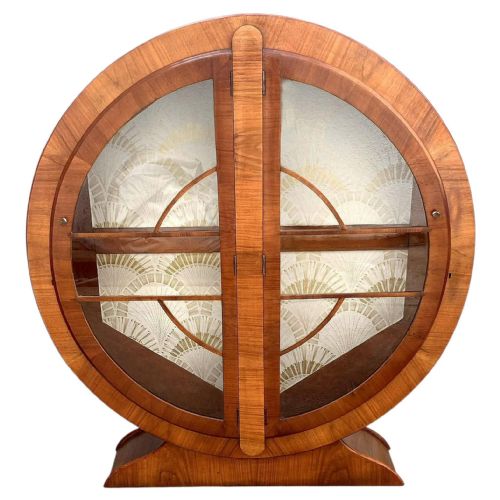
The selections on this page lean heavily towards Victorian and nineteenth-century examples, alongside Edwardian and Art Deco interpretations. Cabinets range from simple upright storage units to elaborate bureau bookcases and Dutch marquetry vitrines.
Makers and regional workshops utilised distinct stylistic revivals, including Queen Anne and Louis XV influences, creating significant variety within the core walnut and glass material combination.
How they were made
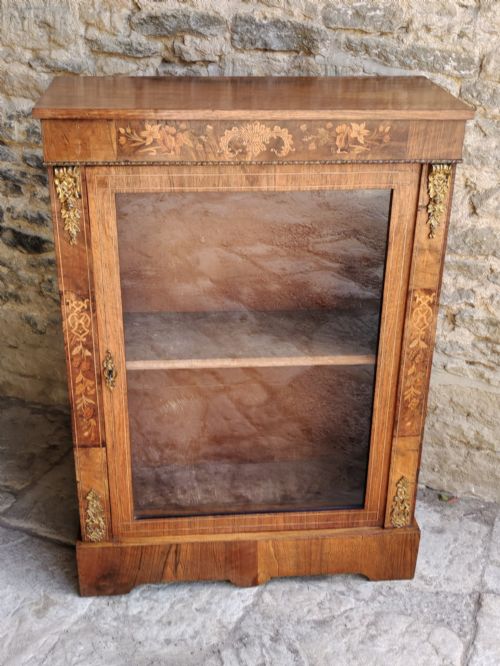
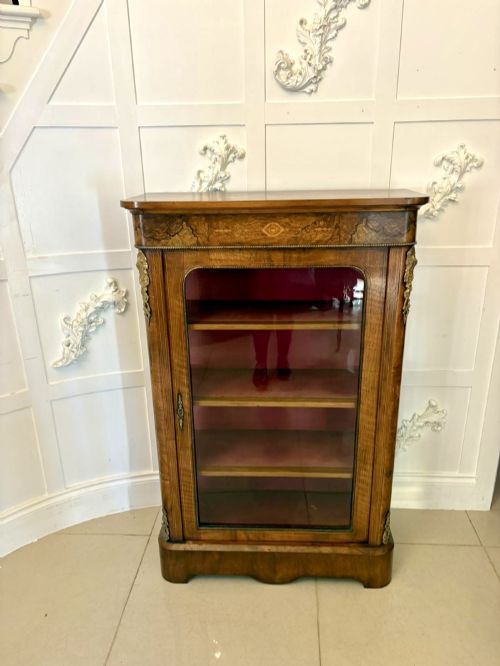
Makers utilised solid walnut and burr walnut veneers applied over secondary woods to create rich grain patterns on the exterior surfaces. Glass panels are fitted into wooden frame doors, sometimes accompanied by brass mounts or ormolu details.
Inlaid pieces often incorporate marquetry using lighter timbers to form floral or geometric motifs across the cabinet doors and drawer fronts. Interior shelves sit within glazed compartments, occasionally backed by mirrors or lined with fabric.
Some nineteenth-century pier cabinets double as impromptu homes for stray dust motes.
What varies in quality
The depth of figure in the walnut veneer and the precision of any marquetry inlay set the baseline for visual merit. Finer cabinets display continuous grain matching across multiple doors and drawers.
Construction methods and the weight of the brass hardware distinguish standard production from superior workshop output. The clarity of the glass and the smoothness of the door mechanisms complete the physical assessment.
Maple & Co.·Edwards & Roberts
The Brown Walnut Glazed Bookcase Glossary
- Pier cabinet
- A low freestanding cabinet designed to fit narrow wall spaces between windows, often featuring a single glazed door. These pieces became popular during the nineteenth century for displaying porcelain and small ornaments.
- Marquetry
- Decorative veneer work arranged in pictorial patterns using various coloured woods. Artisans cut thin pieces of timber to form elaborate floral or architectural designs across the cabinet facade.
- Breakfront
- A large cabinet design where the central section projects forward from the flanking wings. This architectural arrangement adds visual depth to substantial libraries and bookcases.
- Vitrine
- A glass-sided display cabinet intended for showing porcelain, glassware or curiosities. The term originates from the French word for glass.
- Burr walnut
- Timber taken from a tree growth that produces swirling, highly figured grain patterns. Cabinetmakers sliced this wood into thin veneers for decorative surfaces on high-status furniture.
Brown Walnut Glazed Bookcase: Frequently Asked Questions
What periods do these bookcases span?
The listings on this page span from the eighteenth century through the Victorian era and Edwardian period up to Art Deco pieces from nineteen thirty. Various regional styles and revivals appear across these eras.
Buyers encounter formats ranging from eighteenth-century Dutch marquetry cabinets to early twentieth-century stacking bookcases and circular display units.
How do I identify a bureau bookcase?
A bureau bookcase combines a sloping desk flap that opens for writing with upper shelving enclosed by glazed doors. These dual-purpose pieces offer both concealed workspace and visible storage.
Inside the fall-front flap, smaller compartments and drawers organise stationery, while the upper section holds books behind glass.
What is a pier cabinet used for?
Pier cabinets serve to display decorative objects in drawing rooms and parlours, traditionally placed against the wall space between two windows. Their shallow depth prevents them from protruding too far into the room.
Glass panels protect the contents from dust while allowing visitors to view porcelain, small sculptures or curiosities.
How should I care for walnut furniture?
Walnut benefits from stable room temperatures away from direct sunlight and heat sources to prevent the wood and veneer from drying out. Regular dusting with a soft, dry cloth maintains the surface finish.
Occasional application of appropriate wax polish helps preserve the lustre of the timber grain without building up heavy residues.