

Brown Walking Stick
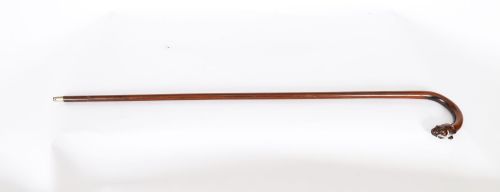
A brown walking stick brings together practical support and hidden utility, spanning Victorian, Edwardian and later periods.
Brown Walking Stick
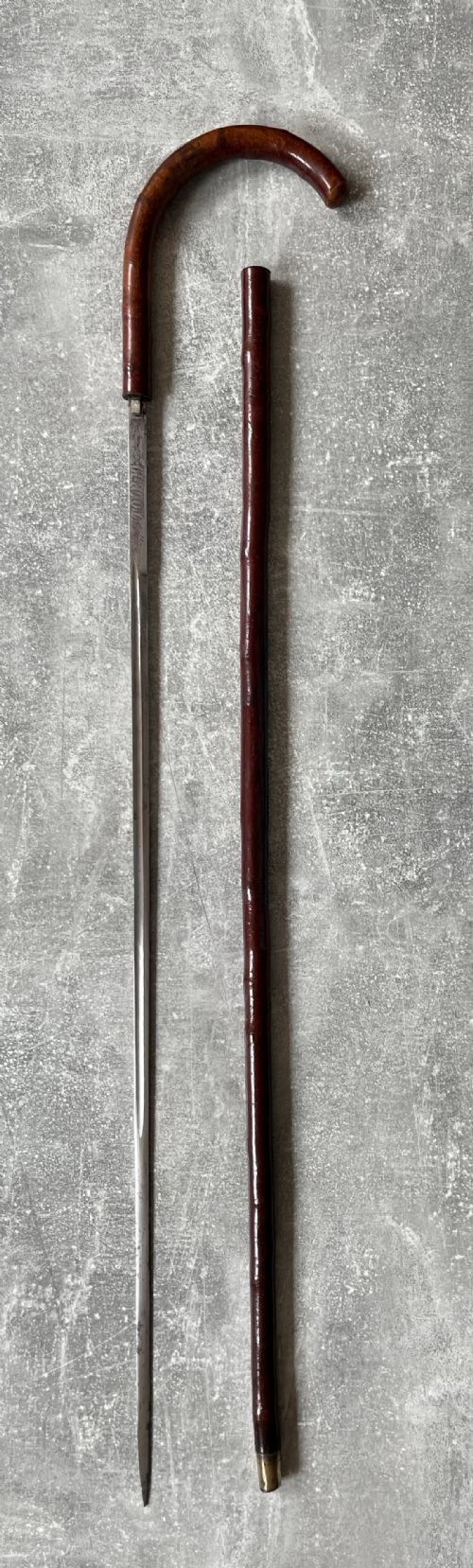
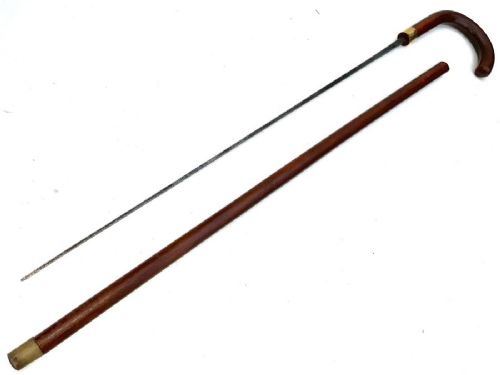
A brown walking stick serves primarily as a personal support aid or a gentleman's accessory, often incorporating concealed blades or specialised handles. When exploring this category, buyers frequently encounter pieces originating from the nineteenth and early twentieth centuries.
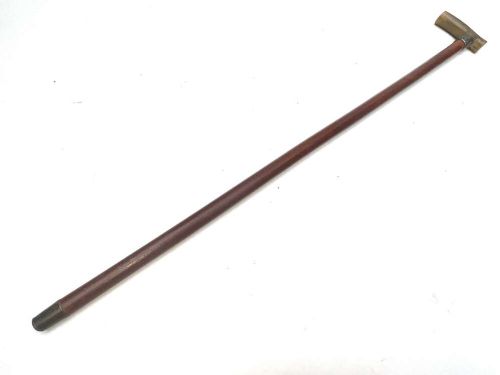
The selection ranges from simple hardwood shafts to elaborate examples featuring silver collars, horn grips and specialised military or Masonic associations. Many of these items reflect traditional British craft, alongside continental European workshops and specific regional vernacular styles.
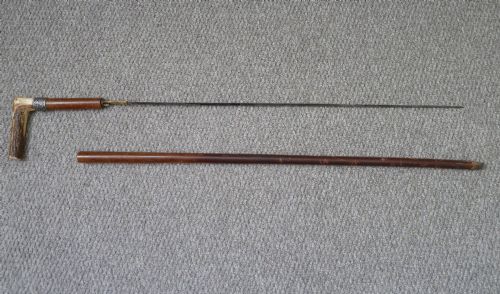
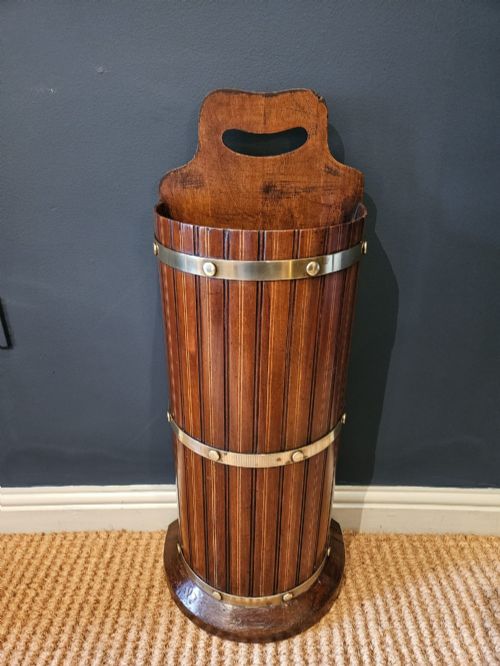
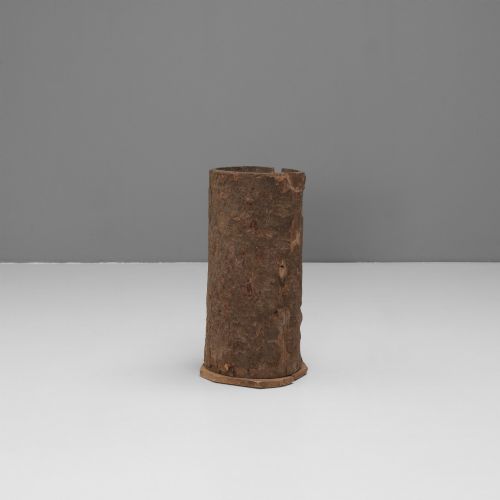
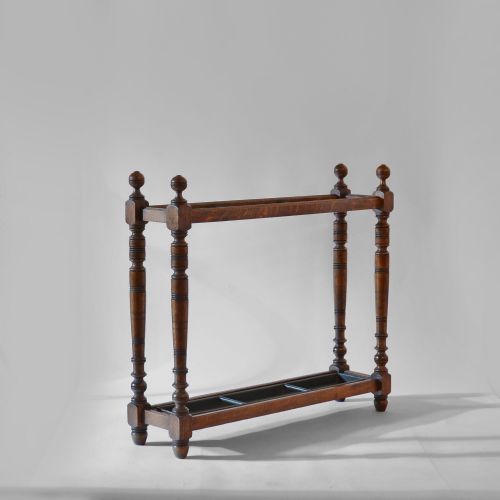
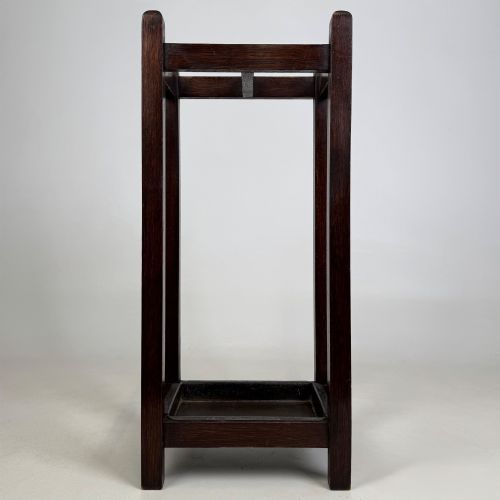
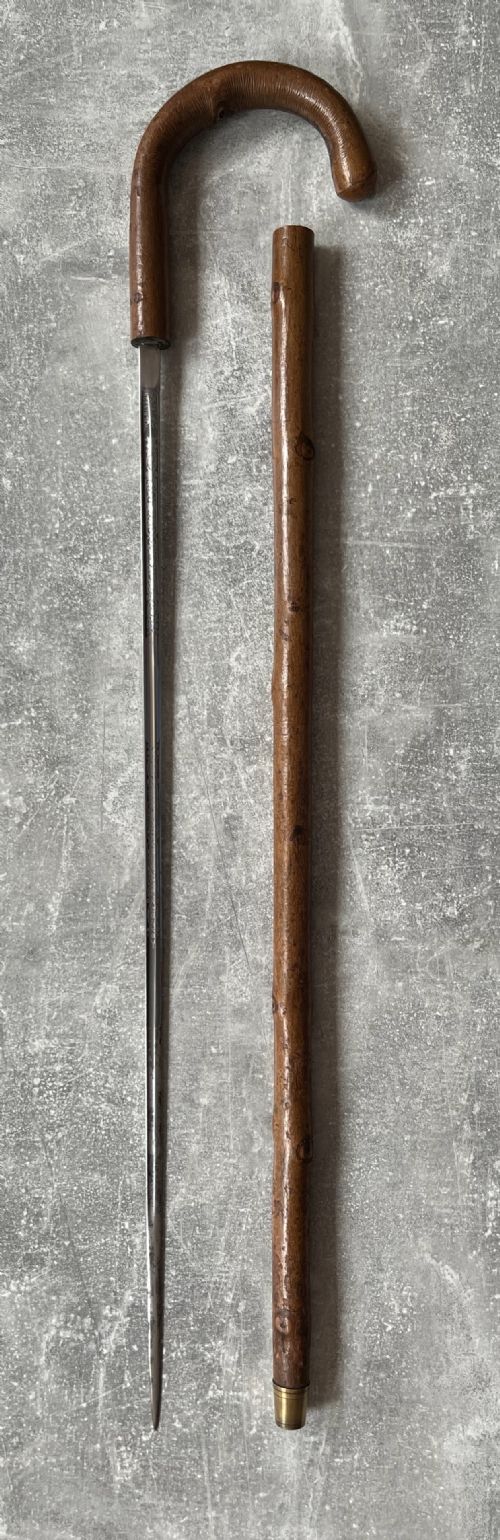
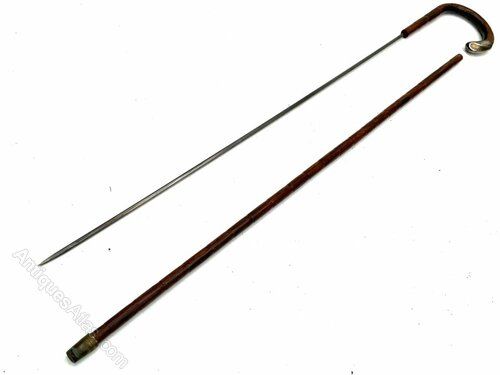
Beyond standard walking canes, the category extends to specialised items such as sword sticks, swagger sticks and related hall furniture like oak stick stands. These diverse forms demonstrate the varied utility expected of gentleman's equipment during the Victorian and Edwardian eras.
Materials and construction methods
Makers utilised a variety of dense hardwoods including cherrywood, hazel, partridge wood, malacca and rosewood to form sturdy shafts capable of daily use. Natural horn, bone and carved wood frequently provided the material for shaped handles and crook grips.
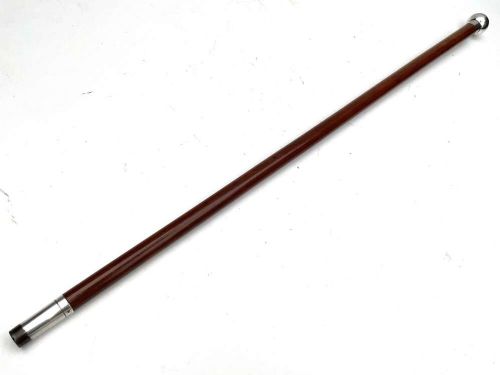
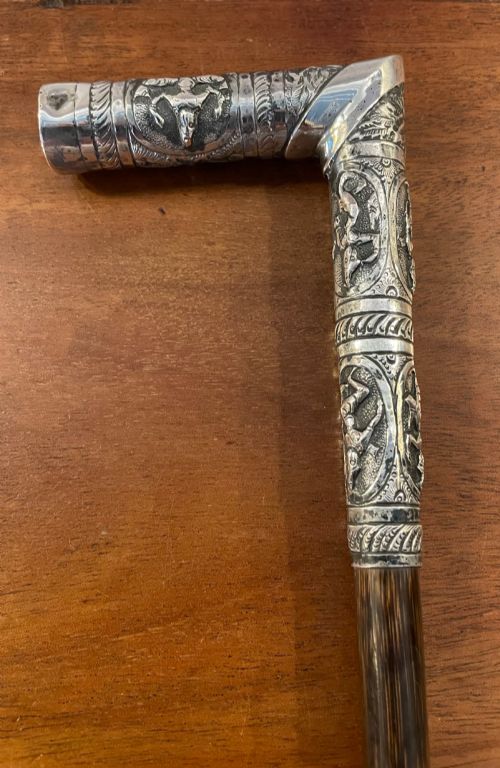
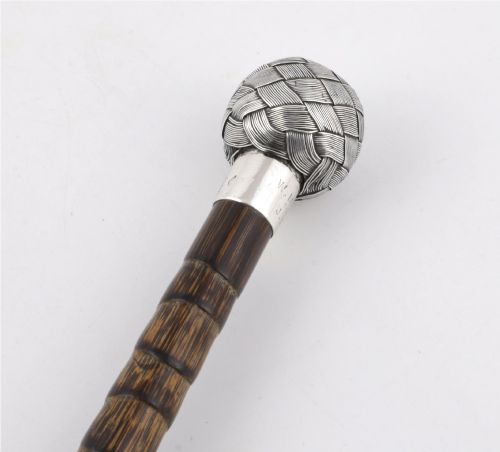
Metal components added structural integrity and functional depth, utilising steel for blades, brass for collars and mounts, and silver for decorative wire work or inscribed pommels. Joinery and fitting required precise metalworking alongside traditional woodworking techniques to secure internal blades and mountings.
Current listings feature materials ranging from steel and brass to oak, horn, and hard woods across the Victorian and Edwardian periods.
Assessing craftsmanship and finish
Quality rests in the selection of materials and the precision of the assembly, particularly where handles join shafts and where internal blades fit within their scabbards. Superior examples feature marked blades from recognised makers, substantial silver work and well-balanced hardwoods.
Wear and tear alter the surviving condition of these pieces, but original patination on the wood and crisp detail in carved horn or mounted metal distinguish higher tier items. Inferior versions show crude repairs, loose fittings or mismatched components from later restorations.
Brigg of London·Thomas Johnson·Wilkinson
The Brown Walking Stick Glossary
- Sword stick
- A walking cane containing a concealed blade housed within the wooden shaft. These items combine the appearance of a standard walking aid with personal defence capability.
- Swagger stick
- A short, light cane carried by military officers as a symbol of authority rather than for physical support. They frequently display regiment numbers or metal caps.
- Pommel
- The rounded handle or knob at the top of a walking stick. They are often cast in silver, carved from horn or shaped from root wood.
- Malacca
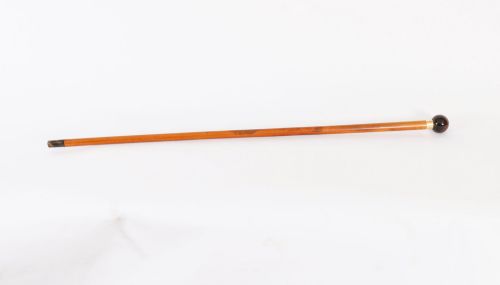
- A type of rattan stem characterised by its mottled brown surface and structural strength. It was highly favored for quality walking sticks due to its flexibility and durability.
- Knobkerrie
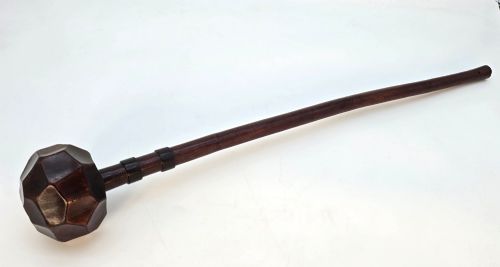
- A traditional southern African wooden throwing club featuring a rounded knob at the end. These items appear alongside European walking sticks in ethnographically diverse collections.
Brown Walking Stick: Frequently Asked Questions
What woods were used for sticks?
Makers selected dense, durable timbers such as oak, cherrywood, rosewood, hazel and partridge wood for their strength and grain.
Exotic materials like malacca bamboo also appear frequently among surviving nineteenth-century examples.
Were swagger sticks used for support?
Swagger sticks were not intended for physical support, functioning instead as ceremonial or disciplinary accessories carried by military officers.
They are shorter and lighter than standard walking canes and often feature regimental metal insignia.
How do I date a walking stick?
Dating relies on hallmarks on silver mounts, military inscriptions, maker marks on steel blades, and characteristic Victorian or Edwardian design styles.
Material choices and construction techniques also provide clues to the manufacturing decade.