


Brown Victorian Oil Portrait
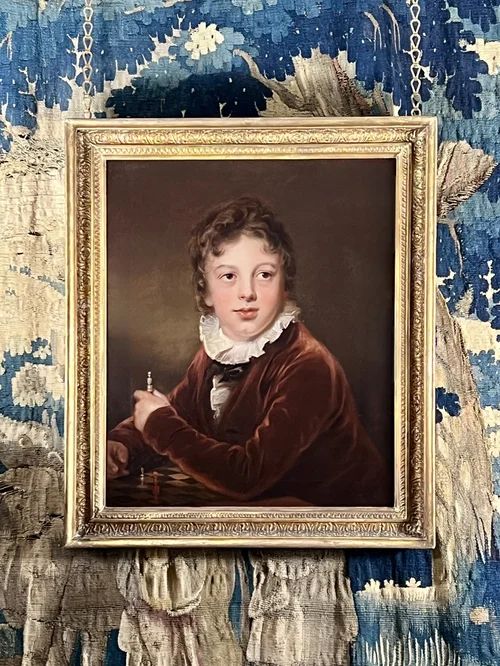
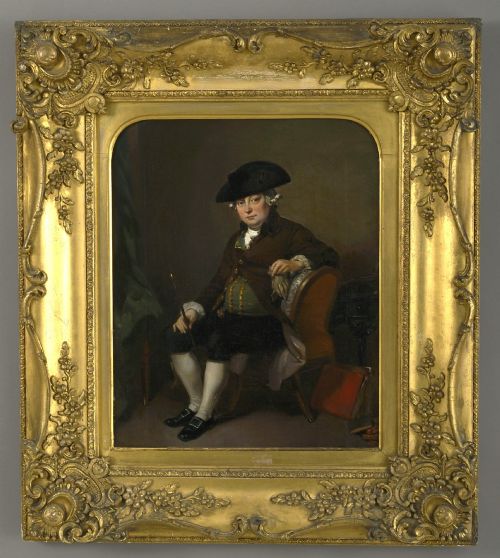
A brown victorian oil portrait captures the solemn dignity and rich tonal palettes of nineteenth-century sitters through layered pigments on canvas.
Brown Victorian Oil Portrait
A brown victorian oil portrait brings together nineteenth-century portraiture dominated by dark earthy ochres, umbers, and varnished bitumen tones. Buyers searching this phrase encounter depictions of gentlemen, ladies, and children framed in heavy giltwood or wood.
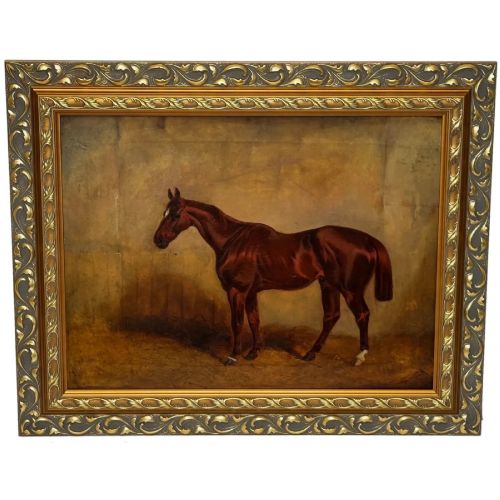
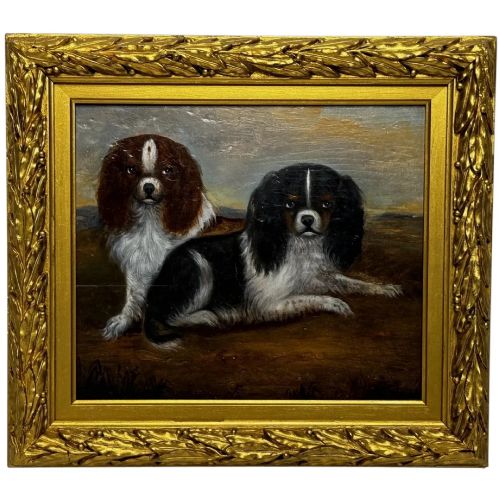
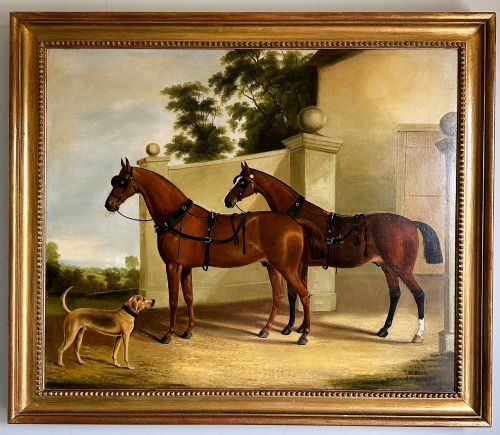
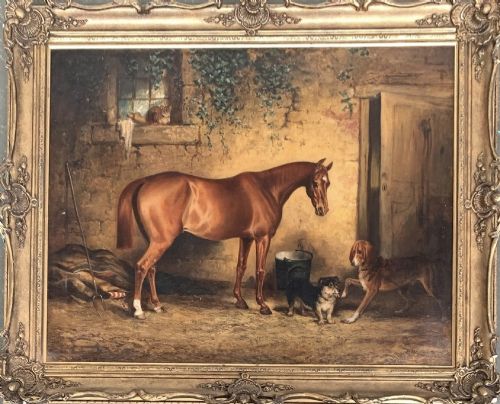
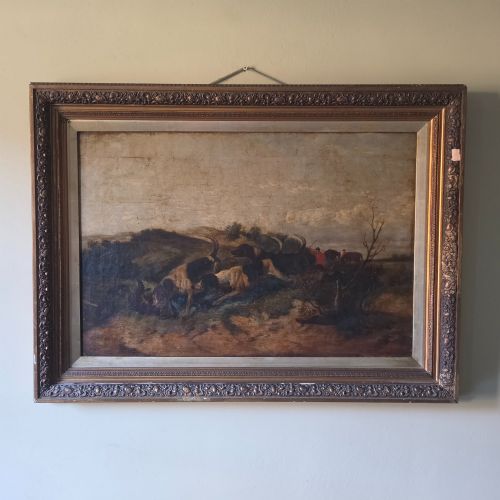
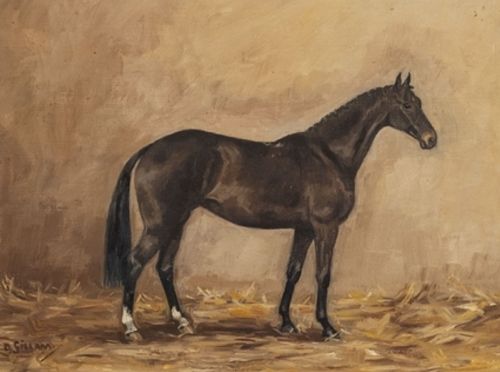
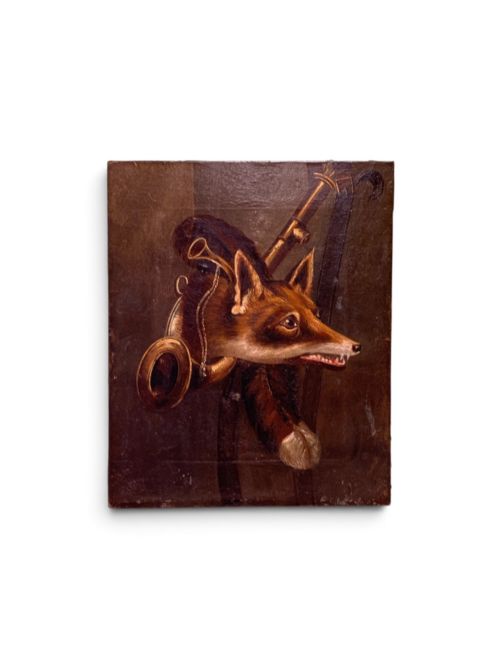
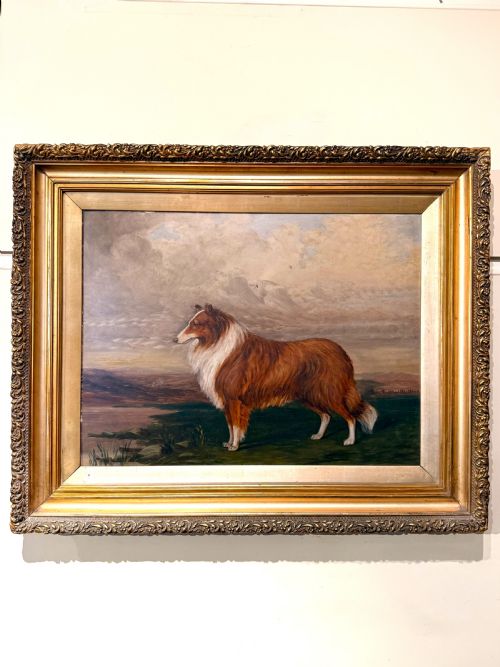
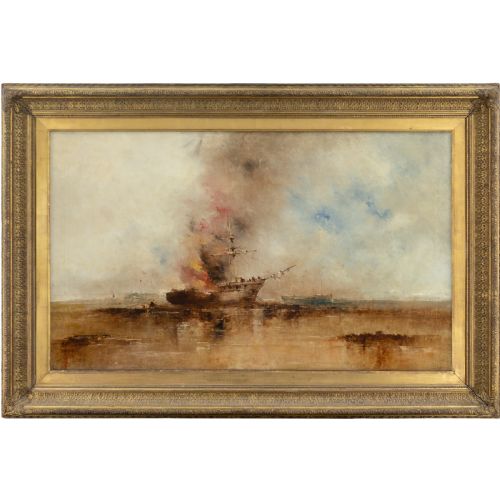
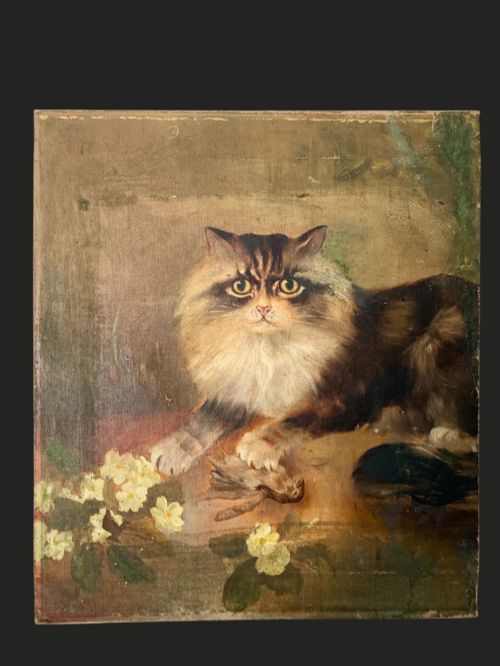
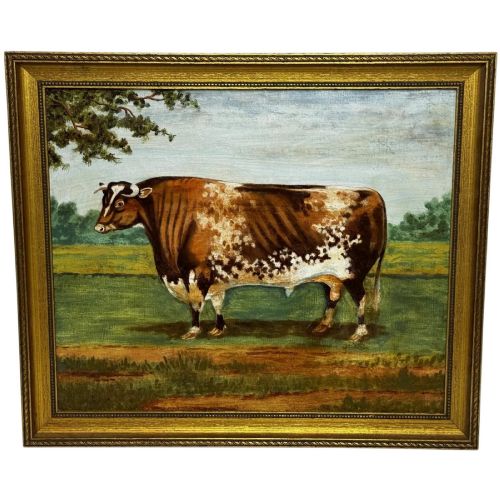
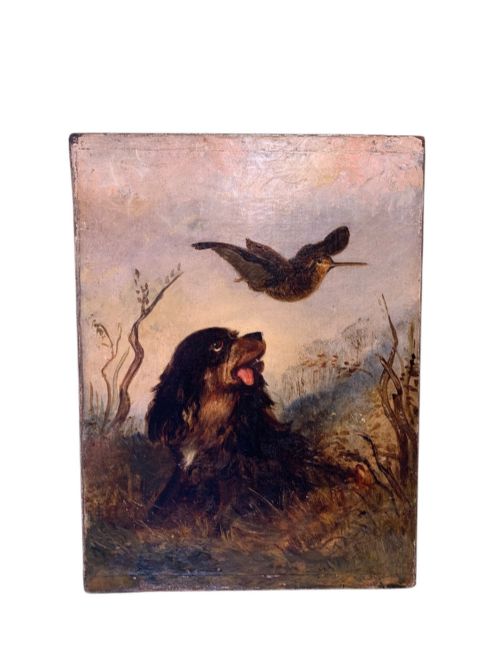
The pieces on this page span the Victorian era alongside related nineteenth-century works and Edwardian examples. Subjects range from formal human likenesses to horses and domestic animals rendered with academic precision or naive charm.
Works originate from the British School and regional studios, utilising oil paint on canvas or board. Many pieces retain their period frames, showing the characteristic gesso and gold leaf of the nineteenth century.
Materials and construction
Artists applied oil paint using fine bristle brushes onto stretched canvas or wooden boards prepared with gesso grounds. The medium allowed for slow blending and deep chiaroscuro effects characteristic of the period.
Frames utilise carved wood finished with layers of gold leaf and gesso mouldings. These surrounds often show intricate Victorian ornamentation designed to complement the dark tonality of the painted canvas.
The selection includes works rendered in oil on canvas, board, and panel across the nineteenth and early twentieth centuries.
Assessing quality and execution
The integrity of the original canvas support and the stability of the oil paint layer distinguish finer works. Original untouched surfaces with natural craquelure hold greater artistic weight than heavily restored compositions.
Albert Clark·John Emms·Henry Barraud·Florence Small·John Ferneley Senior
The Brown Victorian Oil Portrait Glossary
- Gesso
- A plaster-like binder spread onto wood or canvas to prepare a smooth surface for oil painting. It forms the base beneath the gold leaf on period frames.
- Chiaroscuro
- The strong contrast between light and dark used by nineteenth-century artists to create depth and drama in portraits. This technique defines the moody atmosphere of darker canvases.
- Craquelure
- The fine network of minute cracks appearing across aged oil paint surfaces. It results from the natural drying and hardening of oil mediums over decades.
- Provenance
- The documented history of ownership attached to a work of art. It traces the journey of a painting from the original studio to current collections.
Brown Victorian Oil Portrait: Frequently Asked Questions
What is a brown victorian oil portrait?
A nineteenth-century painting executed in oil on canvas or board, characterised by dark, warm earth tones and formal portrait subjects.
These artworks record the likenesses of individuals, families, and animals from the Victorian period, framed in period giltwood.
How should I clean my oil portrait?
Dust the surface gently with a soft, dry brush to prevent particle accumulation on the varnished paint layer.
Avoid using water, liquid cleaners, or household cloths, as moisture damages aged oil paint and exposed canvas.
Are these paintings signed by artists?
Some canvases feature monograms, initials, or full signatures applied by the artist near the edges of the composition.
Unsigned works frequently attribute to specific regional schools based on stylistic execution, handling of medium, and period context.
Where should I hang an oil portrait?
Select an interior wall away from direct sunlight, high humidity sources, and rapid temperature fluctuations to protect the canvas.
Ensure the hanging wire and wall fixings safely support the substantial weight of the timber and gesso frame.