

Brown Tripod Accent Table
A brown tripod accent table balances small surfaces on slender supports, bringing traditional warmth and useful proportion to corners and beside seating.
Brown Tripod Accent Table
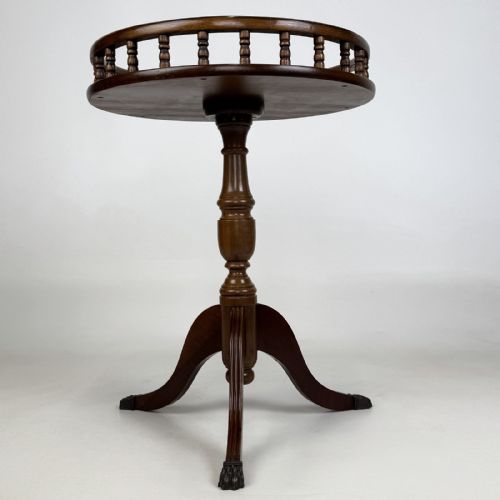
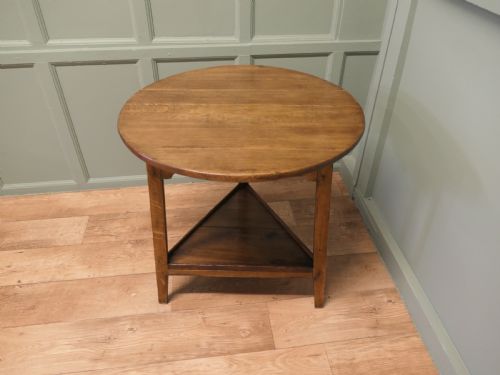
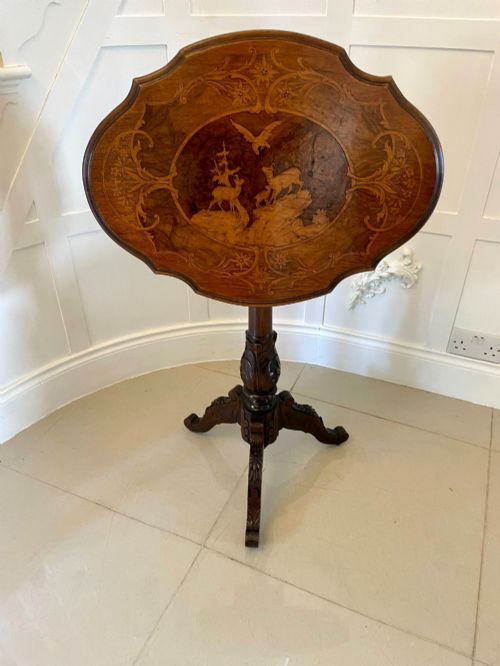
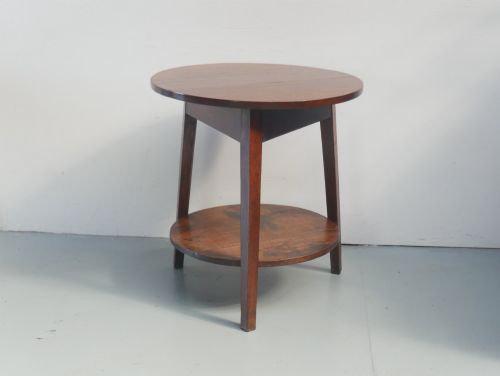
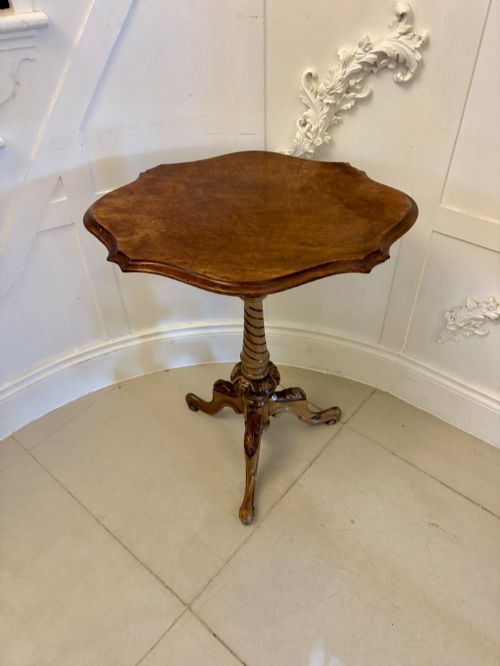
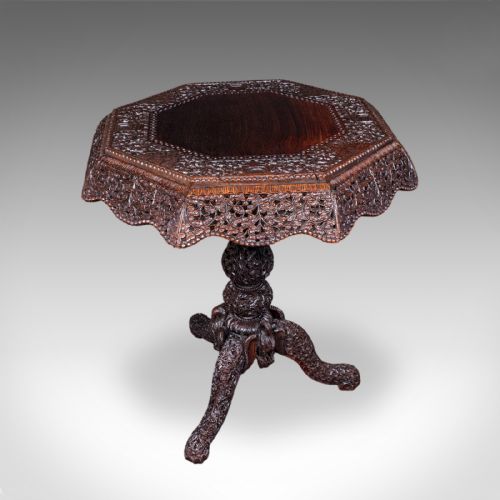
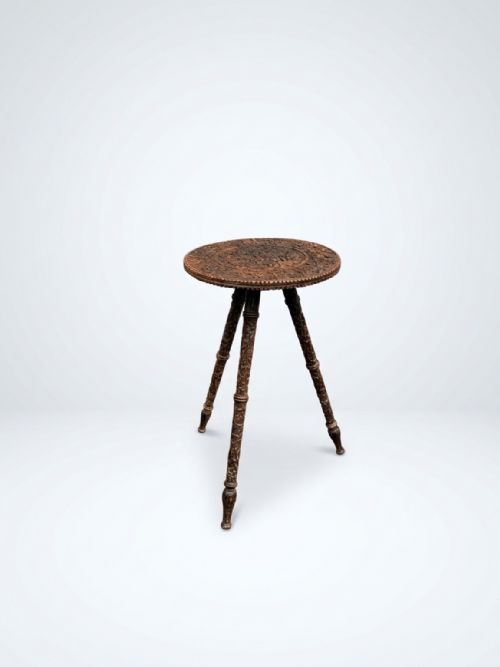
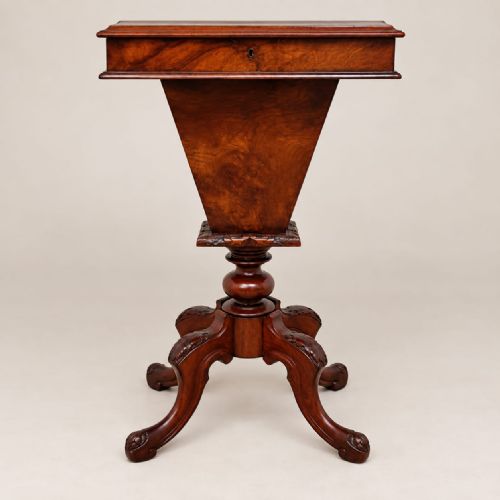
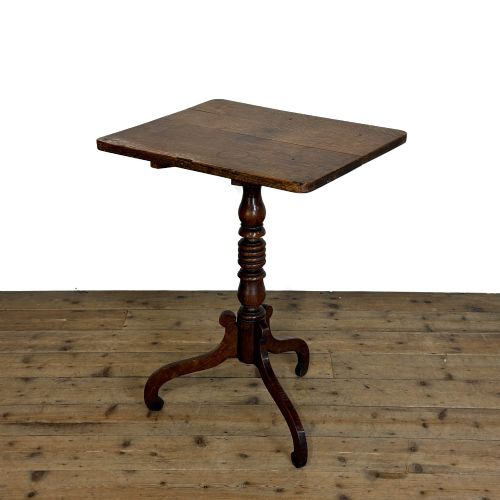
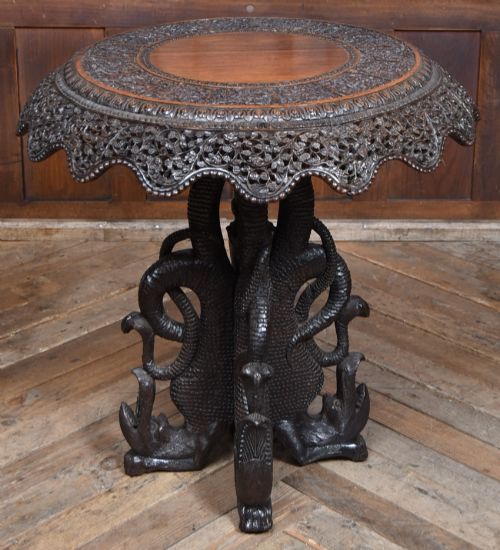
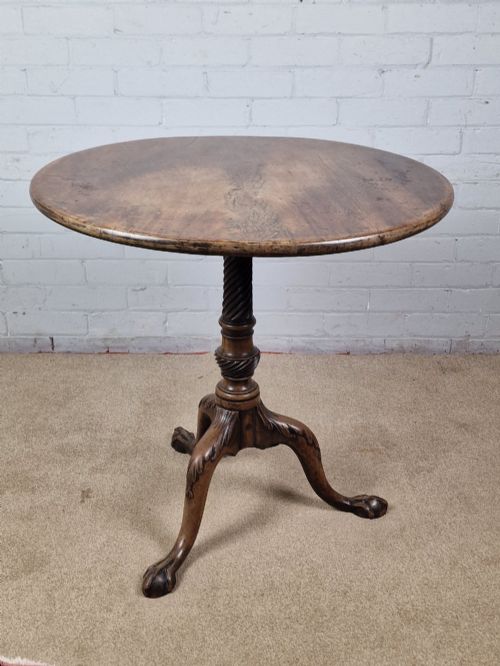
A brown tripod accent table appears across several centuries of domestic furniture, most frequently in 19th-century and Georgian forms designed for specific domestic tasks. Examples on this page range from early 18th-century elm and oak cricket tables to elaborate Victorian marquetry lamp tables and Burmese carved occasional pieces.
The dominant forms include wine tables, tilt-top pedestals, and compact side tables utilising native woods like oak, mahogany, and walnut alongside exotic timbers such as teak and burr walnut. Buyers encounter both utilitarian English country pieces and decorative continental or Anglo-Indian imports.
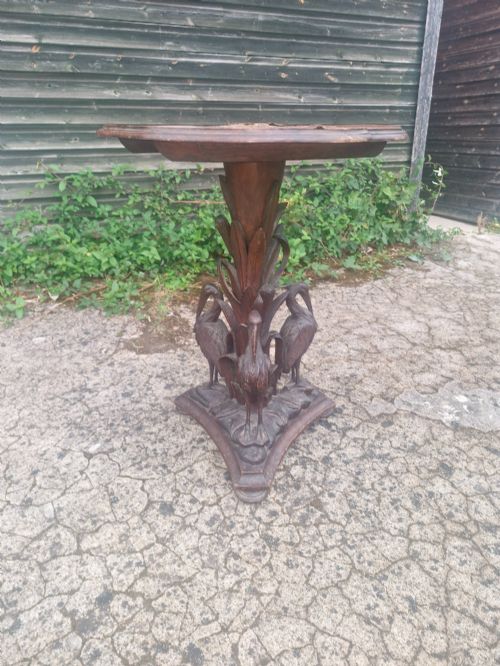
Regional variations span plain provincial oak tripod stands to highly ornate Italian Sorrento ware, Swiss Black Forest carvings, and intricate Hoshiarpur tables, demonstrating how different workshops adapted the basic three-legged format.
Construction and timber choice
Cabinetmakers constructed these tables using solid hardwoods, primarily oak, mahogany, and walnut, often selecting figured veneers like burr walnut or olive and satinwood for decorative table tops. Turning lathes shaped slender central pillars, whilst traditional joinery secured the three splayed legs to the central column.
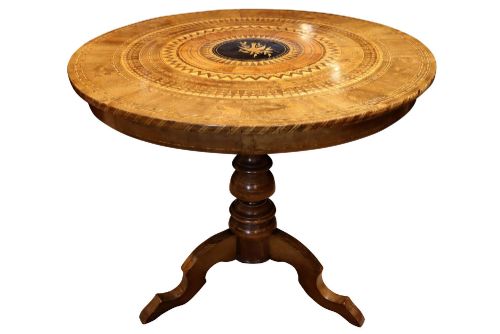
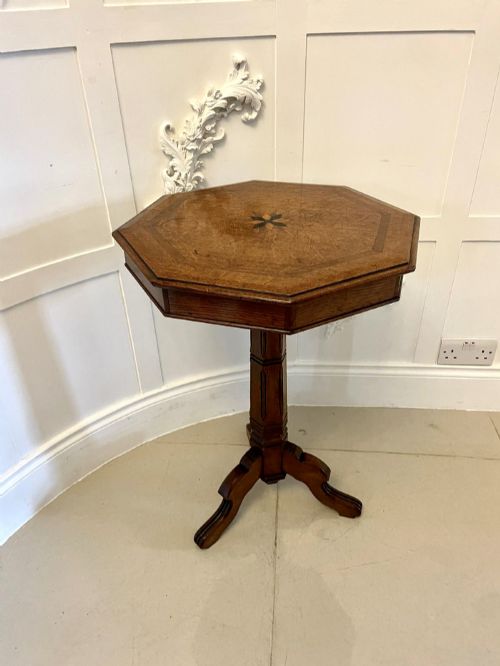
Surface decoration frequently involved marquetry and parquetry inlays, penwork decoration, or deep hand-carving executed in woods such as teak and fruitwood. Tilt-top mechanisms relied on precision-fitted wooden catches and brass fittings to allow table tops to fold flat when not in use.
Some tables feature secret star-shaped tops or intricate Black Forest carvings of woodland creatures.
Distinctions in construction and design
Quality separates tables built with structural integrity and choice timber selections from simpler utilitarian items, visible in the stability of the tripod base and the grain of the wood. Superior pieces exhibit precise hand-cut joinery, crisp carving, and well-matched veneer work rather than plain secondary woods.
The refinement of the central column turning and the harmonious proportion between the top and the splayed legs distinguish standard production items from exceptional workshop examples, particularly in regional furniture where timber choice and age dictate desirability.
The Brown Tripod Accent Table Glossary
- Cricket table
- A small, three-legged wooden table originating in English vernacular furniture, traditionally constructed with an oak top and three splayed legs.
- Tilt-top table
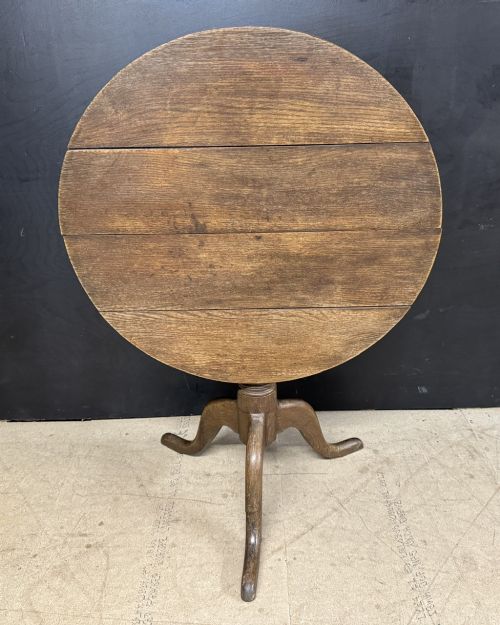
- A pedestal table featuring a hinged mechanism that allows the top to rotate and rest vertically against the central column for storage.
- Marquetry
- The art of applying decorative pieces of veneer to a structure to form intricate patterns and pictorial designs.
- Parquetry
- A geometric mosaic of wood pieces used for decorative floors or table tops, creating regular patterns like squares or chequers.
- Pedestal table
- A table supported by a single central column rising from a base, often terminating in three or more feet.
Brown Tripod Accent Table: Frequently Asked Questions
What is a brown tripod accent table used for?
These small tables serve as convenient surfaces for lamps, drinks, or decorative objects placed beside chairs and sofas in living spaces.
Historically, specific variations like wine tables and work tables were built for holding glasses or sewing equipment during social gatherings.
How do I date an antique wooden tripod table?
Dating relies on examining the timber species, construction joints, tool marks, and the style of the central turning and leg configuration.
Earlier 18th-century pieces often show simpler hand-planed surfaces in solid oak or elm, whilst Victorian examples frequently incorporate elaborate veneers or carved decoration.
Are tilt-top mechanisms original on these tables?
Most tilt-top mechanisms on period tables utilise original wooden catches, birdcage fittings, or iron pivots that match the age of the timber frame.
Closer inspection of the pivot area reveals whether the block and hinge assembly shares the same wear and wood species as the rest of the pedestal.
How do I care for a polished wood accent table?
Routine maintenance involves dusting with a soft, dry cloth and avoiding direct sunlight or excessive moisture that can damage antique French polish or wax finishes.
Applying a quality beeswax periodically helps preserve the lustre and moisture barrier of hardwoods like mahogany, walnut, and oak.