
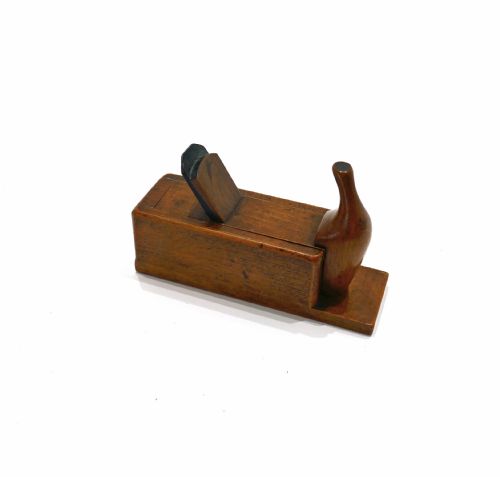


Brown Treen Collectibles
Brown treen collectibles are small wooden household and personal items from past centuries, offering tactile everyday utility and charming folk character that collectors treasure.
Brown Treen Collectibles
Most pieces you meet on this page are practical utilitarian articles transformed by craft into pleasing household companions. These range from snuff boxes and nutcrackers to mortars, pestles, and butter prints.
Makers shaped these utilitarian objects using traditional turning and carving methods. The resulting forms reflect regional vernacular traditions, folk art sensibilities, and the daily requirements of historical households.
How they were made
Craftsmen utilised a variety of dense hardwoods selected for durability and grain pattern. Common materials recorded in the evidence include fruitwood, boxwood, walnut, yew-wood, and general turned wood.
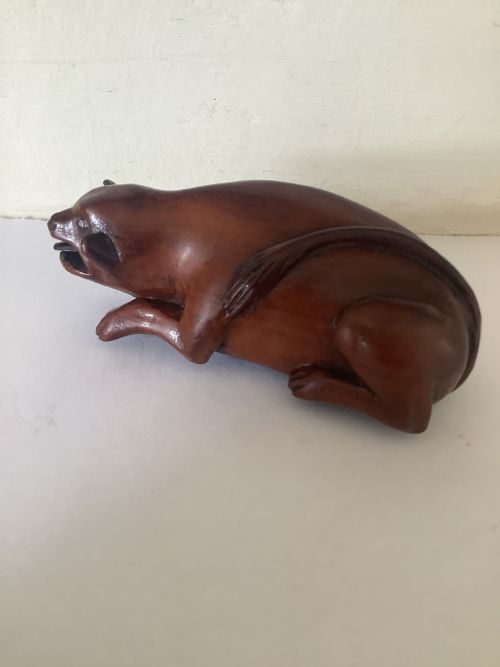
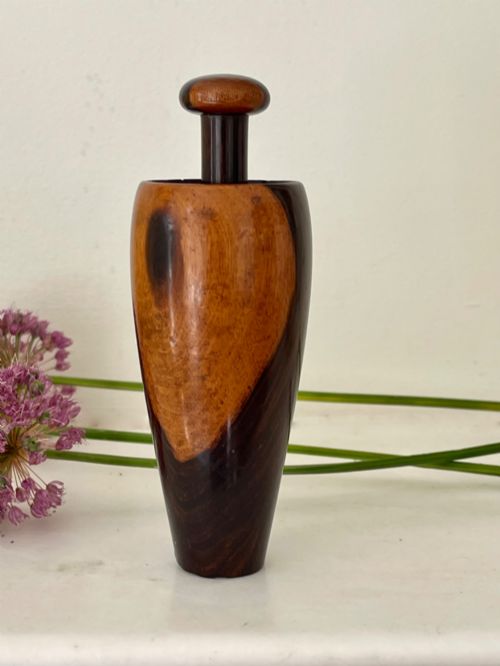
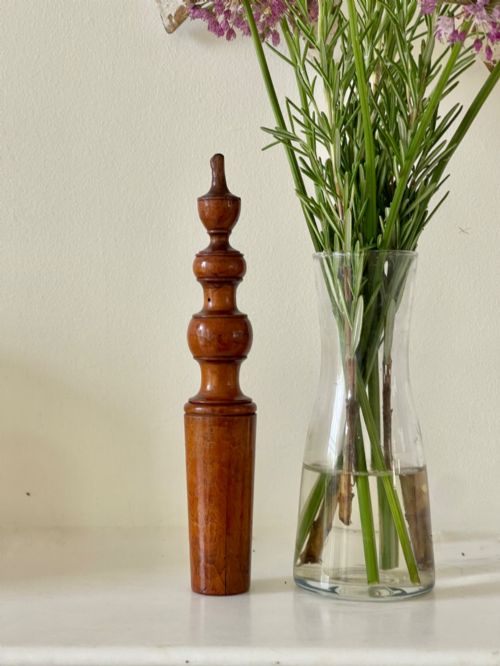
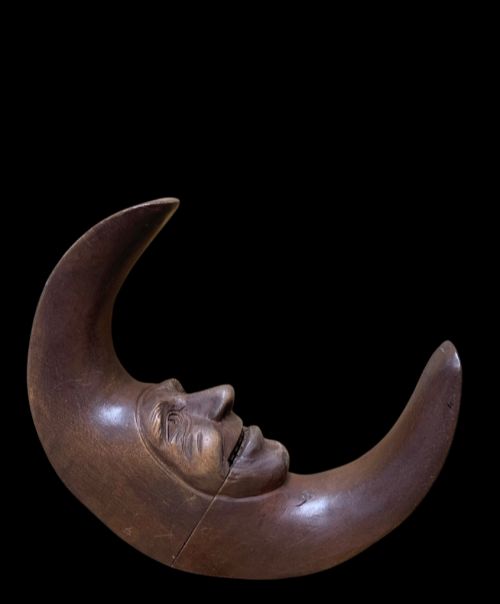
Articles were shaped primarily on a lathe or worked by hand with gouges and knives. Turning produced symmetrical barrels, bowls, and rattles, while hand carving achieved expressive figurative shapes such as squirrels, acorns, and the man in the moon.
Someone carved a nutcracker to resemble the man in the moon, proving that Georgian and Victorian practical tools could possess a whimsical sense of humour.
What varies in quality
Patina and surface preservation heavily influence the character of a piece. Items retaining original warm patination and honest handling wear demonstrate a more desirable historical presence than heavily refinished or over-cleaned surfaces.
The Brown Treen Collectibles Glossary
- Treen
- Small handmade wooden objects for domestic and personal use. The word derives from the old English term for tree.
- Snuff box
- A small pocket-sized container designed to hold powdered tobacco. These often take clever miniature shapes such as books, wood planes, or animals.
- Mortar and pestle
- A bowl and grinding tool used in apothecary and kitchen settings to crush spices, medicines, or dry ingredients.
- Butter print
- A carved wooden stamp used to impress decorative patterns onto pats of homemade butter. Common motifs include wheat ears and acorns.
- Bilboquet
- A traditional cup and ball game requiring players to catch the ball on a spike or in a cup.
Brown Treen Collectibles: Frequently Asked Questions
What is treen?
Treen encompasses small, useful wooden objects created before mass manufacturing became common. These utilitarian items served everyday functions in domestic, agricultural, and professional life.
Over decades of handling and use, these wooden pieces acquire a rich, warm surface appearance known as patina, which sets them apart from modern imitations.
How were these wooden items used?
Historical households relied on these wooden tools for kitchen preparation, personal grooming, medical mixing, and home entertainment. Objects such as spice grinders, mortar vessels, and butter stamps performed daily chores.
Other items served leisurely or recreational purposes, including children's rattles, puzzle toys, and novelty nutcrackers shaped like animals or human figures.
How do I care for antique wood?
Keep antique wooden objects away from direct heat sources, radiators, and strong sunlight to prevent the timber from drying out, warping, or splitting over time.
Maintain the surface by dusting gently with a dry cloth, avoiding modern chemical polishes, and preserving the natural historical dry finish or waxed patina.
How can I tell the period?
Dating relies on observing tool marks left by manufacturing methods, such as early lathe work or hand-carving techniques, alongside the specific style of the object. Georgian and Victorian eras exhibit distinct design characteristics.
Material choice and the natural wear patterns accumulated through active domestic use over the centuries also help establish the approximate age of a piece.