


Vintage Dairy Antiques
These vintage dairy antiques are hard-wearing working vessels and furnishings shaped by rural life, prized for honest utility and warm rustic character.
Vintage Dairy Antiques
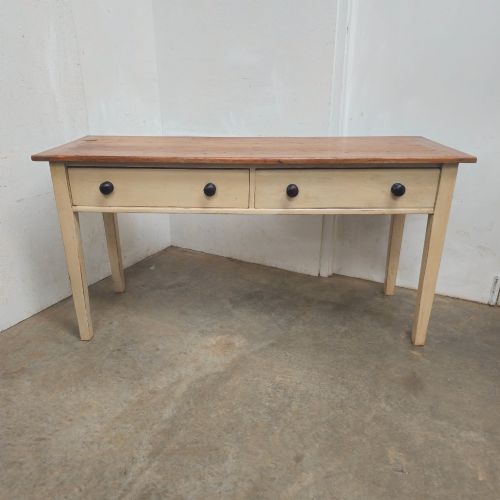
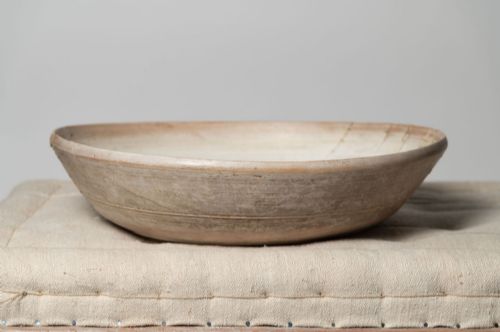
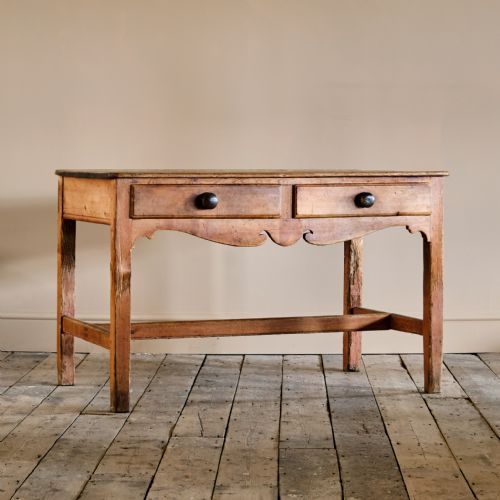
Vintage dairy antiques comprise practical utensils and furniture originating from farmhouses and dairies across the nineteenth and early twentieth centuries. When searching for vintage dairy antiques, buyers encounter utilitarian forms including sycamore bowls, pine prep tables, butter churns, and terracotta crocks.
How they were made
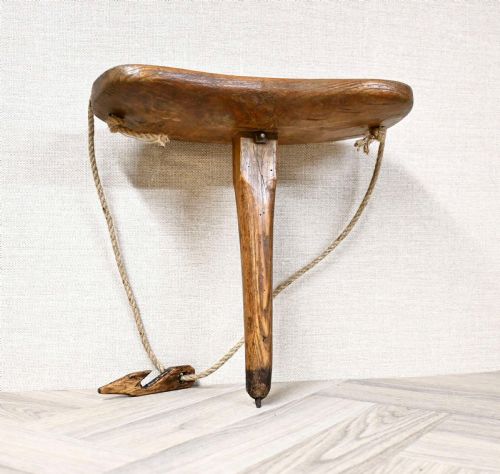
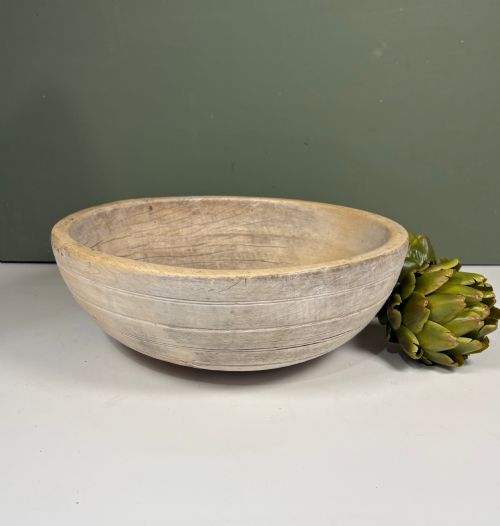
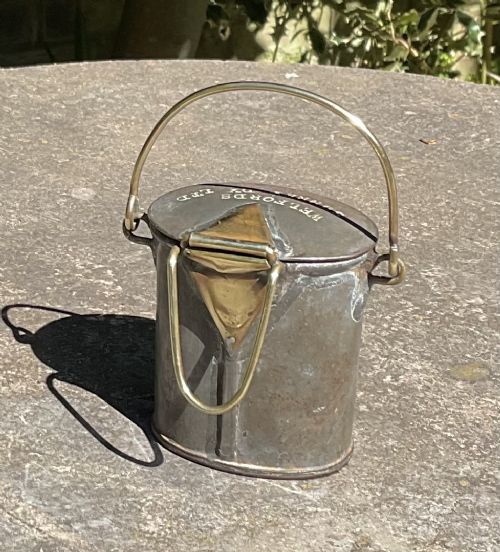
Makers shaped bowls and scoops from native timbers like sycamore, beech, and pine, often turning wood on a lathe or hollowing blocks by hand. Iron, brass, and copper provided durable hardware for skimmers, pails, and pans.
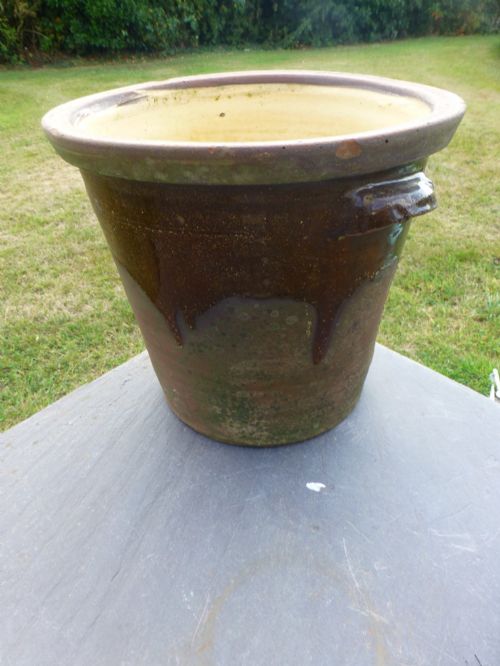
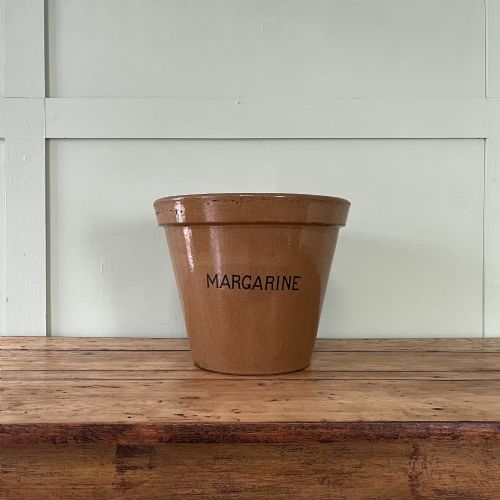
Potters utilised terracotta, ironstone, creamware, and slip glaze to form impermeable vessels for milk, cream, and butter processing. Carpenters constructed sturdy tables, dressers, and churn stands using solid oak and pine.
What varies in quality
Quality rests in the integrity of the material and the survival of original surfaces, such as aged paint or warm wood patinas. Pieces retaining distinct maker marks, crisp butter print carvings, or original brass hardware stand apart from heavily altered examples.
Proportion and functional design dictate the desirability of larger items like cheese press tables, dressers, and shoulder yokes. Finely turned rims on sycamore bowls and well-preserved glazes on earthenware crocks indicate superior historical manufacture.
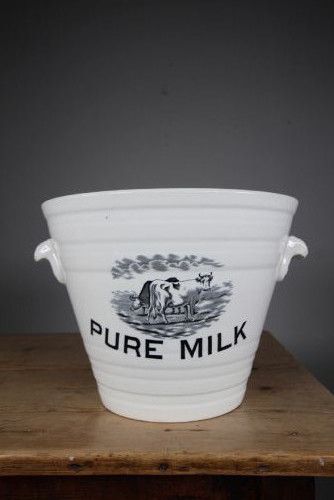
Copeland·Welfords Surrey Dairy
The Vintage Dairy Antiques Glossary
- Treen
- Small handmade wooden household objects and utensils. Sycamore dairy bowls and butter prints fall into this category.
- Cream skimmer
- A shallow utensil used to remove cream from the top of set milk. These appear in brass and copper.
- Shoulder yoke
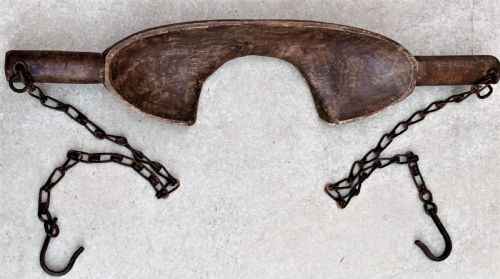
- A carved wooden wooden harness worn across the shoulders to carry water or milk pails. Examples are shaped from beech.
- Butter print
- A carved wooden stamp used to impress decorative motifs like wheat or acorns onto butter. These are typically carved from sycamore.
- Salting crock
- A heavy earthenware or terracotta vessel used for food preservation and pickling. They often feature protective glazes.
- Slip glaze
- A liquid clay coating applied to pottery before firing to create a smooth, waterproof surface. It is common on regional country bowls.
Vintage Dairy Antiques: Frequently Asked Questions
What were sycamore dairy bowls used for?
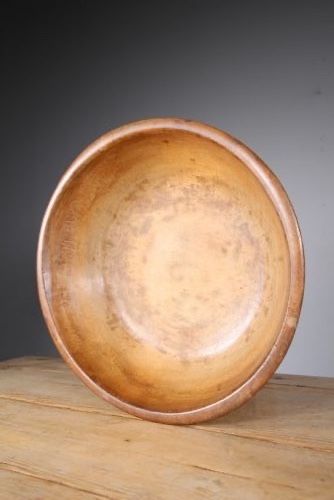
Sycamore dairy bowls served as primary vessels for setting milk and allowing cream to rise to the surface. Their close-grained wood resisted liquid absorption and remained hygienic for daily farm use.
After skimming the cream, workers utilised these same wooden bowls for washing, working, and storing butter. Their gentle slopes protected the soft dairy fats during processing.
How do I clean antique treen dairy bowls?
Antique treen requires minimal intervention, needing only a gentle wipe with a damp cloth and immediate drying. Harsh detergents and soaking will strip the historic patina and cause the timber to split.
Applying a light coat of food-safe mineral oil or beeswax periodically helps nourish dry sycamore. This protective layer maintains the warm sheen developed over centuries of use.
Where were dairy antiques made?
Dairy antiques originated on working farms, in rural homesteads, and at regional potteries across Britain and Scandinavia. Local craftsmen utilised accessible materials like native pine, sycamore, and local clays.
Specific regional traditions emerged, such as Welsh sycamore scoops, North Country slip glaze bowls, and Scandinavian pine butter churns. Each area adapted designs to suit local dairy farming practices.
How do I date a dairy table?
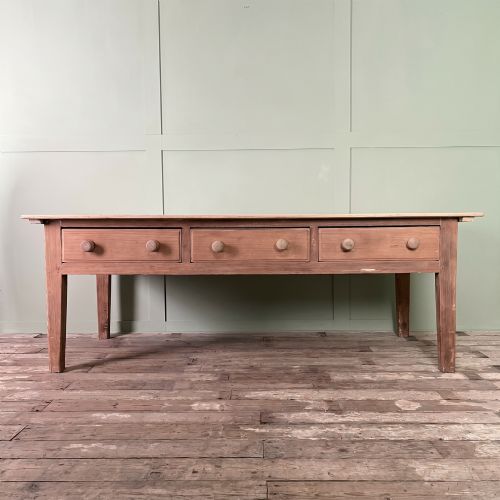
Dating a dairy table involves examining the construction methods, tool marks, and timber shrinkage visible on the pine or oak frame. Hand-sawn boards and pegged joinery typically indicate nineteenth-century or earlier origins.
Scrutinising the wear patterns on the working surface reveals how heavily the piece was utilised. Scrubbed pine tops with deep grain relief often point to decades of daily dairy work.