
Brown Tone Canvas Art
Brown tone canvas art brings warmth and depth to a room through traditional oil paintings rendered on stretched fabric.
Brown Tone Canvas Art
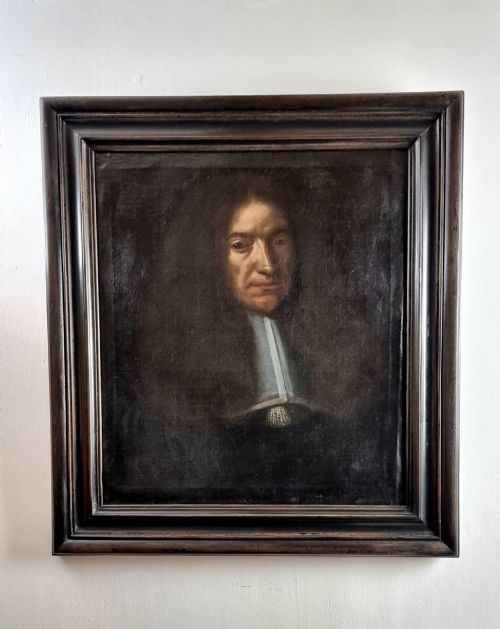
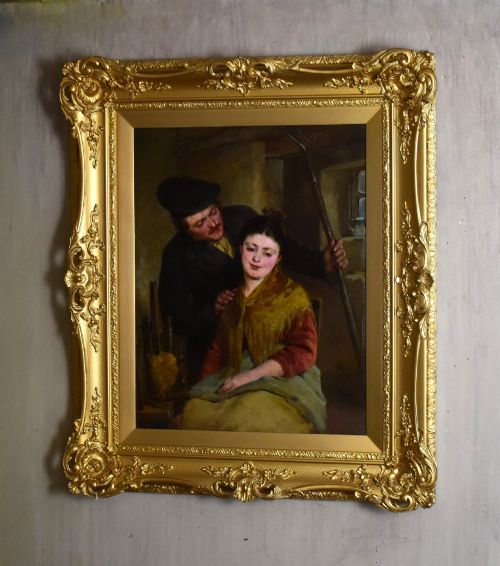
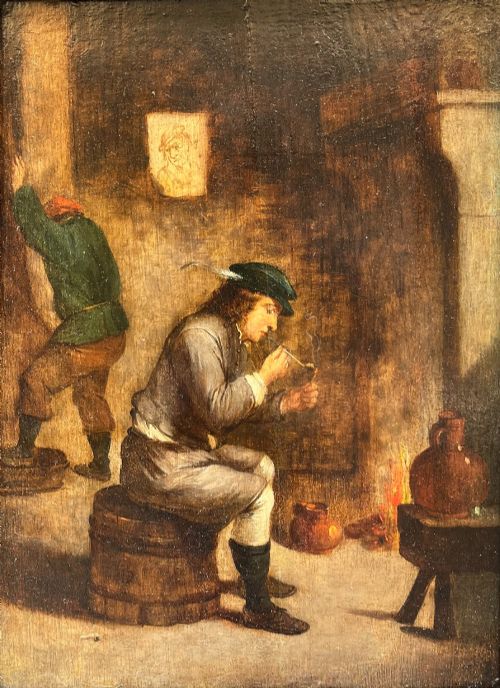
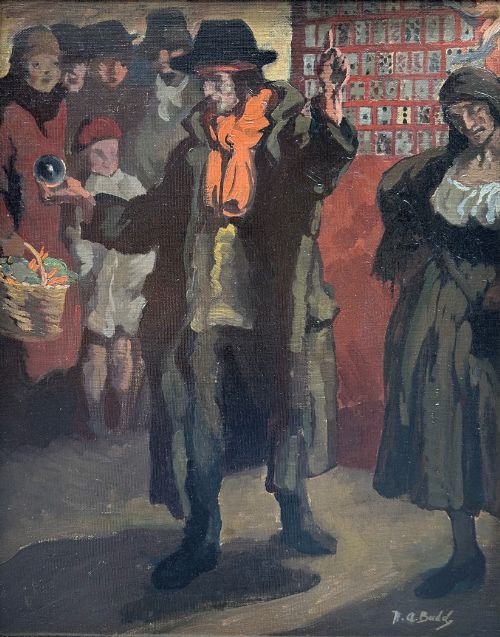
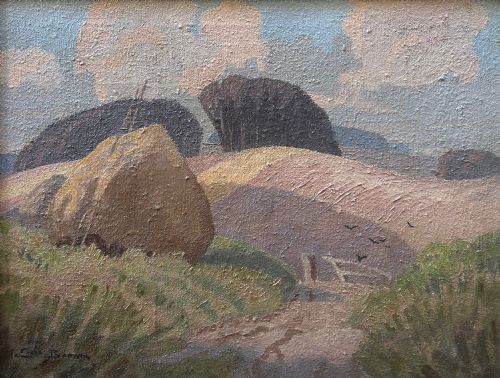
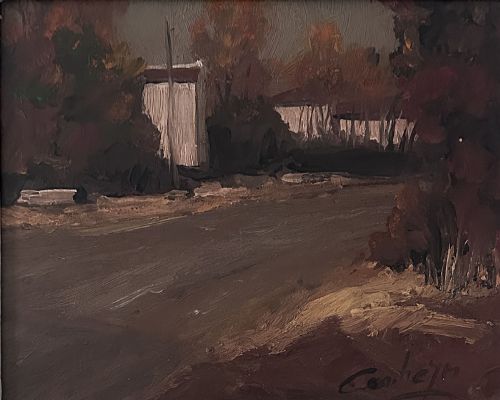
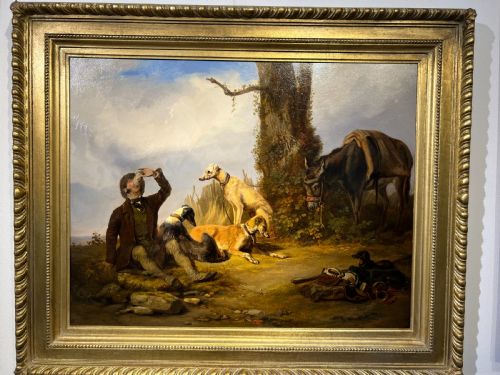
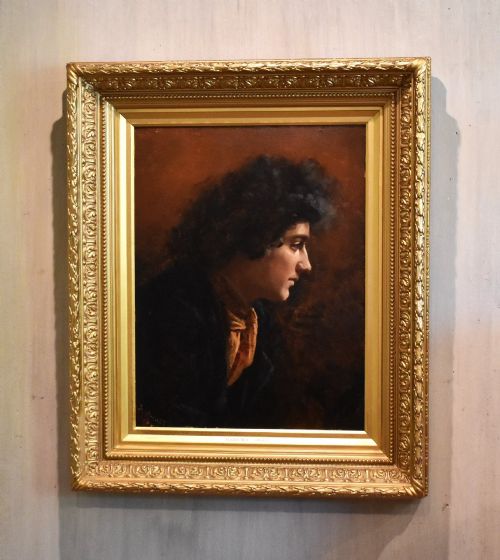
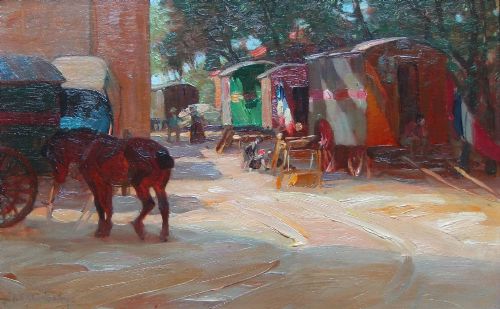
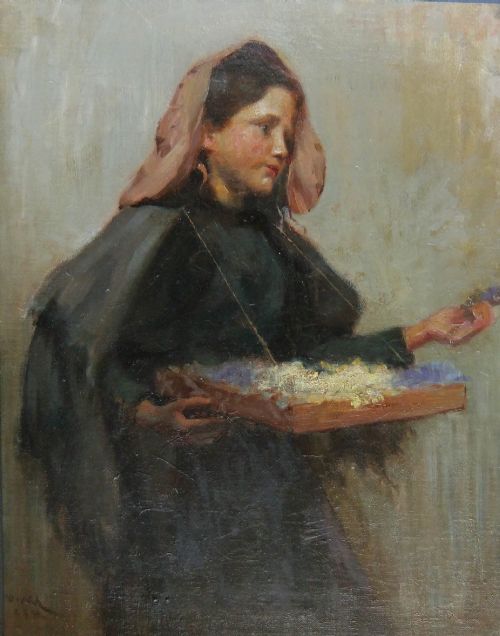
When you search for brown tone canvas art, you encounter oil paintings spanning the eighteenth, nineteenth, and twentieth centuries. These works predominantly capture landscapes, portraits, genre scenes, and pastoral life with subdued, earthy palettes.
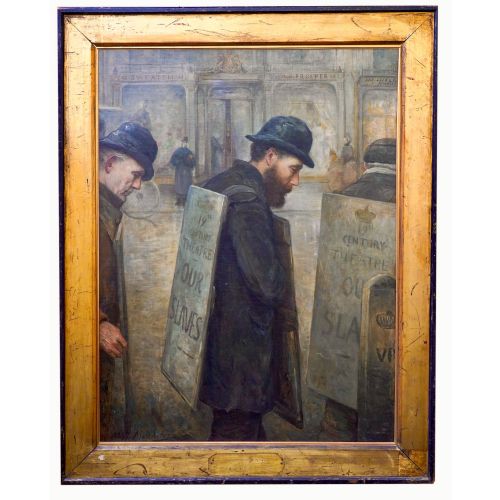
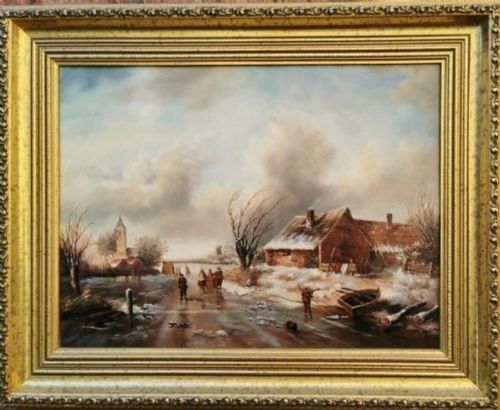
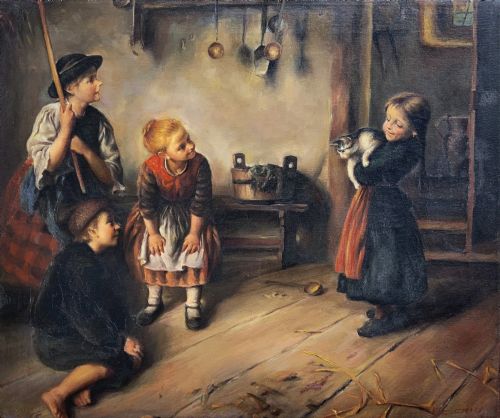
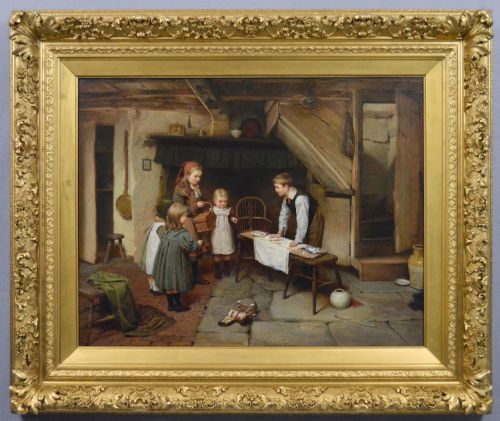
The selections on this page lean heavily toward nineteenth-century realists, Victorian social history pieces, and mid-century interpretations. Subjects range from rural farmyards and winter landscapes to intimate character studies.
Most entries utilise traditional stretched canvas or board as a base for oil paint, often housed within period wooden frames. The unifying characteristic across these varied eras is a deep, warm chromatic range dominated by umbers, siennas, and ochres.
How they were made
Artists built these works using oil paint applied to prepared canvas or wooden board, frequently employing layered glazes to achieve rich, luminous depths. Wood served primarily for structural stretchers or occasional panel supports, while the paint itself relied on ground pigments mixed with drying oils.
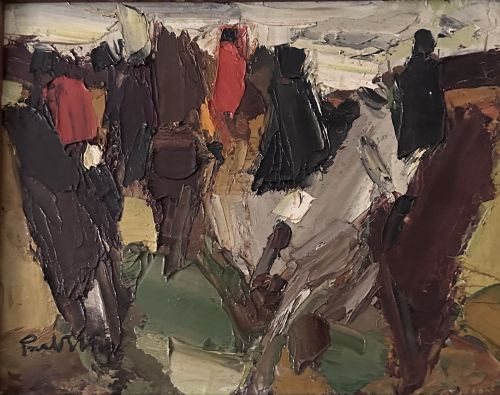
Techniques varied from smooth, controlled academic brushwork to thicker impasto applications seen in later twentieth-century pieces. The materials remained largely consistent across the periods, prioritising durability and a stable ground for organic pigments.
Brown Tone Canvas Art Retail Price Guide 2026
Typical asking prices for brown tone canvas art among the pieces listed under this phrase on Sellingantiques today, from the lower quarter to the upper quarter. They describe what is for sale here now, not the wider market.
Listings span from the 18th century through to the 1960s, featuring oil on canvas, oil on board, and wood.
What varies in quality
Quality rests upon the handling of light, anatomical precision, and the confidence of the brushwork. Superior examples demonstrate a strong command of tone that unifies the composition without relying on excessive detail.
Felix Stone Moscheles·Sir Edwin Henry Landseer·John Frederick Herring·Herbert Ashwin Budd·Vincenzo Irolli
The Brown Tone Canvas Art Glossary
- Canvas
- A heavy woven fabric used as a surface for oil painting. It is typically stretched tightly over a wooden frame before application.
- Impasto
- A technique where paint is laid on an area of the surface in very thick layers, usually thick enough that the brush or painting-knife strokes are visible.
- Genre painting
- The pictorial representation in art of scenes or events from everyday life, typically depicting domestic settings or ordinary people.
- Glaze
- A thin, transparent or semi-transparent layer of paint applied over a dry or semi-dry layer to alter the colour and depth of the underlying work.
Brown Tone Canvas Art: Frequently Asked Questions
How do I care for an old oil painting?
Keep the canvas away from direct sunlight and damp conditions to prevent the paint from cracking or fading over time. Dust gently with a soft, dry brush without applying pressure to the surface.
Avoid using water or chemical cleaners on the paint layer or the wooden frame. Professional conservation is recommended if the canvas requires deeper cleaning or structural repair.
What subjects are common in these paintings?
Rural landscapes, farmyard scenes, and traditional portraits appear frequently across these historical works. Artists often focused on everyday human activities, animals, and moody natural environments.
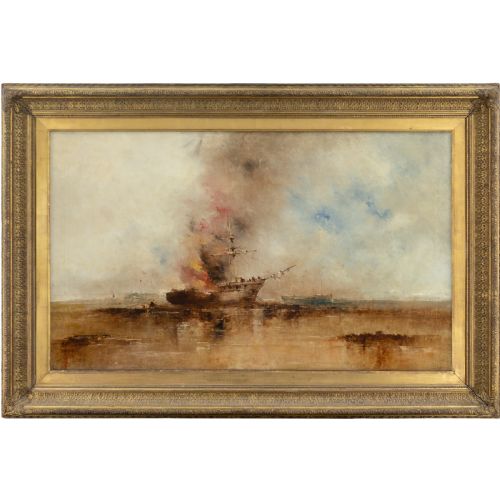
Industrial scenes and maritime disasters also surface among nineteenth-century examples. The shared thread remains a deep, earthy palette that grounds each composition.
Are all these pieces on stretched canvas?
While the majority of works utilise traditional canvas stretched over wooden frames, several examples employ rigid wooden boards as a painting support. Both methods were standard practice across the eighteenth, nineteenth, and twentieth centuries.
The choice of support often relates to the scale of the piece and the preference of the individual artist. Each material provides a stable ground for the oil pigments used to create these brown tone artworks.
How can I tell the age of a painting?
Dating relies on examining the style of the brushwork, the clothing and subjects depicted, and the materials used for the canvas and stretcher frame. Signatures, artist records, and historical exhibition labels provide further chronological markers.
Subtle indicators like the ageing of the oil paint and the construction of the wooden frame help narrow down the decade or century. Comparing the piece to documented works by the same artist confirms the timeline.