
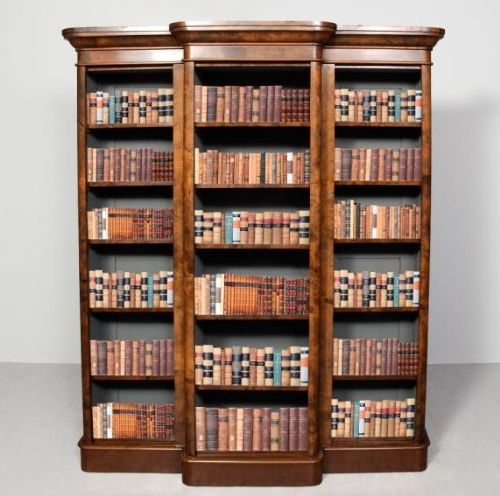


Brown Timber Shelving Unit
A brown timber shelving unit brings warmth and architectural order to a room, offering practical display for books and cherished objects.
Brown Timber Shelving Unit
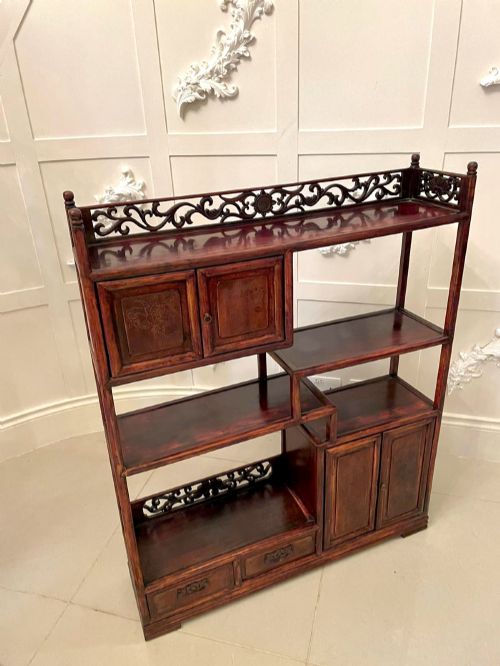
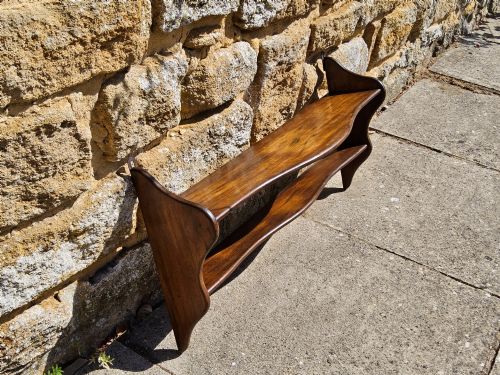
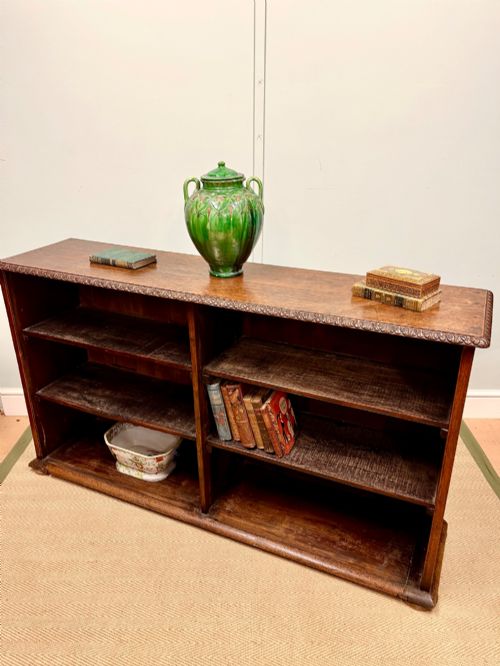
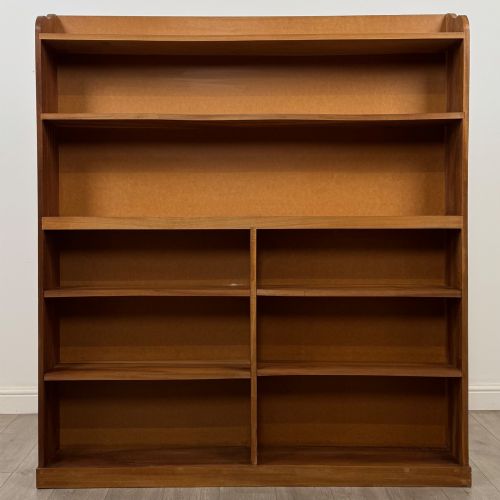
A brown timber shelving unit encompasses open bookcases, wall shelves, display cabinets, and whatnots spanning the nineteenth and early twentieth centuries. These pieces function as versatile storage and display furniture within domestic interiors.
The version most commonly met on this page is the nineteenth century bookcase, often fashioned from walnut or oak and featuring adjustable shelving or open compartments.
Makers and craftsmen of these periods also utilised teak, mahogany, pine, and burr walnut to create functional storage solutions ranging from diminutive dwarf bookcases to large breakfront configurations.
Materials and construction methods
Cabinet makers of the Victorian and Edwardian eras relied on dense hardwoods such as oak, walnut, and mahogany, frequently selecting burr walnut veneers for decorative surfaces. Softwoods like pine appear in painted or secondary applications.
Construction techniques include hand-carved details, inlaid sections, and traditional joinery designed to support heavy volumes and display items over generations.
Discerning quality in timber storage
Quality in a brown timber shelving unit rests upon the selection of timber figures, such as figured burr walnut or substantial oak, alongside the precision of inlaid work and carved embellishments. Finer examples display careful timber matching across expanses and doors.
The integrity of the internal structure, including adjustable shelving mechanisms and solid backboards, separates standard utility furniture from pieces produced with elevated craftsmanship.
The Brown Timber Shelving Unit Glossary
- Bookcase
- A piece of furniture consisting of horizontal shelves used for storing books. These range from open formats to glazed display cabinets.
- Whatnot
- A multi-shelved piece of standing furniture used for displaying ornaments or books. They typically feature tiered platforms supported by slender columns.
- Breakfront
- A large cabinet or bookcase where the central section projects forward from the flanking wings. This architectural arrangement creates depth and visual interest.
- Burr walnut
- Wood taken from a walnut tree growth where the grain has swirled and burls formed. It is prized for its decorative, highly figured appearance on cabinet doors and panels.
Brown Timber Shelving Unit: Frequently Asked Questions
Where should I place a brown timber shelving unit?
These pieces suit studies, living rooms, and hallways where books or display items require organisation. Open versions provide easy access, while glazed or cabinet variants protect sensitive volumes.
Ensure the unit is positioned away from direct heat sources to protect the timber and veneers from drying out over time.
How do I care for antique timber shelves?
Dust the wood regularly with a soft, dry cloth to prevent particulate buildup on the finish. Avoid silicone-based sprays, opting instead for traditional beeswax applied sparingly.
Keep the humidity in the room stable to prevent the timber from warping or splitting.
Are the shelves adjustable?
Many nineteenth and early twentieth century bookcases feature adjustable shelves supported by wooden pegs or metal tracks. This allows the interior height to be tailored to different book sizes.
Simpler or earlier pieces may have fixed shelving integrated directly into the structural frame.
How do I identify a Victorian bookcase?
Victorian pieces frequently utilise dense hardwoods like walnut, oak, and mahogany, often displaying deep grain patterns or subtle hand-carved details. Construction methods rely on heavy timber framing and traditional joinery.
Proportions tend to be sturdy and functional, reflecting the domestic requirements of the nineteenth century.