


Brown Timber Relief Carving
These brown timber relief carving pieces bring centuries of sculptural depth into a room through panels, plaques and architectural fragments.
Brown Timber Relief Carving
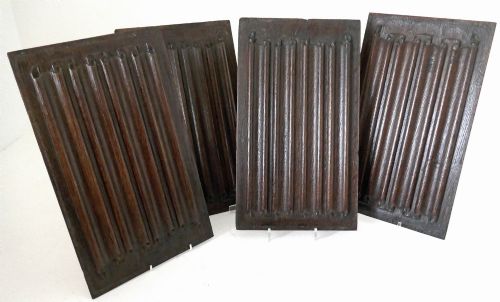
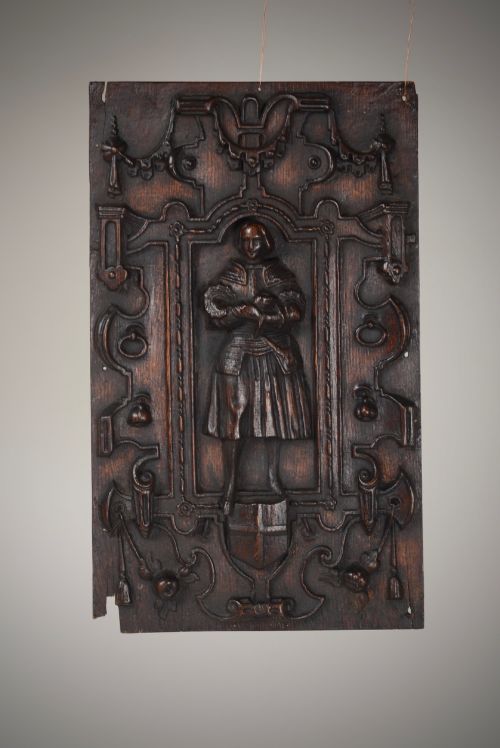
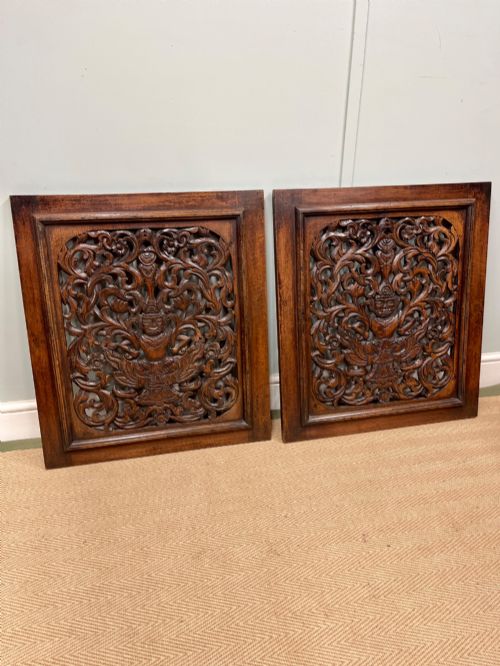
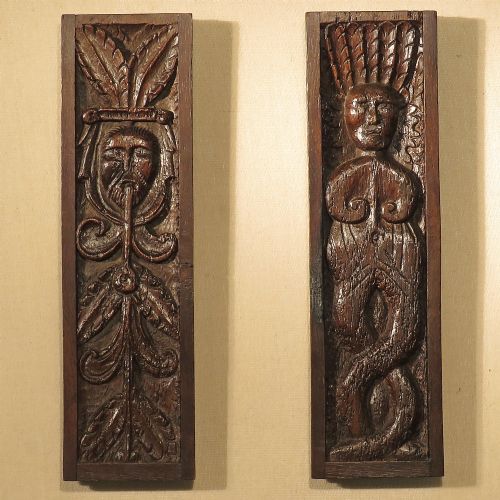
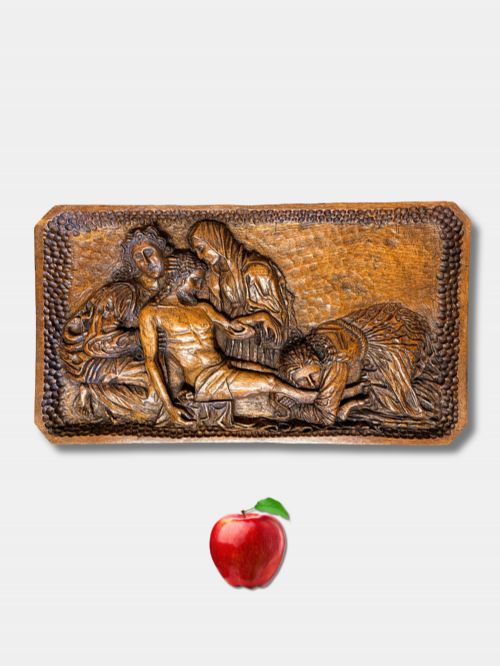
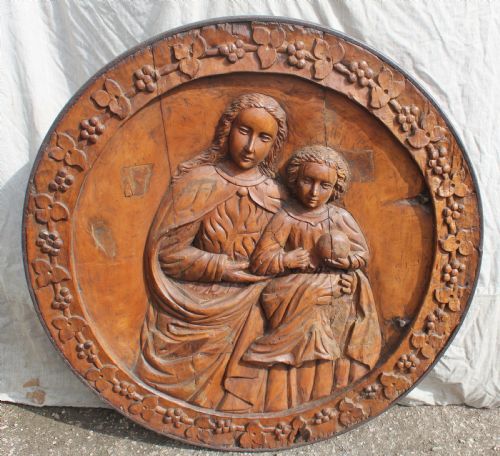
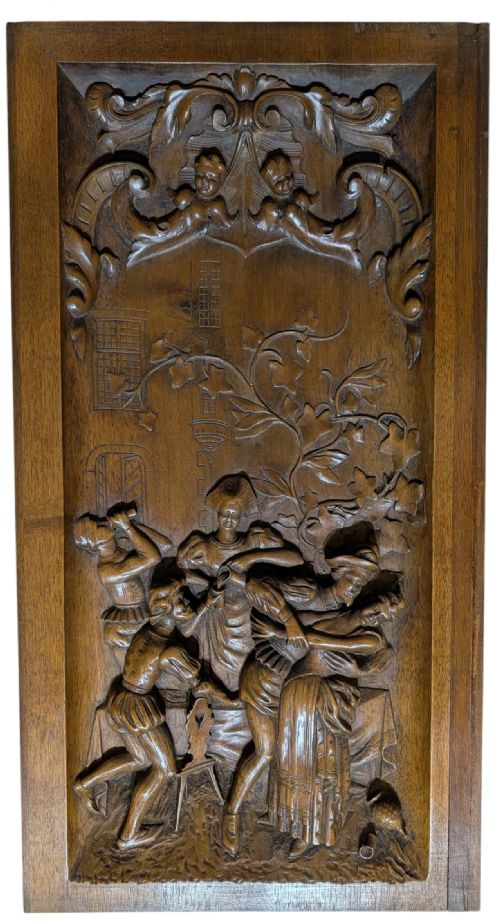
When searching for brown timber relief carving, a buyer encounters a diverse group of objects dominated by wall panels, plaques and architectural salvage. These works range from sixteenth century linenfold panels and seventeenth century figural carvings to nineteenth century European and Asian wall sculptures.
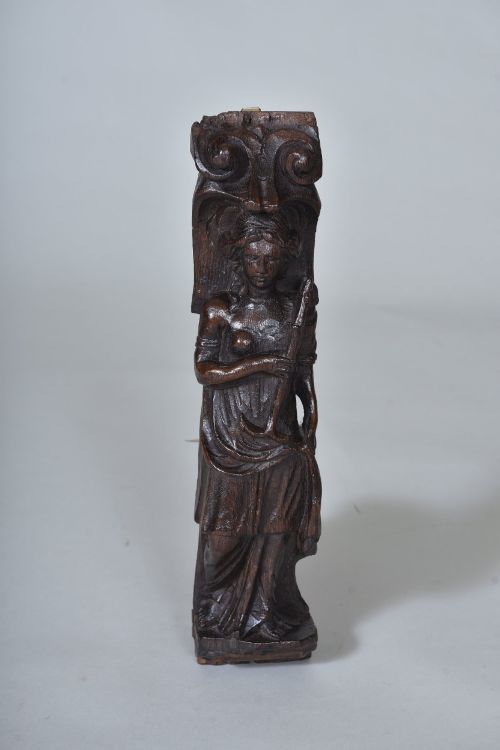
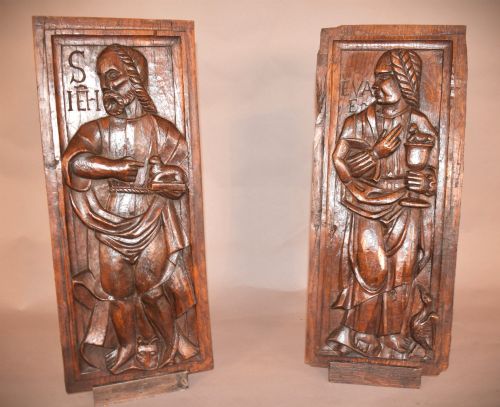
The pieces on this page appear in various timber forms, including oak, walnut, chestnut and exotic hardwoods. Architectural fragments, ceiling bosses, religious reliefs and hunting scenes form the core of the selection available to collectors.
How they were made
Carvers shaped these works using hand chisels and gouges directly into dense woods such as oak, walnut and chestnut. The execution relies on deep undercutting and relief moulding to create shadow and three-dimensional perspective within the timber.
Many items originated as architectural elements from staircase panels, church screens and furniture framing before being adapted into standalone wall plaques. Natural grain patterns and patination develop over centuries of handling and exposure.
Materials represented across the selection include traditional European oak and walnut alongside exotic hardwoods and fruitwood.
What varies in quality
The standard of a brown timber relief carving rests entirely upon the precision and confidence of the hand work. Superior examples demonstrate crisp undercut details, anatomical accuracy in figural subjects and well-balanced composition.
Depth of relief and condition of the original timber surface dictate the standing of a piece. Finer items retain their crisp edges and original tool marks, whereas lesser examples show softening from heavy wear or later sanding.
Edward Pearce
The Brown Timber Relief Carving Glossary
- Relief
- A sculptural technique where the figures project from a flat background. High relief elements stand almost entirely free from the timber plane.
- Linenfold
- A style of wood panel moulding carved to resemble folded cloth. This decorative motif appears frequently on early sixteenth century pieces.
- Ceiling Boss
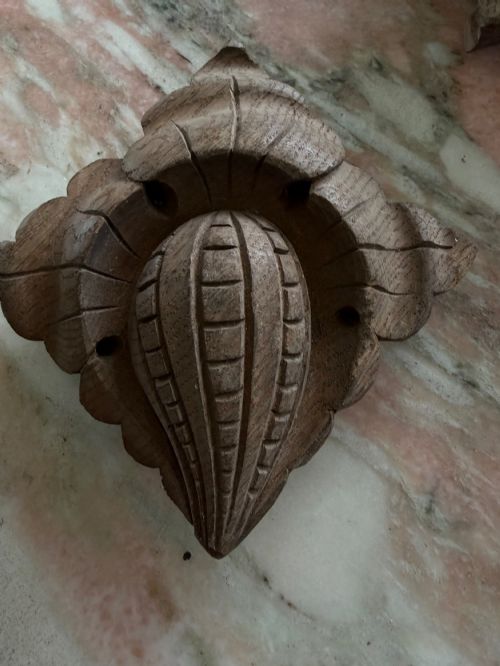
- A projecting block of carved timber placed at the intersection of ceiling ribs. These architectural elements often feature floral or figural motifs.
- Corbel
- A structural piece of stone or timber projecting from a wall to support a weight. Carved wooden versions often take human or grotesque forms.
- Acanthus
- A carved ornamental leaf motif derived from Mediterranean flora. This pattern dominates baroque and renaissance revival architectural woodwork.
Brown Timber Relief Carving: Frequently Asked Questions
How do I hang a heavy timber panel safely?
Heavy carved panels require secure wall fixings anchored directly into studs or masonry rather than drywall alone. Metal brackets or concealed french cleat systems distribute the weight evenly across the timber frame.
Position the panel at eye level to appreciate the depth of the relief work. Avoid placing wooden carvings in areas subject to direct heat sources or rapid humidity fluctuations.
What is the difference between high and low relief?
High relief carving projects significantly from the background plane, with figures often half or more out of the flat surface. Low relief, or bas-relief, stays closer to the background with shallower depth.
Both methods appear across different centuries and regional workshops. High relief creates stronger shadow play and greater visual weight on a wall.
How should I clean antique wood carvings?
Dust carved wooden surfaces gently using a soft, dry brush to reach into the crevices of the relief. Avoid chemical polishes, oils or wet cloths that can penetrate unsealed grain and damage the historic patina.
Stable indoor humidity preserves the timber and prevents the splitting often caused by dry radiator heat. Periodic inspection of the back of the panel ensures the wood remains sound.
Can I date a panel by its wood type?
Oak and chestnut predominate in early European carvings from the sixteenth and seventeenth centuries. Walnut and various imported hardwoods become more common in later baroque and nineteenth century works.
Wood identification provides a general geographic and temporal marker when combined with tool marks and stylistic evidence. Testing or close visual inspection of the grain reveals the species used by the carver.