



Brown Textile Art
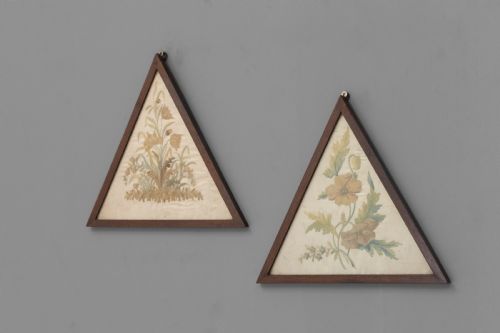
Brown textile art brings together centuries of woven wool, embroidered silk and needlework samplers framed for display.
Brown Textile Art
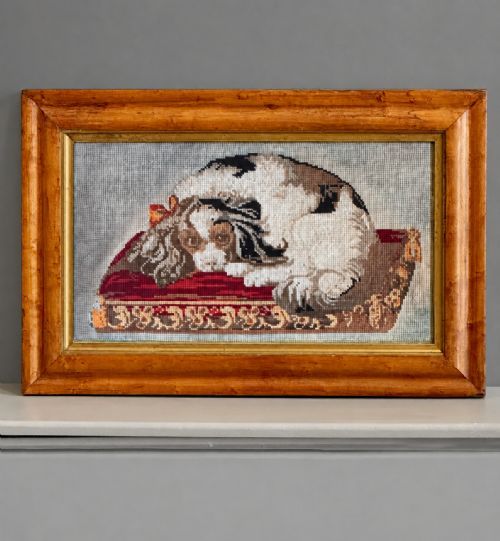
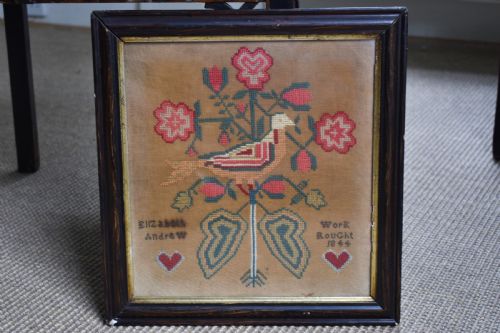
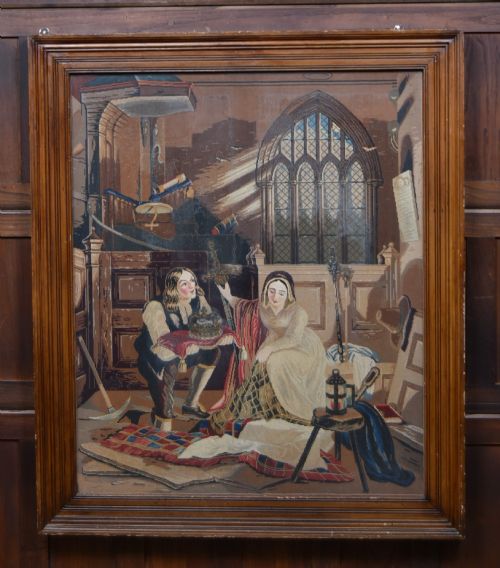
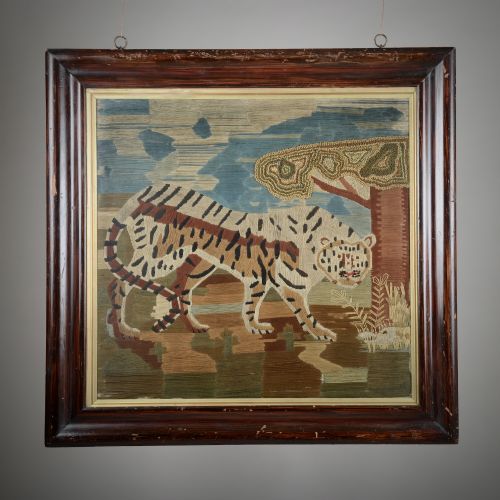
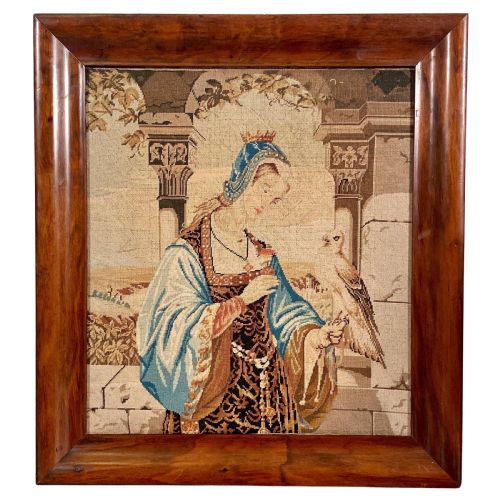
Buyers seeking brown textile art encounter a wide range of historic wall hangings, framed needlework samplers and embroidered panels spanning from the seventeenth century through to the Edwardian period. The selections on this page lean heavily toward nineteenth century wool work pictures, Victorian samplers, and tribal flatweaves executed in deep earthy tones.
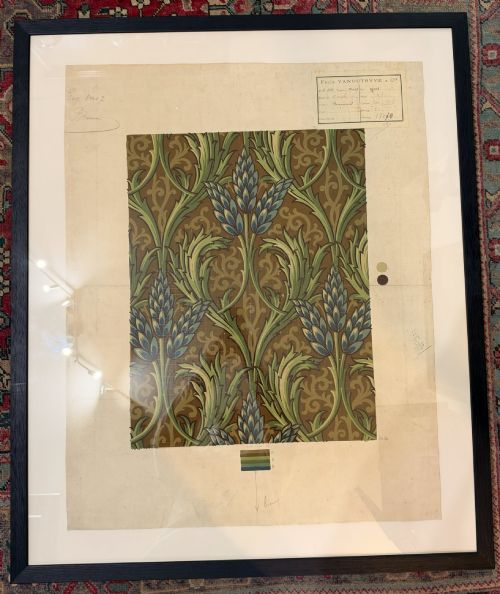
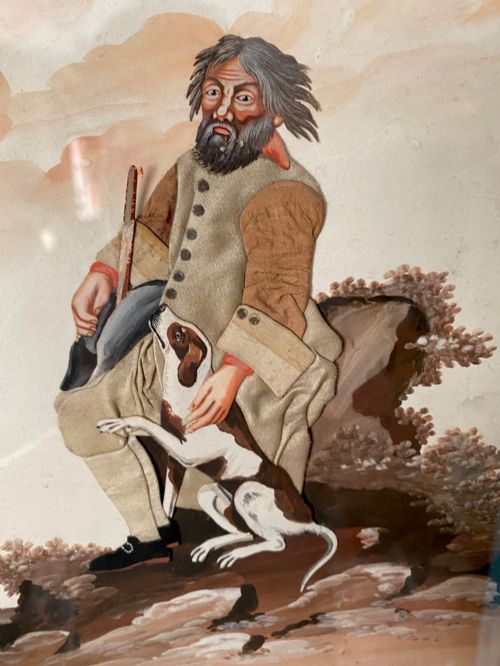
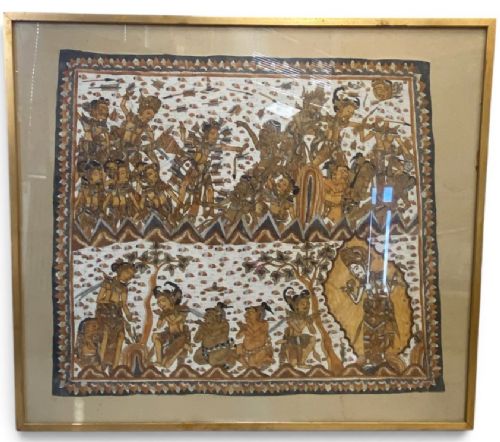
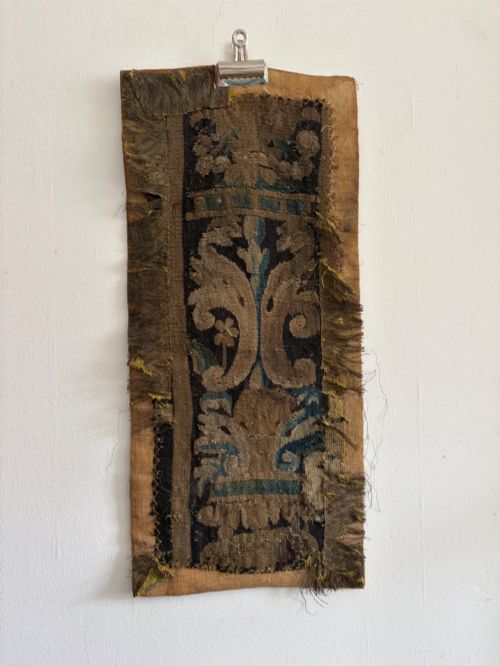
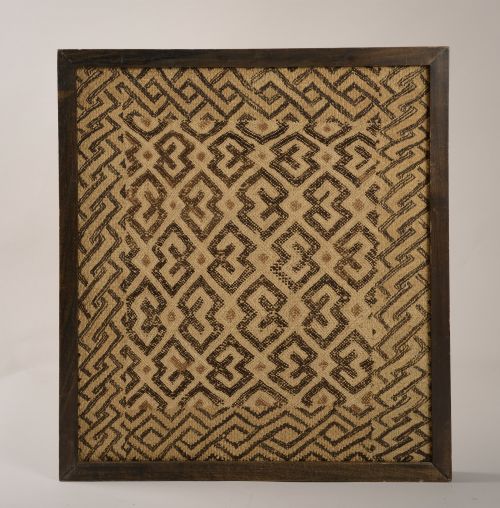
Objects take many physical forms, including framed tapestries, cushion covers, painted silk pieces, and woven fragments mounted to linen. Examples range from structured folk art needlework depicting animals and human figures to Balinese Kamasan textile paintings and Persian tribal bags.
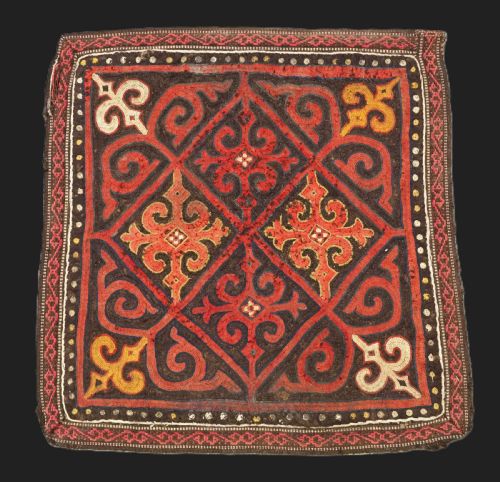
Origin points vary widely across these listings, encompassing English schoolgirl samplers, German tapestry cushions, Indian silk spinning items, and Central Asian felt panels. Each piece relies on textile traditions particular to its region and period of production.
Assessing quality in textiles
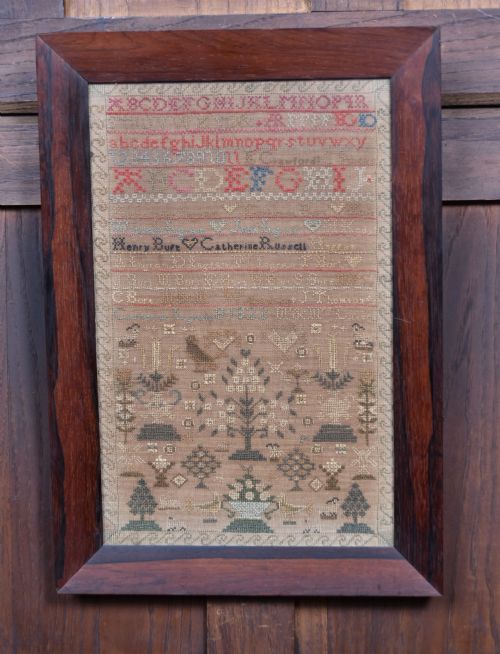
The standard of execution in needlework and embroidery depends on the regularity of the stitches, the complexity of the pictorial composition, and the crispness of detail in figures or motifs. Samplers signed and dated by young makers demonstrate varying levels of technical proficiency and design ambition.
The survival condition of the textile ground and the originality of the mounting play a major part in evaluation. Pieces retaining their original burr maple frames or period wooden supports hold greater integrity than those altered later.
Brown Textile Art Retail Price Guide 2026
Typical asking prices for brown textile art among the pieces listed under this phrase on Sellingantiques today, from the lower quarter to the upper quarter. They describe what is for sale here now, not the wider market.
Listings incorporate materials spanning wool, silk, cotton, canvas, hardwood, and glass across eight distinct historical periods.
The Brown Textile Art Glossary
- Sampler
- A piece of needlework produced to demonstrate proficiency in various embroidery stitches, often bearing the maker's name, age, and date.
- Berlin work
- A popular mid-nineteenth century style of needlework embroidered in coloured wool on canvas using printed grid patterns.
- Tapisserie
- Woven textile art produced on a loom where coloured weft threads form pictorial designs across a structural warp.
- Distaff
- A carved wooden tool used in hand spinning to hold wool or flax fibres before they are drawn out onto a spindle.
- Flatweave
- A textile produced without pile by interlacing warp and weft threads, common in tribal bags and rugs.
Brown Textile Art: Frequently Asked Questions
How do I hang a textile securely?
Heavy tapestries and mounted panels require even weight distribution along the upper edge to prevent distortion of the fabric fibres.
Professional mounting using a linen backing helps support fragile historic textiles inside their display frames.
What periods do these pieces cover?
The listings span from the seventeenth century up through the Edwardian era and the early twentieth century.
Nineteenth century wool work and Victorian samplers appear most frequently among the available works.
How should I clean historic textiles?
Historic wool and silk pieces require gentle professional conservation rather than standard domestic washing methods.
Keeping frames glazed protects delicate embroidered surfaces from dust and environmental degradation.
Are these works signed by makers?
Some needlework samplers and tapestry pieces include names, dates, and locations stitched directly into the composition by the maker.
Schoolgirl samplers frequently record the name of the pupil and the educational establishment alongside the date.