

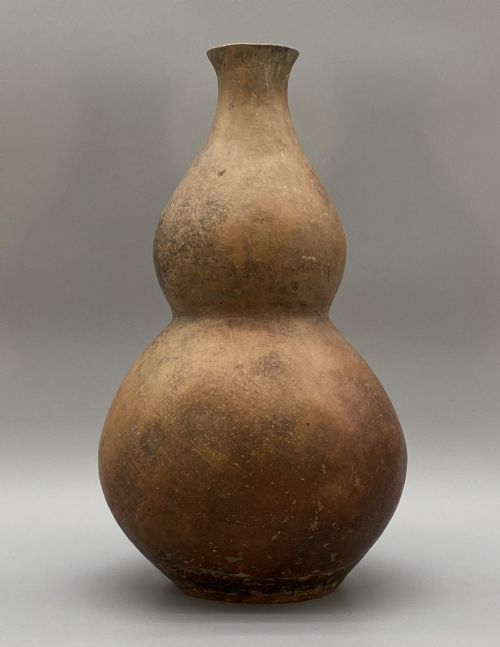

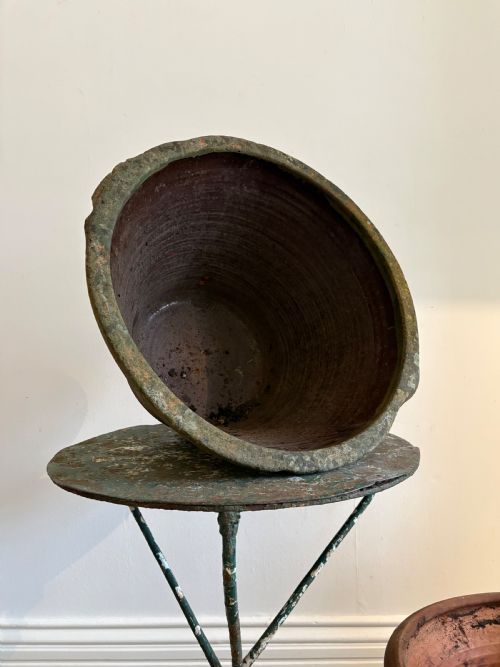


Brown Terracotta Vessel
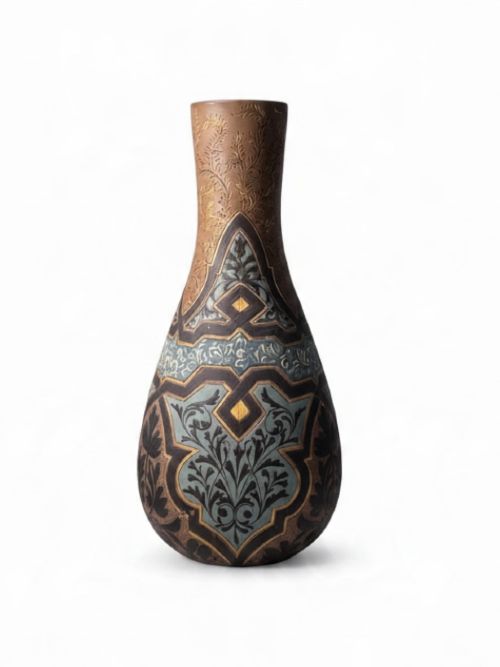
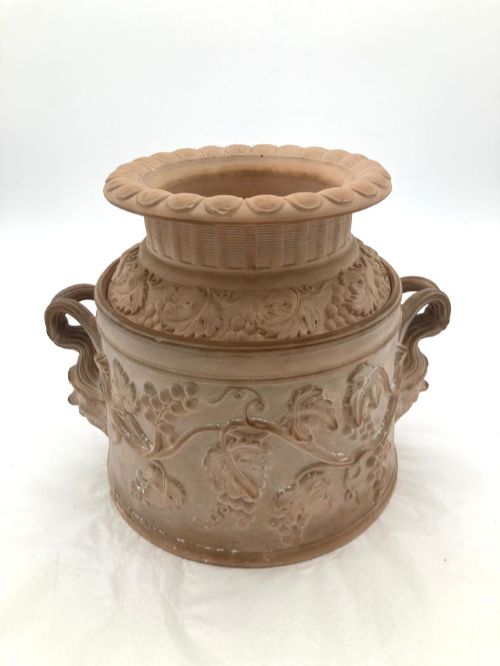
These brown terracotta vessel examples span rural utility and ancient ritual, offering earthy warmth and honest historic weight to any room.
Brown Terracotta Vessel
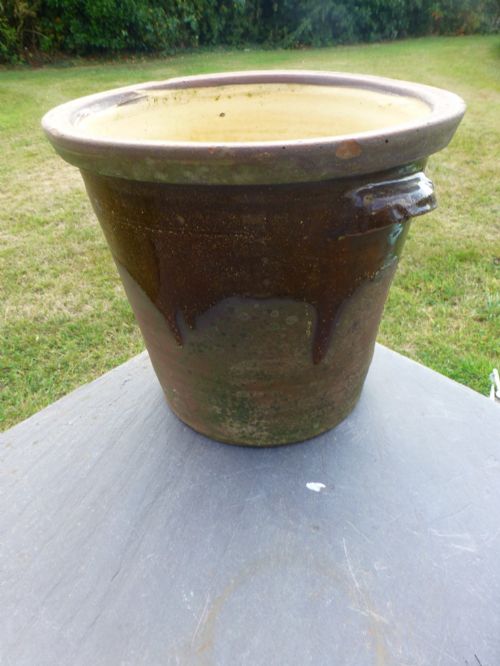
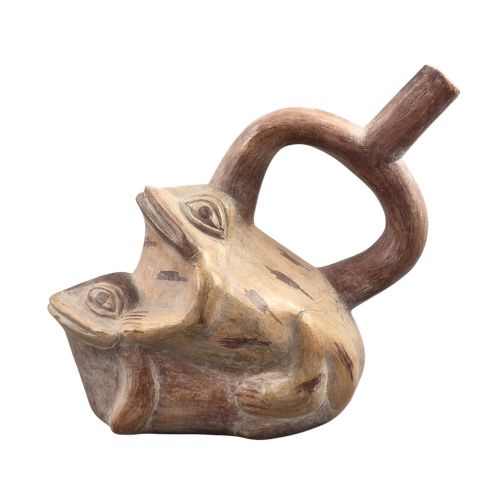
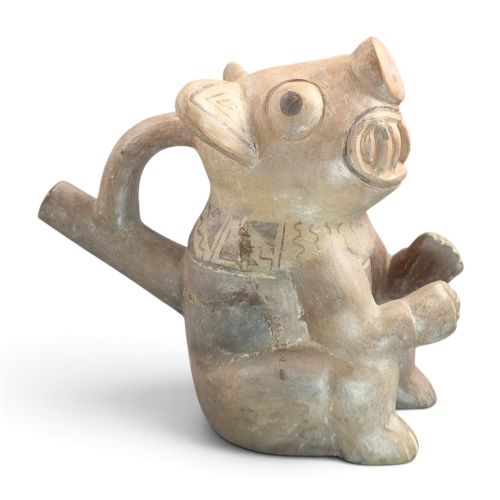
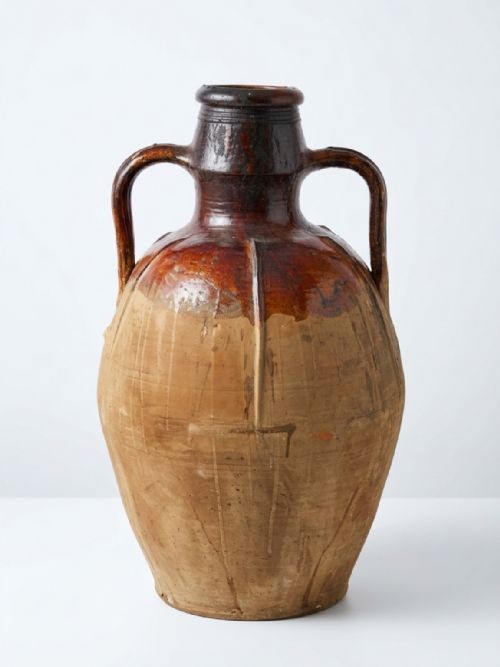
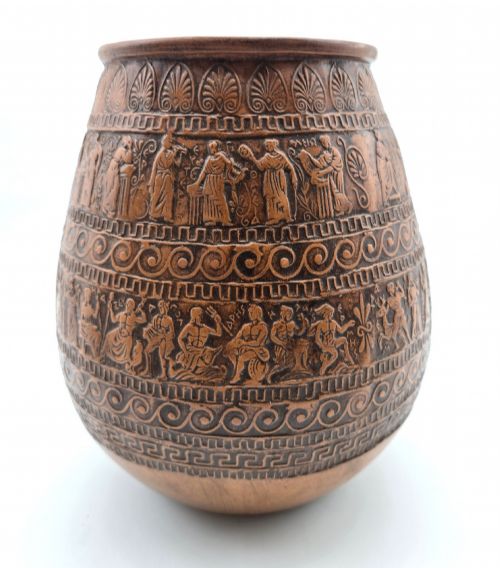
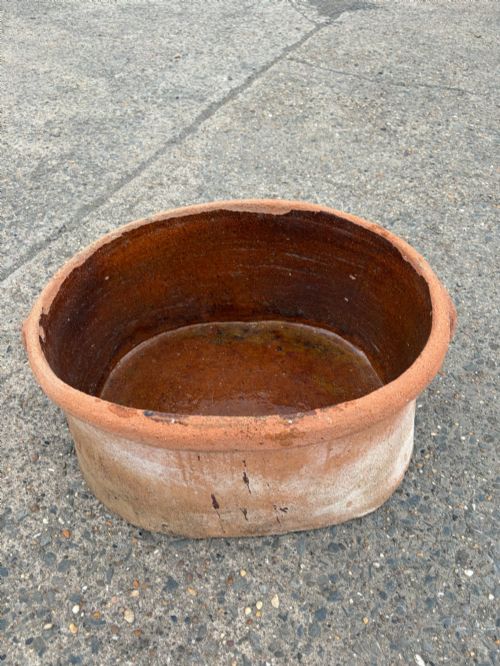
A brown terracotta vessel represents a diverse category of utilitarian and decorative ceramics found across multiple centuries. Buyers searching for a brown terracotta vessel will encounter objects ranging from nineteenth-century dairy crocks and wine jars to ancient pre-Columbian pieces.
The selections on this page lean heavily towards rustic country forms, Mediterranean olive jars, and slipware jugs. Practical kitchenalia and large storage containers dominate the current inventory.
Origins stretch from local English potteries in North Devon and seventeenth-century Dutch workshops to ancient Mediterranean and Chinese Neolithic cultures. Each piece carries the distinct regional signature of its maker's utilitarian traditions.
How they were made
Potters shaped these objects from basic clay and earthenware using traditional wheel-throwing or coiling techniques. The fundamental body consists of natural clay fired at moderate temperatures to achieve a porous or semi-porous structure.
Glazing techniques varied widely according to utility and period, utilising lead glaze or simple slip pigments to seal the interior surfaces. Many domestic items feature a partially glazed interior to hold liquids safely while leaving the exterior matte.
Brown Terracotta Vessel Retail Price Guide 2026
Typical asking prices for brown terracotta vessel among the pieces listed under this phrase on Sellingantiques today, from the lower quarter to the upper quarter. They describe what is for sale here now, not the wider market.
What varies in quality
Quality in a brown terracotta vessel rests upon the integrity of the form, the depth of the firing, and the survival of original surface treatments. Superior examples display balanced proportions and honest wear that reflects genuine historic utility.
The distinction between ordinary domestic kitchenalia and exceptional museum-grade antiquities depends on age, provenance, and cultural significance. Patination built through decades or millennia of handling elevates the visual weight of the piece.
The Brown Terracotta Vessel Glossary
- Terracotta
- A porous fired clay body ranging in colour from pale orange to deep reddish brown. It serves as the primary medium for unglazed or slip-decorated utilitarian wares.
- Slipware
- Pottery decorated with a thin mixture of clay and water applied before firing. This technique creates fluid lines and contrasting surface patterns on jugs and dishes.
- Amphora
- A tall two-handled jar with a narrow neck used in ancient times for storing oil or wine. Mediterranean examples often feature rounded bases designed to sink into sand.
- Kitchenalia
- Functional objects used in domestic food preparation and storage. These items prioritize robust utility over delicate ornamentation.
- Glaze
- A glassy coating fused to the ceramic body through firing to render the vessel waterproof. Partial interior glazing is common in dairy bowls and salting crocks.
Brown Terracotta Vessel: Frequently Asked Questions
Can I use these vessels for fresh flowers?
Many of these vessels were originally designed for liquids, such as oil jars and wine jugs, making them suitable for holding water. However, porous terracotta and historic earthenware can seep moisture over time.
Place a modern glass liner inside older or unglazed pieces to protect your surfaces while displaying stems.
How do I clean an antique terracotta pot?
Dust these pieces gently with a dry, soft cloth to preserve the historic surface and accumulated patination. Avoid harsh detergents or soaking, as porous earthenware absorbs moisture readily.
Keep them away from damp areas to prevent soluble salts from damaging the clay body.
Are these ancient pieces waterproof?
Ancient and pre-Columbian items were rarely glazed for modern water retention and remain porous after thousands of years. They function best as dry decorative sculptures rather than functional vases.
Handle them with care to protect the fragile, ancient earthenware walls.
How do I identify a nineteenth-century dairy crock?
Nineteenth-century dairy crocks and salter vessels typically feature heavy, durable walls with partial interior lead glazing for holding salt or milk. Look for regional throwing marks characteristic of English country potteries.
These utilitarian pieces were built for heavy farm work rather than delicate display.