

Brown Tea Box
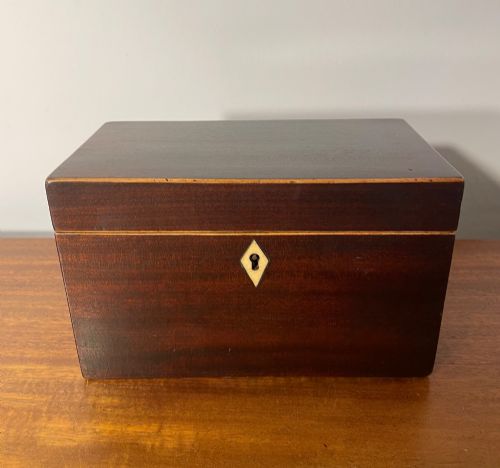
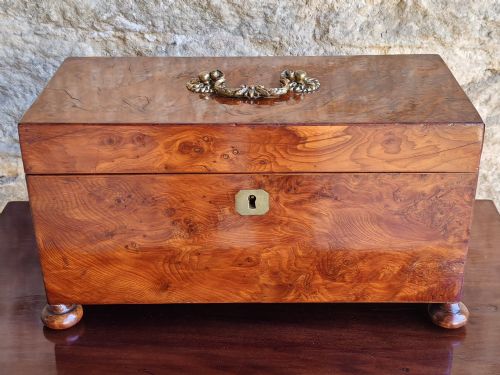
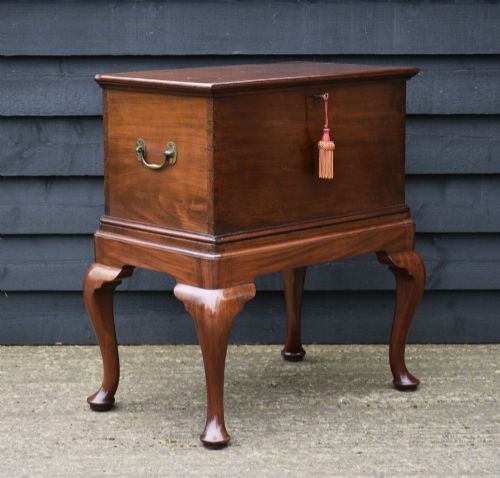
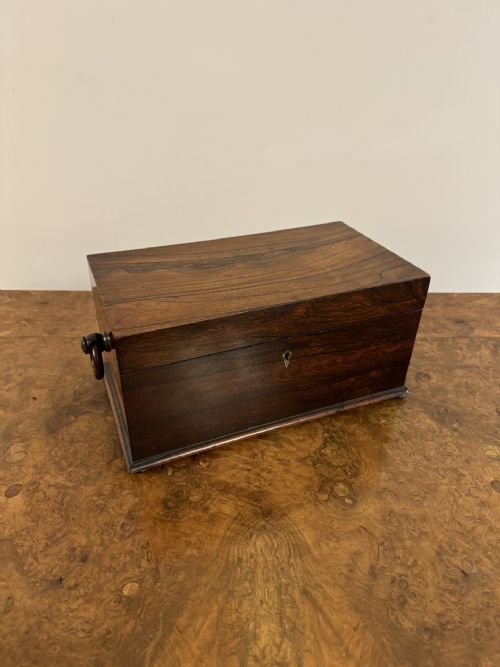
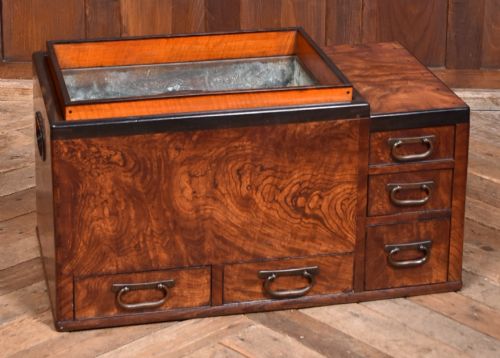
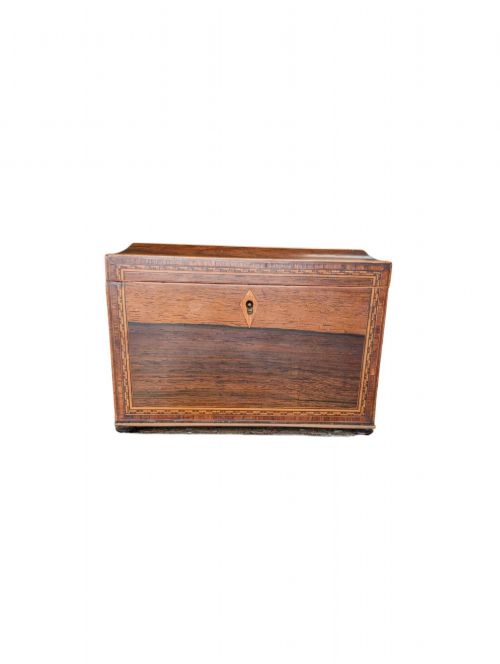
These brown tea box examples are refined wooden storage vessels designed to preserve precious tea leaves, bringing period character into modern interiors.
Brown Tea Box
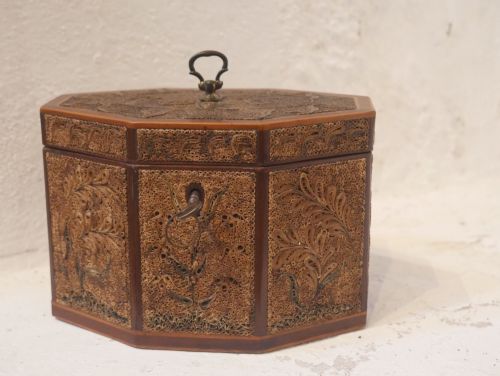
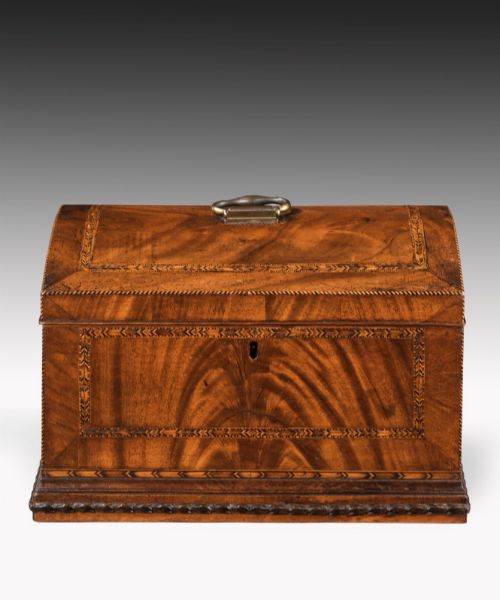
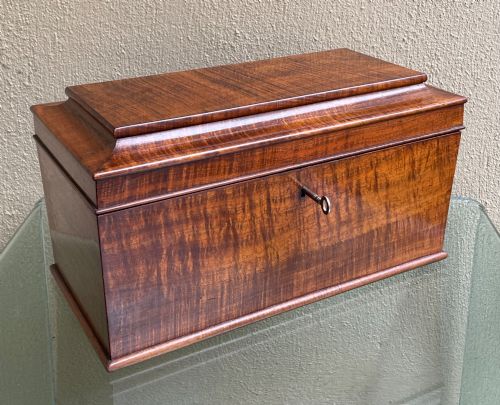
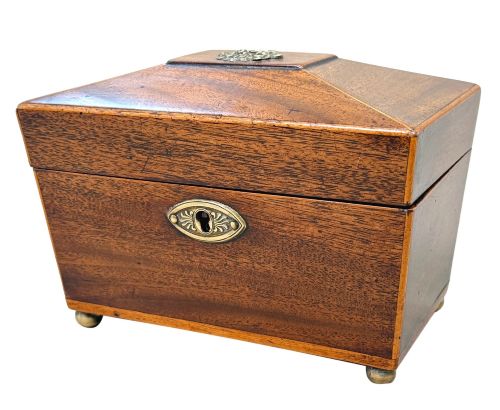
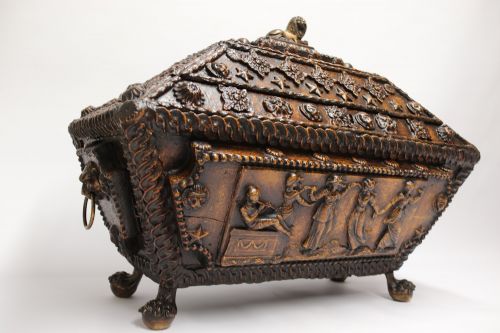
A brown tea box functions primarily as a specialised caddy or chest for dry leaves, appearing frequently in Georgian, Regency, and Victorian incarnations. The selection spans straightforward rectangular forms to elaborate sarcophagus shapes, hexagonal containers, and navette silhouettes.
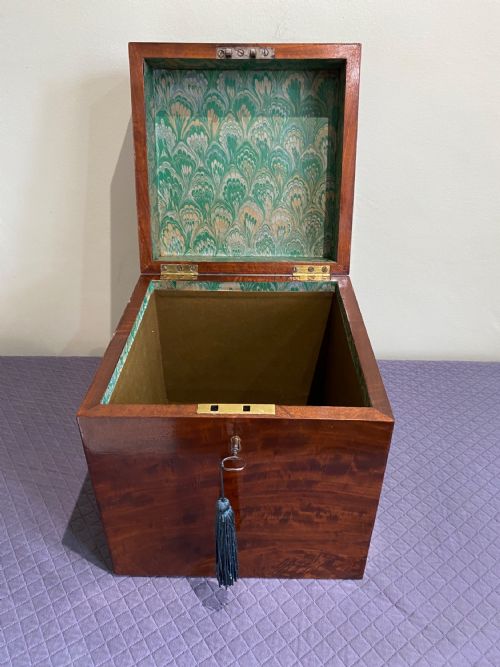
Makers shaped these containers from richly grained timbers, often pairing them with fitted interiors containing compartments or mixing bowls. Surviving examples demonstrate diverse international influences, including traditional Japanese, Qing Dynasty, and English craftsmanship.
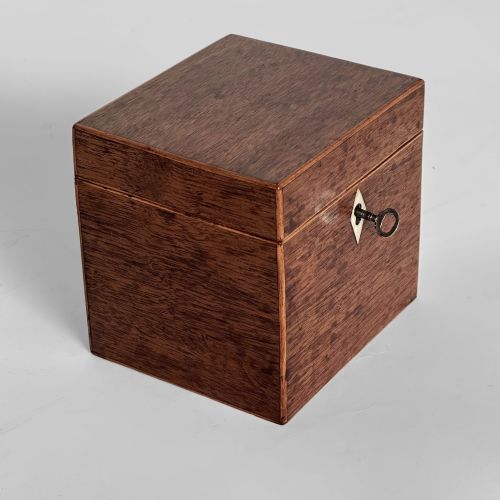
Buyers encounter numerous variations on this page, ranging from modest domestic boxes to grander caddies featuring stringing, inlay, and dedicated locking mechanisms with functioning keys.
Materials and Techniques
Cabinetmakers utilised dense hardwoods such as mahogany, walnut, rosewood, and yew, often selecting burr veneers for striking visual depth. These foundational structures receive reinforcement through meticulous joinery designed to withstand regular domestic use.
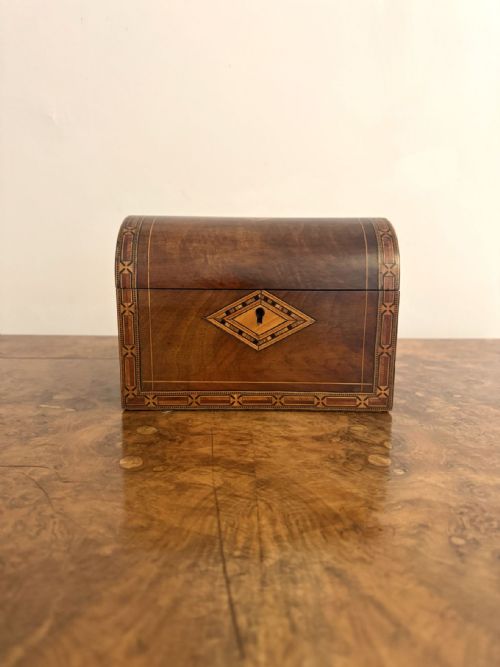
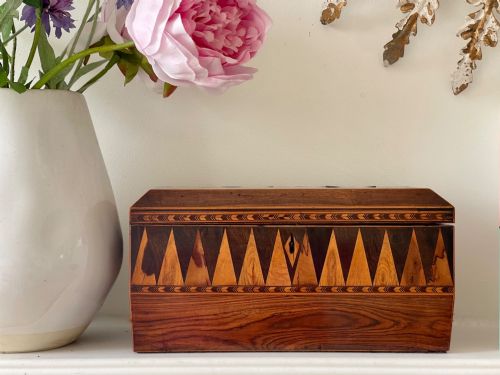
Decorative embellishment relies heavily on precision wood inlay, including boxwood and ebony stringing, along with specialist techniques like Tunbridge ware and paper filigree. Artisans further enhanced surfaces using shell inlays, brass fittings, gesso decoration, and occasional bone accents.
Design and Execution
The distinction between standard examples and superior specimens rests on the choice of timber and the precision of the veneer work. Superior caddies display continuous grain matching, delicate inlay, and sophisticated carcass shaping such as domed lids or sarcophagus curves.
Internal preservation elevates a piece significantly, particularly when original fitted compartments, mixing bowls, and functioning locks remain intact. The intricacy of specialist surface decoration, such as multi-wood Tunbridge mosaics or careful gesso moulding, dictates the upper tier of execution.
Henry Hollamby
The Brown Tea Box Glossary
- Tea caddy
- A small box or chest designed for storing loose tea leaves securely. These containers often featured internal lids or canisters to preserve aroma.
- Sarcophagus form
- A container design featuring a steep-sided, domed shape reminiscent of a traditional stone sarcophagus, popular during the Regency period. This silhouette allowed for deep internal storage capacity.
- Tunbridge ware
- A meticulous form of decorative woodwork produced in Kent, utilising tiny coloured wood prisms to create mosaic pictorial scenes or geometric patterns. Artisans applied these intricate veneers to the exterior of boxes and caddies.
- Veneer
- A thin layer of finely figured wood applied over a secondary timber base to create a decorative surface. This technique permits the display of expensive grains while maintaining structural stability.
- Navette
- A pointed, boat-shaped silhouette utilised for geometric box designs during the Georgian era. The curved profile demands precise carpentry skills to achieve symmetrical execution.
Brown Tea Box: Frequently Asked Questions
How were they used historically?
Tea was an expensive commodity in the eighteenth and nineteenth centuries, requiring secure storage under lock and key by the head of the household. The mistress of the house typically kept the key, dispensing the leaves personally for each pot.
The fitted interior allowed different black and green teas to be blended to taste before brewing.
How do I date a wooden tea box?
Dating relies on observing the prevailing style, timber choices, and construction methods characteristic of specific periods. Georgian examples often showcase clean mahogany lines and simple stringing, whereas Regency pieces favour sarcophagus proportions and elaborate brass paw feet.
Victorian variations frequently incorporate heavier burr walnut veneers and intricate Tunbridge mosaic decoration.
How do I care for antique wood?
Keep wooden tea boxes away from direct sunlight and away from heat sources to prevent the timber from warping or splitting. Maintaining a stable indoor humidity helps protect delicate veneers and stringing from lifting.
Dust gently with a dry, soft cloth and avoid applying modern silicone-based polishes that can damage historic finishes.