






Brown Stoneware Pottery Vase
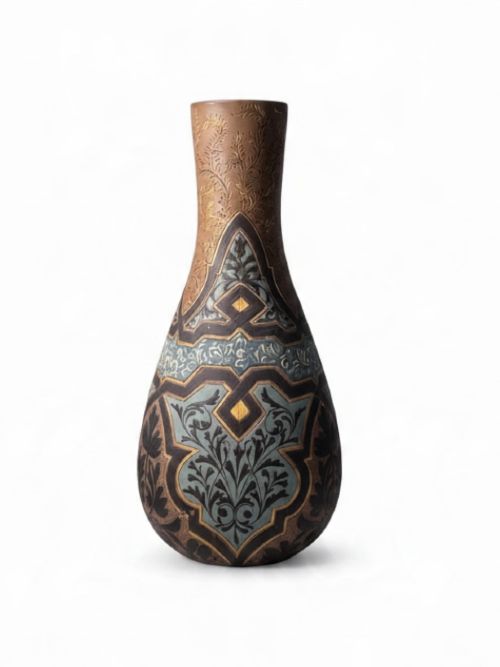
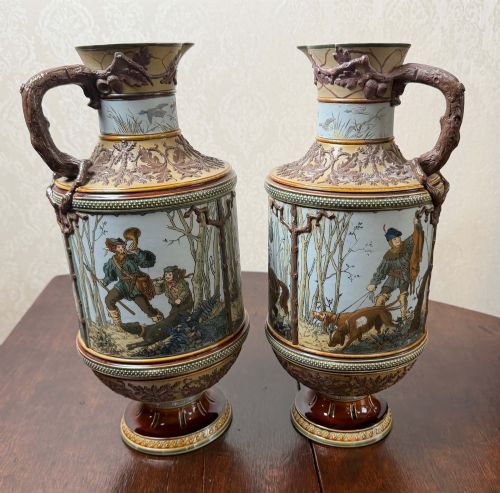
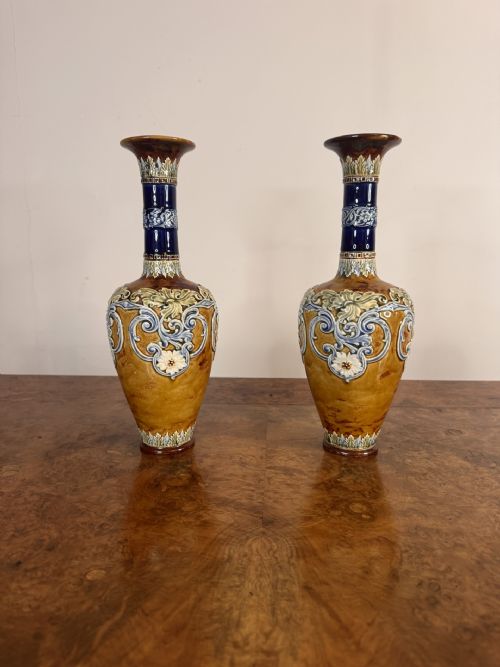
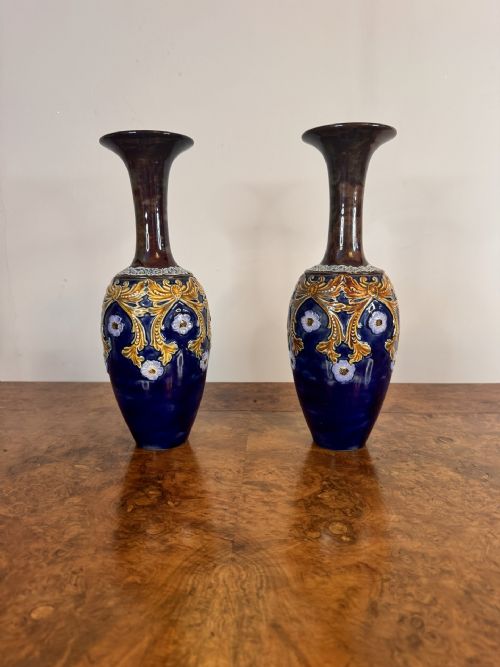
A brown stoneware pottery vase offers earthy tones and robust textures, prized by collectors for its enduring craftsmanship and rich surface decoration.
Brown Stoneware Pottery Vase
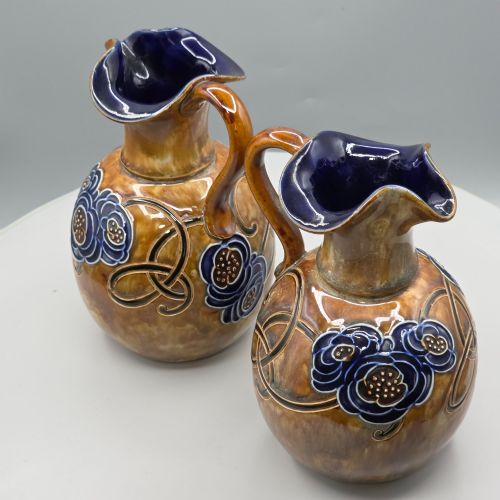
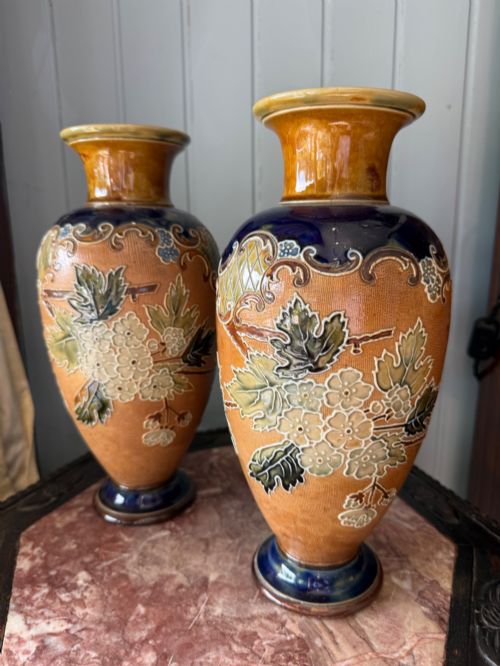
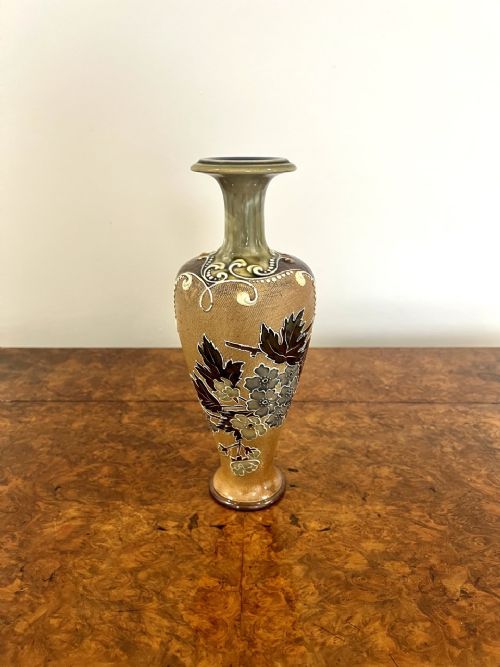
A brown stoneware pottery vase represents a durable category of ceramics shaped during the late nineteenth and early twentieth centuries. These vessels emerge primarily from Victorian and Edwardian periods, carrying the distinct aesthetic of the Arts and Crafts and Art Nouveau movements.
The pieces on this page span several decades of production, including Victorian iterations and twentieth-century examples. Forms range from traditional vases and decorative ewers to jugs.
Origin points visible in the current inventory highlight British output alongside European and Japanese Meiji period creations. Buyers encounter single vessels and matching pairs alike.
Materials and methods
Makers utilised dense stoneware clay fired at high temperatures to achieve a vitrified, impermeable body. This sturdy ceramic base supported heavy surface manipulation and elaborate glazing techniques.
Surfaces frequently combine salt glazes, enamel, and applied details such as gold leaf. Artisans sculpted relief patterns directly into the clay body before firing.
Brown Stoneware Pottery Vase Retail Price Guide 2026
Typical asking prices for brown stoneware pottery vase among the pieces listed under this phrase on Sellingantiques today, from the lower quarter to the upper quarter. They describe what is for sale here now, not the wider market.
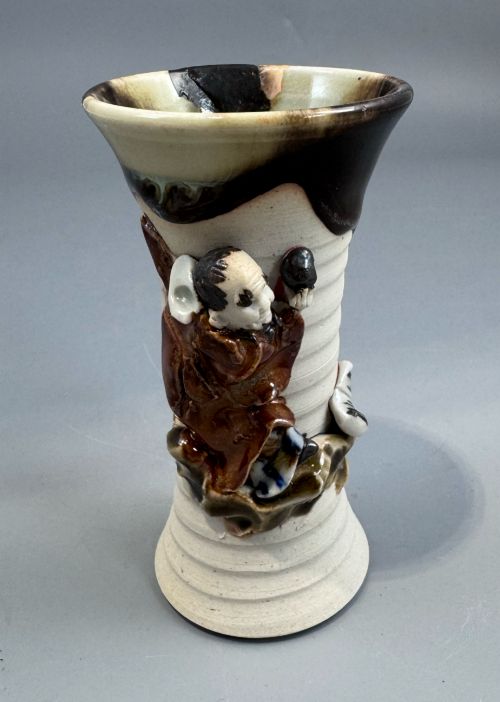
Some vessels feature tiny applied clay figures climbing up the neck, watching the room with stoic ceramic expressions.
Assessing quality
The distinction between standard production and top-tier examples lies in the execution of the surface design and the reputation of the decorator. Hand-carved relief work and signed pieces demonstrate superior artistic ambition.
Balance of form and the richness of the glaze application determine visual success. Pieces bearing specific artist monograms or factory signatures hold greater distinction.
Royal Doulton·Doulton Lambeth·Mettlach Pottery·Ryōsai
The Brown Stoneware Pottery Vase Glossary
- Stoneware
- A type of pottery fired at a high temperature until vitrified and non-porous. It provides a heavy, durable body suitable for deep relief carving.
- Salt glaze
- A glossy, slightly textured finish achieved by throwing common salt into the kiln during high-temperature firing. This creates a characteristic orange-peel surface texture.
- Ewer
- A large jug with a wide spout and a shaped handle, traditionally used for holding water. In decorative ceramics, it serves purely ornamental purposes.
- Arts and Crafts
- A design movement valuing traditional craftsmanship, natural materials, and simple forms. It rejected mass production in favour of individual maker skill.
- Meiji Period
- A Japanese era lasting from eighteen sixty-eight to nineteen twelve, marked by rapid modernisation and exceptional export ceramics. Pieces from this time often feature intricate applied figures.
Brown Stoneware Pottery Vase: Frequently Asked Questions
What is a brown stoneware pottery vase?
A brown stoneware pottery vase is a durable ceramic vessel fired at high temperatures, typically featuring earthy glazes and naturalistic surface decoration.
These pieces were widely produced during the Victorian and Edwardian eras by prominent potteries and individual studio artists.
How were these vases used historically?
Historically, these vessels served as decorative ornaments in domestic interiors, often displayed on mantelpieces or pedestals.
Larger ewers and jugs were occasionally utilised for floral displays or as standalone pieces of interior artistry.
How do I identify the period of a vase?
Period identification relies on stylistic cues, such as the flowing lines of Art Nouveau or the stylised plant motifs of the Arts and Crafts movement.
Maker marks, impressed factory stamps, and artist signatures stamped or incised into the base provide precise dating evidence.
How should I display brown stoneware at home?
Display these vessels in spaces with adequate natural light to highlight the varied textures of salt glazes and incised patterns.
Pairing them with wooden furniture or neutral surfaces complements the rich, earthy tones inherent in stoneware ceramics.