

Brown Sideboard Table
A brown sideboard table brings practical storage and period character to a dining room or hallway.
Brown Sideboard Table
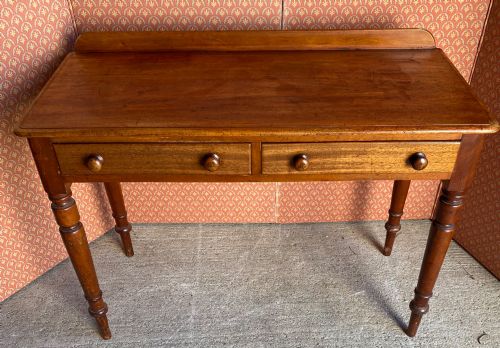
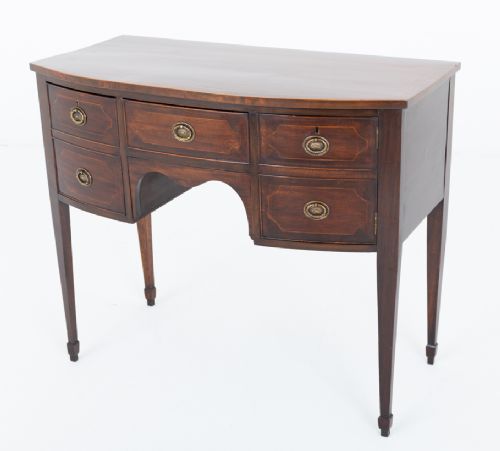
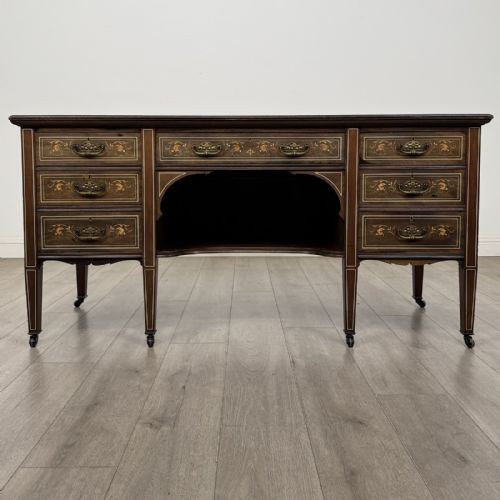
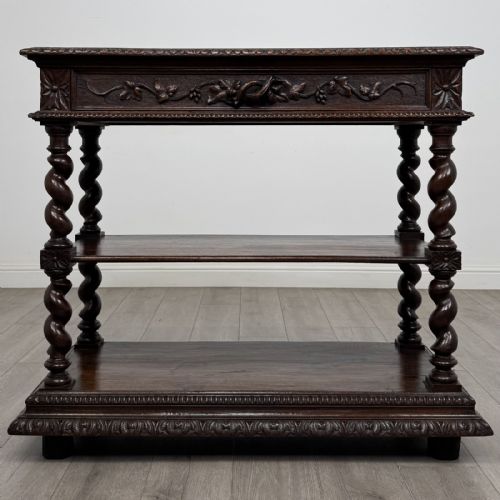
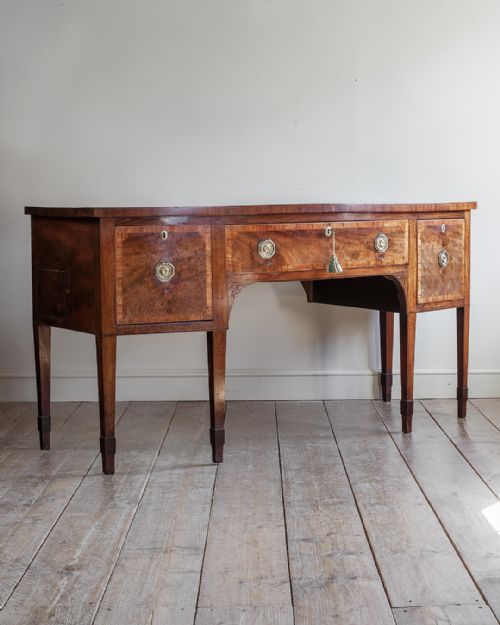
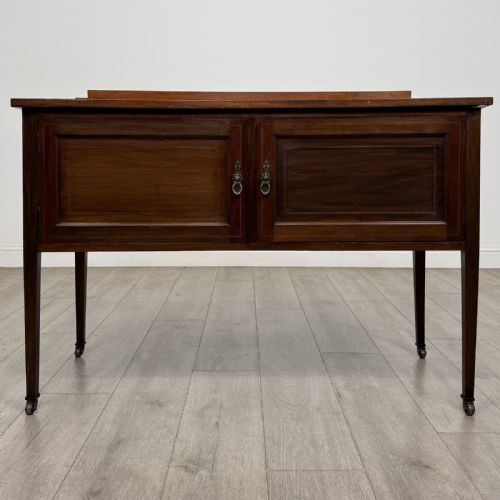
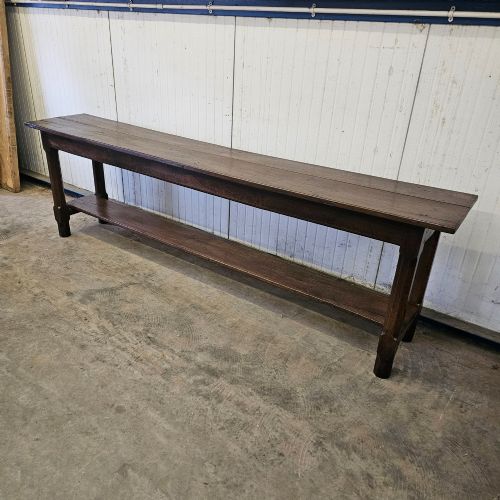
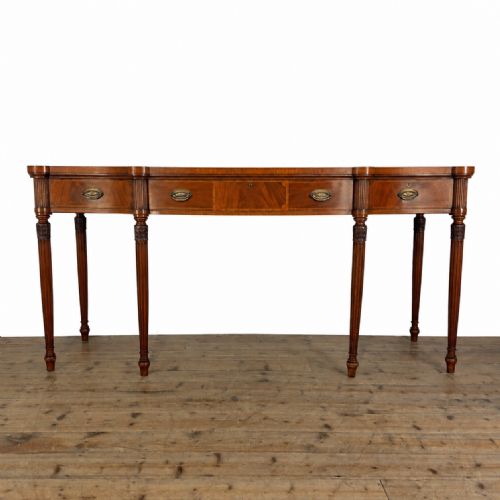
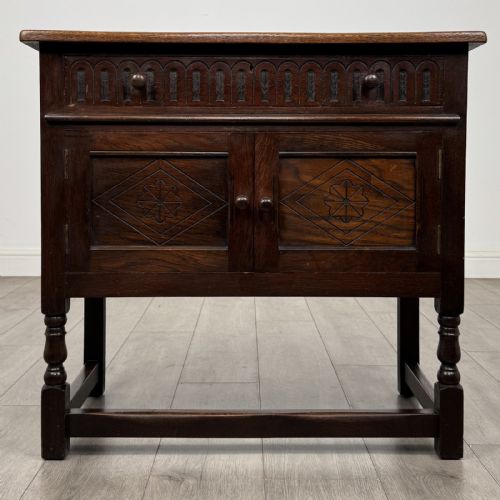
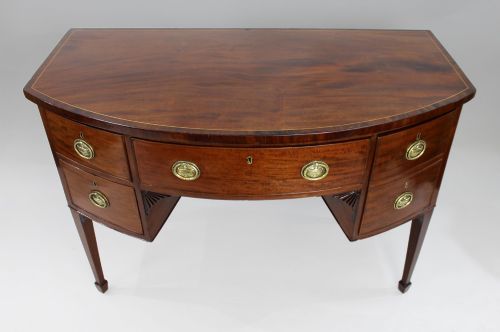
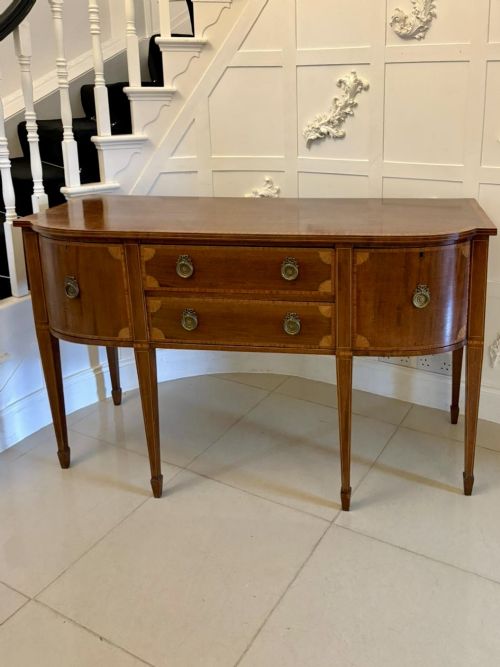
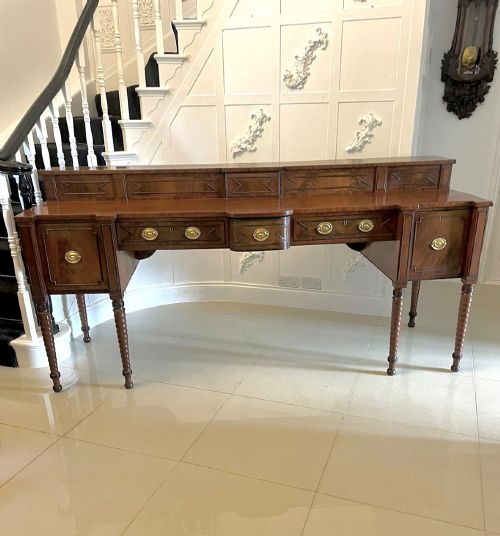
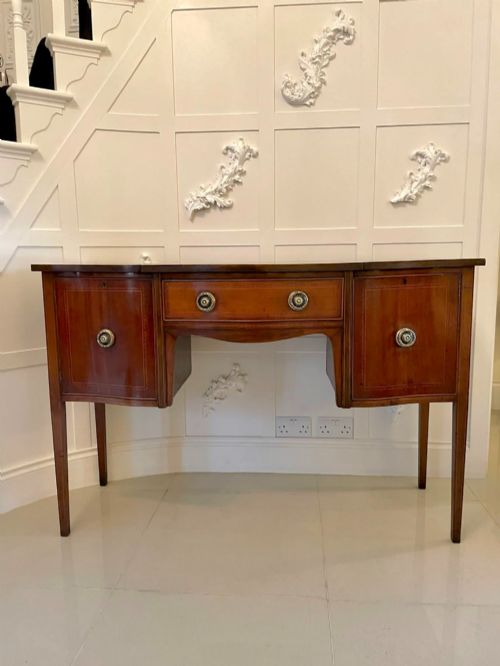
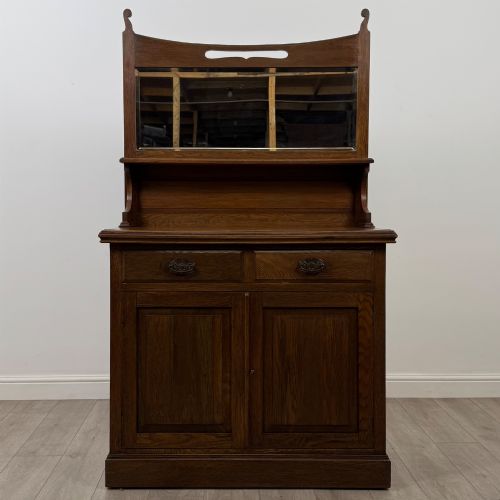
A brown sideboard table is a functional surface designed for serving food and storing dining utensils, spanning several centuries of cabinet-making. When searching for a brown sideboard table, buyers encounter forms ranging from Georgian mahogany serving tables to Edwardian inlaid oak dresser bases.
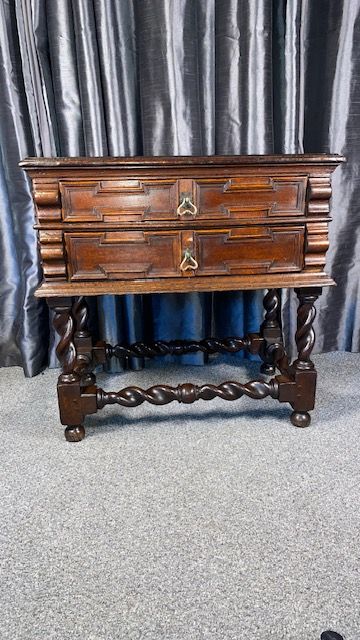
Examples on this page draw from eighteenth-century country houses and nineteenth-century urban settings alike. Their shapes reflect the changing demands of domestic life, moving from open pot board dressers to enclosed cupboards and fitted drawers.
Materials and construction methods
Cabinet-makers relied on solid timbers such as oak, mahogany, and walnut, often enhanced with contrasting veneers like satinwood crossbanding and marquetry details. Structural elements frequently utilised elm, fruitwood, and pine for secondary framing and interior drawers.
Joinery techniques included hand-cut dovetails for drawer construction and pegged mortise and tenon joints for heavy framework. Timber surfaces received hand-rubbed wax or polish finishes to protect the wood while highlighting natural grain patterns.
Decorative elements involved intricate hand-carving, brass hardware, and occasional marble tops imported for specific provincial or revival styles.
Brown Sideboard Table Retail Price Guide 2026
Typical asking prices for brown sideboard table among the pieces listed under this phrase on Sellingantiques today, from the lower quarter to the upper quarter. They describe what is for sale here now, not the wider market.
Miniature bamboo cupboards from the Victorian era let diminutive collectors store tiny treasures.
Assessing craftsmanship and proportion
Quality separates pieces through the selection of figured timber veneers and the precision of the underlying joinery. Superior examples maintain balanced proportions, crisp carving, and original brass fittings that complement the scale of the frame.
The integration of secondary timbers and the execution of complex shapes, such as serpentine fronts or bow profiles, indicate the maker's level of skill. Pieces retaining their original finish and structural integrity command greater appreciation from collectors.
Maurice Adams
The Brown Sideboard Table Glossary
- Crossbanding
- A decorative border of veneer laid around the perimeter of a tabletop or drawer front with the grain running perpendicular to the central panel.
- Dresser base
- A low wooden unit featuring drawers and cupboards, historically used in kitchens and dining rooms for food preparation and storage.
- Bow front
- A convex, outward-curving front profile commonly found on eighteenth and nineteenth-century serving tables and sideboards.
- Pot board
- An open lower shelf fitted between the legs of an oak dresser, originally intended for storing pots and pans.
- Serpentine
- A shaped furniture front featuring a gentle undulating line that curves outward in the centre and inward at the ends.
Brown Sideboard Table: Frequently Asked Questions
What is a brown sideboard table used for?
These pieces serve as dining room servers, hallway consoles, and storage units for tableware, linens, and documents. Their flat tops provide space for displaying decorative objects or serving food during gatherings.
Interior spaces benefit from the enclosed cupboards and fitted drawers, which conceal clutter while adding architectural weight to a room. Their varied heights and depths allow them to fit into dining areas, living rooms, and large entryways.
How do I identify a Georgian sideboard?
Georgian pieces typically feature solid mahogany or oak construction with straight, bow, or serpentine fronts. Look for hand-cut dovetail joints in the drawers and period-appropriate brass handles.
Many examples from this era display fine crossbanding, tapering legs, and proportions designed for formal dining rooms. Regional country pieces often show simpler lines and heavy timber construction compared to urban workshop outputs.
How do I care for antique wood furniture?
Maintain antique surfaces by applying natural beeswax periodically to nourish the timber and protect the finish. Avoid placing wooden items near direct heat sources or in areas with fluctuating humidity.
Dust the surface regularly with a soft, dry cloth rather than using silicone-based commercial polishes. Gentle cleaning preserves the natural patina developed over centuries of use.
What is the difference between an oak and mahogany sideboard?
Oak items generally date from the seventeenth and eighteenth centuries, exhibiting a heavy, rustic grain and pegged construction. They frequently originate from country houses and provincial workshops.
Mahogany alternatives appeared more commonly in the later eighteenth and nineteenth centuries, offering a smoother reddish-brown surface and finer cabinet-making details. This wood allowed for complex curves, delicate inlays, and formal urban styling.