
Brown Sideboard Storage
Brown sideboard storage pieces encompass robust oak, mahogany, and walnut cabinets designed to anchor a room while keeping household belongings orderly.
Brown Sideboard Storage
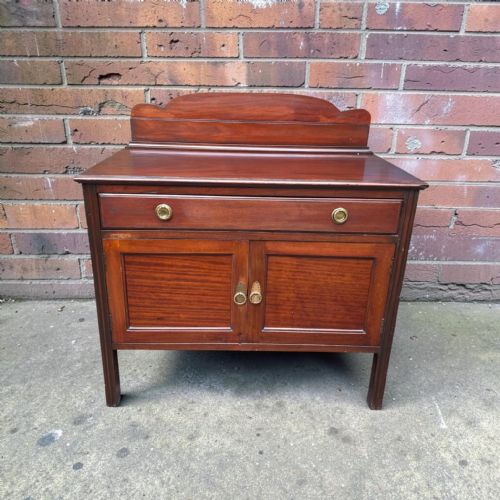
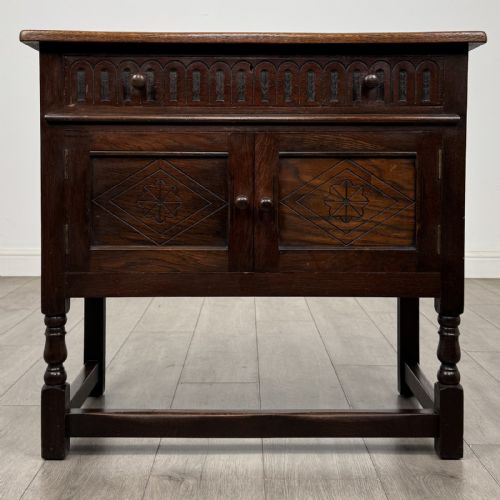
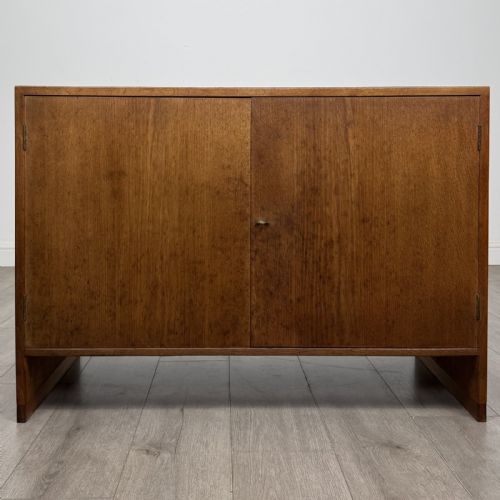
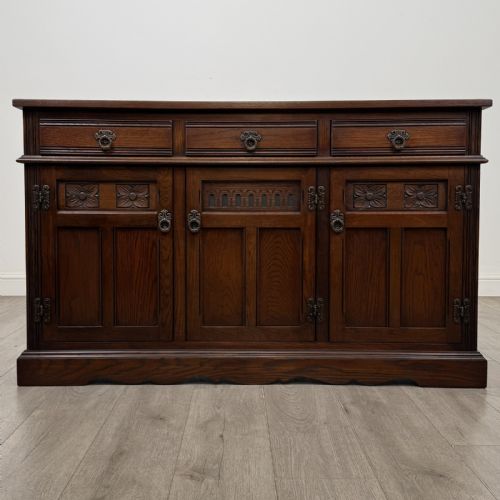
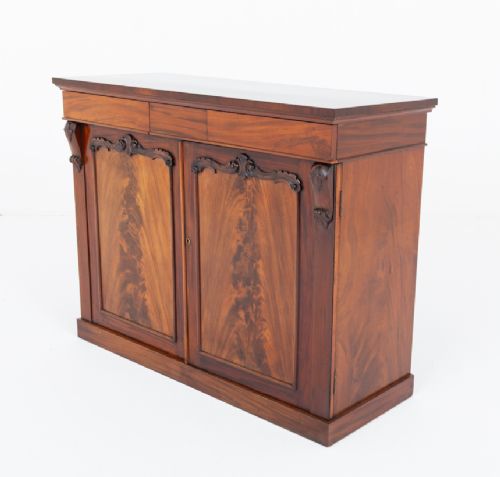
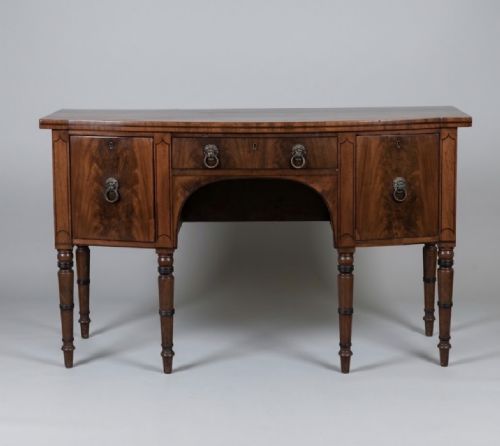
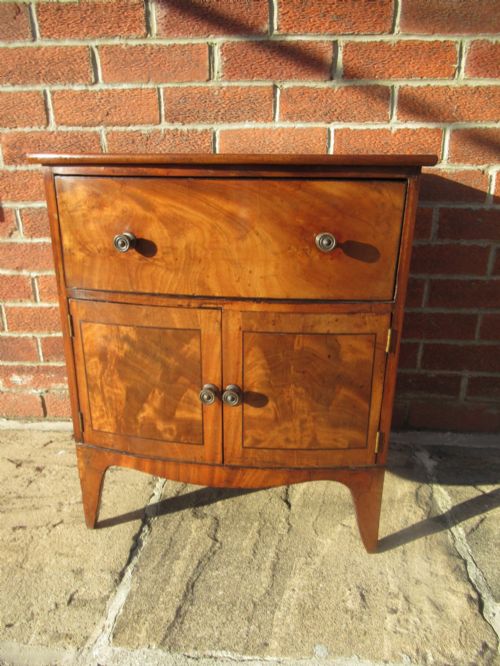
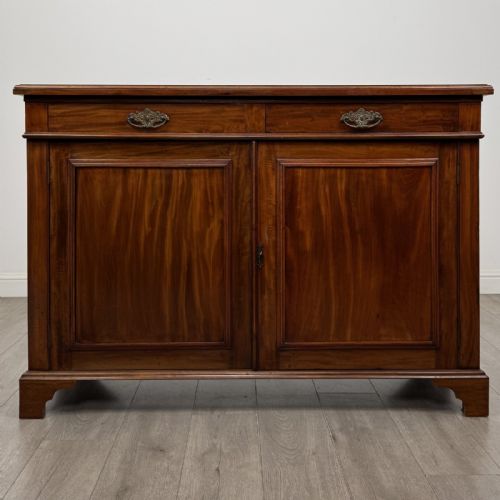
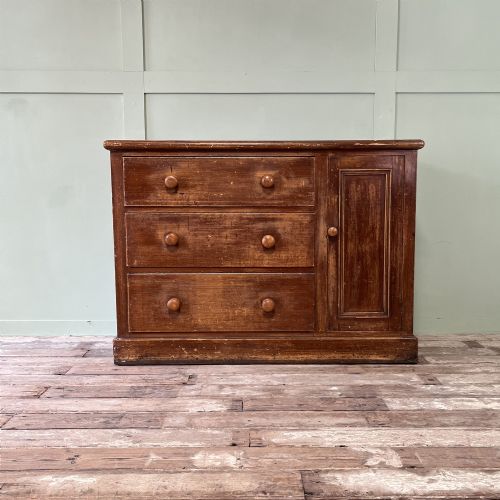
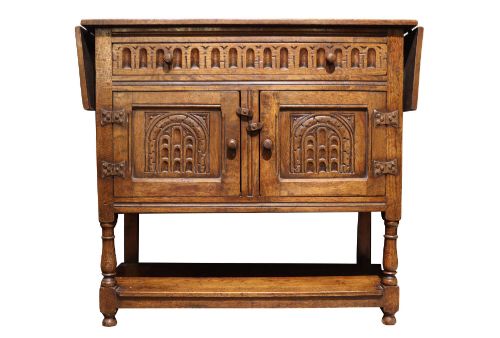
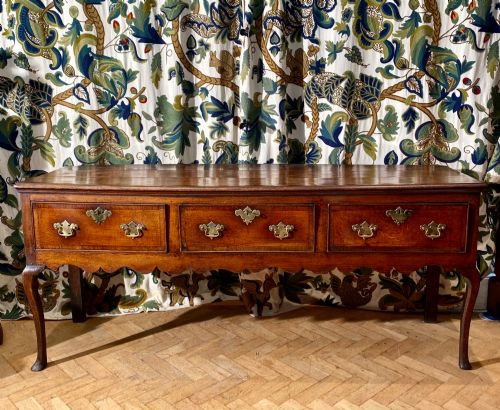
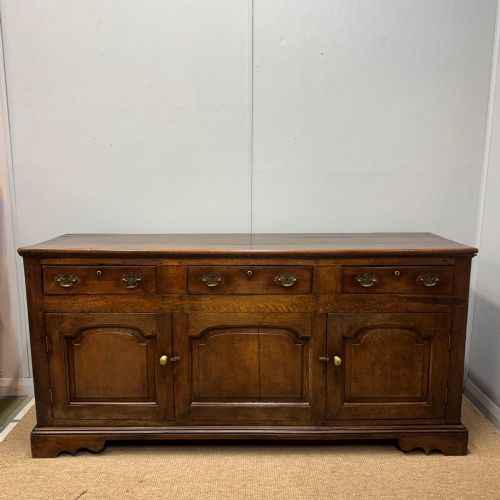
Brown sideboard storage options on this page range from compact Edwardian cupboards to substantial Georgian and Victorian dresser bases. Buyers searching for brown sideboard storage frequently encounter heavy timber forms designed for utilitarian organisation in dining rooms and halls.
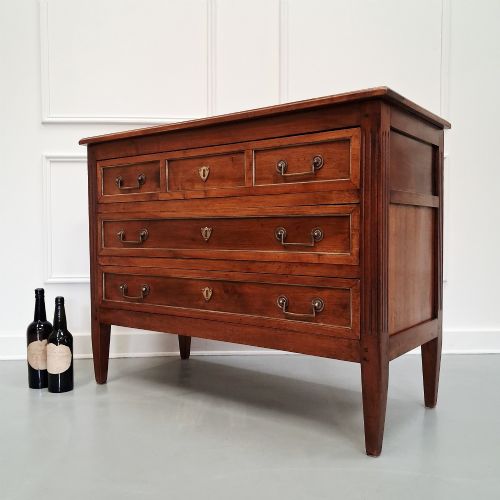
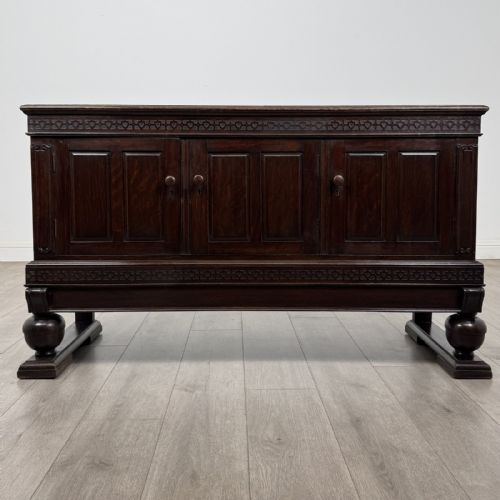
The assortment spans diverse regional workshops and eras, running from eighteenth-century oak low linen presses to mid-twentieth-century French commodes and credenzas. Side cabinets, sideboards, and breakfront units populate the selection alongside fitted cupboards with shelved interiors.
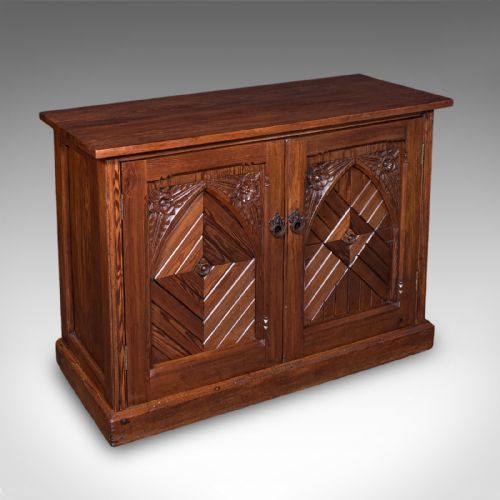
Makers utilised dense native and imported woods to build enduring furniture that adapted from formal entertaining spaces to everyday domestic use. Each piece reflects the architectural tastes of its period, from the carved panels of Jacobean Revival to the clean lines of Regency design.
Materials and Technique
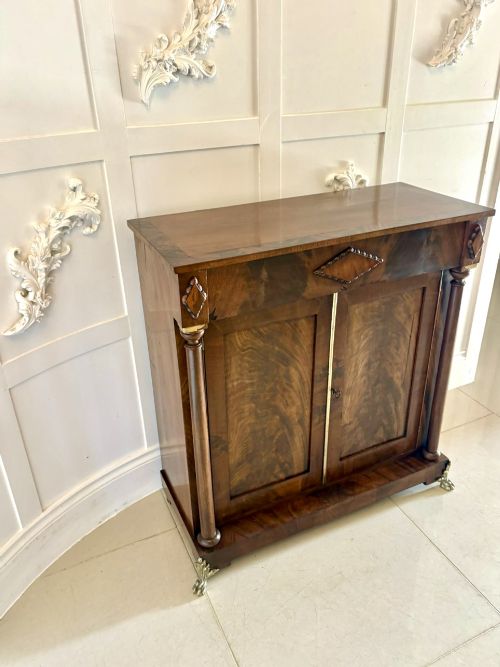
Cabinetmakers built these pieces primarily from solid and veneered timbers including oak, mahogany, walnut, and pine. Grain patterns were carefully chosen to decorate plain surfaces, particularly on burr walnut and figured mahogany doors.
Construction relied on traditional joinery techniques such as dovetailed drawers, mortise and tenon frames, and panelled doors that accommodated seasonal wood movement. Metal hardware like brass handles and ormolu mounts added both functional grip and decorative contrast to the dark wood.
Listings feature eighteenth-century oak dresser bases alongside nineteenth-century mahogany chiffoniers and twentieth-century burr walnut credenzas.
Standards of Execution
Quality separates through the selection of timber and the precision of the underlying joinery. Superior examples utilise thick, well-figured veneers and heavy solid timbers that remain stable across decades of domestic use.
Secondary details such as original brass fittings, smooth-running drawer linings, and cleanly carved ornamentation distinguish workshop execution. Well-proportioned cornices and balanced door panels indicate an artisan of high competence rather than hurried production.
G. Bartholomew & Co·Shoolbred & Co·Charles Dudouyt
The Brown Sideboard Storage Glossary
- Credenza
- A low cabinet, often supported on short legs or a plinth, typically featuring central doors flanked by curved or straight side compartments. Victorian versions frequently incorporated glazed sections and elaborate ormolu mounts.
- Dresser base
- A sturdy lower sideboard table fitted with drawers and cupboards, originally used in kitchens or dining rooms for food preparation and storage. Eighteenth-century examples were frequently constructed from native oak.
- Chiffonier
- A compact sideboard or cabinet developed during the Regency and Victorian periods, often equipped with a raised shelf or small mirror back. These pieces served to hold silver, glass, and books in smaller reception rooms.
- Bowfront
- A convex curved cabinet front that projects outward in an arc, softening room corners. This profile required skilled carpentry to shape timber or bend veneers accurately.
Brown Sideboard Storage: Frequently Asked Questions
Where should I place a sideboard?
These cabinets suit dining rooms, hallways, and living spaces where generous surface area and concealed storage are required. Their depth demands a wall with sufficient clearance to allow doors and drawers to open fully.
Positioning them away from direct heat sources prevents the timber from drying out and keeps veneers stable over time.
How do I maintain wood finishes?
Regular dusting with a dry, soft cloth maintains the natural lustre of mahogany, oak, and walnut surfaces. Occasional application of quality beeswax nourishes older polishes without building up heavy residue.
Avoid placing damp items or unsealed containers directly on antique wood to protect the grain from water marks.
What is a dresser base?
A dresser base is a long, low storage unit combining drawers and cupboards beneath a wide wooden top. Historically used for serving food and storing tableware, they offer deep capacity for modern utility.
Unlike tall kitchen dressers, these bases lack upper plate racks, presenting a clean profile that integrates easily into contemporary rooms.
How do I date an oak cupboard?
Dating relies on examining construction methods, timber selection, and hardware styles. Hand-cut dovetails, pegged joints, and panelled doors typically indicate earlier periods like the eighteenth century.
Later Victorian and Edwardian pieces often incorporate machine-cut elements, standardised brass fittings, and lighter pine secondary woods.