



Brown Sepia Drawing
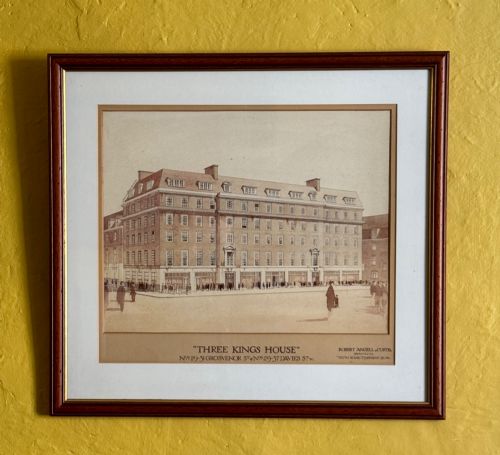
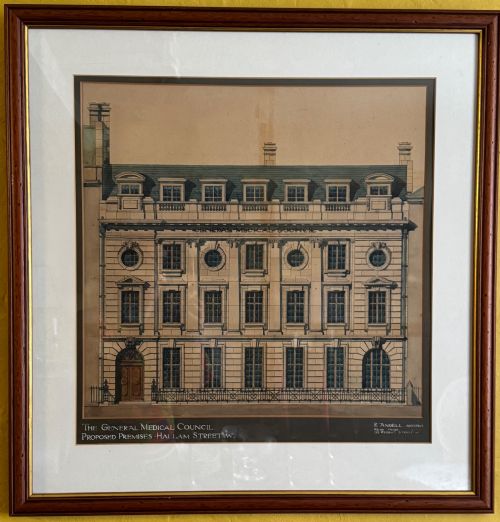
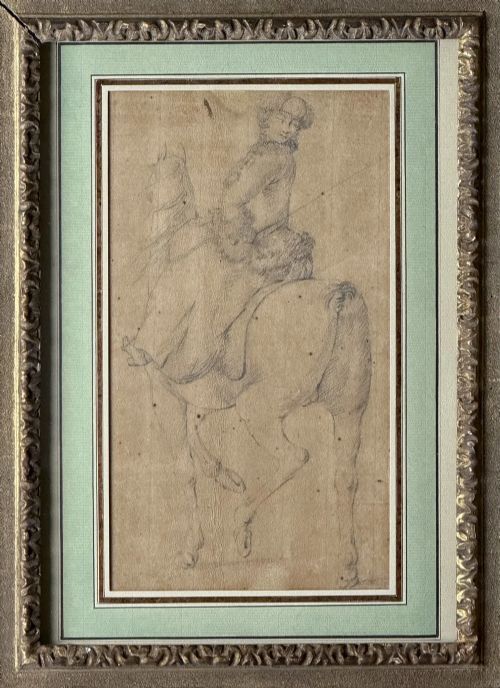
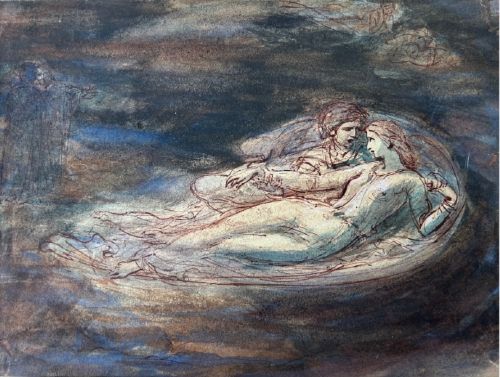
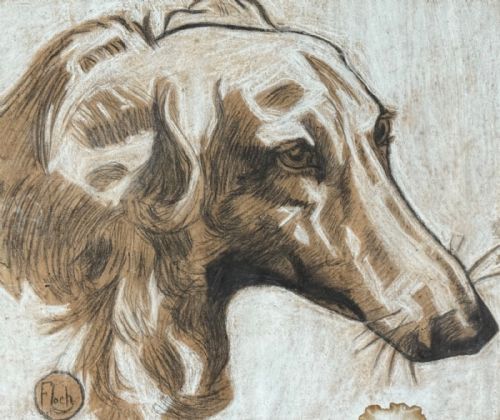
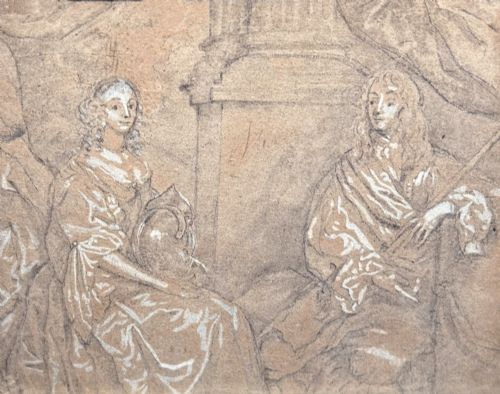
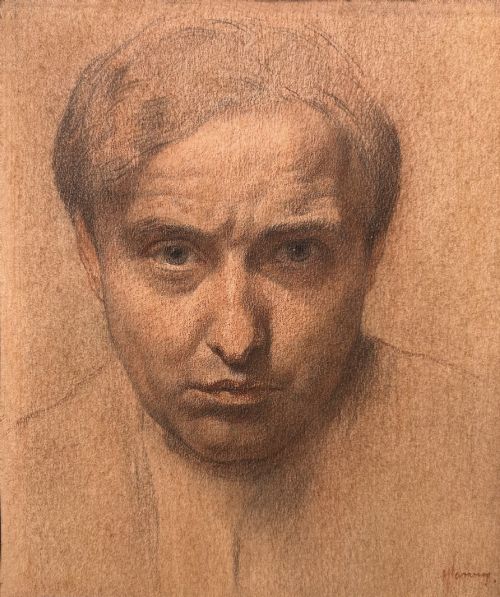
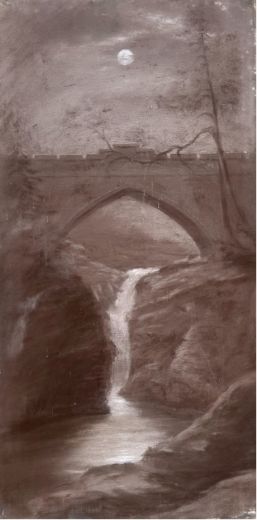
A brown sepia drawing brings monochrome tonal depth to a wall, capturing subjects from theatrical figures to landscapes through rich iron-based pigment washes.
Brown Sepia Drawing
A brown sepia drawing sits within the broader category of works on paper, capturing subjects ranging from equestrian studies and portraits to architectural plans and landscapes. When searching for this phrase, collectors encounter original artworks executed primarily on paper surfaces, often framed under glass.
The pieces span multiple centuries, originating from diverse regional schools including Early Eighteenth Century Northern European, French, and Modern British traditions. Stylistic variations stretch from Baroque and Pre-Raphaelite interpretations to Early Victorian and Art Deco compositions.
Forms include straightforward ink sketches, wash paintings, and combined media incorporating chalk or graphite. Most examples on this page reflect the nineteenth century, alongside eighteenth-century works and twentieth-century interpretations.
Materials and technique
These works rely on paper as the primary support, occasionally utilising buff paper or canvas to receive the pigment. Artists apply sepia ink, regular ink, and charcoal, frequently augmenting linear work with watercolour washes or chalk.
Draftsmanship depends on fine line drawing, ink and wash techniques, and graphite shading to build shadow and perspective. Protective framing under glass preserves these delicate media from environmental degradation.
Brown Sepia Drawing Retail Price Guide 2026
Typical asking prices for brown sepia drawing among the pieces listed under this phrase on Sellingantiques today, from the lower quarter to the upper quarter. They describe what is for sale here now, not the wider market.
Materials span paper, sepia ink, charcoal, and glass across periods from the eighteenth century through the nineteen-sixties.
Distinctions in quality
The calibre of a work rests upon the sureness of the hand behind the ink or charcoal, where confident line weight and controlled wash application distinguish accomplished draughtsmanship from hesitant execution. Mastery of tone and perspective within monochrome limitations elevates certain studies far above standard sketches.
Context and provenance further separate pieces, particularly when an artwork ties directly to a documented artist, a specific historical school, or a recognised architectural and theatrical subject. The subtlety with which sepia ink and wash convey light and shadow determines the visual impact of the composition.
Peter Lely·Herbert Johnson Harvey·Lawrence Stephen Lowry·Henri Josephe Hesse·George Richmond·John Thirtle·Thomas Lound
The Brown Sepia Drawing Glossary
- Sepia ink
- A brown pigment traditionally derived from the ink sac of the cuttlefish, prized by artists for its warm tonal qualities.
- Wash
- A thin, fluid layer of watercolour or ink applied evenly across paper to create smooth background tones or shadowed areas.
- Buff paper
- A pale yellowish-brown or greyish-brown paper stock that provides a mid-tone background for charcoal, gouache, and pencil.
- Gouache
- An opaque water-based paint composed of pigment, water, and a binding agent such as gum, yielding solid matte areas of colour.
Brown Sepia Drawing: Frequently Asked Questions
What is a brown sepia drawing?
A brown sepia drawing is an artwork executed primarily with ink derived from cuttlefish sepia, often combined with wash, chalk, or graphite on paper.
These pieces range from quick compositional sketches to highly finished portraits and landscapes produced across the eighteenth, nineteenth, and twentieth centuries.
How should I frame a drawing?
Works on paper require framing behind glass to protect the delicate medium from dust, moisture, and handling.
Utilising conservation-grade mount board prevents direct contact between the paper surface and the glass, ensuring the ink and watercolour remain stable.
How do I identify the period?
Dating relies upon the paper stock, stylistic conventions of the depicted figures, and any accompanying signatures or historical inscriptions.
Examining the framing materials, such as early burr frames, alongside the clothes and hairstyles of portrait subjects often provides clear chronological clues.
Where were these drawings created?
The listings encompass various regional traditions, featuring works from British, French, and Northern European schools.
Artists produced these studies both indoors within studios and outdoors while travelling through landscapes in Scotland, France, and Italy.