
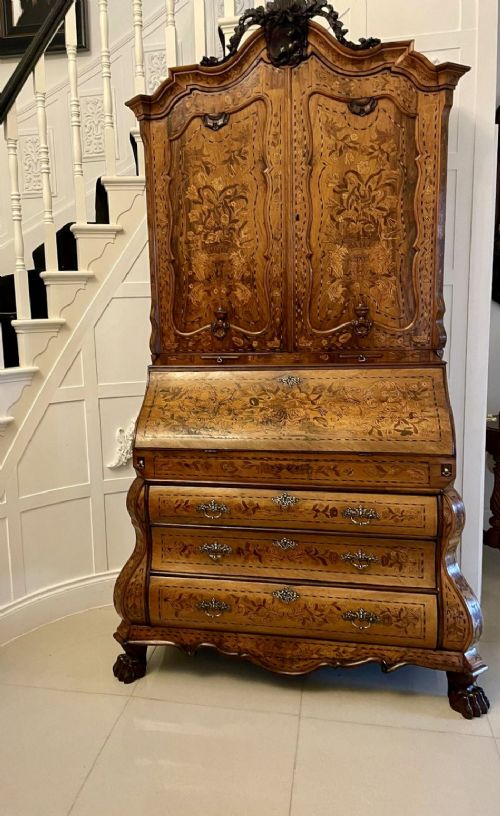
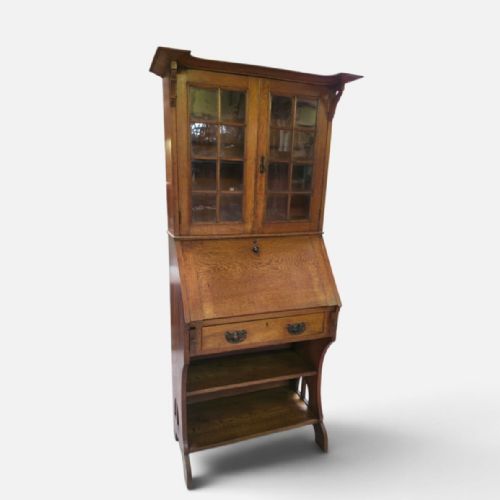
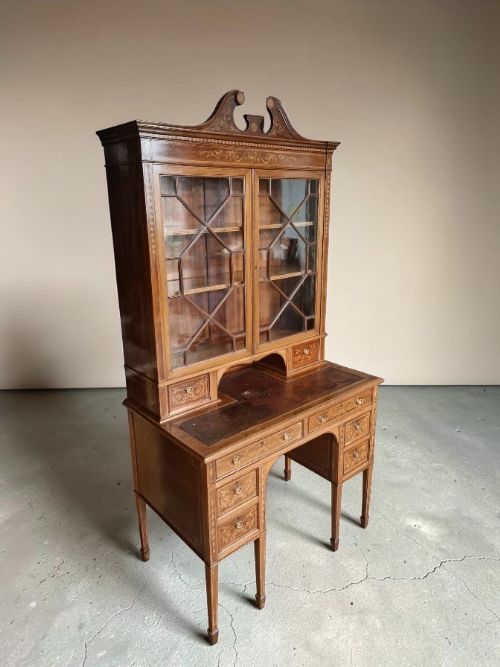
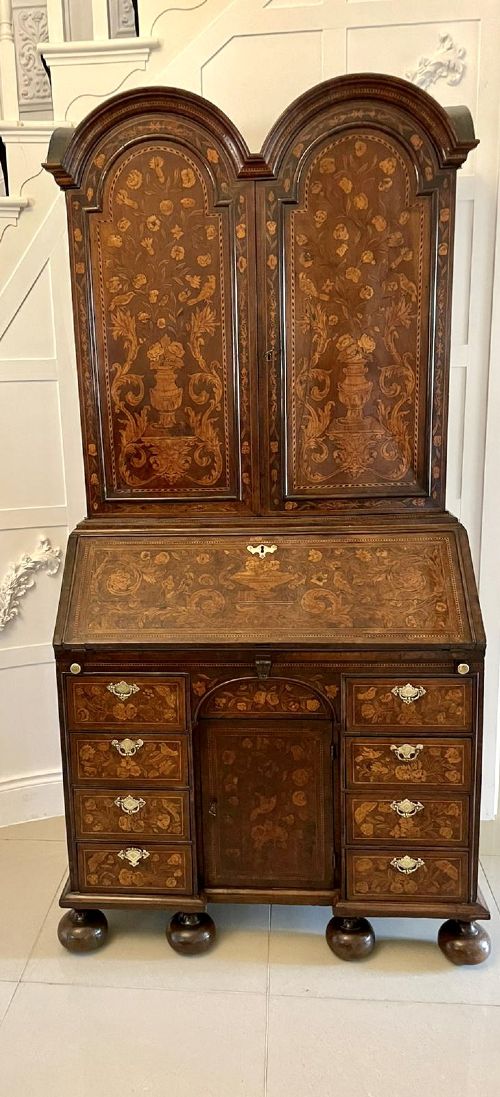
Brown Secretary Desk
A brown secretary desk combines a private writing flap with generous shelving, offering a practical workspace for modern rooms.
Brown Secretary Desk
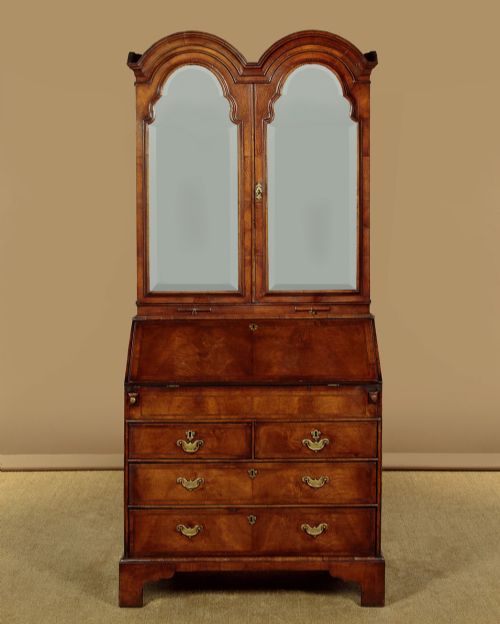
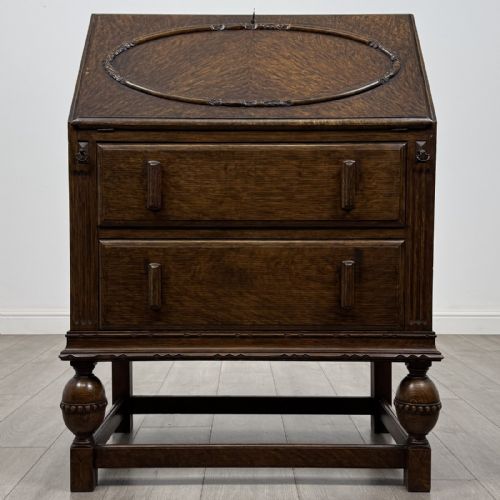
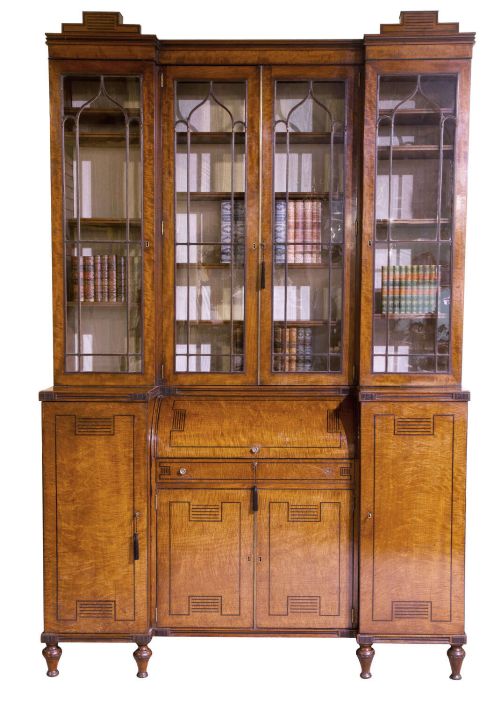
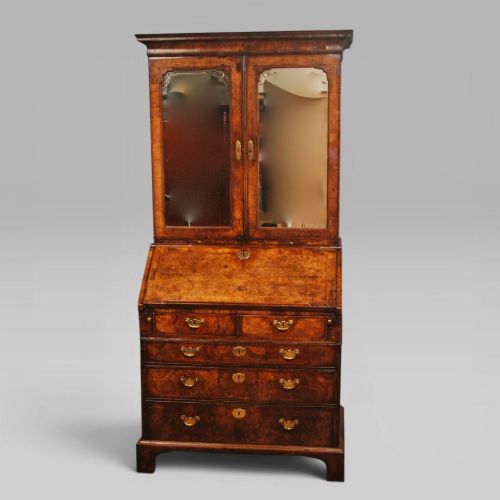
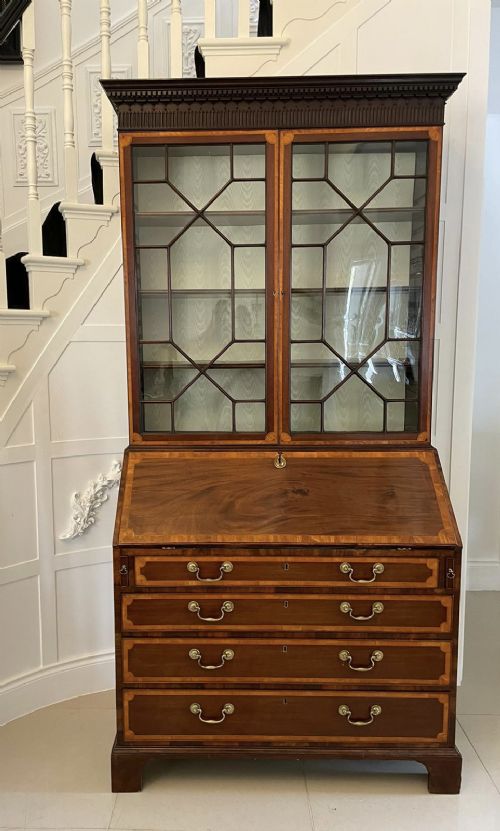
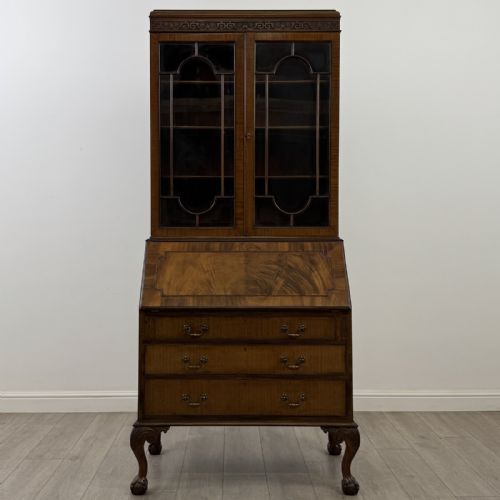
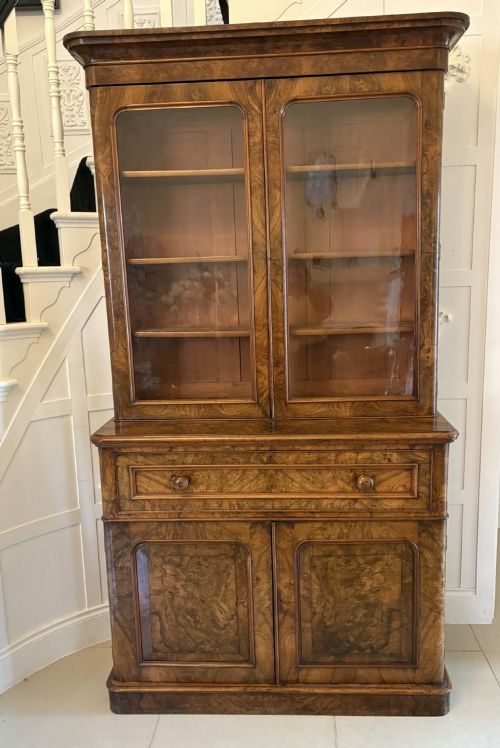
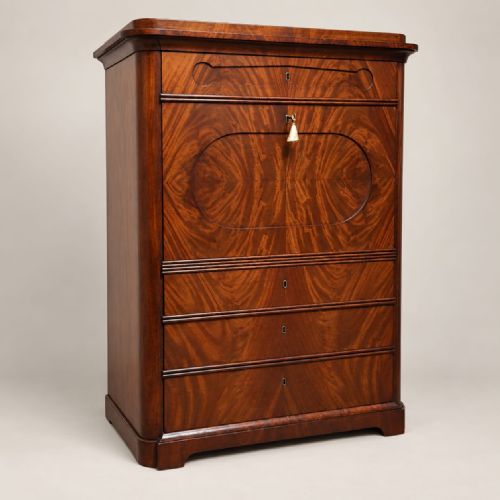
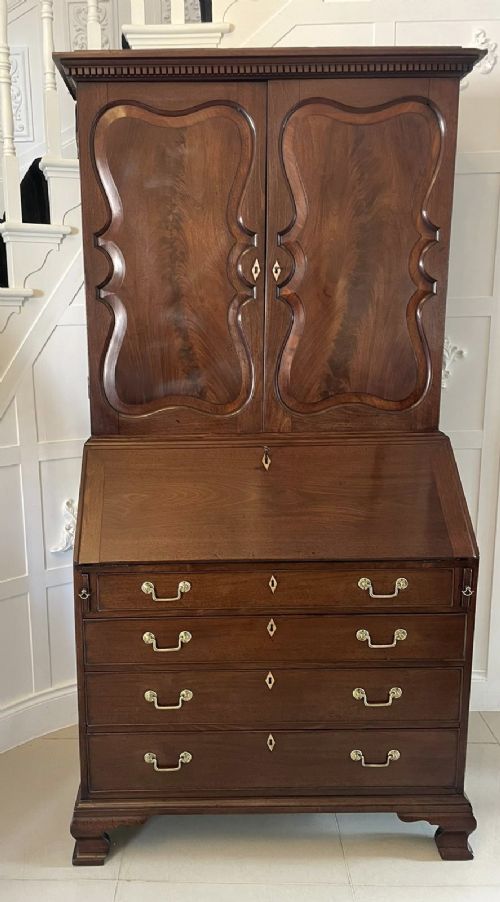
A brown secretary desk, often listed as a bureau bookcase or secretaire, serves both as a concealed writing cabinet and a display or storage unit. These pieces span the seventeenth, eighteenth, and nineteenth centuries, alongside Edwardian and later interpretations.
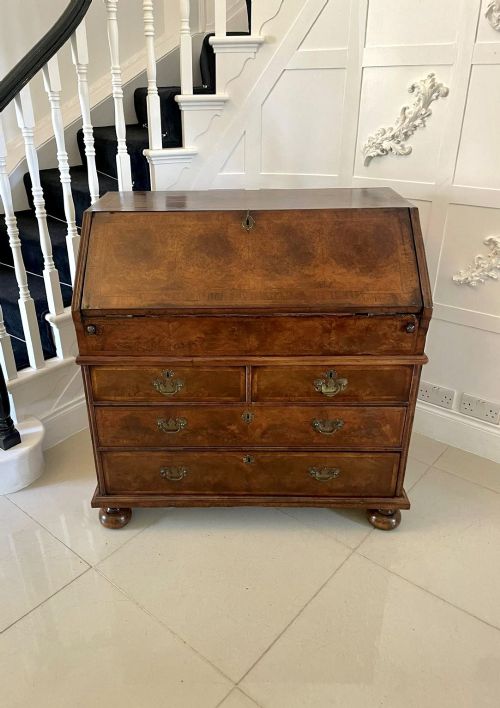
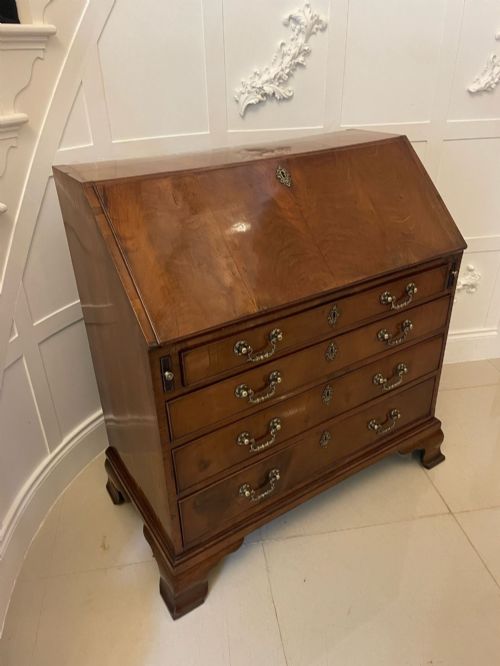
The form typically pairs a fall-front writing flap or pull-out drawer with fitted interior pigeonholes, standing upon drawers or a stand. Glazed upper doors appear frequently on taller bookcase variants to house libraries.
Mahogany and walnut predominate across Georgian and Victorian examples, while oak and yew anchor earlier or Arts and Crafts iterations.
Materials and construction methods
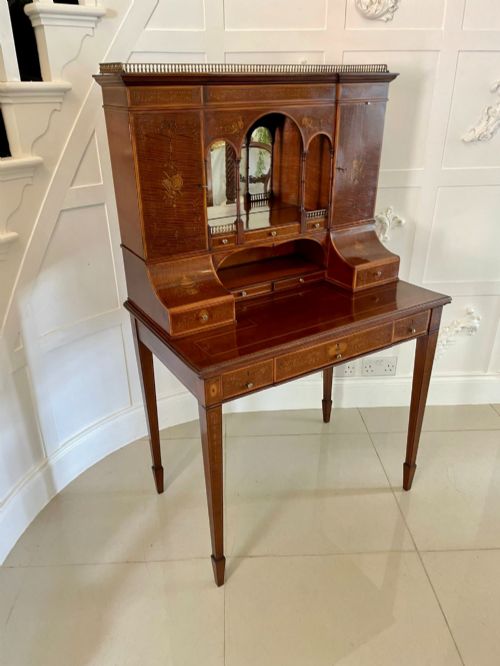
Cabinetmakers utilised rich timber veneers such as burr walnut, flame mahogany, and satinwood, often enhanced by herringbone inlay or marquetry flowers. Solid oak and walnut form the structural carcases of earlier pieces.
Brass handles, escutcheons, and occasional mirrored doors complete the construction, while fitted interiors reveal small drawers and stepped compartments.
Listings feature woods spanning mahogany, oak, burr walnut, satinwood, and yew.
Distinctions in quality
Finer examples display careful timber selection, such as matched flame mahogany or symmetrical burr walnut veneers, which create rich visual movement across the fall front. Plain timber surfaces rely on proportion and subtle grain rather than decorative inlay.
The interior fitments separate standard pieces from superior works, with stepped pigeonholes, secret compartments, and leather-lined writing surfaces indicating higher workshop standards.
The Brown Secretary Desk Glossary
- Bureau bookcase
- A writing cabinet featuring a fall-front desk section beneath a glazed bookcase top. This combination provides both storage and display functions.
- Secretaire a abattant
- A tall vertical cabinet with a drop-front writing drawer or flap. It originates from continental European cabinet-making traditions.
- Marquetry
- Decorative veneer work forming pictorial or floral patterns using various tinted woods. Craftsmen cut contrasting veneers to fit precisely within geometric or organic designs.
- Astragal glazed
- Glass doors divided by narrow wooden bars into small panes. These framework bars often take geometric or curved shapes.
- Featherbanded
- Fine decorative banding formed by veneers laid at alternating angles to resemble a feather. It outlines drawer fronts and cabinet doors on walnut pieces.
Brown Secretary Desk: Frequently Asked Questions
How do I use a secretary desk today?
The drop-front flap folds down to create a compact writing ledge, concealing papers and laptops when closed. Fitted interior compartments help organise correspondence and small stationery items.
Upper shelving accommodates books or decorative objects, making these desks suitable for living rooms and studies where floor space is limited.
How do I tell Georgian from Victorian pieces?
Georgian pieces generally show restrained classical proportions with premium mahogany or walnut veneers and subtle stringing. Brass hardware tends to be cast rather than stamped.
Victorian and Edwardian examples often feature heavier carved details, burr walnut veneers, and varied revival styles such as Jacobean or Queen Anne influences.
What is the difference between a bureau and a secretaire?
In British furniture terminology, a bureau usually denotes a desk with an angled fall-front flap that opens downward. A secretaire often refers to a drawer within a larger chest or bookcase that pulls out and drops down to reveal a writing surface.
Both forms hide fitted interior compartments behind the writing flap to keep documents private.
Are these desks suitable for small rooms?
The vertical design concentrates storage, workspace, and display into a single footprint against the wall. Tall bookcase variants draw the eye upward while occupying minimal floor area.
Closing the fall-front flap immediately hides paperwork, maintaining a tidy appearance in multipurpose spaces.