
Brown Round Table
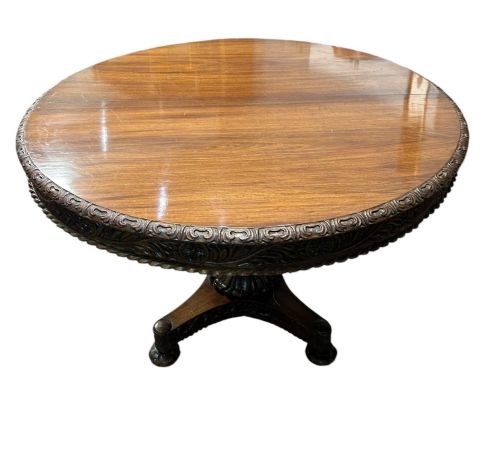
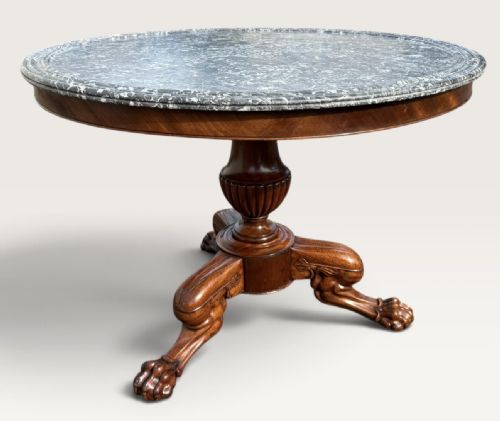
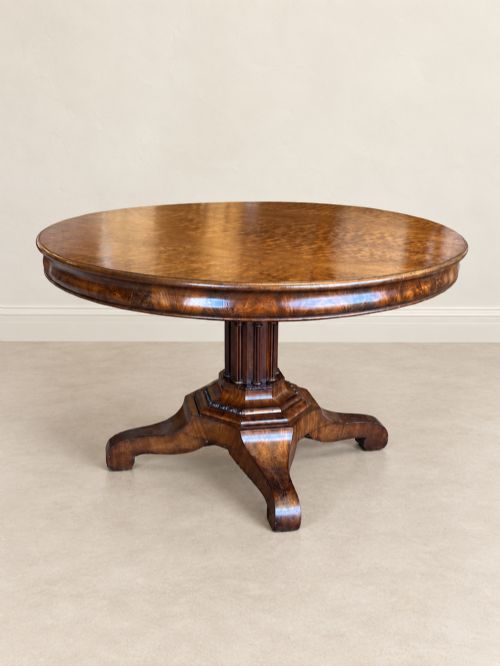
A brown round table brings proportion and warmth to a room, offering everything from heavy oak dining pieces to delicate walnut wine stands.
Brown Round Table
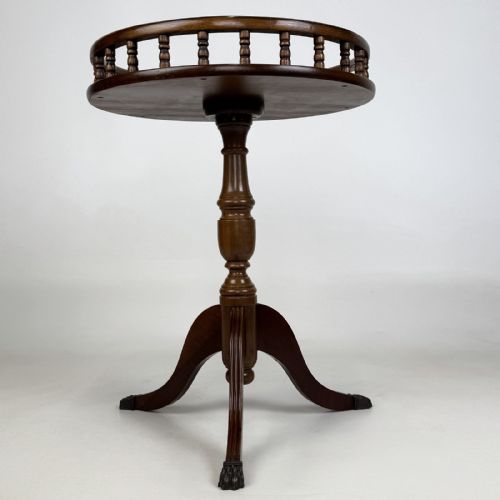
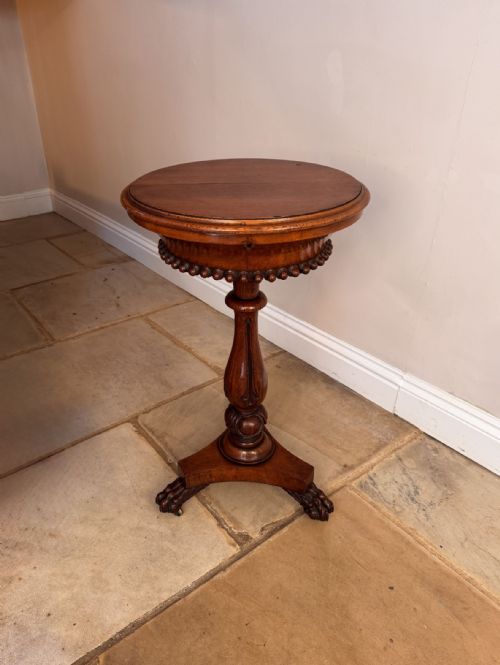
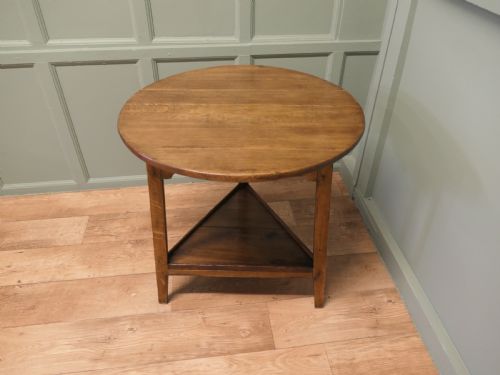
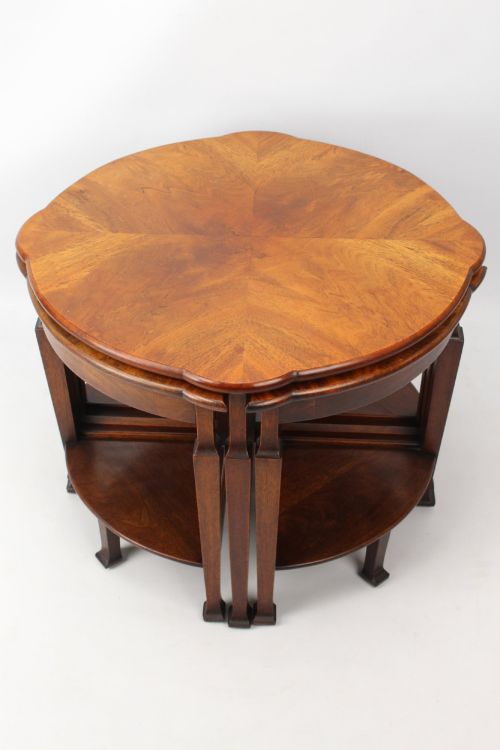
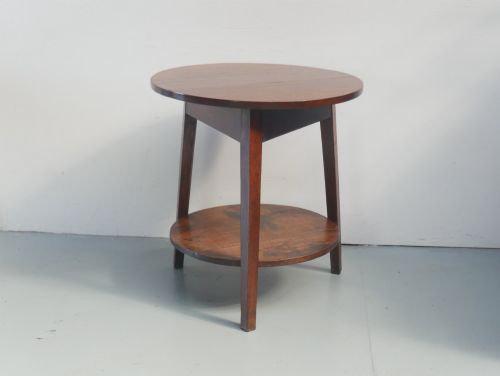
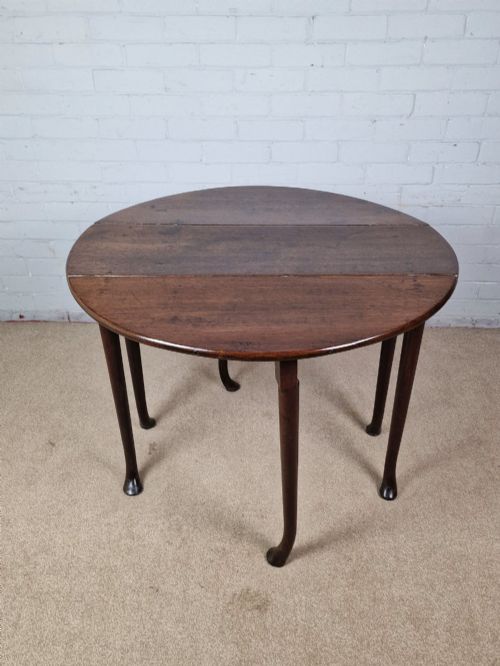
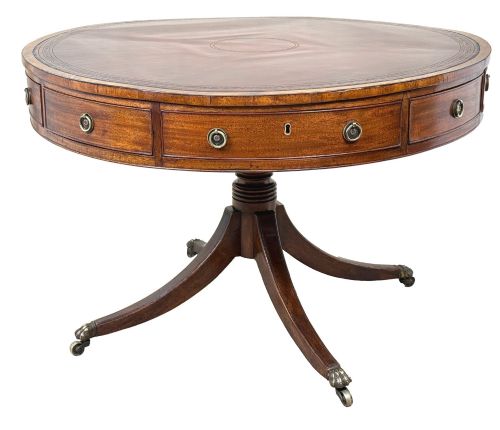
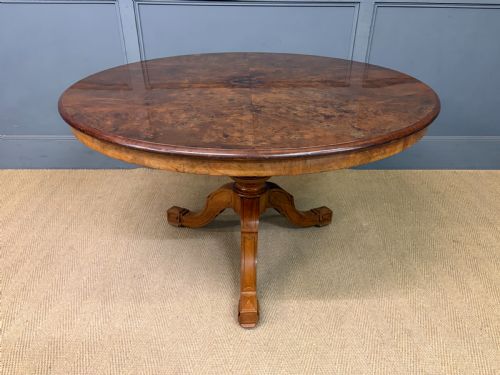
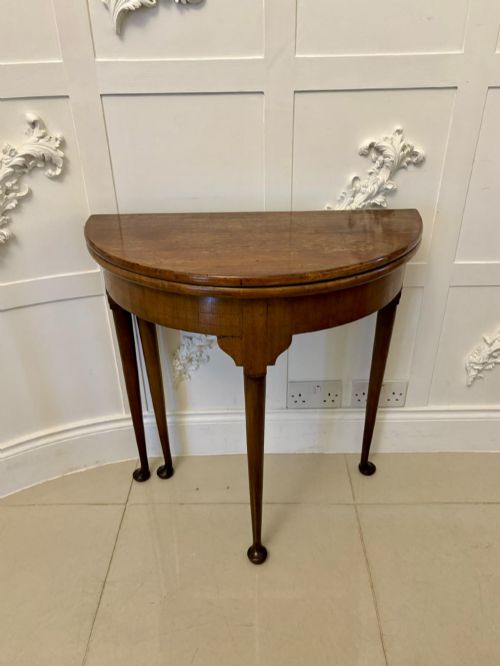
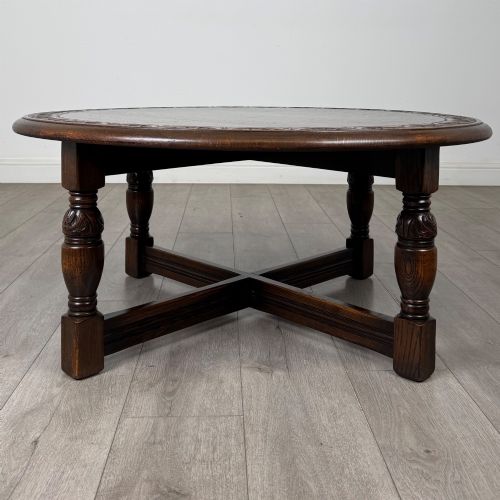
A brown round table spans a vast domestic vocabulary, appearing as compact tripod wine tables, sturdy oak cricket tables, and substantial mahogany dining pieces. The selection on this page leans heavily toward English and French examples shaped across the Georgian, Victorian, and Edwardian eras, alongside later Art Deco interpretations in walnut.
Buyers seeking a brown round table encounter numerous functional types, including centre tables meant for the middle of a room, tilt-top tables designed to stow against a wall, and low occasional or coffee tables adapted for modern living spaces. Oak and mahogany dominate the earlier centuries, while burr walnut and rosewood define the mid-to-late Victorian and Edwardian periods.
Evaluating Craftsmanship
Quality in a brown round table rests upon the selection of timber figure, such as burr walnut or figured mahogany, and the crispness of hand-carved details on legs and edges. Superior examples display seamless veneer matching and stable pedestal construction that prevents wobble in central column designs.
The integration of secondary materials like marble tops, brass inlay, or ebony stringing distinguishes high workshop output from simpler country pieces. Original mechanisms on tilt-top and gate-leg tables further separate utilitarian items from master cabinetmaker productions.
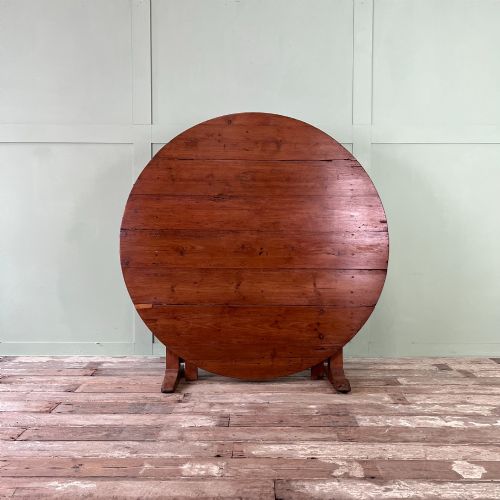
Some French vendange tables spent their early working lives covered in grape juice during autumn harvests before finding retirement as parlour coffee tables.
Gillows·Edwards & Roberts
The Brown Round Table Glossary
- Tilt top
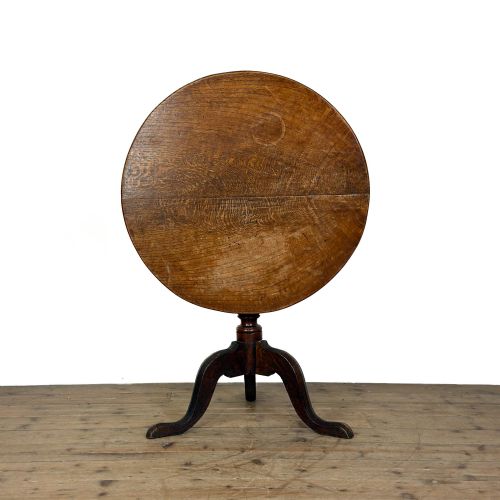
- A circular table top mounted on a hinge mechanism that allows the surface to fold vertical when not in use. This clever space-saving design became common in Georgian and Regency dining and wine tables.
- Cricket table
- A small, three-legged occasional table traditionally constructed from oak with a round top. The three-legged format ensured stability on uneven farmhouse floors.
- Tripod table
- A freestanding table supported by a single central pillar that splits into three distinct feet. This form gained immense popularity during the 18th century for tea and wine service.
- Centre table
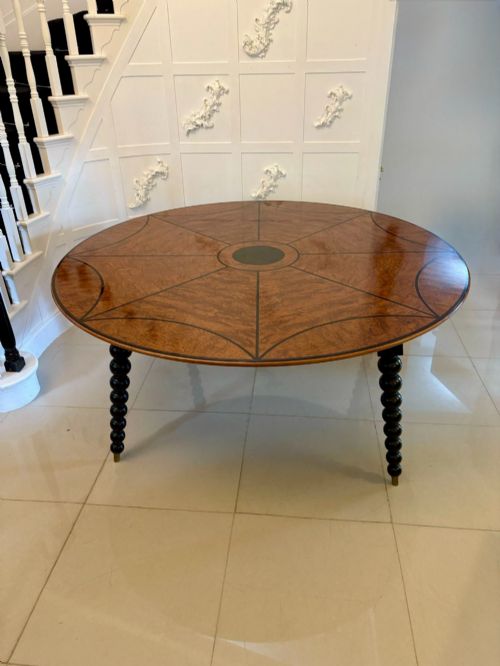
- A freestanding table finished on all sides to stand in the middle of a room rather than against a wall. Victorian and Regency examples often featured elaborate pedestal bases or marquetry tops.
- Marquetry
- The art of applying decorative pieces of veneer to a structure to form intricate patterns or pictures. Walnut and exotic hardwoods were frequently utilised for this detailed inlay work.
Brown Round Table: Frequently Asked Questions
What is a tilt top table used for?
A tilt top table served primarily as a flexible dining or tea surface that could be folded vertical and stored against a wall when floor space was needed. In smaller rooms or parlours, this mechanism kept the chamber open during daylight hours.
Today, owners often keep the top flat to display objects, though the hinged mechanism remains a hallmark of period cabinetmaking.
How do I date an oak cricket table?
An oak cricket table is typically dated by its construction marks, timber colour, and the simplicity of its three-legged stretchers. Earlier 18th-century versions display hand-riven oak boards and peg joinery without metal fasteners.
Later Victorian and Edwardian revivals often feature tighter, machine-cut joints and a lighter surface patina compared to their earlier country predecessors.
Where should I place a centre table?
A centre table belongs in the middle of a room where its design can be appreciated from all 360 degrees. These pieces were historically used to hold lamps, books, or floral arrangements in large halls and drawing rooms.
Ensure there is enough walking clearance around the perimeter of the table to maintain proper traffic flow in your space.
How do I care for a mahogany table?
Mahogany tables require regular dusting with a soft, dry cloth and occasional application of quality beeswax to nourish the timber. Avoid placing wooden surfaces near direct heat sources or in harsh sunlight to prevent the polish from fading.
Using coasters and placemats protects the historical finish from moisture rings and heat damage during daily use.