




Brown Pottery Sculpture
Brown pottery sculpture brings earthy depth and ancient form into a room, offering tactile presence through figures, vessels and animals shaped from clay over centuries.
Brown Pottery Sculpture
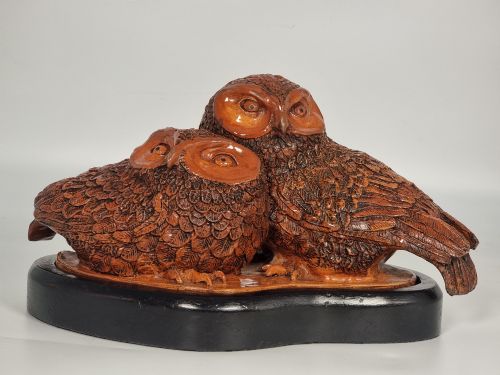
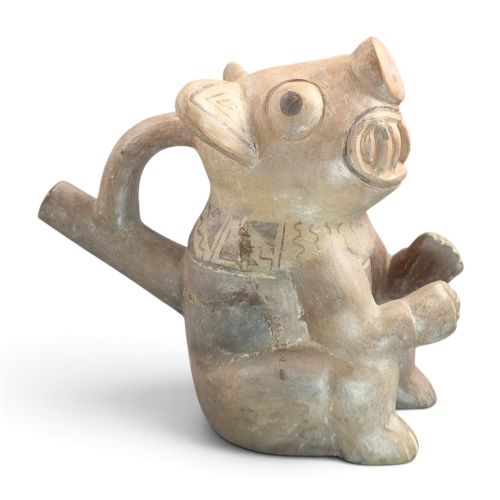
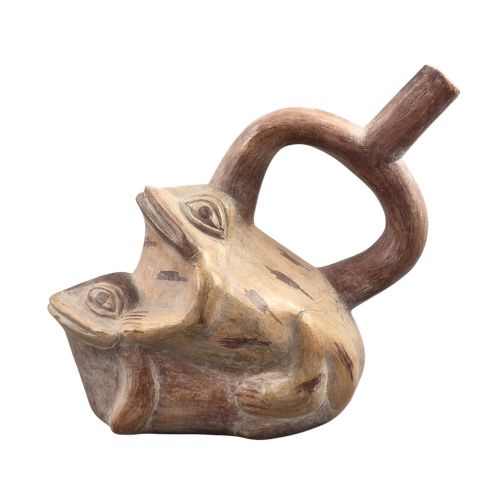
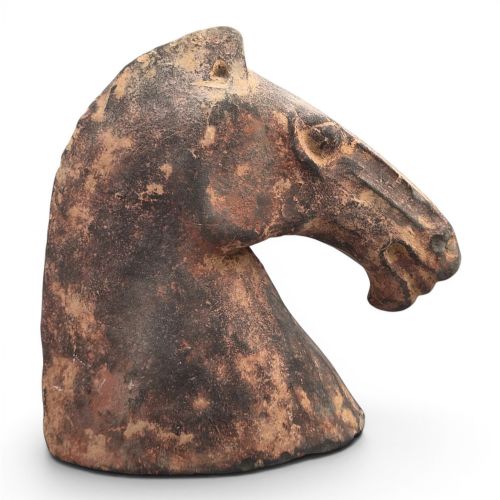
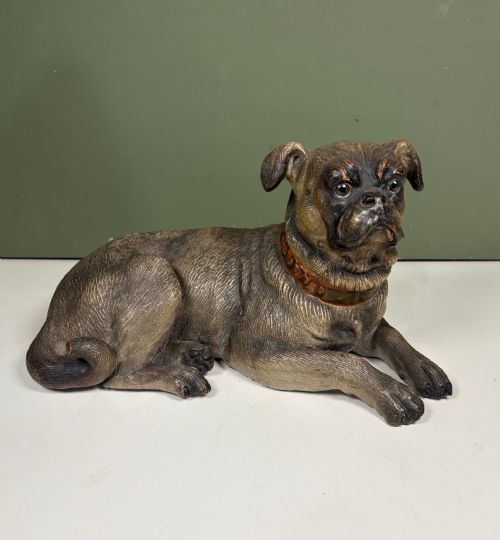
When you search for brown pottery sculpture, you encounter a diverse gathering of figures, vessels and animal models spanning from Pre-Columbian times to the twentieth century. These pieces encompass everything from ancient terracotta tomb figures and zoomorphic vessels to nineteenth-century earthenware dogs and European studio sculptures.
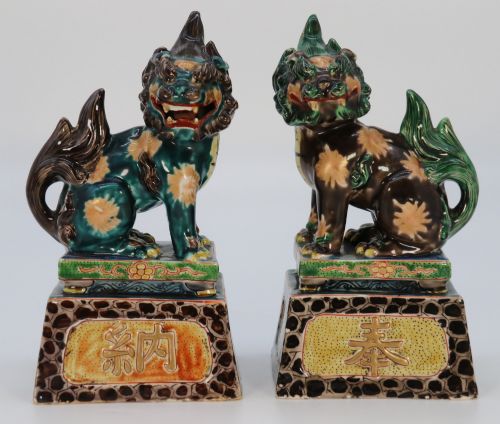
You are most likely to meet nineteenth-century and early twentieth-century works alongside ancient pieces originating from Chinese dynasties, South American cultures and European potteries. The forms range from pairs of Buddhist lions and ShiShi dogs to human figures and mythical creatures, reflecting varied cultural traditions in working with clay.
The materials and finishes vary considerably across periods, showing the natural tones of fired earth, painted pigments and applied glazes. Whether handling an eighteenth-century pearlware group or an Art Nouveau earthenware figure, each object demonstrates the enduring appeal of sculptural ceramic art.
Materials and construction methods
These sculptures are formed from basic earthy mediums including terracotta, earthenware, stoneware and clay. Artisans shaped these materials by hand or used moulds before firing the pieces in kilns to achieve a durable ceramic body.
Surface decoration frequently involves natural pigments, coloured glazes or specialised finishes like sancai glazing. These treatments protect the porous body while imparting distinct tonal qualities that range from matte earth to glossy sheen.
Brown Pottery Sculpture Retail Price Guide 2026
Typical asking prices for brown pottery sculpture among the pieces listed under this phrase on Sellingantiques today, from the lower quarter to the upper quarter. They describe what is for sale here now, not the wider market.
Listings feature works spanning from Pre-Columbian eras and Chinese dynasties through to Victorian and Art Nouveau periods.
Factors of quality and execution
The standard of a brown pottery sculpture rests upon the precision of the modelling and the expressiveness of the form. Finer pieces display confident hand-sculpting and careful attention to anatomical or stylistic detail, whereas simpler works exhibit heavier, more commercial execution.
Ralph Wood·Goldscheider
The Brown Pottery Sculpture Glossary
- Terracotta
- A porous, brownish-red earthenware clay that is fired at relatively low temperatures. It is commonly left unglazed to reveal the natural matte earth tone.
- Earthenware
- Pottery fired at lower temperatures that remains porous unless glazed. This material forms the base of many historical figures and decorative vessels.
- Stoneware
- A sturdy, vitrified pottery type fired at higher temperatures until impermeable to liquids. It offers a dense, durable body suitable for robust sculptural forms.
- Glaze
- A glassy coating fused to the ceramic surface during firing. It provides colour, texture and a protective seal over the clay body.
- Mingqi
- Burial goods placed in tombs during Chinese dynasties to accompany the deceased. These figures often include terracotta horses, attendants and animals.
- ShiShi
- A traditional guardian lion or lion dog depicted in Asian art. These sculptural figures frequently appear in pairs guarding entrances or sacred spaces.
Brown Pottery Sculpture: Frequently Asked Questions
How old are these pottery sculptures?
The age of these sculptures spans a vast timeline, ranging from ancient Pre-Columbian and dynastic pieces over two thousand years old to nineteenth- and twentieth-century European works. Each period utilises distinct regional techniques and styles that help indicate its historical origin.
Examining the wear, clay composition and firing characteristics provides further clues to dating. Consulting specific stylistic traits ensures accurate placement within a historical context.
Where were these sculptures made?
Originating from diverse global traditions, these pieces come from China, Japan, pre-Columbian Americas and various European countries including Austria and Britain. Each region developed distinct aesthetic preferences for representing human, animal and mythical figures in clay.
Local material availability, such as specific local clays and mineral pigments, heavily influenced the appearance of the finished sculpture. This regional variety creates a rich tapestry of sculptural forms.
How should I display brown pottery?
Display these sculptures on stable surfaces away from high-traffic areas to prevent accidental knocks. Because many pieces consist of porous terracotta or earthenware, keeping them in stable indoor humidity protects the clay body.
Adequate lighting enhances the natural textures and muted tones of the glaze or raw clay. Grouping complementary forms, such as pairs of animal figures or matching vessels, creates a balanced visual display.
Are these sculptures waterproof?
Most of these pieces are decorative sculptures, figures or dry vessels rather than functional containers. Earthenware and terracotta bodies are inherently porous unless thoroughly glazed on the interior.
Using them to hold water or plants can damage the historic clay or painted surface. It is safest to keep them strictly for dry display.