


Brown Portrait Study Oil
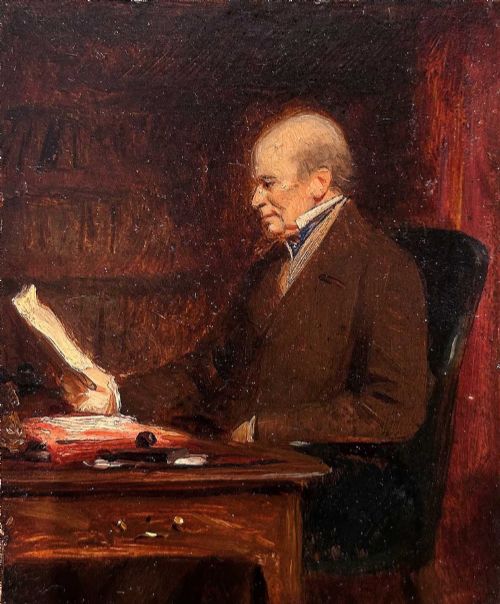
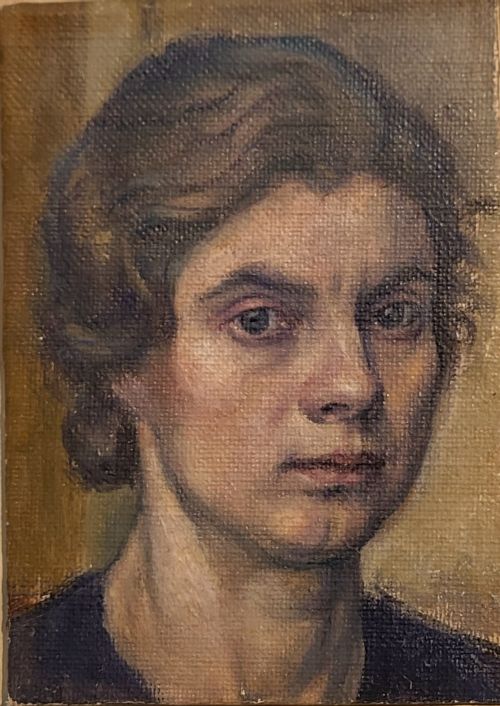
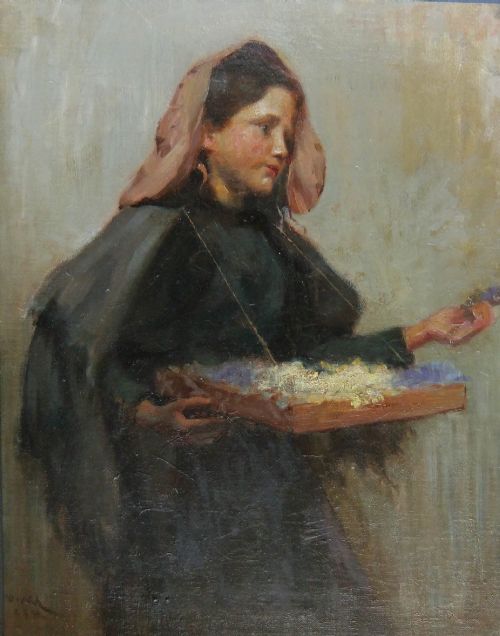
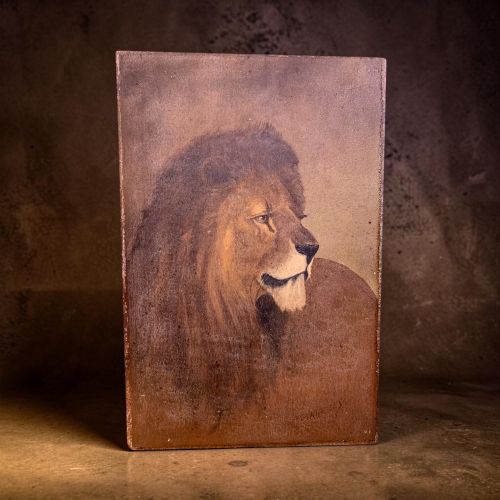
These brown portrait study oil works capture character and likeness across centuries of painting traditions.
Brown Portrait Study Oil
When you search for a brown portrait study oil, you encounter figurative paintings that use subdued earth tones, monochromatic palettes, and dark umber glazes to focus attention on facial structure and expression. These pieces range from rapid preparatory sketches made before a grand commission to finished character studies created by academic, folk, and impressionist painters.
The selections span multiple eras, offering works from the seventeenth century through to post-war twentieth-century modernism. You will find depictions of notable figures, anonymous sitters, children, and animals rendered with varying degrees of finish.
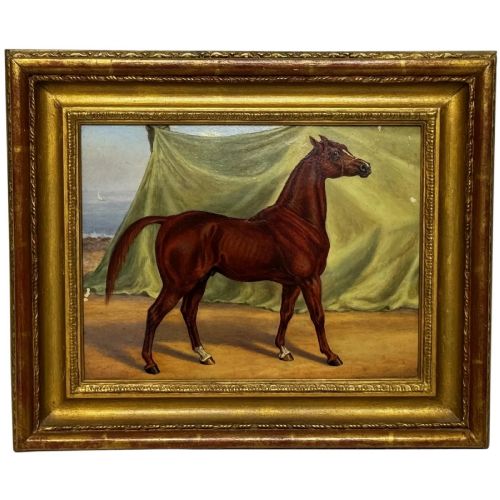
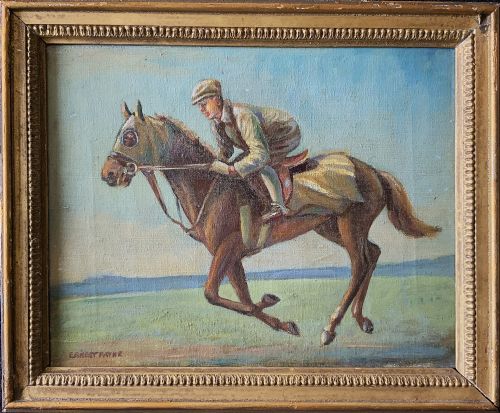
British, European, and colonial schools are represented, showing how artists utilised dark palettes to create dramatic lighting effects and deep psychological intensity. Many examples come mounted in period giltwood frames that complement the warm, dark tones of the canvas or panel.
Materials and technique
Artists painted these works using oil paint applied to stretched canvas, wooden panels, artists' palettes, or thick board. The ground layers often relied on dark red or brown priming, which showed through thin applications of pigment to unify the composition.
Brushwork varies from tight, academic precision that meticulously records every detail to loose, impressionistic strokes that capture a fleeting expression quickly. Pigments derived from earth minerals provided the durable browns and ochres that dominate these palettes.
One determined canine managed to sit for posterity directly upon an artist's wooden palette.
Judging quality in portrait studies
The strength of a portrait study lies in the artist's ability to render bone structure, light falling across the face, and psychological depth with economy of line. A superior work demonstrates confident brushwork and precise anatomical observation, whereas lesser examples can feel stiff or poorly proportioned.
The handling of the dark background tones also distinguishes finer pieces from ordinary ones. Skilled hands build up transparent glazes and subtle shifts in tone, preventing the dark areas from appearing flat or muddy.
Stephen Pearce·Ernest Payne·William Watt Milne·Hans Temple·Roberto Venturi·Raymond Arthur Roadnight·Allan Gwynne Jones·Charlotte Blakeney Ward·Adrian Bury
The Brown Portrait Study Oil Glossary
- Ground
- The initial preparation layer applied to a canvas or panel before painting begins. Dark grounds are common in older portraiture to create rich shadow depths.
- Glaze
- A thin, transparent layer of oil paint laid over a dry underlayer to modify colour depth and luminosity. This technique creates the rich shadows seen in dark portraits.
- Panel
- A rigid wooden support used for painting instead of stretched canvas. Panels often survive from earlier centuries and offer a stable surface for detailed work.
- Academic
- Art produced under the influence of official European academies of fine art. These works follow strict rules of proportion, drawing, and classical composition.
- Impressionism
- A nineteenth-century style characterised by relatively small, thin, yet visible brush strokes and an emphasis on accurate depiction of light.
Brown Portrait Study Oil: Frequently Asked Questions
What is a portrait study?
A portrait study is a painting executed to explore the likeness, expression, or lighting of a sitter rather than serving as a final formal commission.
Artists frequently used these smaller or less formal works to practice techniques or capture spontaneous moments before committing to a larger canvas.
Why are these paintings mostly brown?
The dominant brown tones stem from traditional underpainting techniques where artists used earth pigments like umber and sienna to establish shadows.
Dark monochromatic or tonal palettes allowed painters to focus entirely on the play of light and shade across the subject's face.
How do I date an old portrait?
Dating relies on the style of clothing, facial hair, framing materials, and the physical characteristics of the canvas or wooden panel.
Signatures, written inscriptions on the reverse, and historical records regarding the sitter also provide reliable chronological markers.
Are these paintings finished artworks?
Some pieces are preparatory sketches intended for the artist's reference, while others are fully resolved exhibition paintings.
Collectors often prize studies for their immediacy and the raw insight they provide into the artist's working process.
How should I frame an antique oil?
Antique oil paintings are best housed in period-appropriate frames, such as gilded wood moulding that matches the era of the canvas.
A correct frame protects the edges of the support and enhances the visual depth of the dark pigments.