





Brown Plant Pedestal
A brown plant pedestal raises greenery to eye level, bringing architectural height and timber warmth into a room.
Brown Plant Pedestal
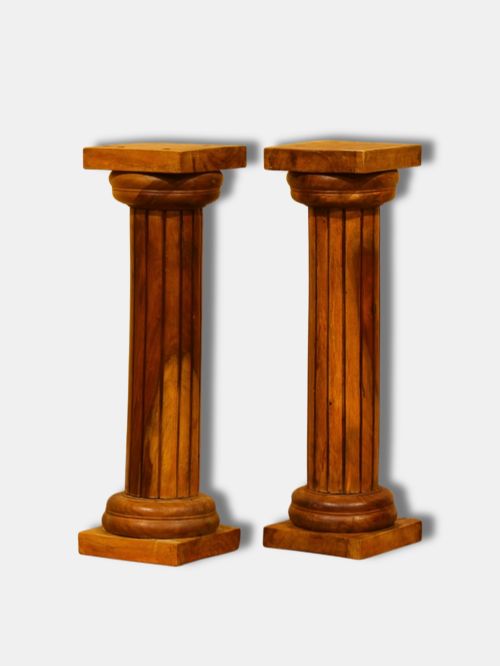
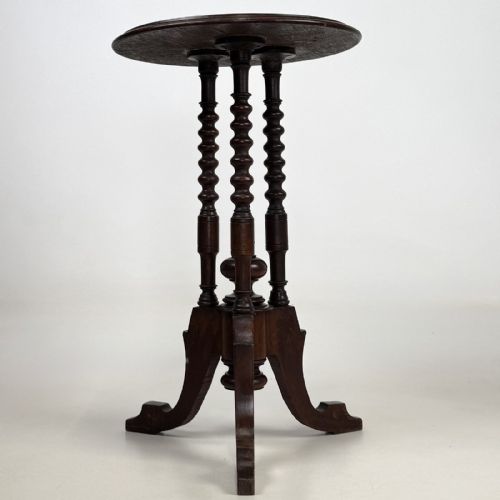
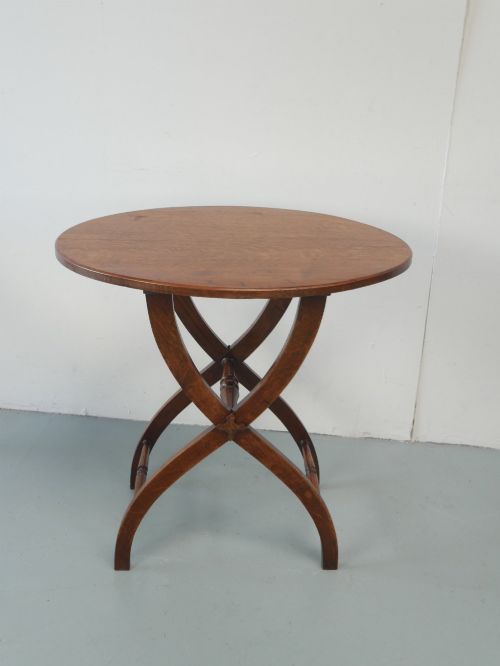
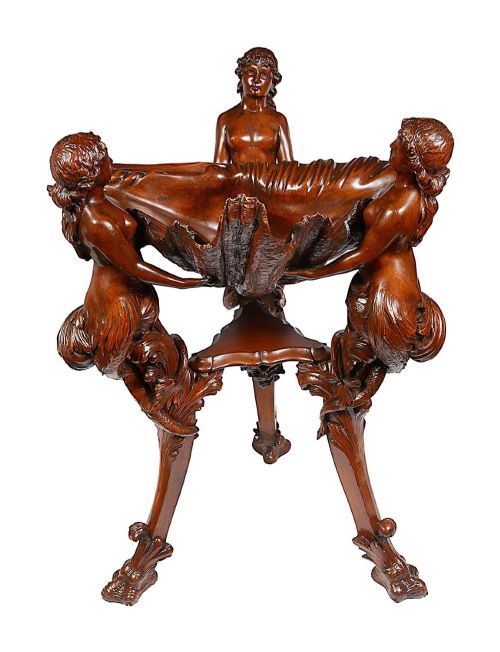
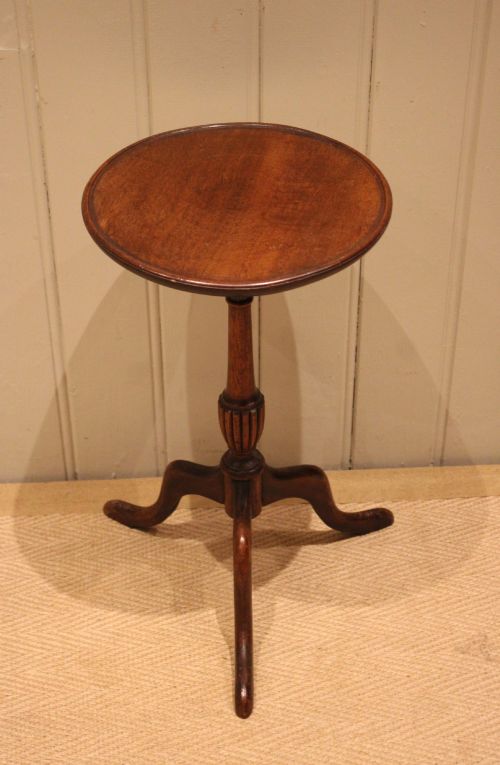
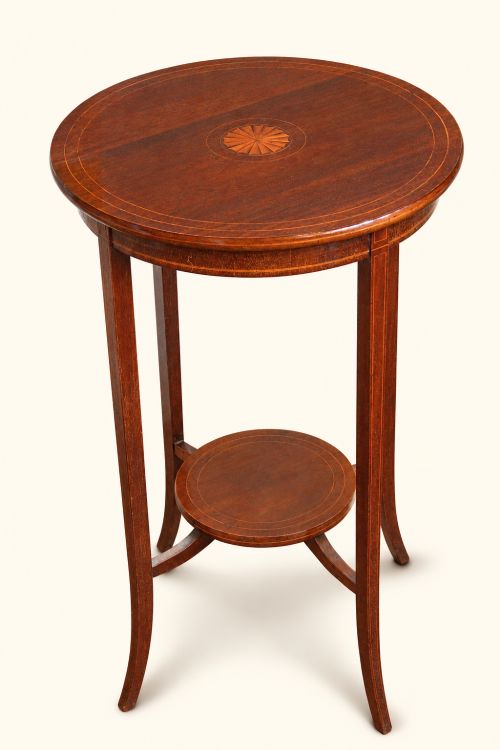
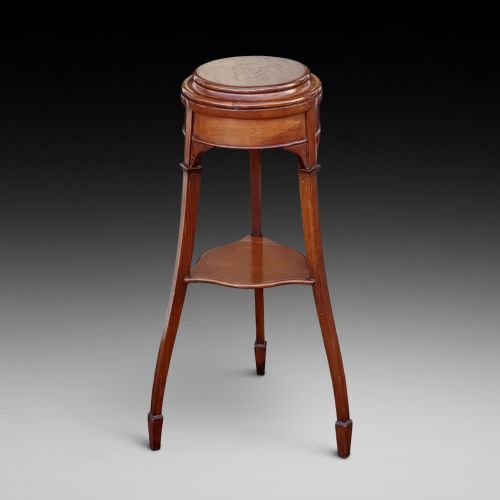
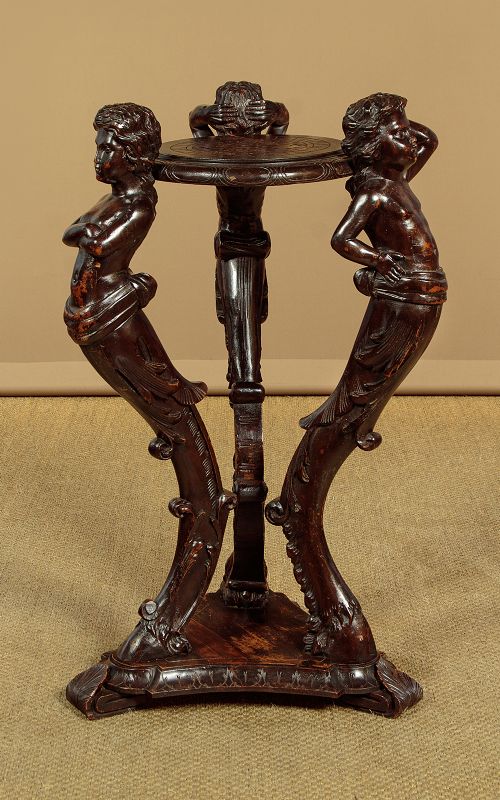
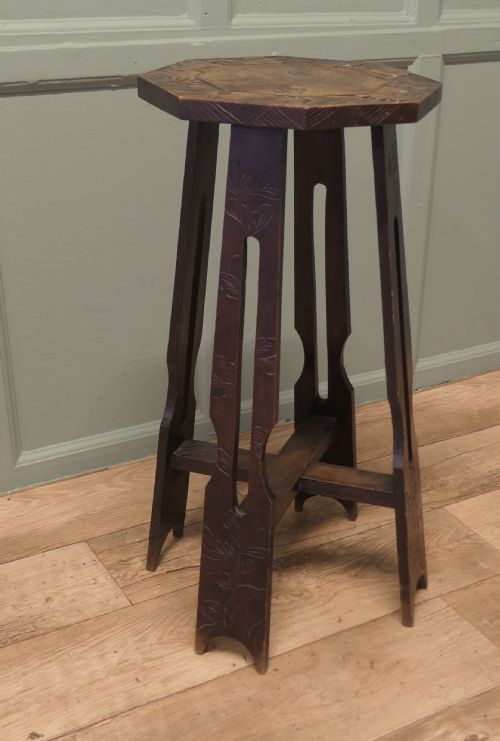
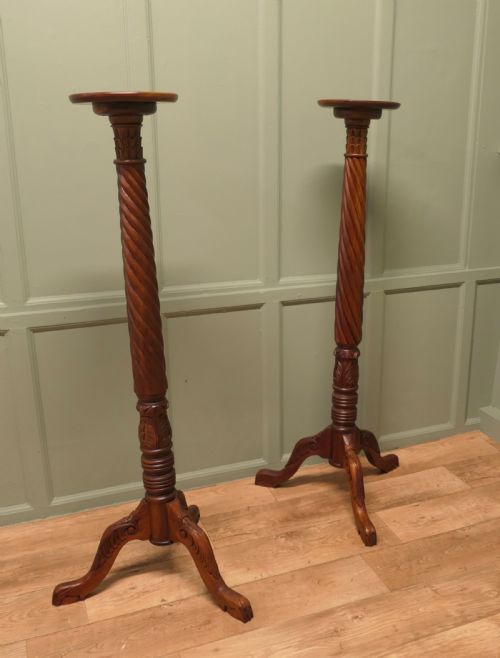
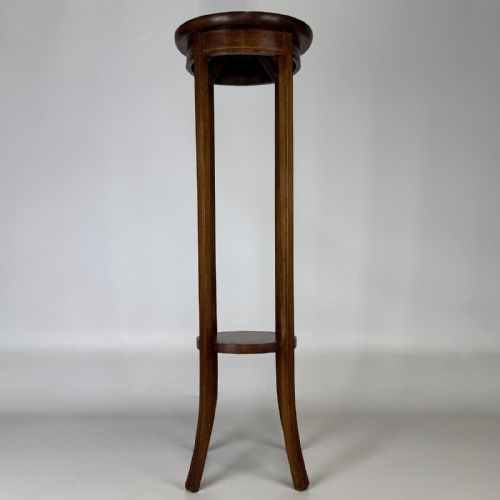
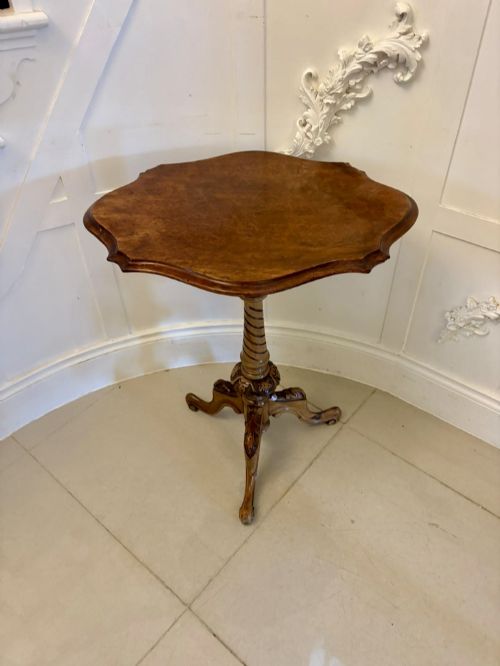
When you search for a brown plant pedestal, you encounter tall stands, torcheres, and small occasional tables designed to display flora or decorative vessels. The examples found here span centuries of craftsmanship, ranging from simple oak holders to heavily carved Italian and Dutch display columns.
Origins vary widely across British, French, Dutch, Italian, and Chinese workshops, introducing diverse regional carving traditions and decorative motifs. Whether you require a compact tripod table or a substantial display pedestal, the variety reflects the changing domestic tastes for interior greenery and display furniture.
Materials and construction
Cabinetmakers constructed these pedestals primarily from dense hardwoods such as mahogany, walnut, and oak, occasionally incorporating exotic timbers like kingwood, satinwood, and elm. These woods provided the necessary structural integrity and weight capacity to support heavy ceramic pots or stone urns without tipping.
Makers utilised traditional joinery alongside intricate decorative techniques, including hand-carving, marquetry, and wood inlay. Surfaces often display turned columns, barley twist stems, or Solomonic shafts, while French and Dutch pieces frequently exhibit fine floral marquetry and contrasting veneer work.
Brown Plant Pedestal Retail Price Guide 2026
Typical asking prices for brown plant pedestal among the pieces listed under this phrase on Sellingantiques today, from the lower quarter to the upper quarter. They describe what is for sale here now, not the wider market.
Judging quality and execution
Quality rests upon the crispness of the hand-carving and the selection of figured timber veneers, where superior examples display tight grain patterns and deeply undercut botanical motifs. Plain structural joints, balanced three- or four-legged bases, and stable top platforms distinguish well-engineered stands from lesser utilitarian pieces.
Provenance and stylistic cohesion elevate certain items, particularly when makers integrate complementary brass mounts, inset marble tops, or distinctive regional marquetry. The depth of the finish and the preservation of the original wood surface remain vital indicators of authentic period craftsmanship.
Liberty & Co·Baillie Scott
The Brown Plant Pedestal Glossary
- Torchere
- A tall, slender stand originally designed to hold a candle or light source, now frequently utilised for displaying plants and decorative urns.
- Marquetry
- The art of applying decorative pieces of veneer to a structure to form intricate geometrical or pictorial designs.
- Solomonic
- A column shape characterised by a helical twist, resembling a spiral vine.
- Jardiniere
- An ornamental pot or stand specifically made for holding plants or floral arrangements.
- Tripod table
- A small freestanding table supported by a pillar above three spreading feet for stability.
Brown Plant Pedestal: Frequently Asked Questions
What is a brown plant pedestal used for?
These pieces function primarily as elevated platforms for potted plants, ferns, or decorative vases, lifting foliage to eye level to break up horizontal room lines.
They also serve as lamp tables or display surfaces for sculptures and ceramics in hallways and corners.
How do I date a wooden pedestal?
Dating relies on examining the timber species, construction joints, and decorative carving styles associated with periods like the Victorian or Edwardian eras.
Secondary indicators include the presence of hand-turned elements, regional inlay techniques, and the natural ageing of the wood finish.
Are these stands stable enough for heavy pots?
Most period pedestals utilise solid hardwoods like oak, mahogany, or walnut, paired with wide tripod or weighted bases designed to prevent tipping.
Heavier items such as marble-topped columns provide exceptional stability for substantial ceramic planters.
Can I use a torchere as a plant stand?
Torcheres were originally built to hold elevated light sources, but their tall, slender proportions make them ideal for trailing plants and display vessels.
Their sturdy vertical shafts accommodate various pot sizes while occupying minimal floor space in domestic interiors.