


Brown Persian Runner
These woven floor coverings offer a glimpse into nomadic and tribal traditions, providing tactile warmth and authentic pattern for modern interiors.
Brown Persian Runner
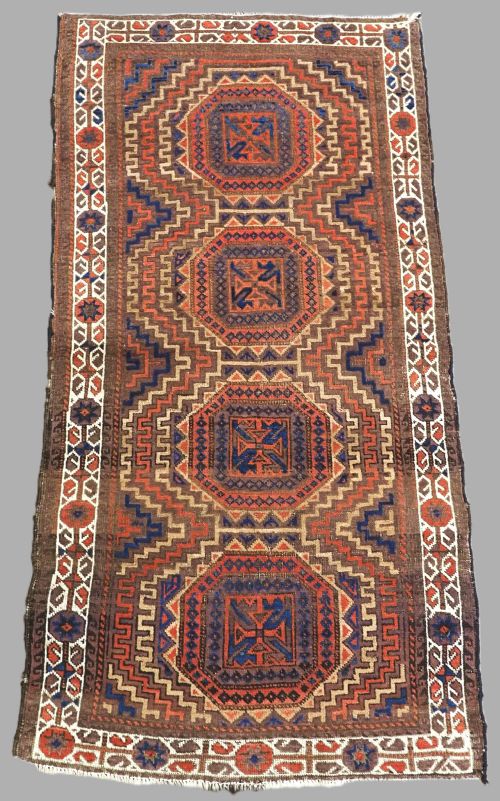
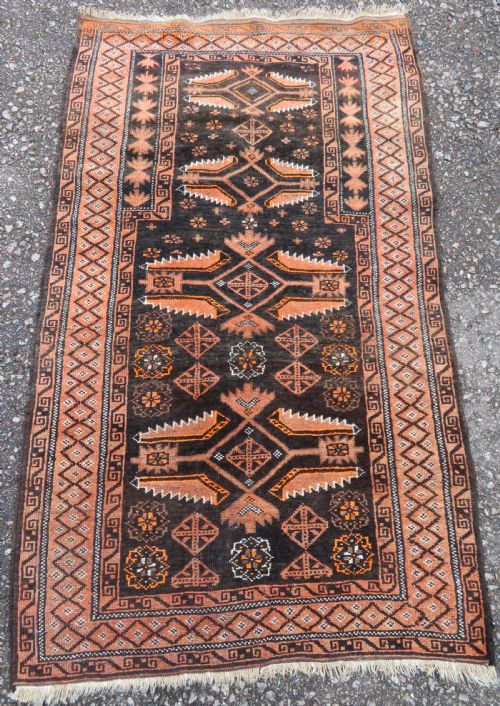
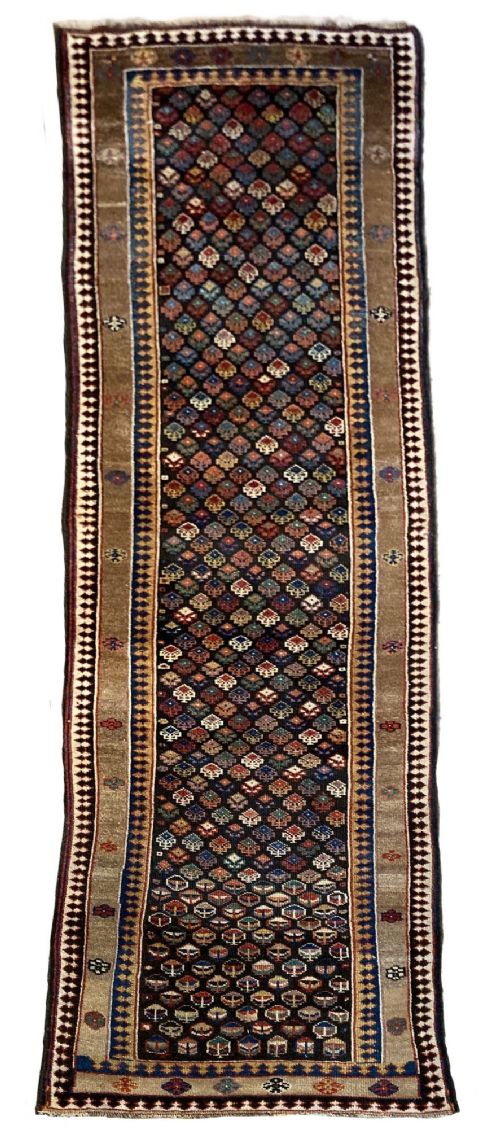
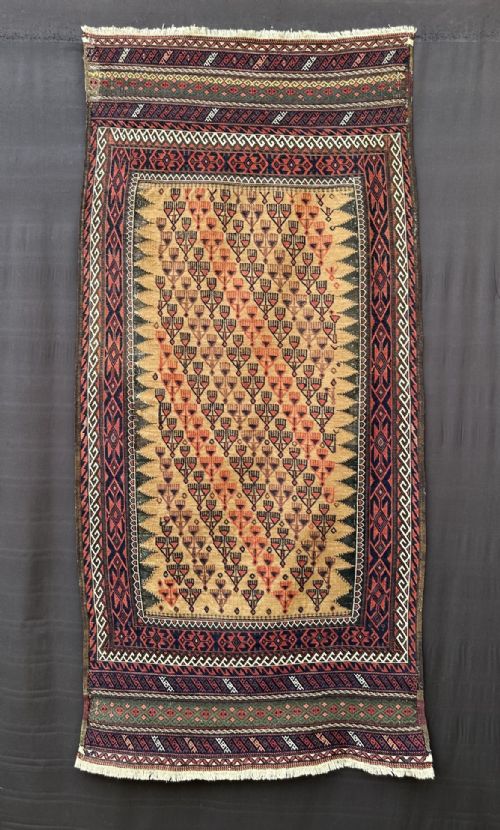
A brown persian runner typically spans narrow formats intended for hallways and corridors, reflecting the practical needs of nomadic and village weavers across western Asia and Persia. When exploring a brown persian runner, buyers encounter pieces originating from tribal groups such as the Kurds, Baluch, and Afshar, dating from the late nineteenth century into the early decades of the twentieth century.
The materials utilised in these long formats lean heavily on durable animal fibres suited to heavy foot traffic, constructed on sturdy foundations. Surviving examples demonstrate the utilitarian roots of tribal weaving, where narrow proportions were dictated by the width of portable horizontal looms set up in camps or village homes.
Materials and construction
Weavers relied on hand-spun wool for the pile, frequently combining it with cotton warps and wefts to ensure structural stability along the length of the runner. Goat hair and camel hair also appear in the mix, particularly in the outer cords and dark outlines that give tribal rugs their characteristic structural definition.
Natural dyes sourced from local plants and minerals create the earthy palette, yielding rich browns, deep indigos, and warm madders that soften gracefully over generations of use. The knotted pile is beaten down tightly with heavy metal combs, creating a dense weave designed to withstand decades of daily wear.
Sharp-eyed observers can occasionally spot rogue bird motifs perched quietly among the geometric trees of nineteenth-century Kurdish runners.
Assessing quality and craftsmanship
Knot density and structural integrity form the primary baseline for distinguishing superior examples, with finer knots allowing for sharper geometric precision in the medallion and lattice motifs. The handling of the natural dyes dictates the visual depth of the wool, as uneven or mottled colour absorption adds a desirable vibrancy missing from uniform commercial dyes.
The suppleness of the foundation and the integrity of the original side selvages reveal the weaver's mastery, ensuring the runner lies flat and maintains its linear geometry along narrow hallways. Pieces retaining their original end finishes demonstrate careful curation and preservation over time.
The Brown Persian Runner Glossary
- Runner
- A long, narrow carpet format traditionally woven for corridors, staircases, and narrow hallways. These pieces typically display repeating medallions or continuous lattice designs.
- Baluch
- A designation for rugs produced by various nomadic and semi-nomadic tribes inhabiting the borderlands of Persia and Afghanistan. They are known for dark wool palettes and intricate geometric motifs.
- Kurdish
- Pertaining to tribal weavers from the mountainous regions of north-west Persia, recognised for sturdy construction and expressive tribal iconography. These pieces often feature saturated natural dyes.
- Gul
- A medallion or floral guli motif repeated across the field of tribal carpets, frequently serving as an identifier for specific tribal groups and clans. The shape is typically octagonal or geometric.
- Sofreh
- A flatwoven or piled cloth utilised primarily for sharing meals or processing flour within tribal households. These textiles display distinct border arrangements and minimalist tribal symbols.
Brown Persian Runner: Frequently Asked Questions
Where should I place a runner in my home?
Narrow floor coverings suit high-traffic thoroughfares such as hallways, corridors, and galley kitchens where linear formats balance empty floor space. Their durable wool and flat foundation allow them to sit comfortably beneath interior doors.
Placing these textiles in transitional spaces also protects vulnerable floorboards while introducing rich texture and earthy tones to otherwise neglected zones of the house.
How do I care for antique wool runners?
Regular gentle vacuuming without a rotating brush roll prevents dust and grit from settling deep into the wool pile. Professional cleaning tailored for antique textiles ensures natural lanolin remains intact within the fibres.
Rotating the piece every few months balances exposure to foot traffic and sunlight, preserving the natural dyes and structural integrity for years to come.
Are these runners made with natural dyes?
Nineteenth and early twentieth-century tribal pieces predominantly utilise natural dye sources derived from local plants, roots, and minerals. These organic colourants produce subtle variations and tonal shifts across the wool pile.
Over decades, these natural pigments soften gracefully, developing a rich patina that synthetic dyes fail to replicate.
What is the difference between Kurdish and Baluch runners?
Kurdish weavings from north-west Persia generally feature heavier wool structures, bolder geometric layouts, and structural formats designed for sustained domestic utility. Their colour palette often incorporates crisp contrast against dark wool grounds.
Baluch pieces from the eastern borders tend toward smaller formats, deeply saturated dark brown or indigo fields, and intricate prayer designs or repeated shrub motifs.