


Brown Pembroke Table
A brown pembroke table offers the versatility of drop leaves and fitted drawers in rich timber.
Brown Pembroke Table
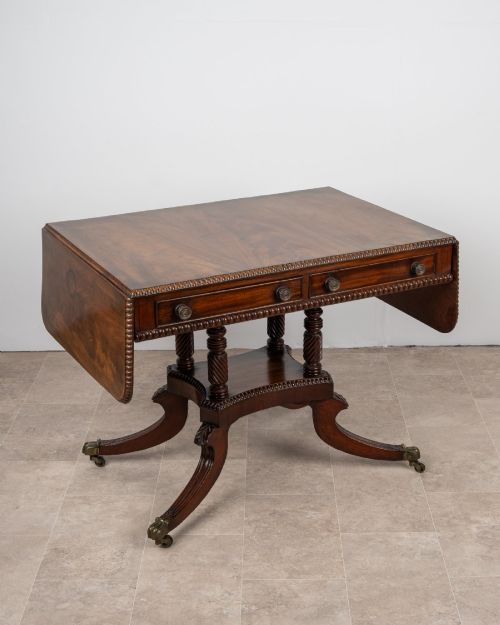
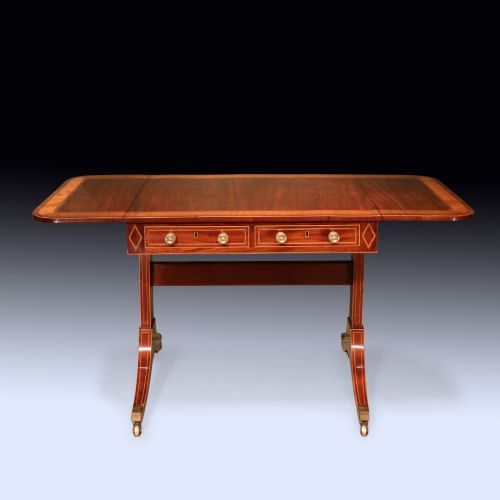
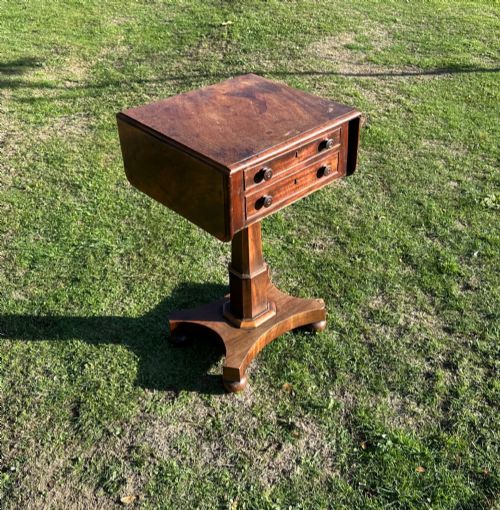
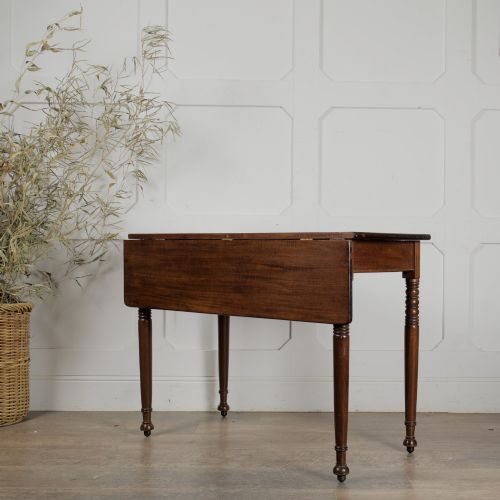
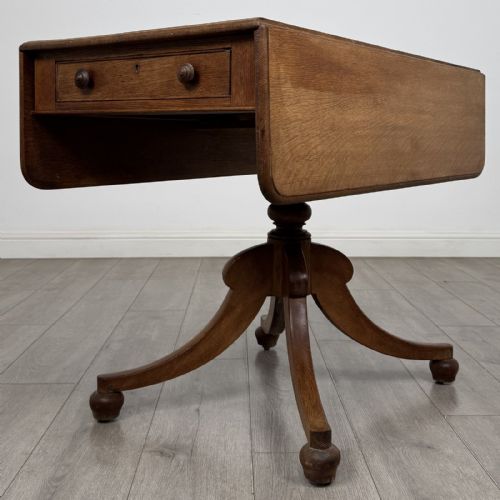
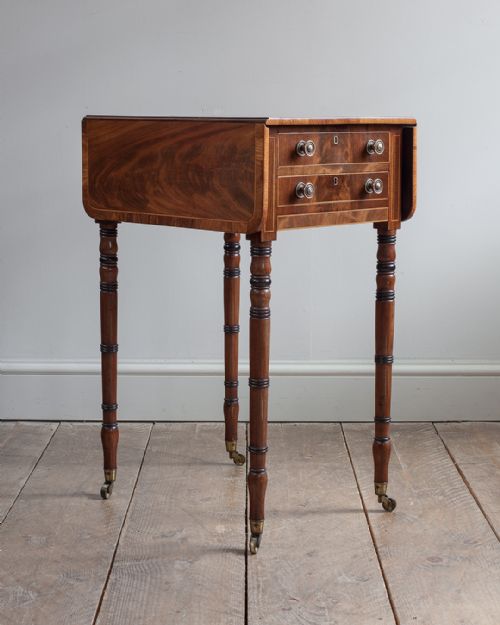
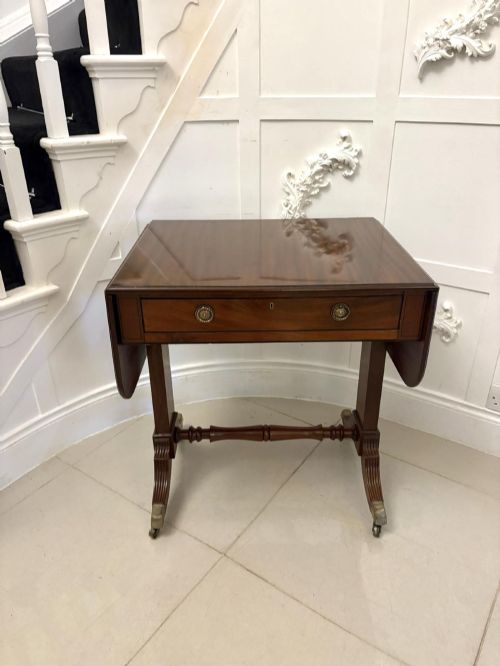
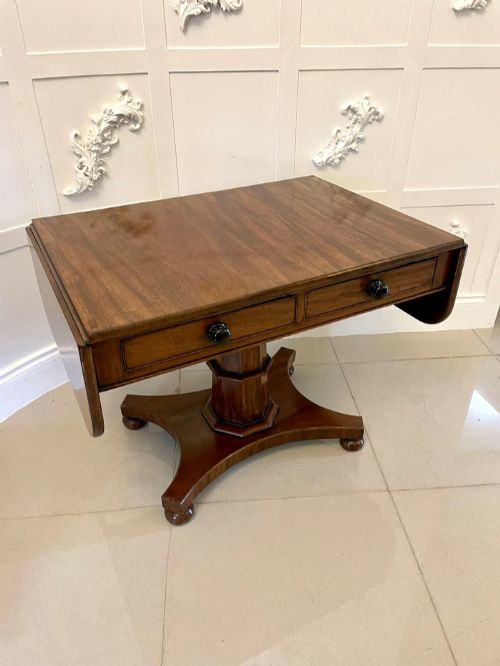
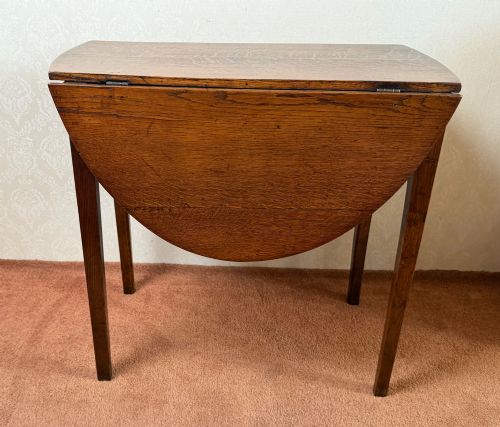
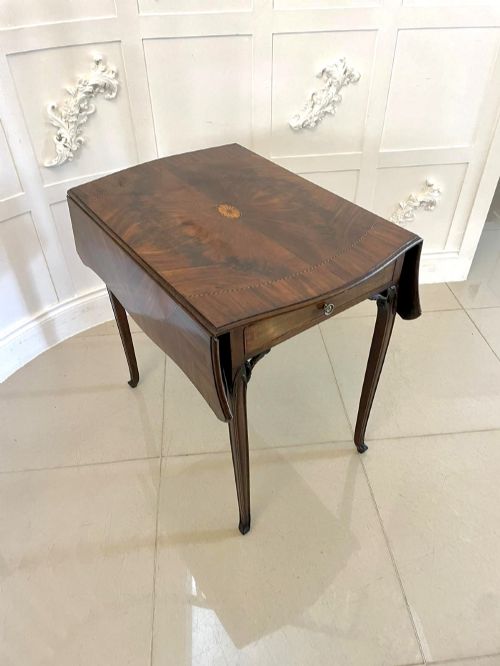
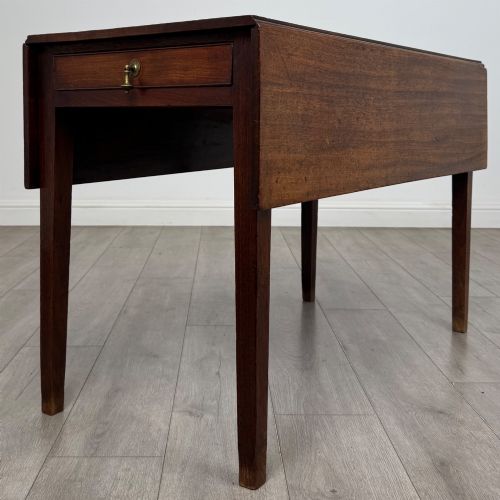
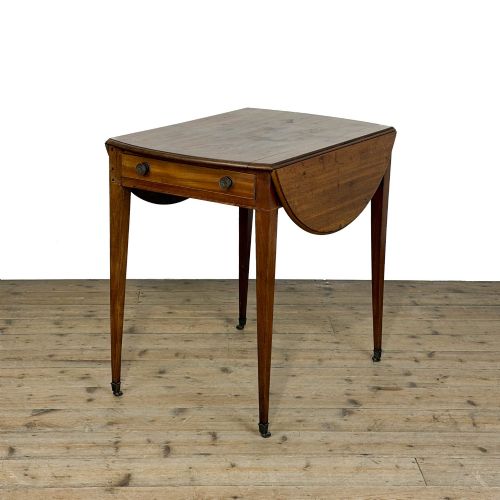
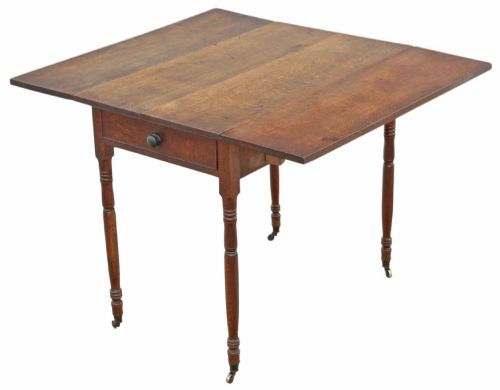
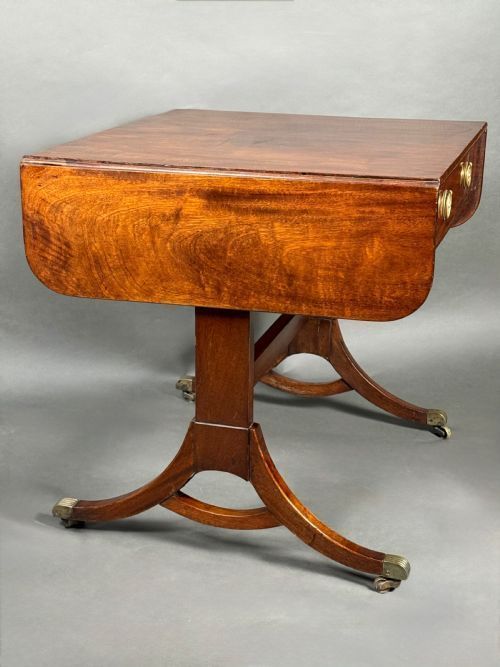
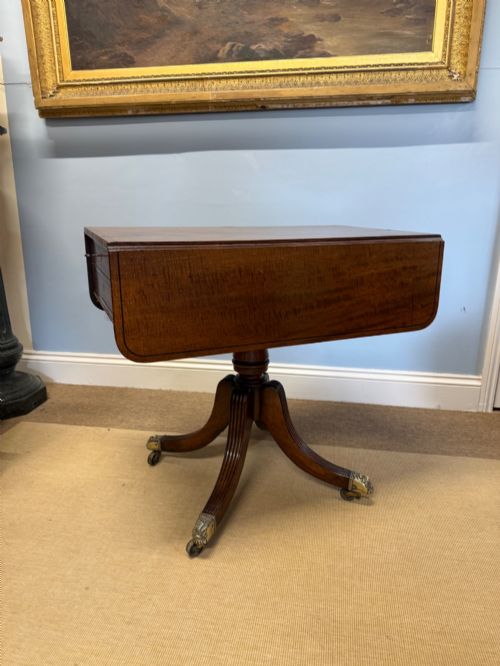
A brown pembroke table is a compact drop-leaf table designed with hinged flaps on opposite sides and typically a single drawer beneath the top. When you search for a brown pembroke table, you encounter pieces intended for versatile placement as side, occasional, or small dining surfaces in period interiors. The version most likely to meet you on this page is a mahogany example dating from the Georgian or Regency periods, often featuring crossbanding or inlay.
The form developed in the eighteenth century and persisted through the Victorian and Edwardian eras, adapting to changing domestic needs without losing its core silhouette. Tables range from rectangular variants with sharp corners to oval formats supported by pillar and claw bases or tapering legs. These pieces suit sitting rooms and studies where surface area must expand or contract according to the occasion.
How they were made
Cabinet makers constructed these tables primarily from solid and veneered mahogany, frequently selecting timbers with highly figured grain patterns such as flame mahogany or burr walnut. Secondary framing timbers like oak appear in drawer construction, while decorative details rely on contrasting veneers including satinwood, harewood, and boxwood. Brass hardware secures the hinges, castor wheels, and drawer pulls that make the tables mobile and functional.
Inlay techniques such as stringing and marquetry define the surface ornamentation of finer examples, set into the primary mahogany ground along the borders of the top and drawer fronts. Drop leaves operate via hinged wooden brackets or pivoting fly brackets that swing out to support the extended flaps. Joinery methods combine traditional mortise and tenon frames with dovetailed drawer boxes, ensuring stability across expanding wood surfaces.
Brown Pembroke Table Retail Price Guide 2026
Typical asking prices for brown pembroke table among the pieces listed under this phrase on Sellingantiques today, from the lower quarter to the upper quarter. They describe what is for sale here now, not the wider market.
What varies in quality
The choice of timber grain dictates much of the visual merit, with finely figured flame mahogany or intricate marquetry sitting at the top of the range. Plain, straight-grained mahogany or utilitarian oak construction marks simpler provincial examples made for everyday use rather than formal reception rooms. The crispness of the boxwood stringing and the depth of the hand-polished finish separate standard workshop pieces from high-style urban furniture.
Proportion and structural integrity also separate fine examples from ordinary ones, particularly in how the drop leaves meet the fixed centre section when extended. Refined tables retain original brass castors and well-fitted drawers with hand-cut dovetails, whereas lesser pieces show clumsy repairs or mismatched replacement hardware. The sophistication of the leg design - whether tapering spade feet, turned columns, or reeded Regency legs - reflects the ambition of the original maker.
The Brown Pembroke Table Glossary
- Pembroke table
- A small drop-leaf table with hinged flaps on two opposite sides, usually equipped with one or more drawers. The form became popular in the eighteenth century for breakfast and writing.
- Drop leaf
- A hinged section of a table top that folds down when not in use and lifts up to expand the surface area. These leaves are supported by pivoting wooden brackets or swing legs.
- Crossbanding
- A strip of veneer applied around the border of a table top with the grain running perpendicular to the central panel. This technique creates a distinct visual frame.
- Stringing
- Thin lines of contrasting wood inlay used to outline the edges of table tops, legs, and drawer fronts. It adds linear definition to mahogany surfaces.
- Satinwood
- A durable, light-coloured exotic timber used for contrasting inlay and decorative veneers on eighteenth and nineteenth-century furniture.
Brown Pembroke Table: Frequently Asked Questions
What is a brown pembroke table used for?
These tables served primarily as versatile surface furniture for light dining, writing, or bedside use in period homes. Their folding flaps allowed them to sit compactly against a wall until needed for a specific task.
In modern rooms, they function well as lamp tables, side desks, or occasional surfaces that expand when entertaining guests in smaller spaces.
How do I date a mahogany pembroke table?
Dating relies on examining the leg styles, timber selection, and construction methods characteristic of different eras. Georgian examples often feature straight tapering legs and subtle stringing, while Regency versions showcase bolder turned columns and brass paw castors.
Later Victorian and Edwardian iterations tend to display heavier proportions or revival styling applied to traditional forms.
Are all pembroke tables made of mahogany?
While mahogany is the dominant timber seen across these listings, makers also utilised alternative woods like oak, burr walnut, and satinwood. Oak versions frequently represent earlier or more rustic provincial pieces intended for kitchen or dining use.
Inlay details incorporate lighter woods such as boxwood and harewood to create contrast against the darker primary body.
How do drop-leaf mechanisms work on these tables?
The hinged flaps on either side are supported by pivoting wooden brackets, often called fly brackets, which swing outward from the underframe. When the leaf is lowered, the bracket swings back flush against the central rail.
This simple mechanical action allows the table's footprint to halve within seconds.