





Brown Paper Print
These brown paper print selections bring together centuries of cartography, portraiture, and natural history mounted behind glass in wood frames.
Brown Paper Print
When you search for a brown paper print, you are looking at works on paper spanning from the seventeenth century through the mid twentieth century, encompassing engraved maps, botanical studies, and watercolour paintings. The forms range from individual framed sheets to folio sets and advertising posters.
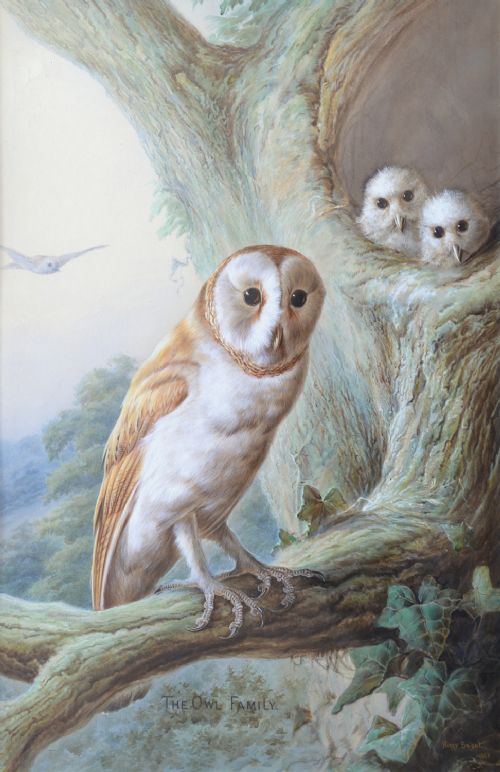
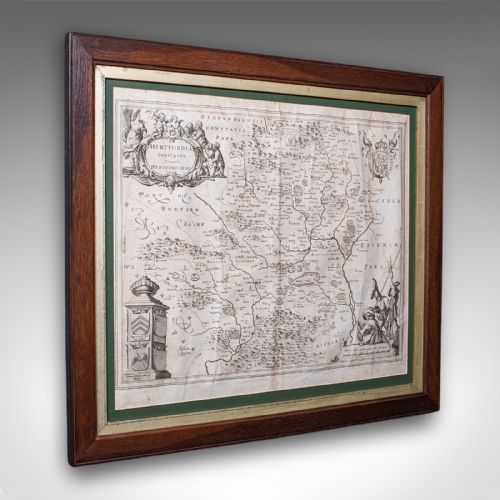
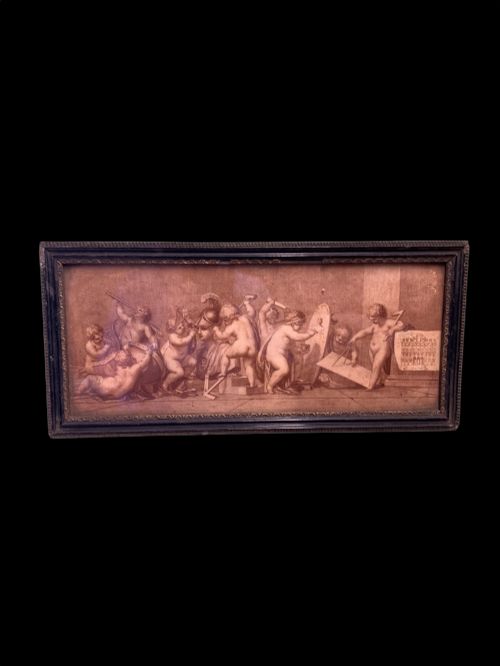
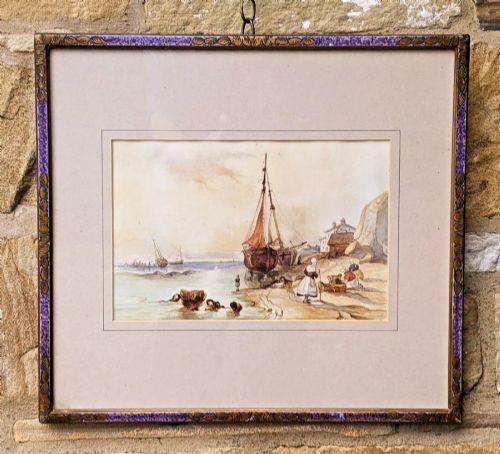
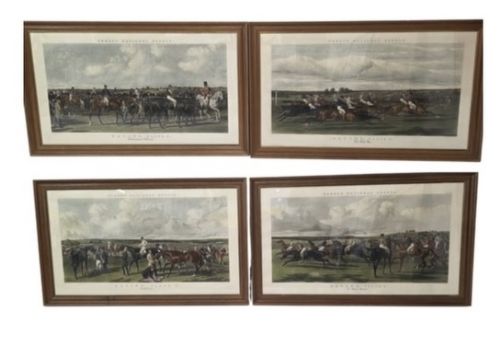
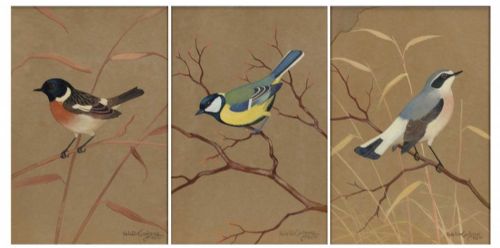
The pieces on this page appear predominantly in framed wall art formats, often preserving their original glass and timber surrounds. Subjects stretch from Dutch cartography and Regency hand-tinted plates to Victorian sporting scenes and twentieth-century bird studies.
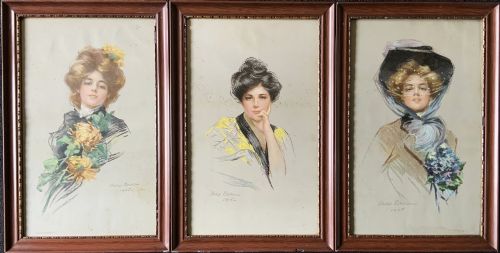
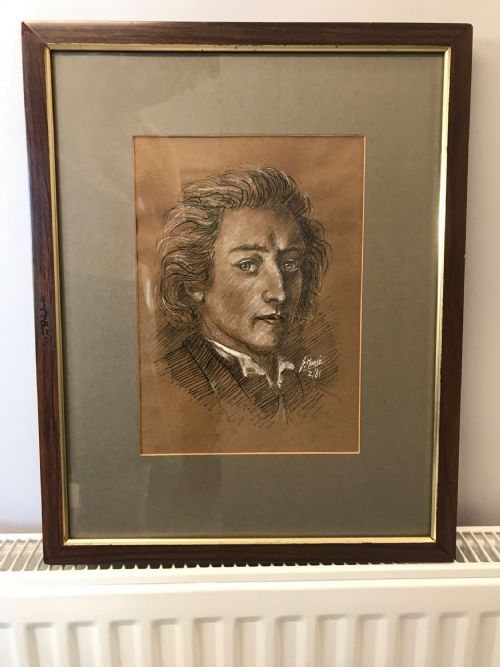
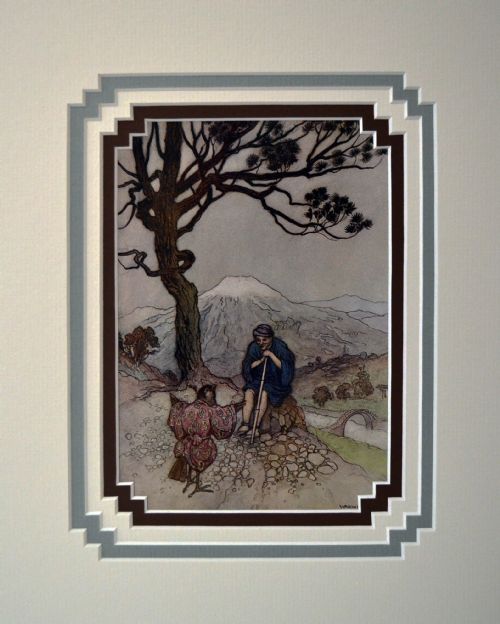
Origin points vary widely across English, Dutch, Italian, and Japanese creators, reflecting international printmaking traditions and trade routes. Buyers encounter everything from large county maps to intimate portrait drawings executed in pen, ink, wash, and gouache.
Materials and execution
Works rely heavily on traditional paper substrates combined with applied media such as ink, watercolour pigment, gouache, and stipple engraving. Framed examples utilise oak and other timber mouldings to secure the paper behind protective glass.
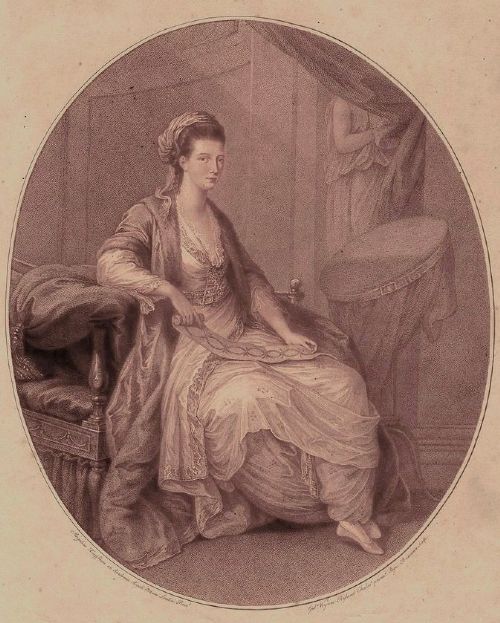
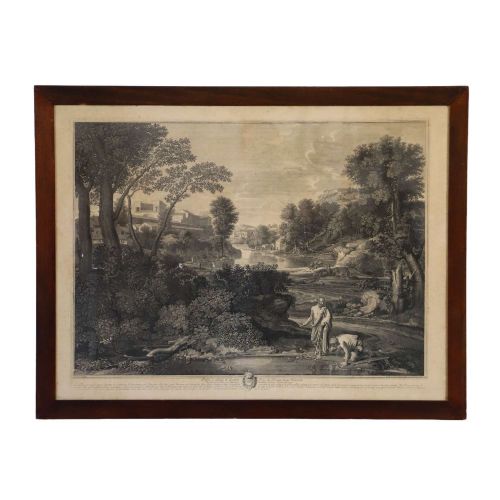
Techniques range from early copperplate engraving and cartographic hand-colouring to later nineteenth-century aquatint and twentieth-century first edition print runs. Pigments and inks interact directly with the aged paper surface, creating varied tonal depths across the periods.
Canals, cockfights, and cartographers jostle for wall space here alongside nineteenth-century fashion plates and nineteenth-century tea advertising.
Factors determining quality
The standard of a piece depends on the crispness of the original plate impression and the preservation of hand-applied colour over time. Clear publisher details, distinct cartographic lines, and well-maintained paper integrity elevate certain examples above standard decorative plates.
Frame originality also influences the character of the object, as period wood mouldings and historic glass retain the complete visual context of the artwork. The clarity of ink work and the absence of heavy foxing distinguish finer drawings and engravings.
C G and J Cary·Joan Blaeu·John Curtis·Robert Morden
The Brown Paper Print Glossary
- Engraving
- A printmaking process where an artist cuts lines directly into a metal plate with a burin. The resulting incisions hold the ink for transfer to paper under pressure.
- Aquatint
- A variant of etching that produces tonal areas resembling watercolour washes. It was frequently utilised for topographical and fashion plates during the Regency and Victorian periods.
- Cartography
- The study and practice of making maps. Antique examples often feature decorative cartouches, hand-tinted borders, and detailed regional topography.
- Gouache
- An opaque water-based paint consisting of pigment, water, and a binding agent such as gum arabic. It creates solid, flat colour surfaces distinct from translucent watercolour.
- Stipple engraving
- A method of creating prints by dotting the plate rather than cutting continuous lines. This technique allows for delicate tonal gradations, particularly in portraiture.
Brown Paper Print: Frequently Asked Questions
How do I care for antique paper art?
Keep framed pieces away from direct sunlight to prevent the fading of inks and watercolours. Stable indoor humidity protects the paper and the wooden frames from warping.
Avoid hanging works in damp environments such as kitchens or unheated spaces. Professional framing using acid-free backing materials preserves the paper over decades.
Are these works original period printings?
The listings comprise historic printings, engravings, and maps dating from the seventeenth century onward. Each item reflects the production methods of its specific era.
Publishing dates and periods are recorded from the physical evidence on each piece. Folio sets and individual plates maintain the characteristics of their original press runs.
What framing comes with these pieces?
Many items arrive ready to hang in period timber frames, with several retaining their original glass and backing structures. Oak and painted wood mouldings are common across the selection.
Some works are sold mounted specifically for wall display while preserving the historic character of the paper. Frame styles correspond to the Georgian, Victorian, and later eras of the contents.