


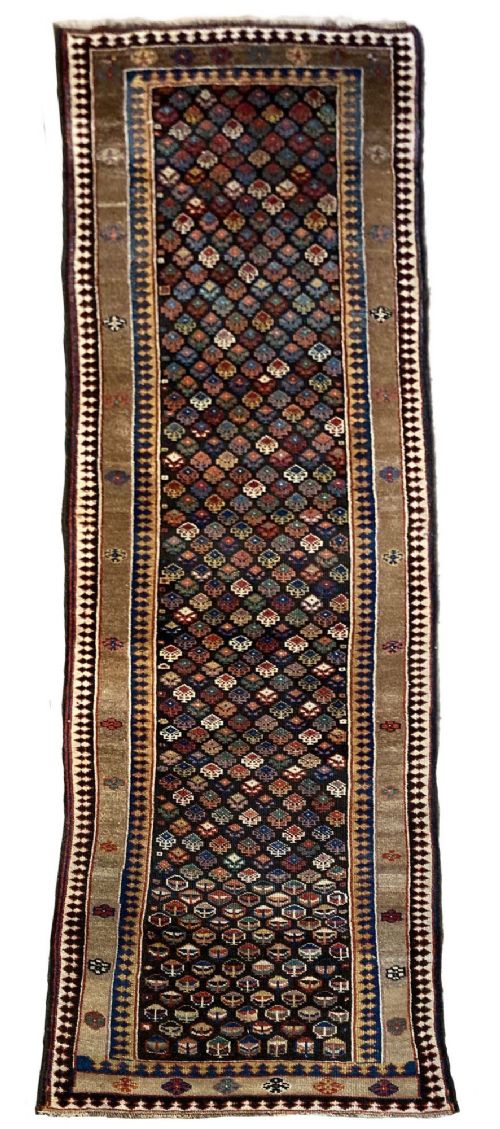


Brown Oriental Rug
A brown oriental rug brings deep earthy tones and tribal geometry into a room, drawn from nineteenth and early twentieth century nomadic traditions.
Brown Oriental Rug
A brown oriental rug encompasses handwoven carpets, runners, and tribal textiles originating from Persian, Afghan, Caucasian, and Central Asian regions. These floor coverings span the late nineteenth century through to the 1930s, reflecting the utilitarian and cultural output of various tribes.
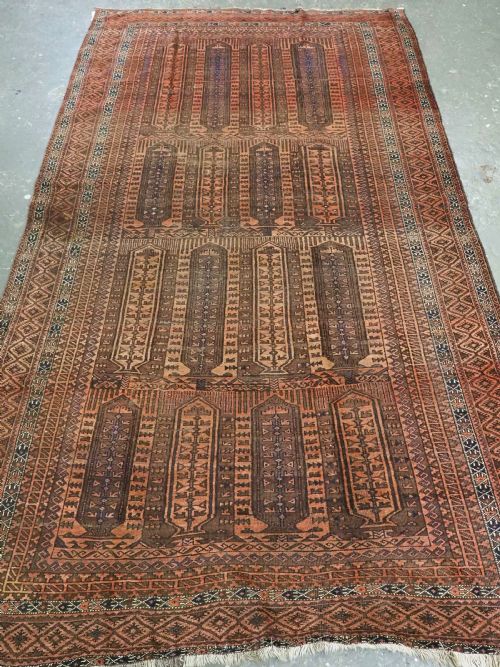
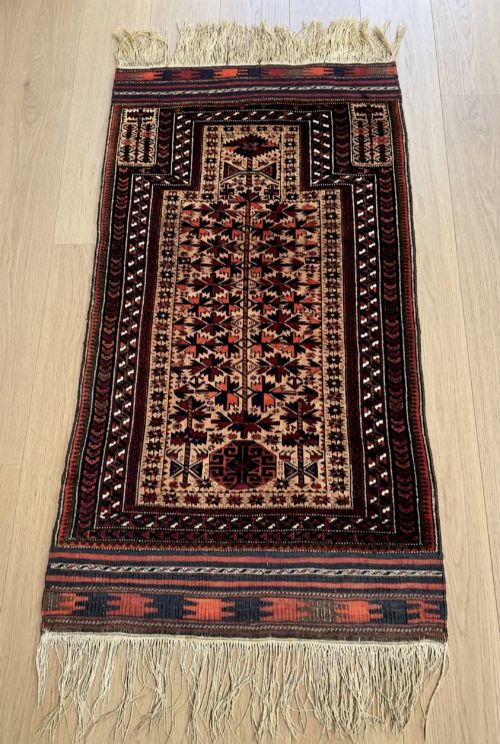
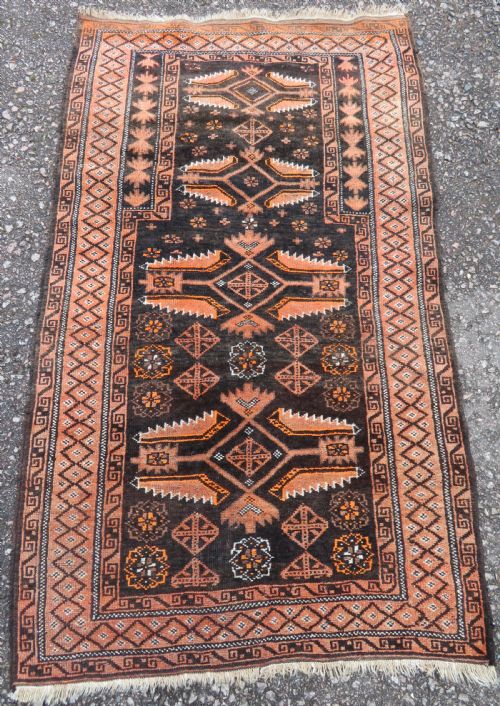
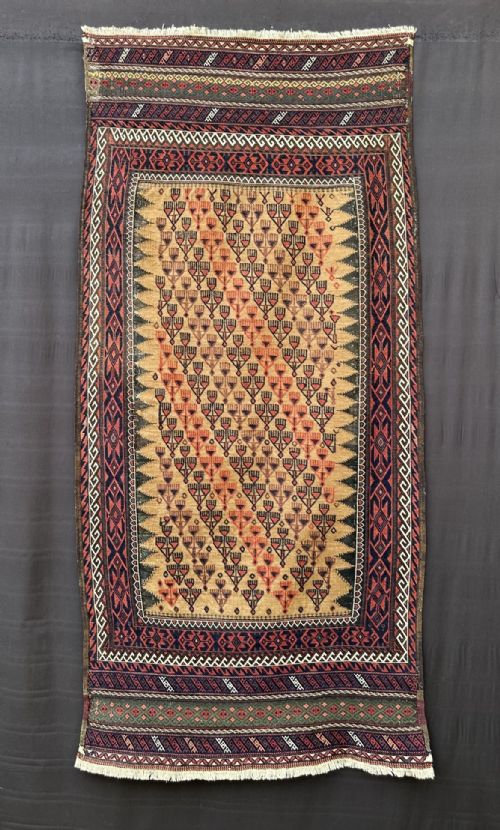
Buyers will frequently encounter Baluch, Kurdish, and Turkmen pieces on this page, alongside Caucasian and Afghan village productions. Forms range from small prayer rugs and storage bag faces to long runners and room-sized carpets.
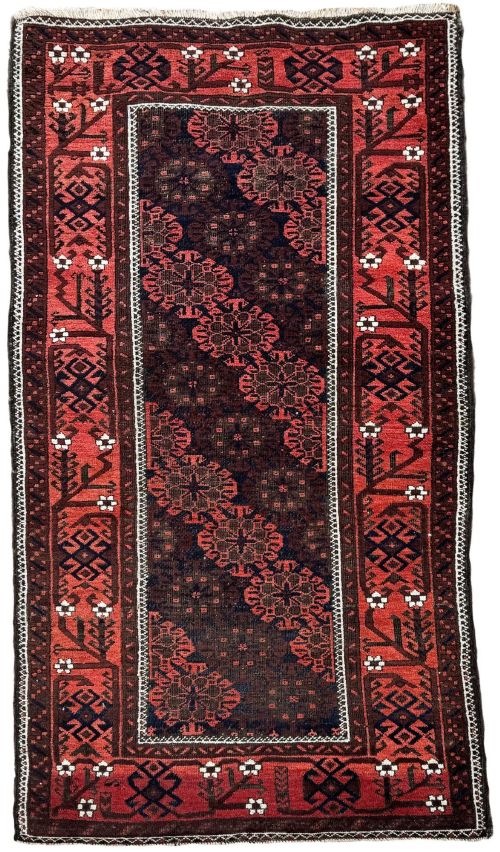
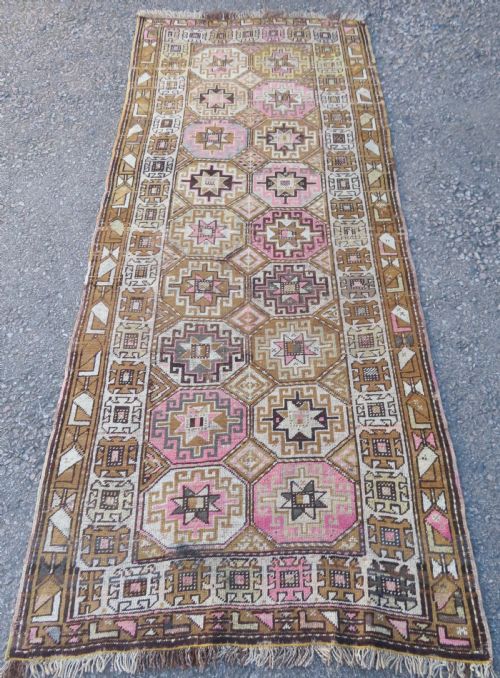
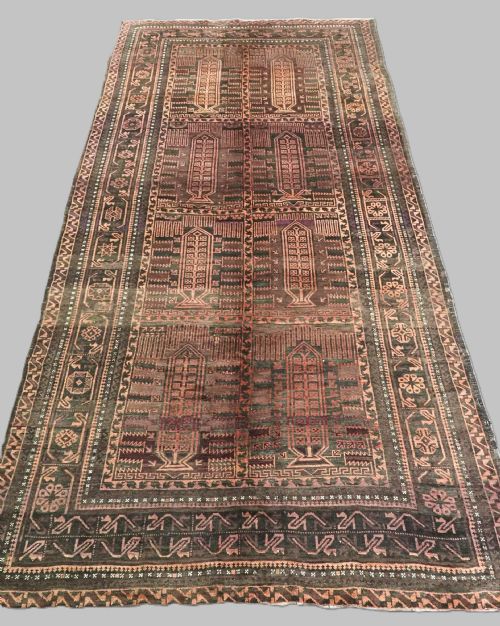
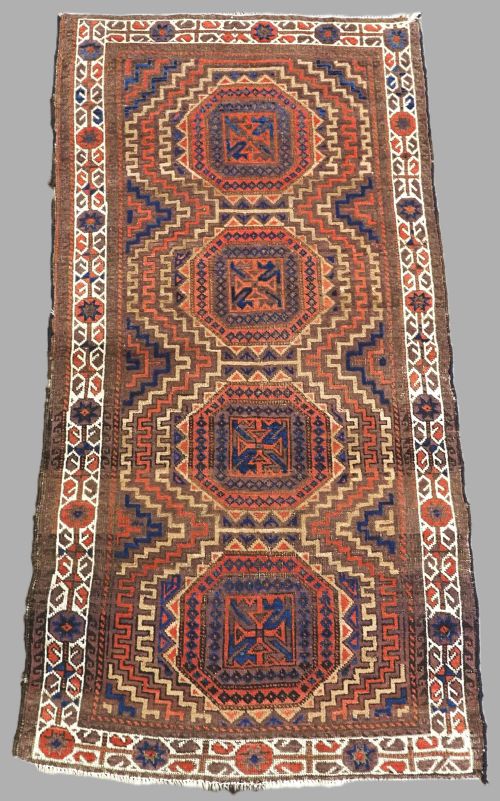
The aesthetic is defined by rich dark palettes, geometric guls, prayer mihrabs, and field motifs such as the Kalam Donneh or pencil box design. Each textile carries the distinct visual vocabulary of the weavers who made them without standardised factory charts.
How they were made
Weavers constructed these textiles primarily using hand-spun wool on wool or cotton foundations, sometimes incorporating camel wool, goat hair, and natural dyes to achieve varied textures and deep tones. The use of hand-spun material introduces subtle irregularities in the pile and yarn thickness.
Production techniques include knotted pile alongside flatweaves such as kilims and mixed technique structures seen in storage bags and torba faces. Long kilim ends and original backs often survive on pieces originating from village and nomadic workshops.
Brown Oriental Rug Retail Price Guide 2026
Typical asking prices for brown oriental rug among the pieces listed under this phrase on Sellingantiques today, from the lower quarter to the upper quarter. They describe what is for sale here now, not the wider market.
Some tribal bags retain their original wool backs, offering a complete glimpse into nomadic domestic utility.
What varies in quality
The calibre of a textile rests on the integrity of its wool, the depth and lightfastness of its natural dyes, and the crispness of the tribal motifs. Finer knotting and balanced proportions distinguish accomplished village and nomadic output from routine work.
Preservation of original borders, complete kilim ends, and intact backs contribute significantly to the standing of a piece. Depth of colour variation across the abraash further elevates the visual character of the weave.
The Brown Oriental Rug Glossary
- Gul
- A medallion or octagonal motif frequently repeated across Turkmen and Baluch carpets. It often identifies the specific tribe or clan responsible for the weaving.
- Prayer Rug
- A small format textile featuring a mihrab niche design intended to indicate the direction of prayer. These pieces typically display specific directional motifs.
- Torba
- A small utilitarian storage bag face produced by Turkmen nomads. They were used inside tents for domestic organisation before being separated for the collector market.
- Abraash
- A natural variation in shade caused by changes in dye batches or wool lots. This tonal shift creates a subtle banded effect across the field of the rug.
Brown Oriental Rug: Frequently Asked Questions
Where were these rugs made?
These textiles originate from the borderlands of Persia, Afghanistan, the Caucasus, and Central Asia. They were produced by nomadic confederations and village weavers.
The specific regions encompass tribal territories such as Baluchistan, Kurdistan, and the steppes inhabited by Yomut and Ersari Turkmen groups.
How do I care for an old rug?
Protect the weave by placing a suitable underlay beneath the textile to prevent sliding and excessive wear on hard floors. Vacuum gently using suction only without rotating brush bars.
Keep the piece away from direct sunlight to preserve the natural dyes, and consult a specialist in antique textiles for professional cleaning.
What is a Baluch rug?
A Baluch rug is a nomadic textile produced by various tribes inhabiting the border regions of Persia and Afghanistan. They typically feature deep dark brown and indigo palettes combined with camel hair.
Designs often incorporate geometric shrubs, prayer mihrabs, and repeating guls executed on wool foundations with distinctive handle.
How are different tribes identified?
Tribal attribution relies on structural characteristics, wool quality, and specific design elements such as the shape of guls or border arrangements. Turkmen, Kurdish, and Caucasian weavers each utilised distinct structural habits.
Weft colours, edge finishes, and the presence of mixed materials like goat hair or camel wool provide additional clues to origin.