





Brown Oil Paint Artwork
Brown oil paint artwork spans centuries of portraiture and landscape, offering tactile brushwork and rich, sombre palettes that anchor a traditional interior.
Brown Oil Paint Artwork
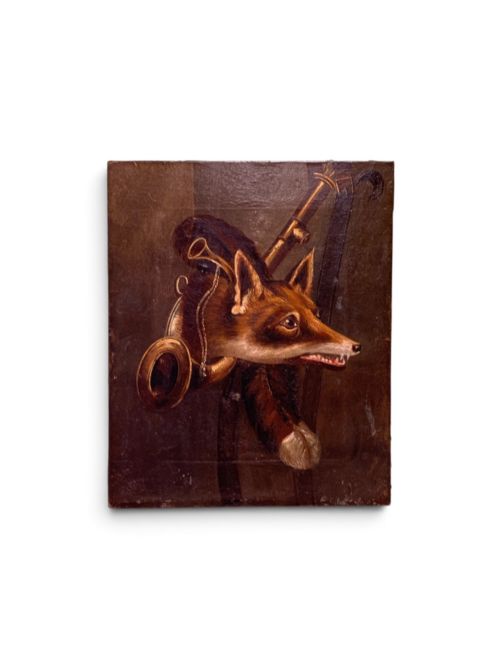
Brown oil paint artwork encompasses historical paintings executed predominantly in earthy ochres, umbers, and deep siennas, ranging from intimate animal studies to monumental portraits. When searching for brown oil paint artwork, buyers encounter pieces stretching from the seventeenth century through the Victorian era and into the mid-twentieth century.
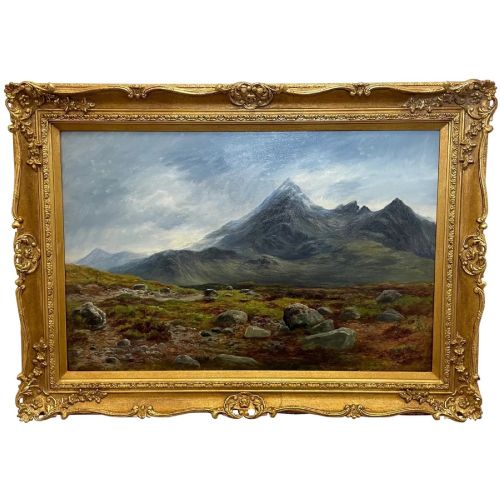
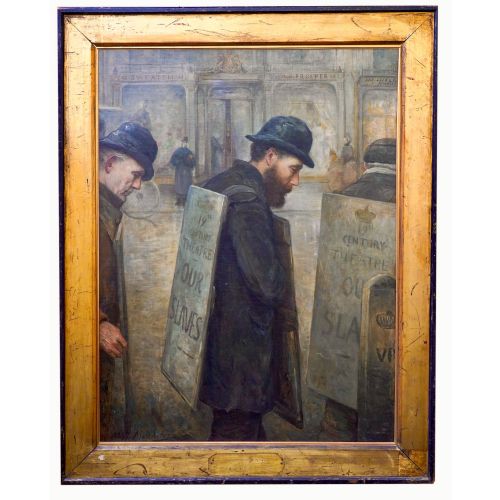
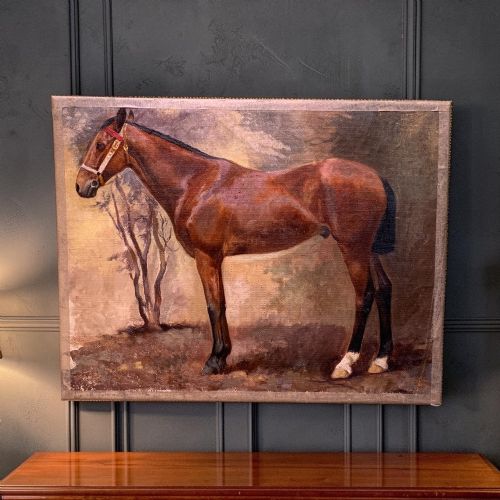
The selections on this page lean heavily towards seventeenth-century Dutch and British portraiture, nineteenth-century sporting and landscape art, and Edwardian pastoral scenes. Canvases and wood panels form the primary supports for these compositions, frequently housed in period frames.
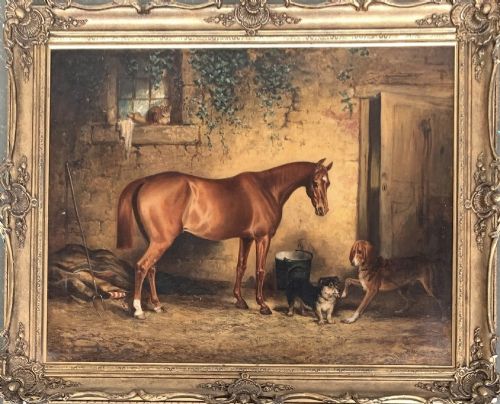
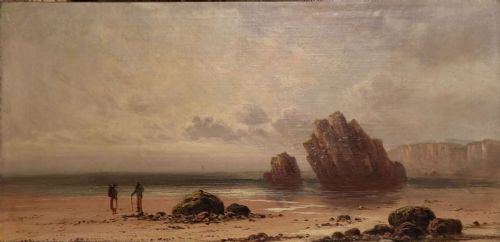
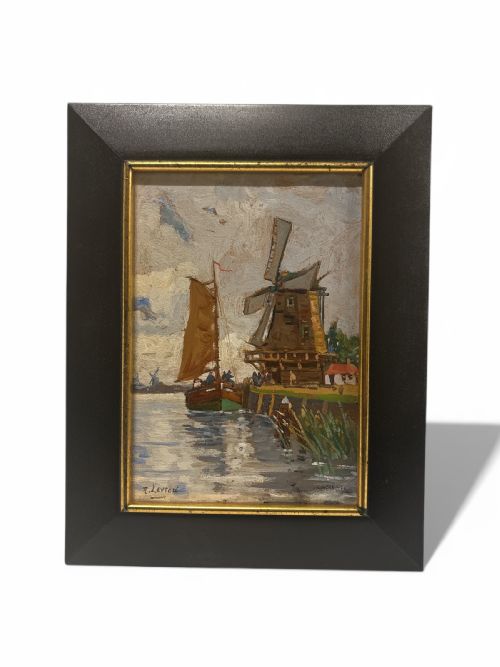
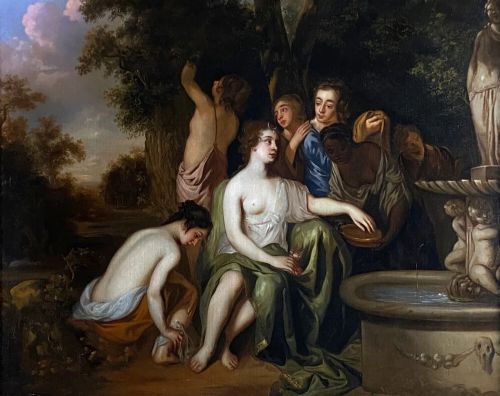
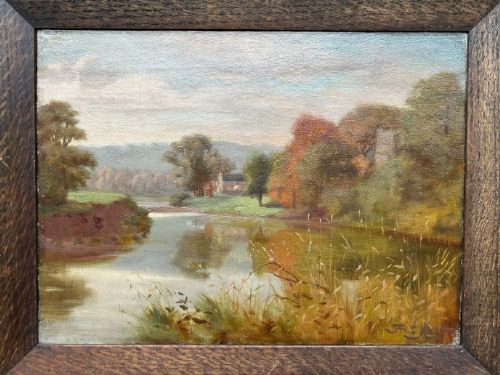
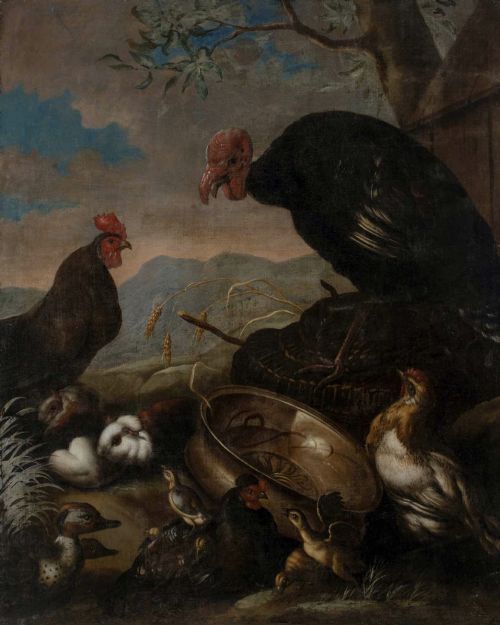
Subjects vary from classical mythological scenes and aristocratic portraits to rustic depictions of livestock, shipping vessels, and quiet woodlands. Each piece reflects the dominant tonal preferences of its period, where dark, modulated grounds create depth and drama.
Assessing quality and execution
Quality in these works resides in the confidence of the brushwork, the anatomical accuracy of figures or animals, and the preservation of the pigment layer. Superior examples demonstrate a sophisticated handling of light and shadow, particularly in the rendering of facial expressions or atmospheric depth.
The integrity of the original support, whether canvas or wood panel, alongside the survival of period gilding on the frame, contributes significantly to the standing of an individual piece within its historical school.
Listings feature works spanning the seventeenth to the mid-twentieth century, utilising canvas and wood panel supports.
Sir Peter Lely·Anthony Van Dyck·Sir Godfrey Kneller·Mary Beale·J M W Turner
The Brown Oil Paint Artwork Glossary
- Canvas
- A heavy woven fabric stretched across a wooden frame to serve as a painting surface. It provides a flexible yet durable ground for oil paint.
- Gesso
- A traditional primer mixture consisting of a binder mixed with chalk, gypsum, or pigment. Artists applied it to wood panels or canvases to prepare the surface for oil painting.
- Giltwood
- Wood carved and coated with a thin layer of gold leaf or metallic powder. It forms the decorative framing typical of antique fine art.
- Wood Panel
- A rigid flat wooden support used by artists before canvas became dominant. Panels offered a stable surface for detailed brushwork in earlier centuries.
- Old Master
- A term for a European artist of high skill working before about eighteen hundred. These painters established the foundational techniques seen in classical oil works.
Brown Oil Paint Artwork: Frequently Asked Questions
How do I care for an oil painting?
Keep antique oil paintings away from direct sunlight and dramatic fluctuations in temperature or humidity. Avoid using water or chemical cleaners on the painted surface.
Dust the frame gently with a dry, soft brush. Professional conservators should handle any cleaning or restoration of the pigment layer.
What is a wood panel painting?
Wood panel paintings utilise a flat piece of timber rather than fabric canvas as the primary support. This method was particularly common in earlier centuries for smaller or highly detailed works.
Panels require stable environmental conditions to prevent the wood from warping or splitting over time. They often display a remarkably smooth surface texture compared to woven canvas.
How can I tell the age of a painting?
Dating relies on examining the style of clothing, the composition, the type of canvas or wood, and the formulation of the pigments. Historical inscriptions or signatures on the reverse also provide crucial clues.
Comparing the brushwork to documented examples from specific schools helps narrow down the period of creation. Framing styles often correspond to the era in which the artwork was produced.
What subjects are common in antique art?
Portraiture of nobility and gentlemen forms a large category, alongside landscapes capturing rural British and European scenery. Sporting art depicting horses, dogs, and agricultural animals is also prevalent.
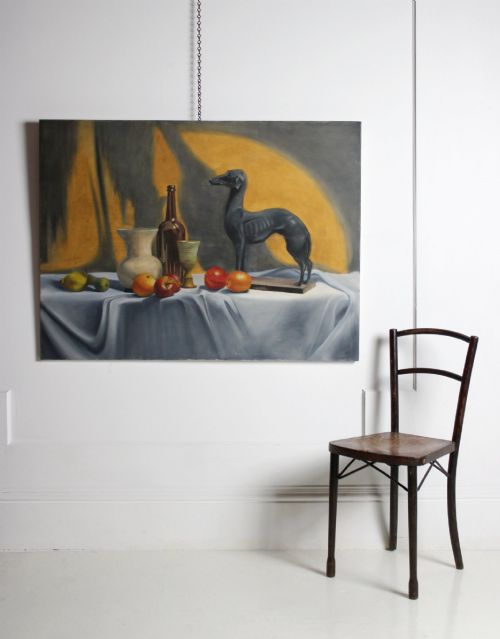
Religious scenes, classical mythology, and still life compositions involving game or flowers appear frequently in earlier works. Each genre reflects the cultural values and aesthetic demands of its respective period.