



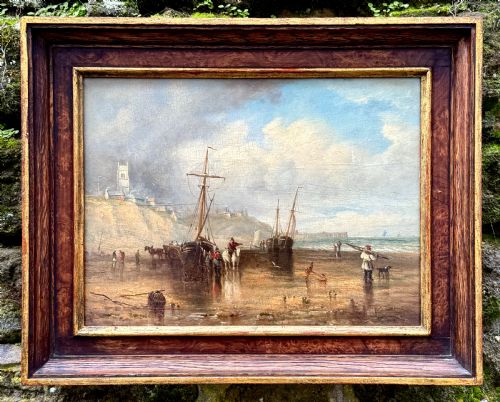
Brown Oil Landscape Canvas
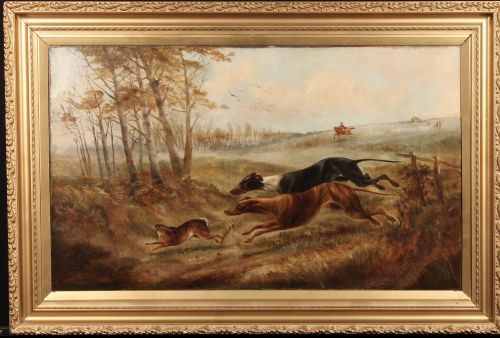
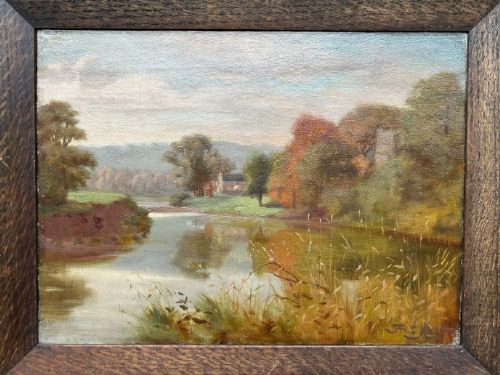
These atmospheric brown oil landscape canvas works capture agrarian vistas and wooded scenes through rich, earthy palettes.
Brown Oil Landscape Canvas
A brown oil landscape canvas brings centuries of pastoral imagery into interior spaces, ranging from expansive river valleys to quiet woodland paths. When searching this phrase, collectors encounter works spanning the seventeenth century through to the mid-twentieth century.
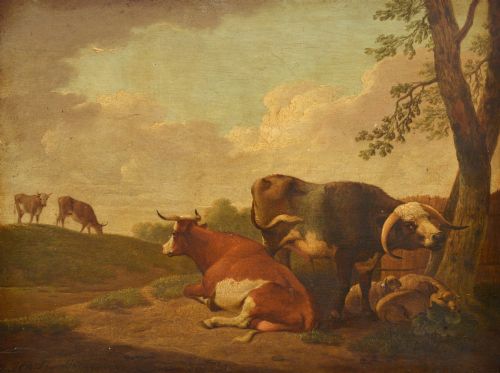
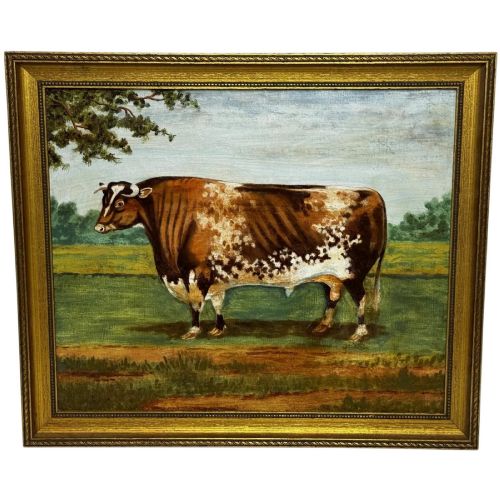
The nineteenth-century examples dominate the selection, often depicting British and European countryside scenes with cattle, sheep, and rural architecture. These paintings record changing light over natural terrain using predominantly warm, muted tones.
How they were made
Artists built these compositions by applying oil paint onto woven canvas supports, sometimes using wood panels or board as a rigid base. The pigment layers allowed for subtle blending of earthy brown ochres, umbers, and greens to render shadows and foliage.
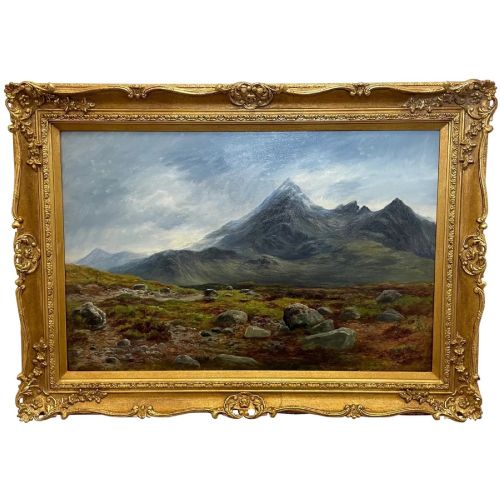
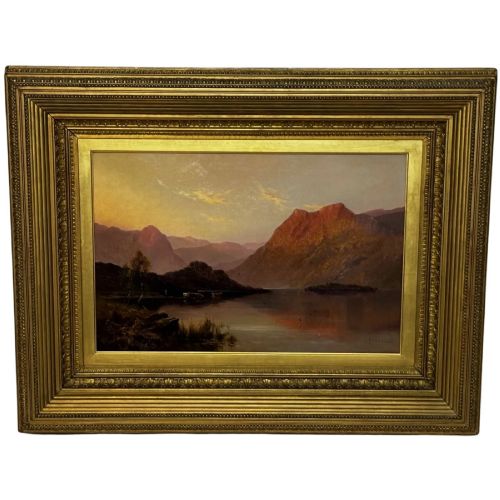
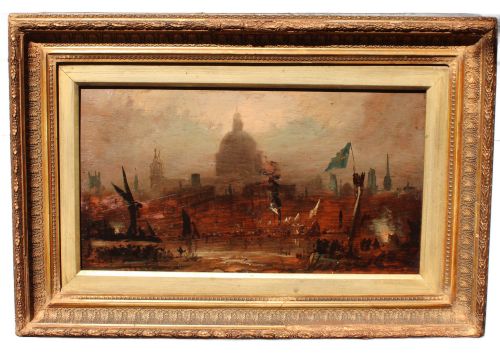
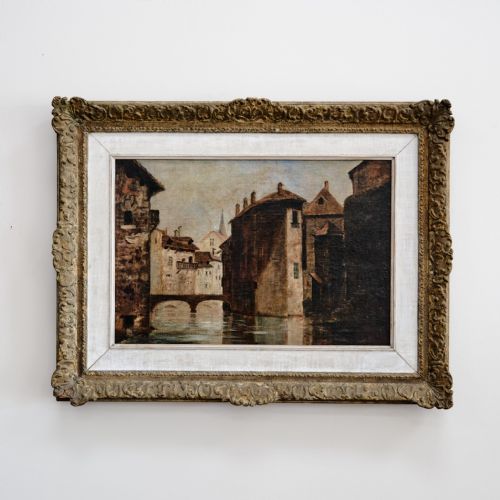
Many of these historical works retain their original gilt wood frames, which complement the warm tonal range of the painted surface. Painters utilised brushwork and glazing techniques to create depth within the rustic scenery.
Listings feature oil paintings on both canvas and board across Victorian, Edwardian, and mid-twentieth-century periods.
What varies in quality
The distinction between standard works and finer examples lies in the confidence of the brushwork and the management of atmospheric perspective. Superior paintings capture light convincingly, drawing the viewer into the recession of the landscape.
Compositional balance and anatomical accuracy in figures or livestock separate accomplished artists from lesser contemporaries. The preservation of the original pigment layer and canvas tension also influences the visual integrity of the piece.
Angelo Maria Crivelli·Hendrik Willem Schweickhardt·Thomas Creswick·John Emms·John Ferneley Senior·Henry Schouten
The Brown Oil Landscape Canvas Glossary
- Canvas
- A heavy woven fabric, typically linen or cotton, stretched across a wooden frame to serve as a painting surface. It provides a durable ground that holds oil paint securely over centuries.
- Gilt wood
- Wood carved and coated with a thin layer of gold leaf or metallic gilt paint. This traditional framing material enhances the warmth of antique oil paintings.
- Board
- A rigid flat sheet of wood or compressed material used as an alternative support to canvas. It offers a firm, stable surface for smaller landscape studies.
- Impasto
- Paint applied thickly to a canvas, standing out in relief from the surface. This technique adds tactile texture to elements like foliage or water highlights.
Brown Oil Landscape Canvas: Frequently Asked Questions
What periods do these paintings cover?
The available selection spans from the seventeenth century through the Victorian and Edwardian eras up to the mid-twentieth century.
Earlier works often reflect Dutch or British school traditions, while later pieces show impressions of modern technique.
How should I hang an oil landscape?
Position the painting away from direct sunlight and excessive heat sources to protect the canvas and oil pigments.
Ensure the wall fixings can safely support both the weight of the canvas and its heavy wooden frame.
Are these works original paintings?
Yes, the inventory consists of hand-painted original artworks rather than modern reproductions or prints.
Artists applied oil paints directly onto canvas, board, or wood supports during their respective periods.
What subjects typically appear in these scenes?
Common motifs include rural rivers, woodland paths, agricultural laborers, and grazing livestock such as cattle and sheep.
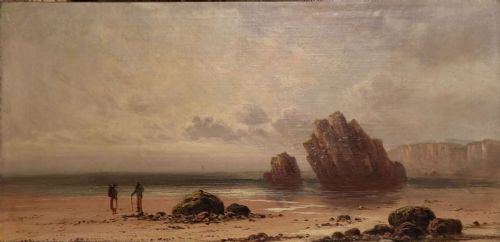
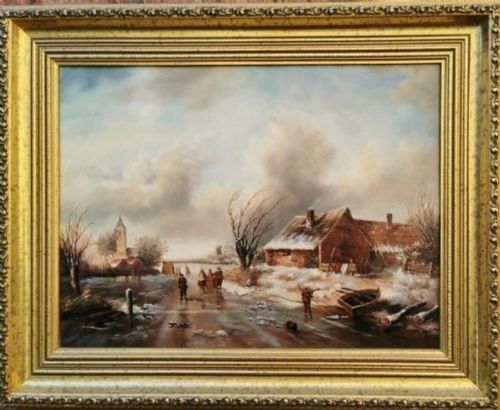
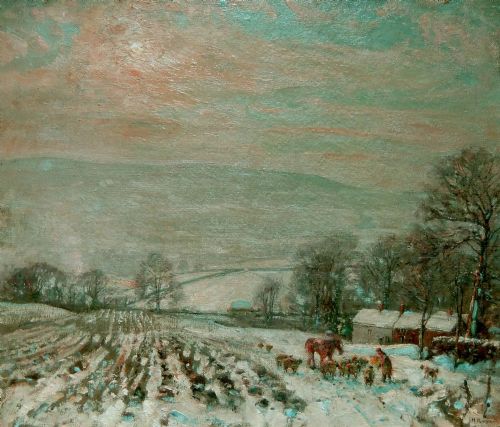
Marine views and winter frost scenes also feature among the historical landscape compositions.