

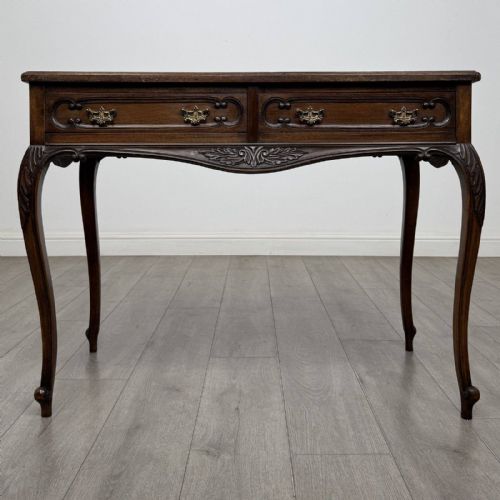
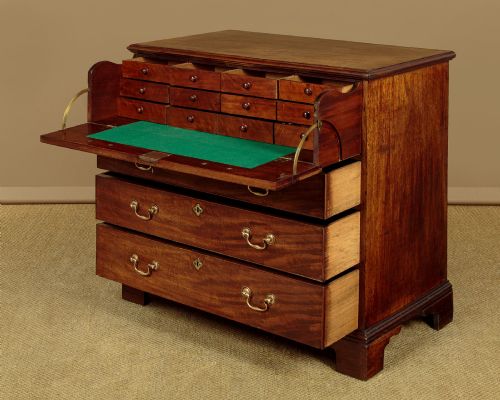
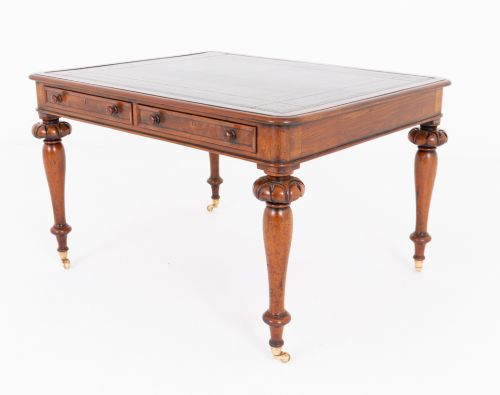
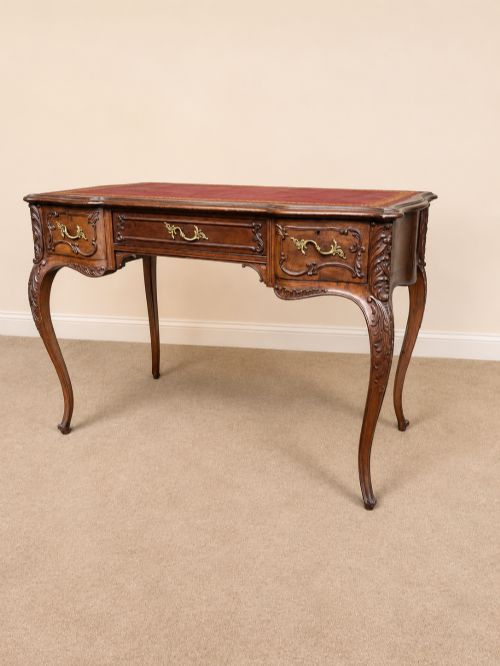
Brown Office Furniture
Brown office furniture comprises practical workspace pieces in rich timbers like mahogany, walnut and oak, offering traditional character for a study.
Brown Office Furniture
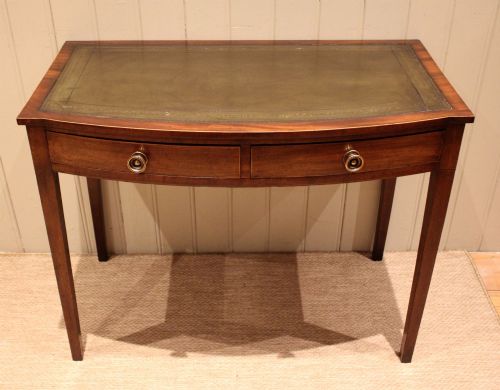
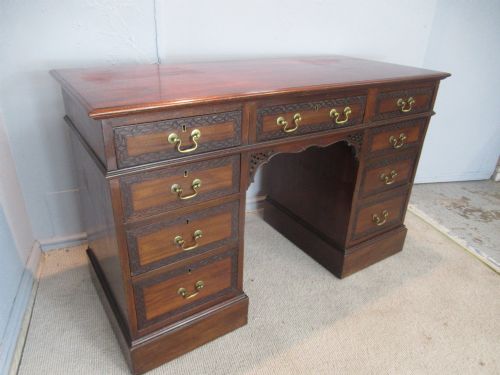
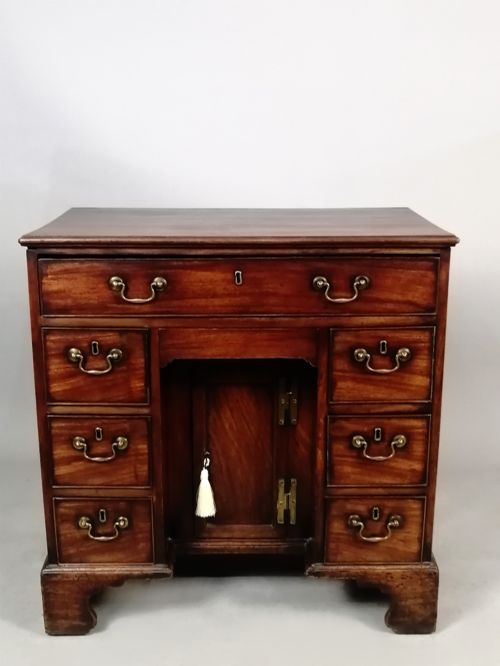
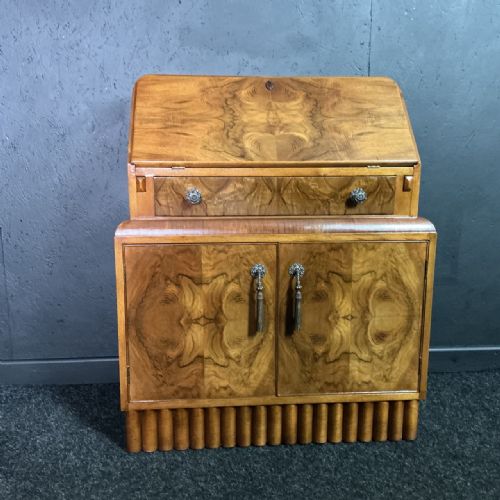
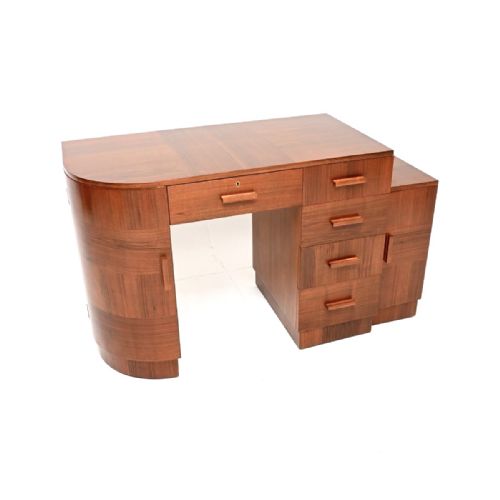
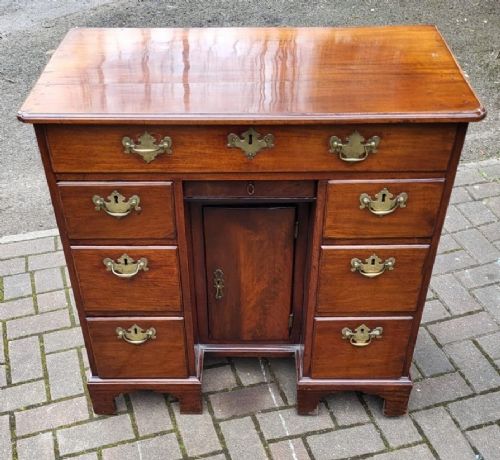
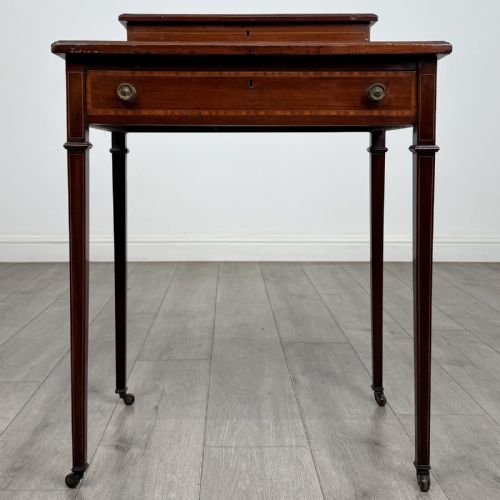
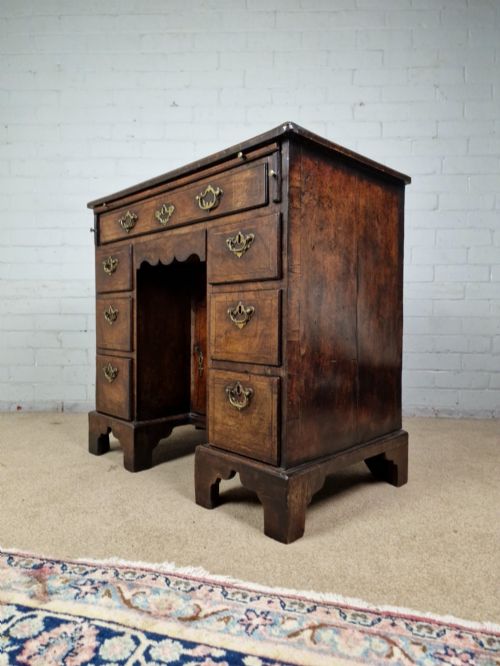
When buyers search for brown office furniture, they find functional pieces designed for work and storage across several centuries. The selection spans Georgian kneehole desks, Victorian pedestal desks, Edwardian writing tables, and Art Deco walnut workstations.
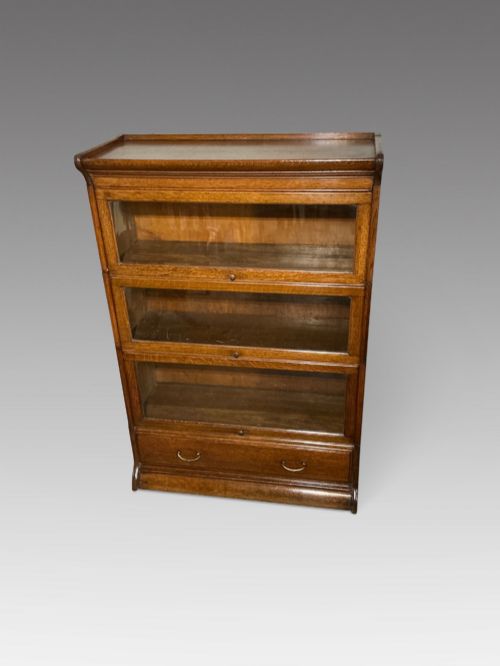
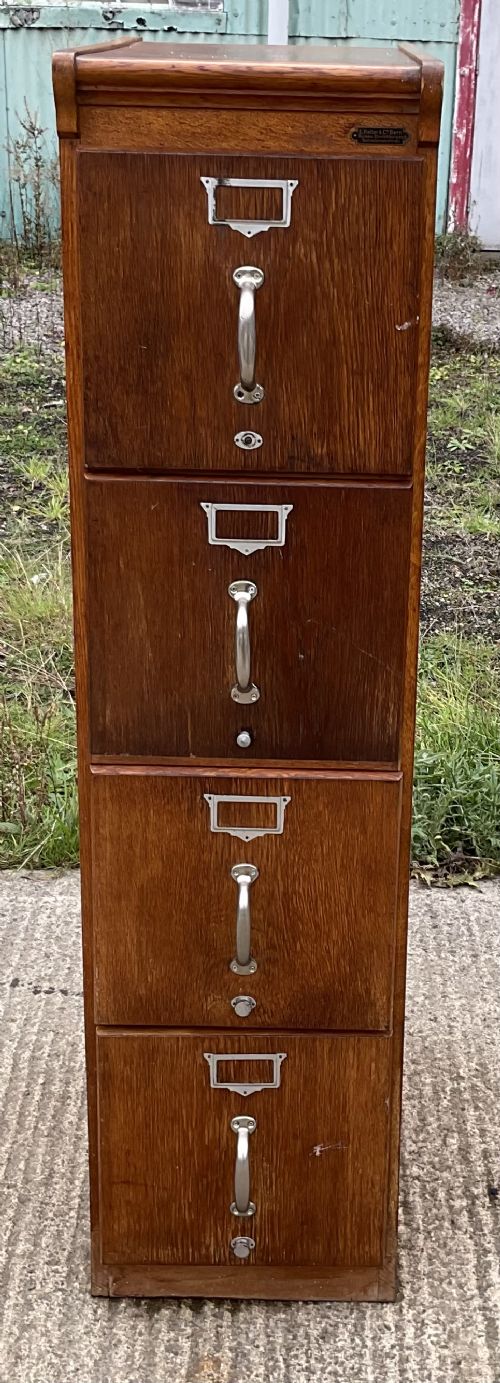
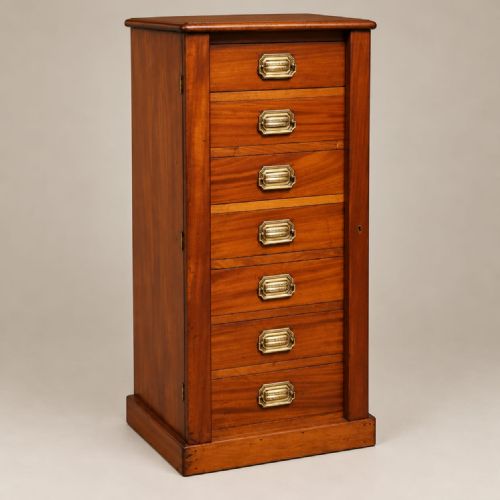
Pedestal desks and writing tables form the most common encounters on this page, often featuring inset leather writing surfaces. Alongside these sit bureau bookcases, filing cabinets, cartonnier cabinets, and desk chairs in mahogany, walnut, and oak.
Periods represented stretch from the Georgian era through William IV, Victorian, and Edwardian times up to 1930s Art Deco pieces. Regional variations include French Chateau and Anglo-Indian designs among the standard British formats.
How they were made
Cabinet makers utilised dense hardwoods such as mahogany, walnut, burr walnut, and oak for structural stability and rich grain patterns. Secondary timbers were often employed for drawer linings and internal framing within pedestals and cabinets.
Writing surfaces frequently incorporated inset panels of tooled leather, whilst decorative elements relied on brass hardware, ormolu mounts, and intricate marquetry or tambour work. Joints were hand-cut using traditional dovetail and mortise techniques appropriate to each period.
Brown Office Furniture Retail Price Guide 2026
Typical asking prices for brown office furniture among the pieces listed under this phrase on Sellingantiques today, from the lower quarter to the upper quarter. They describe what is for sale here now, not the wider market.
Nineteenth-century estate office desks occasionally retain old ink stains inside the top drawers, left by generations of busy clerks.
What varies in quality
The standard of a piece rests heavily on the selection of timber veneers, such as figured walnut or burr walnut, and the precision of the cabinet work. Maker attribution also elevates certain examples, particularly those bearing stamps or labels from established workshops.
Proportion and original detailing dictate the desirability of desks and cabinets. Pieces retaining intact leather writing surfaces, matching hardware, and functional locking mechanisms command greater appreciation among collectors.
G. Bartholomew & Co·Trollope & sons·James Mein of Kelso·Charles Andrea Nosotti·Maple & Co.·F.H. Marshall & Co Glasgow·Whytock & Reid of Edinburgh
The Brown Office Furniture Glossary
- Pedestal desk
- A large freestanding desk comprising two supporting pedestals of drawers with a central writing section.
- Kneehole desk
- A compact desk featuring a central recess for the knees flanked by banks of smaller drawers.
- Cartonnier
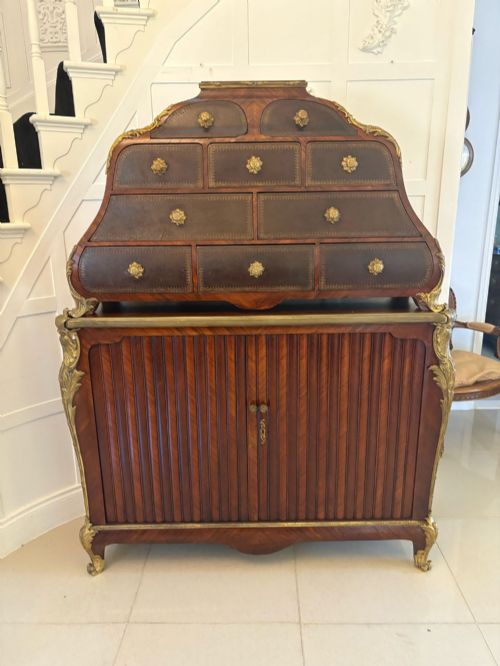
- A specialised cabinet fitted with upright compartments or pigeonholes for storing papers and documents.
- Tambour
- A flexible sliding shutter formed of narrow strips of wood glued to canvas, used on cylinder desks.
- Ormolu
- Gilded bronze mounts applied to furniture as decorative enrichment during the nineteenth century.
Brown Office Furniture: Frequently Asked Questions
What is a pedestal desk?
A pedestal desk is a heavy freestanding workspace featuring two columns of drawers supporting the main writing slab. These typically incorporate a central drawer above the kneehole space.
Victorian and Edwardian examples often include inset leather tops and panelled sides so the desk can sit in the centre of a room.
How do I identify a Georgian desk?
Georgian desks, dating through the eighteenth century, display simpler rectilinear proportions, bracket feet or ogee bracket feet, and solid mahogany or walnut construction. Drawer linings are frequently made of oak.
They lack the heavier carved embellishments seen on later Victorian furniture, relying instead on clean lines and figured timber grains.
What is a bureau bookcase?
A bureau bookcase combines a sloping desk front that folds down for writing with shelving enclosed by doors above. The lower section contains internal pigeonholes and small drawers.
These taller storage pieces appear in walnut, mahogany, and oak across Georgian, Victorian, and Edwardian periods.
Are these desks suitable for daily use?
Antique desks provide robust construction from solid hardwoods and deep drawers capable of holding modern office supplies. Their timber surfaces require basic care with wax polish rather than modern chemical sprays.
Many historic writing tables offer generous dimensions that easily accommodate laptops and contemporary paperwork.