



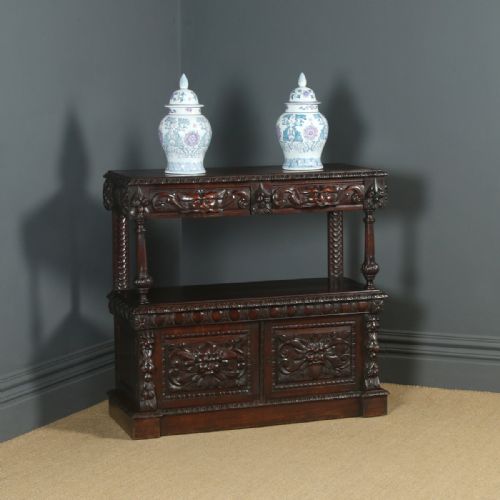
Brown Oak Tier Buffet
These brown oak tier buffet pieces offer sturdy shelving and rich grain, bringing practical display and storage into a room.
Brown Oak Tier Buffet
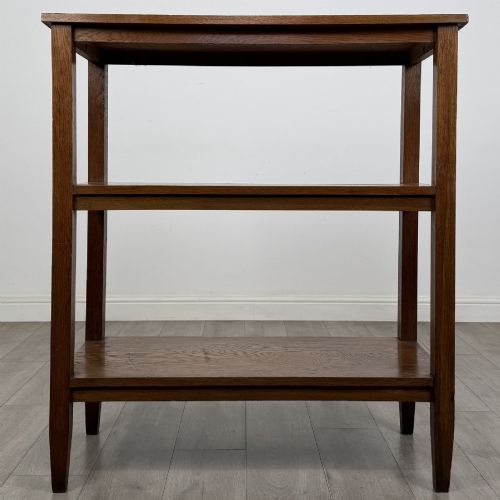
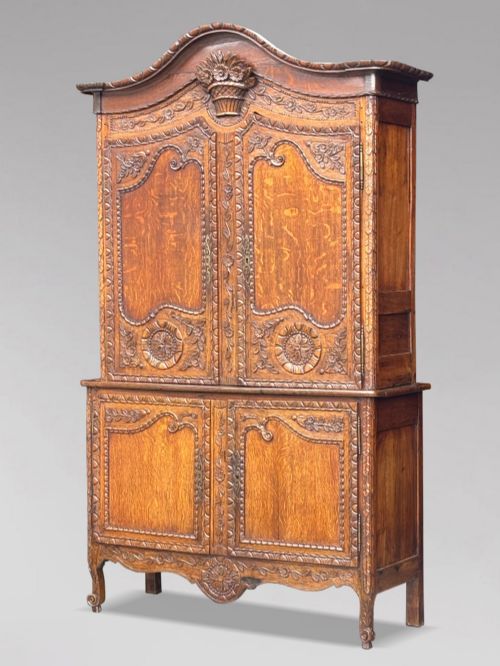
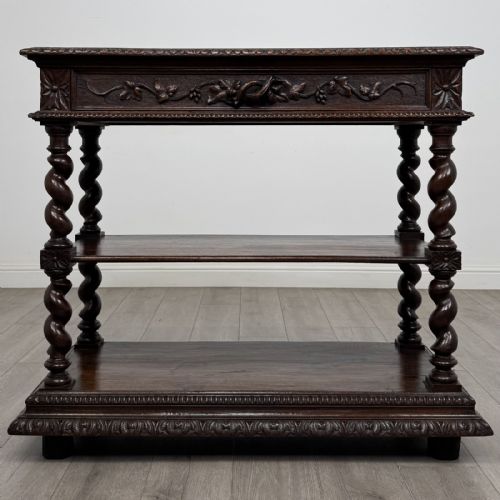
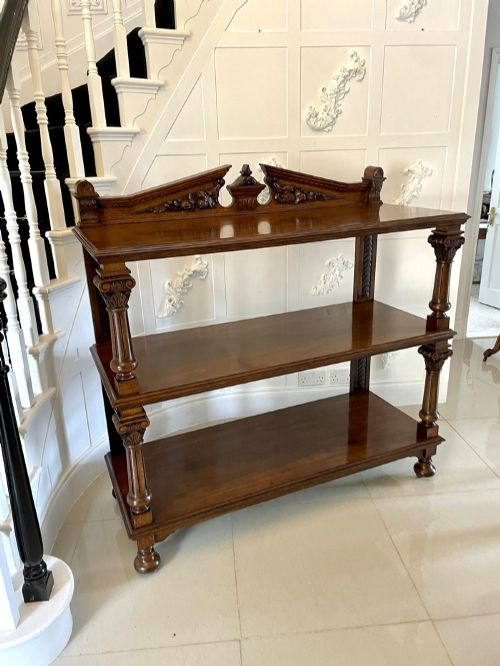
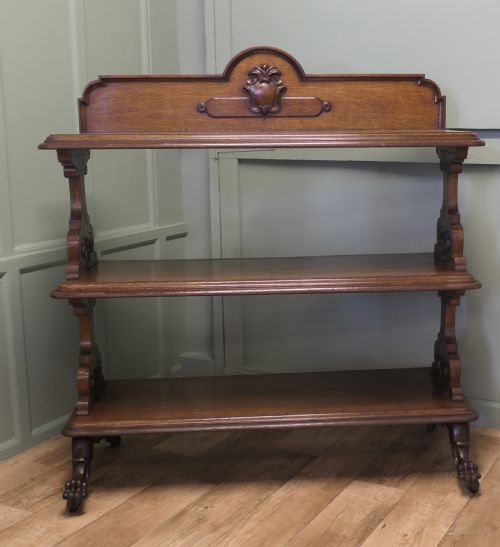
A brown oak tier buffet provides stacked wooden surfaces for serving and storage, often appearing as a multi-level dumbwaiter or a structured sideboard. These pieces range from eighteenth-century Continental designs to elaborate nineteenth-century Victorian creations.
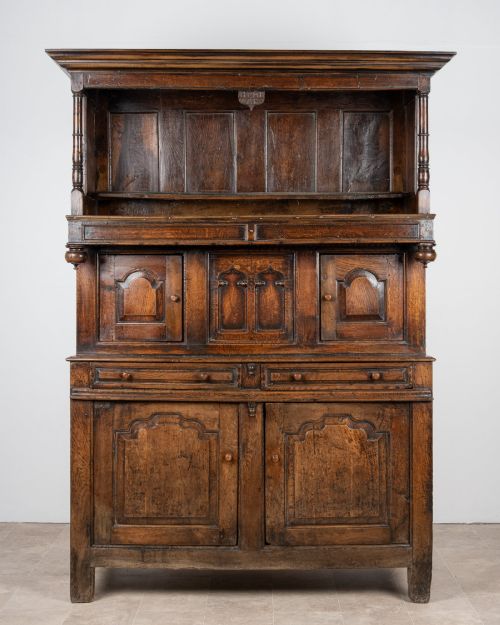
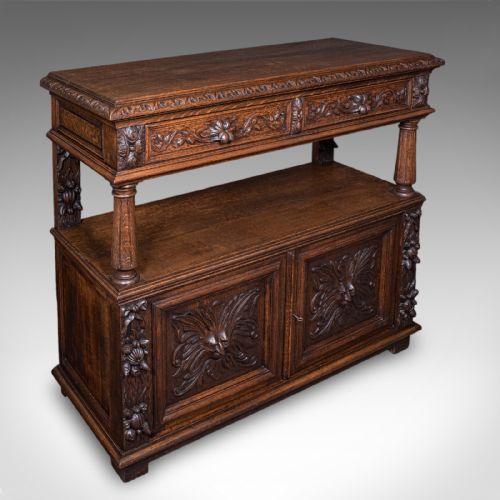
The version you are most likely to meet on this page is a nineteenth-century Victorian or late-nineteenth-century carved oak tier buffet. Such examples frequently feature tiered shelves or substantial cupboard bases suited to dining rooms.
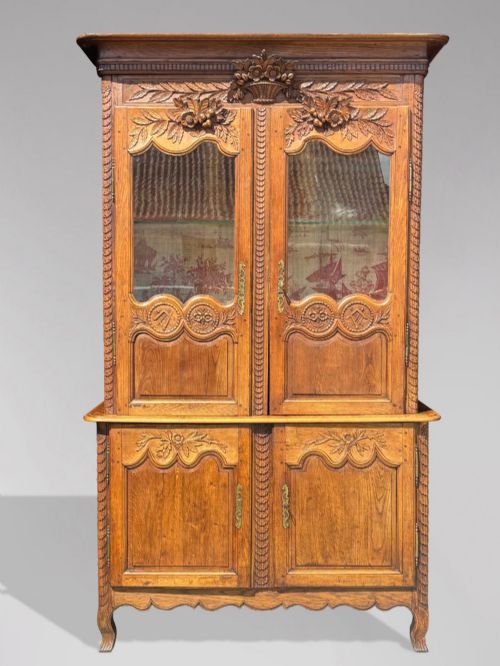
Makers and makers' workshops also produced variations that intersect with cabinets, side tables, and servers. Each piece uses its tiered structure or cupboard layout to balance display space with enclosed storage.
Materials and construction
Construction relies heavily on solid oak and pollard oak, chosen for durability and deep, variegated grain patterns. Subsidiary elements occasionally incorporate brass, glass, fabric, iron, and metal hardware.
Joinery methods encompass traditional framing and panel work, alongside detailed carving. Makers utilised these techniques to support multiple tiers, rising mechanisms, and heavy doors without compromising stability.
Brown Oak Tier Buffet Retail Price Guide 2026
Typical asking prices for brown oak tier buffet among the pieces listed under this phrase on Sellingantiques today, from the lower quarter to the upper quarter. They describe what is for sale here now, not the wider market.
Keep an eye out for carved wooden faces peering from the woodwork, as several pieces incorporate spirited Green Man masks.
Assessing quality in tiered storage
Quality rests upon the depth of the carving and the selection of the timber figures. Well-chosen pollard oak or rich brown oak displays complex figuring across the main panels and tiers.
Structural complexity also defines the better examples, such as those featuring rise and fall mechanisms or multi-tiered open shelving. Integrated hardware like brass fittings further distinguishes finer workshop output.
The Brown Oak Tier Buffet Glossary
- Brown oak
- A naturally darkened timber resulting from a fungal infection in the living tree, prized for its deep tone. It yields rich colour variations across large surfaces.
- Tier buffet
- A multi-level serving or storage furniture piece featuring stacked surfaces. These levels allow for both open display and practical access during dining.
- Pollard oak
- Timber taken from trees that were cut back to promote a dense branch system, creating highly decorative growth rings. This wood provides striking visual movement on cabinet doors.
- Dumbwaiter
- A freestanding set of graduated circular or rectangular shelves on a central column or supporting frame. It serves as a movable serving station for food and tableware.
- Buffet deux corps
- A tall two-part cupboard construction consisting of an upper cabinet resting on a deeper base. It provides substantial enclosed storage alongside serving ledges.
Brown Oak Tier Buffet: Frequently Asked Questions
What is a brown oak tier buffet used for?
These pieces functioned historically as serving stations or display stands in dining rooms and parlours. Multiple tiers allowed households to organise dishes, silver, or glassware close at hand during meals.
Today, they serve equally well as prominent storage furniture or display surfaces in living spaces. The open shelves and enclosed cupboards accommodate books, collections, or daily dining accessories.
How do I care for brown oak furniture?
Maintain the timber by keeping it away from direct heat sources and strong sunlight, which dry out the wood. Regular application of a suitable wax helps preserve the natural sheen of the grain.
Avoid excessive moisture on the surfaces and use coasters or mats beneath objects. Gentle dusting with a soft cloth keeps the carved details clear without abrading the finish.
How do I tell Victorian from eighteenth-century pieces?
Eighteenth-century examples often exhibit regional Continental characteristics, such as French provincial lines or traditional cabinet proportions. They tend to rely on structural joinery and simpler regional carving styles.
Victorian pieces frequently display heavier ornamentation, including deep relief carvings and Green Man motifs. Their construction often reflects industrial-era capabilities, such as mechanical rise and fall tiers.
Where should I place a tier buffet in my home?
A dining room is the traditional setting, where a tier buffet holds serving ware or acts as a sideboard surface. The vertical tiers make efficient use of wall space without demanding an expansive footprint.
Alternatively, they fit well in large hallways or studies for displaying decorative objects. The combination of open shelving and cupboards provides versatile storage options for any principal room.