

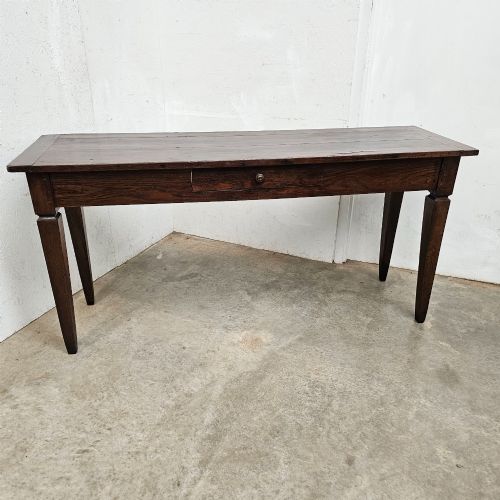
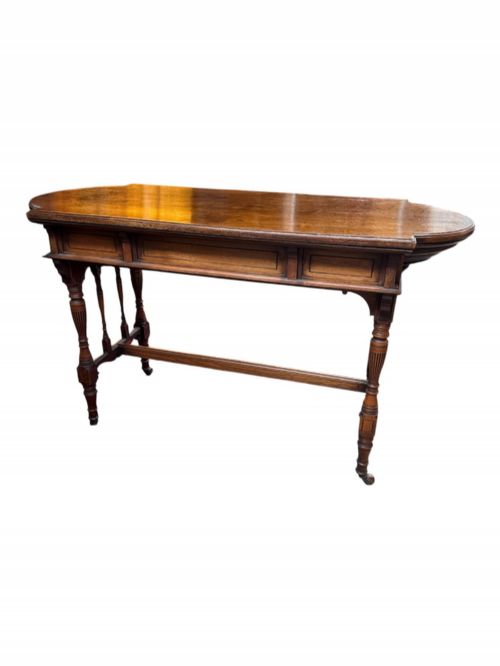
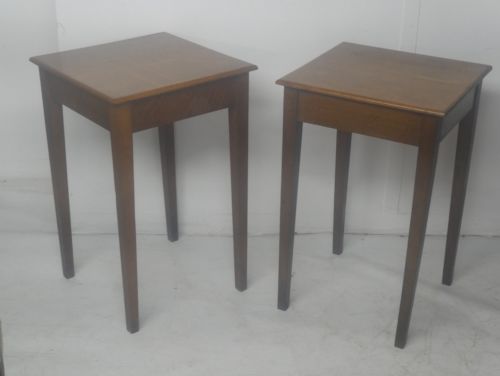


Brown Oak Sofa Table
A brown oak sofa table brings rich, figured timber and adaptable proportions into a room.
Brown Oak Sofa Table
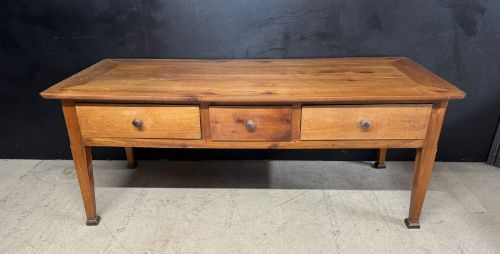
When you search for a brown oak sofa table, you encounter practical furniture designed to sit behind a sofa or stand freely in a room. These pieces emerge from periods including the Regency, Victorian, and Edwardian eras, alongside later nineteenth and early twentieth-century examples.
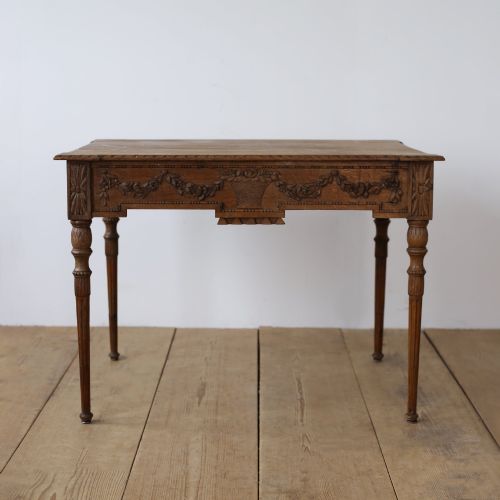
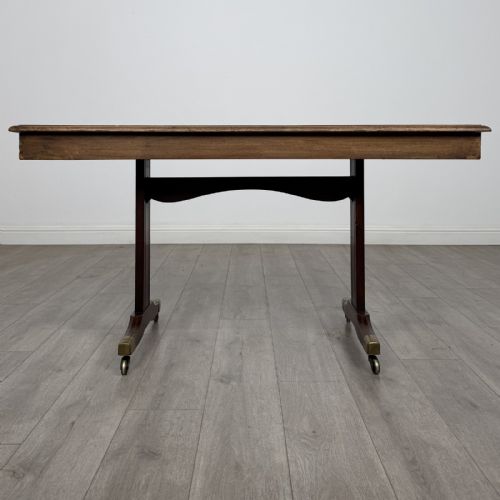
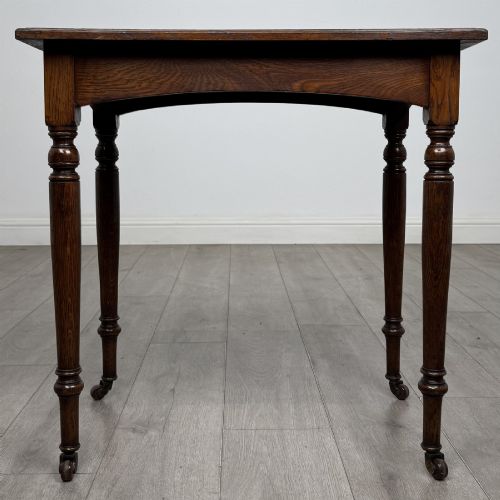
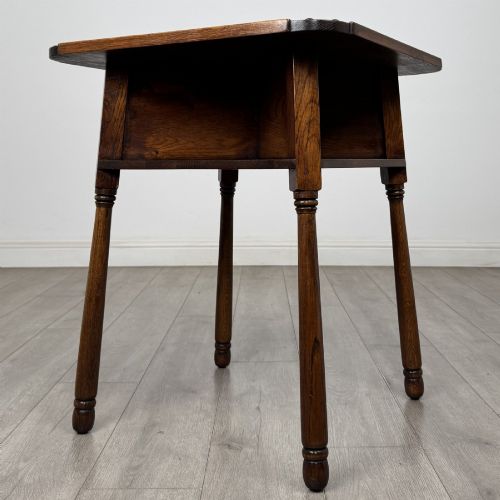
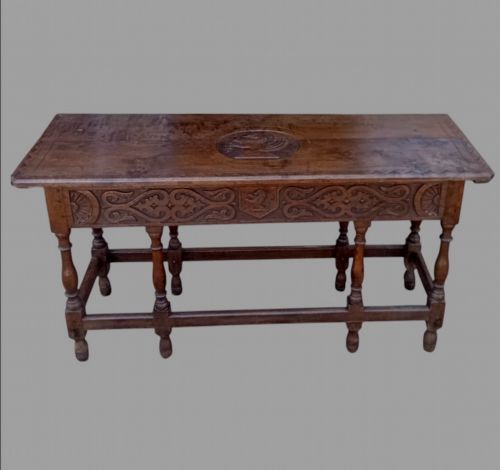
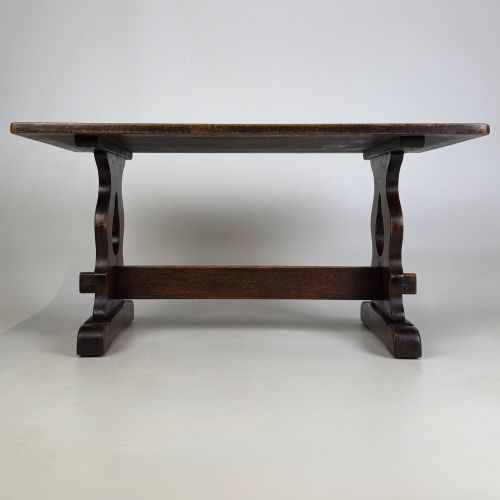
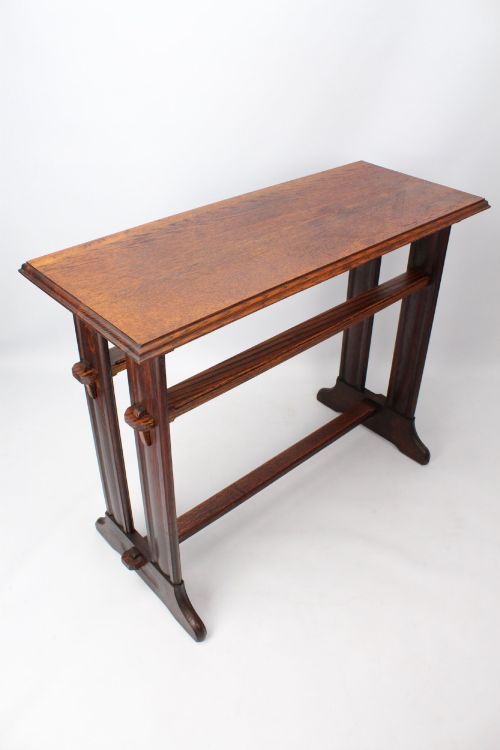
The selections span various forms linked to the category, such as centre tables, side tables, console tables, and occasional tables with drop flaps. Solid oak, pollard oak, and burr oak dominate the construction, often supported by turned legs, trestle bases, or brass castors.
How they were made
Cabinet makers utilised oak, walnut, and specialised veneers like pollard and burr oak to create rich grain patterns across the timber surfaces. Frames frequently incorporated pegged joints, carved detailing, or Gothic underframes.
Metal fittings played a functional role in mobility and utility, with brass castors fitted to legs on several pieces. Drop flaps and stretcher bases added structural stability and flexibility to the tables.
Brown Oak Sofa Table Retail Price Guide 2026
Typical asking prices for brown oak sofa table among the pieces listed under this phrase on Sellingantiques today, from the lower quarter to the upper quarter. They describe what is for sale here now, not the wider market.
Listings feature oak, pollard oak, burr oak, and walnut across Victorian, Regency, Edwardian, and Arts and Crafts styles.
What varies in quality
The choice of timber significantly influences the character of each piece, distinguishing straightforward solid oak from highly figured pollard and burr oak surfaces. The selection of decorative veneers and natural grain variation elevates the visual presence of the table.
Execution of detail defines the construction standard, from carved elements and turned legs to the integration of functional elements like drop flaps and brass castors. Cohesion between the period style, such as Regency or Arts and Crafts, and the physical build determines the standing of the piece.
James Winter and Sons
The Brown Oak Sofa Table Glossary
- Pollard oak
- Timber taken from trees that were pollarded, producing tightly clustered knots and a distinctive, swirling grain pattern. This decorative wood was frequently utilised during the Regency period.
- Burr oak
- Wood harvested from a tree growth or burr, yielding highly figured and mottled patterns across the table top. Cabinet makers prized this material for formal occasional and writing tables.
- Drop flap
- A hinged leaf on the side of a table that can be raised to extend the surface area or lowered when space is restricted. It characterises work tables and occasional pieces.
- Brass castor
- A small swivelling wheel made of brass attached to the foot of a table leg for ease of movement. These fittings appear frequently on Victorian and Edwardian examples.
Brown Oak Sofa Table: Frequently Asked Questions
How do I identify the period?
Dating relies on observing construction methods, timber choices, and stylistic details such as turned legs, pegged joints, or brass castors.
Pieces span the Regency, Victorian, and Edwardian eras, each carrying distinct design characteristics from those times.
Where should I place one?
These tables adapt well to hallways, behind seating arrangements, or as central statement pieces in a room.
Drop flap and console variants suit spaces where surface area needs occasional adjustment.
What woods are used?
Construction primarily involves solid oak, complemented by decorative veneers of pollard oak and burr oak.
Some examples also incorporate walnut and standard cabinet timbers alongside brass hardware.