
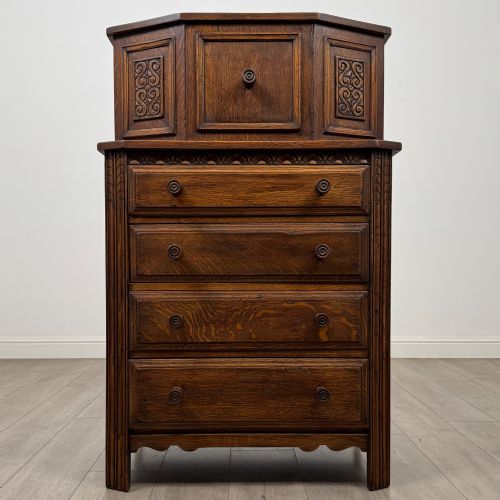
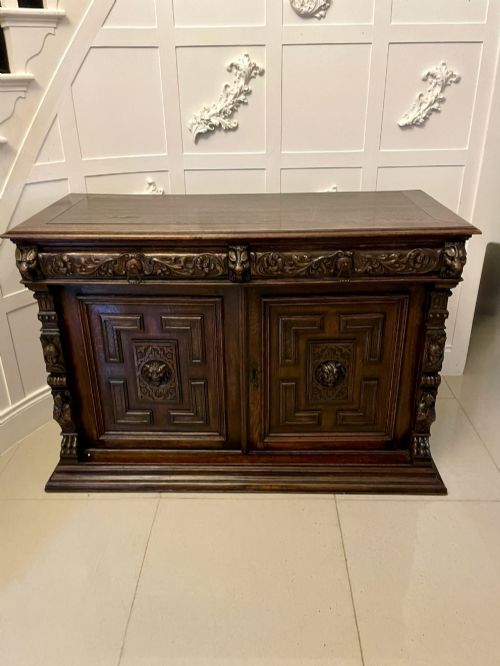
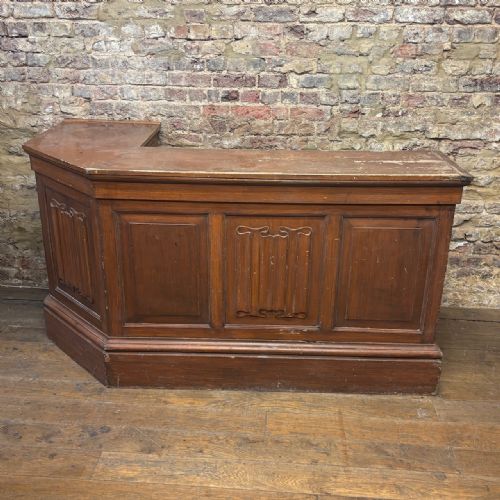
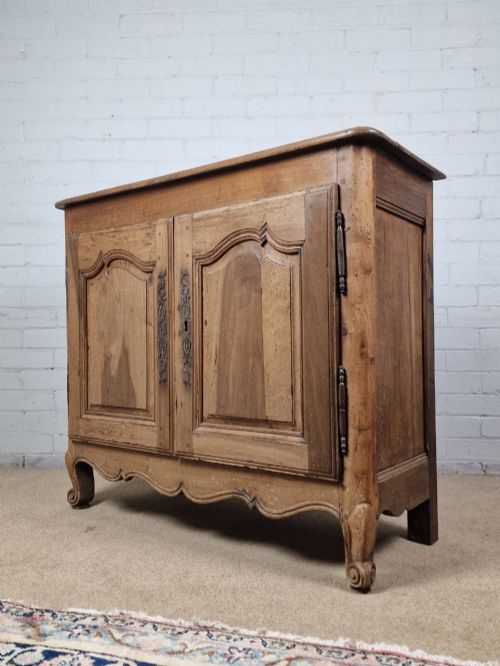
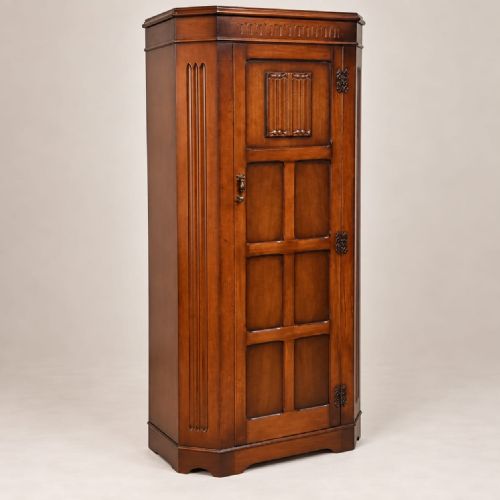
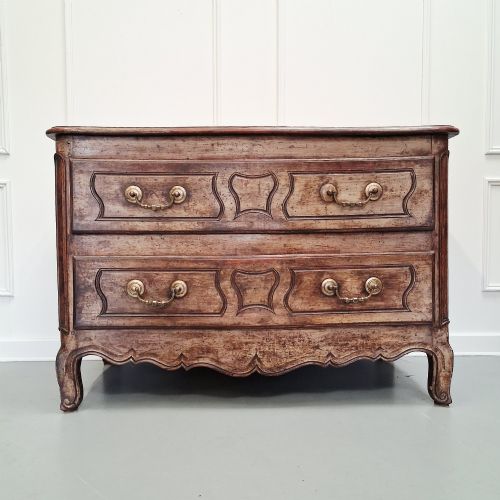
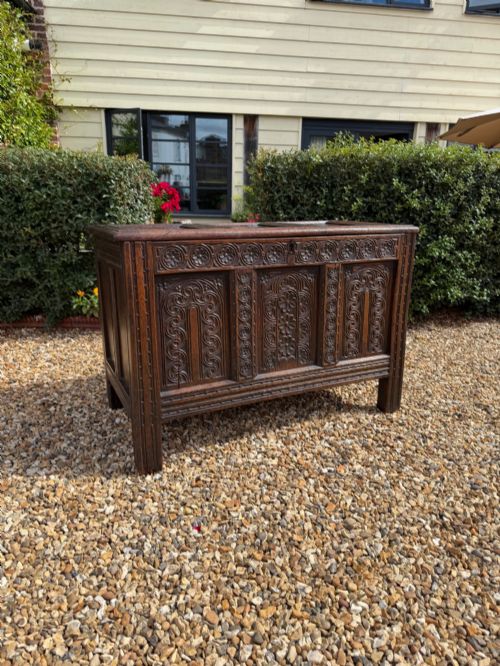
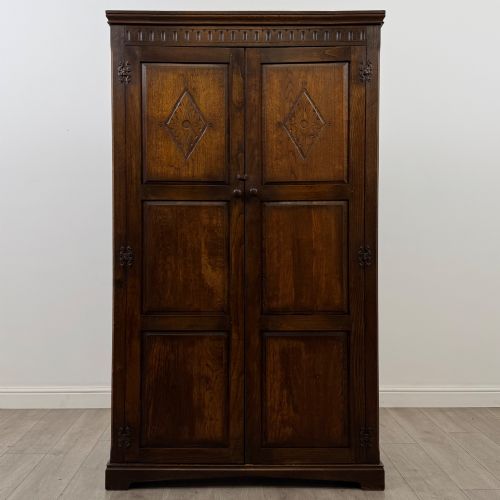
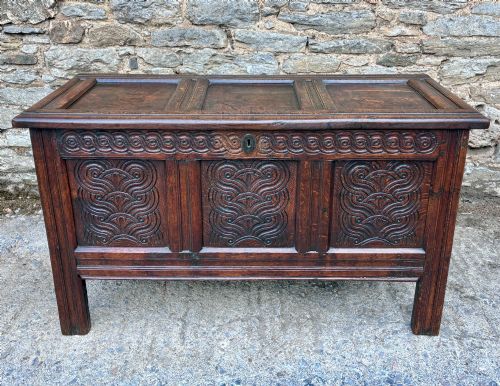
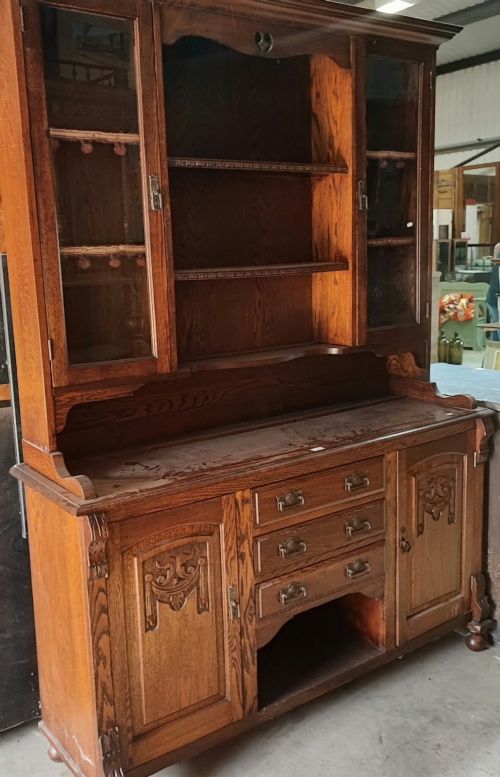
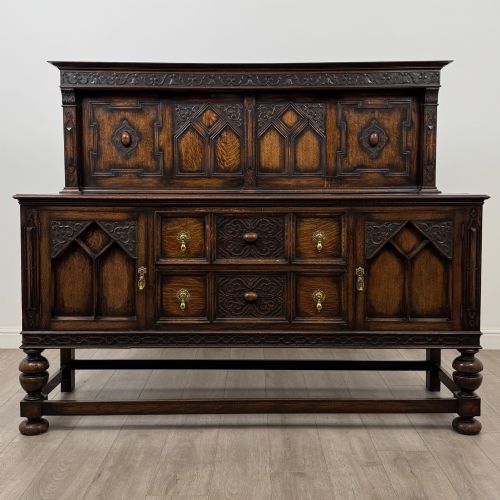
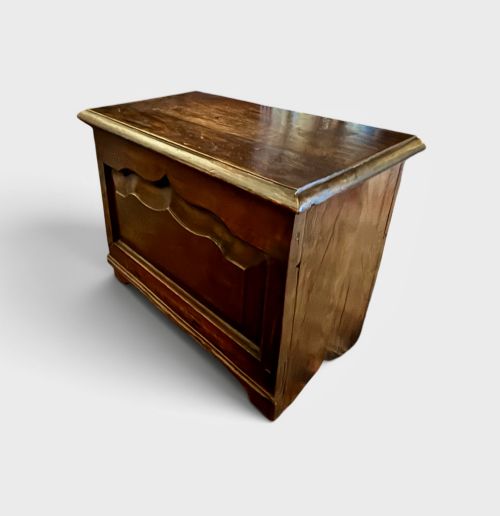
Brown Oak Carved Panel
A brown oak carved panel brings genuine timber character and historic depth to a room.
Brown Oak Carved Panel
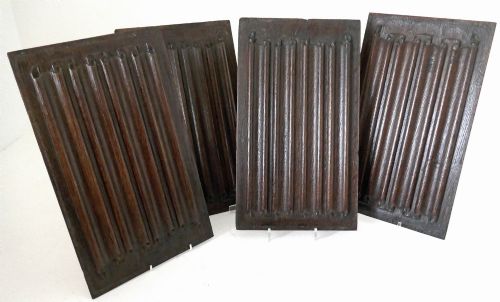
A brown oak carved panel represents a specific form of antique woodwork designed for architectural decoration or furniture integration. When you search for a brown oak carved panel, you encounter pieces that range from early sixteenth century linenfold examples to later revival styles.
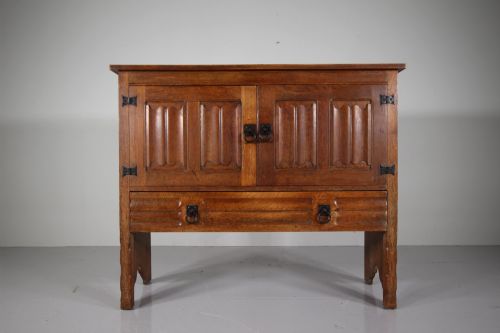
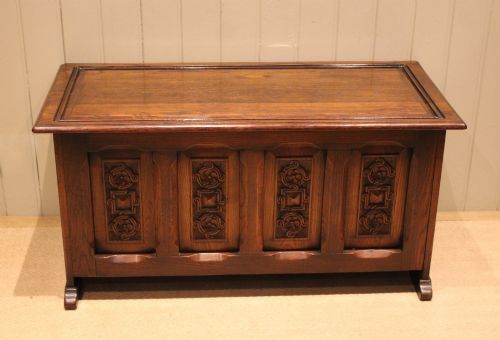
The selection includes architectural fragments, wall panels, and elements removed from larger furniture items such as coffers and cupboards. These elements showcase figural subjects, religious texts, or geometric patterns carved directly into the dense timber.
Materials and Construction
Craftsmen utilised seasoned oak, often selected for the distinctive natural dark coloration known as brown oak, combined with hand tools such as chisels and gouges to execute deep relief carving. Surfaces were left untreated or waxed, allowing the natural grain and growth rings to remain visible over centuries of handling.
Earlier pieces frequently employ traditional joinery techniques like mortise and tenon frames to house the carved panel safely without adhesives. Later revival pieces maintain similar solid wood construction methods to mirror the weight and tactile presence of seventeenth century work.
Some historic panels feature devout script alongside hidden whimsical tool marks left by woodcarvers who clearly enjoyed a quiet afternoon.
Assessing Quality and Execution
The character of the oak timber itself governs the visual appeal, with rich colour variation and prominent medullary rays marking the superior end of the range. Original surface patination accumulated through age separates genuine early carvings from later adaptations.
The Brown Oak Carved Panel Glossary
- Brown oak
- Timber harvested from oak trees affected by a fungus that imparts a rich chocolate colour to the heartwood. It remains highly prized by cabinet makers for its decorative qualities.
- Linenfold
- A style of wood carving popular in the Tudor period that mimics folded fabric or parchment. It is commonly found on sixteenth and seventeenth century panels.
- Relief carving
- A sculptural technique where figures or patterns project from a flat background. High relief involves deep undercutting that creates strong shadows.
- Medullary rays
- Radial cellular sheets in oak timber that appear as silvery flecks or flakes when quarter sawn. Their presence indicates stable radial timber orientation.
Brown Oak Carved Panel: Frequently Asked Questions
How were carved panels used originally?
Historic panels served as architectural wall linings, church furnishings, or structural components embedded within large items like court cupboards and coffers.
They provided insulation against damp stone walls while demonstrating the wealth and status of the property owner through ornate imagery.
How do I date a carved oak panel?
Dating relies upon analysing the tool marks left by hand chisels, the style of the carving, and the oxidation of the oak surface.
Sixteenth century linenfold designs differ significantly in execution depth and edge profiling compared to nineteenth century Gothic revival interpretations.
How should I display a panel at home?
Panels look best mounted securely onto plain walls where their texture and deep relief work can catch directional room lighting.
Keep them away from direct heat sources and sudden humidity shifts to protect the historic oak timber from splitting.
What subjects appear on these carvings?
Common motifs include religious inscriptions such as the Lord's Prayer, portrait figures, floral scrolls, and stylized linenfold drapery.
Specific narrative scenes, such as depictions of Joan of Arc, occasionally appear among the sixteenth and seventeenth century examples.