

Brown Oak Carved Chair
These heavy brown oak carved chairs bring centuries of timber grain and robust joinery into domestic rooms.
Brown Oak Carved Chair
A brown oak carved chair is a heavy, sturdy seat fashioned from deep-toned timber and worked with decorative relief. When searching this phrase, buyers encounter substantial seating from periods ranging through the seventeenth, eighteenth and nineteenth centuries.
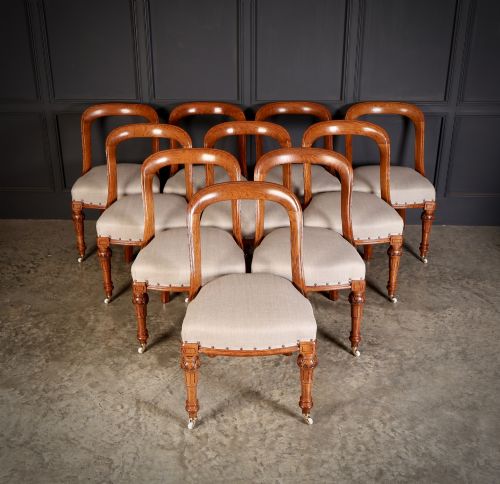
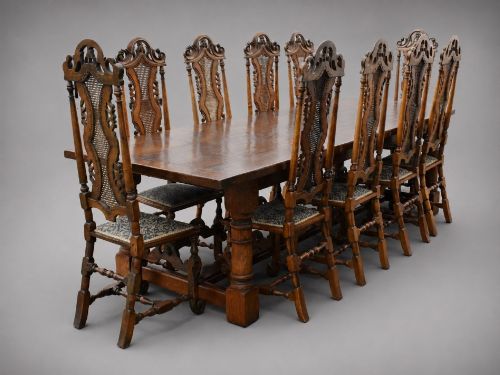
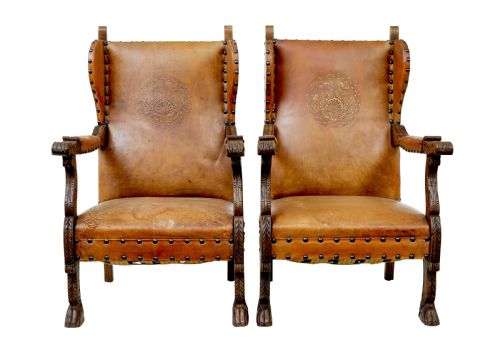
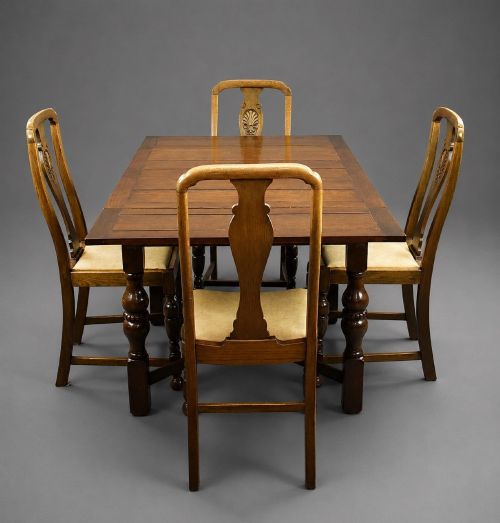
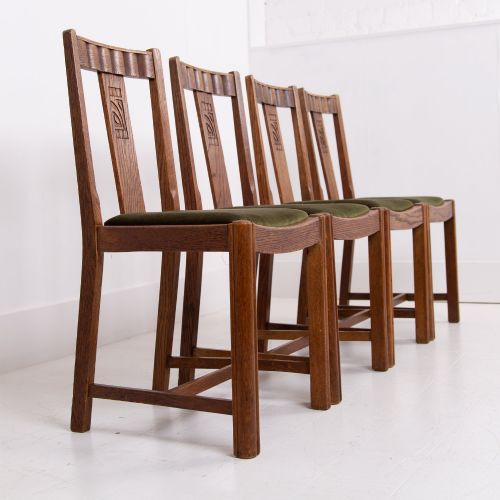
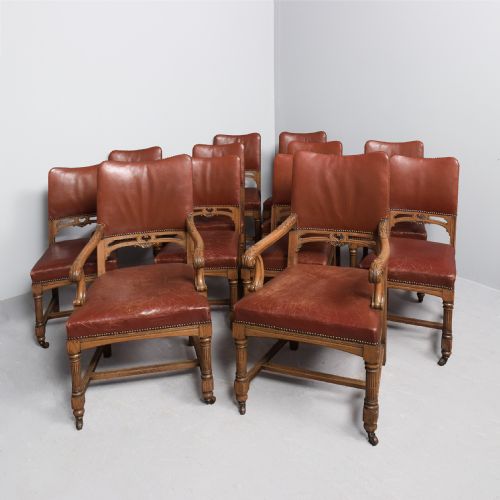
The most common forms on this page include high-back dining chairs, hall chairs and solid armchairs. These pieces often display regional English, Scottish or Irish cabinet-making traditions alongside revivalist designs.
Materials and construction
Makers utilised solid oak alongside secondary timbers like elm and beech, often pairing the wooden frames with leather, fabric or brass details. Joints were pegged, turned or carved by hand to ensure structural endurance.
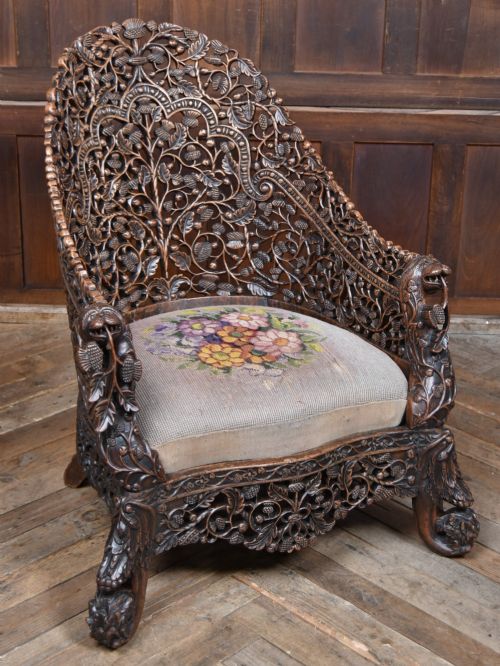
Surface ornamentation relied on chisel work, bobbin turning and panel construction rather than applied veneers. This direct method of working timber produced deeply textured backs and robust legs.
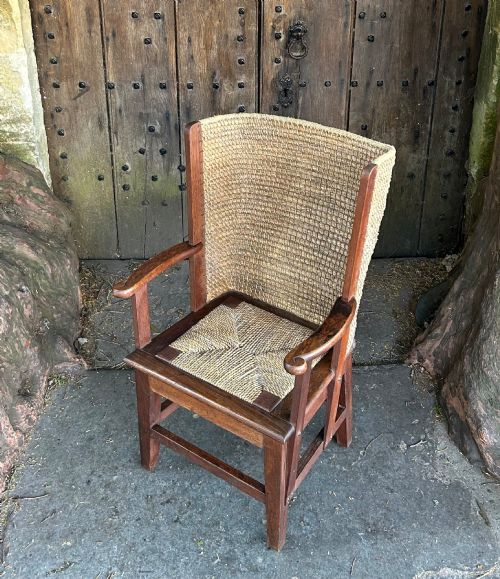
One lonely Orkney chair waits quietly on this page, bringing windswept straw backs into the warmth of the room.
Judging the work
Quality rests on the crispness of the carved detail and the integrity of the timber framing. Pieces that retain their original structural density and show deep, natural colour without excessive surface intervention stand apart.
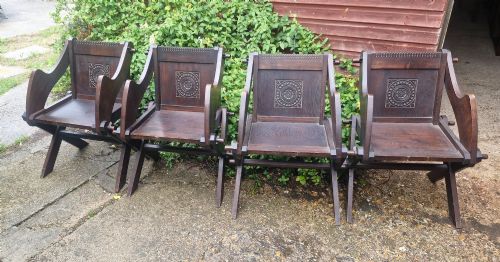
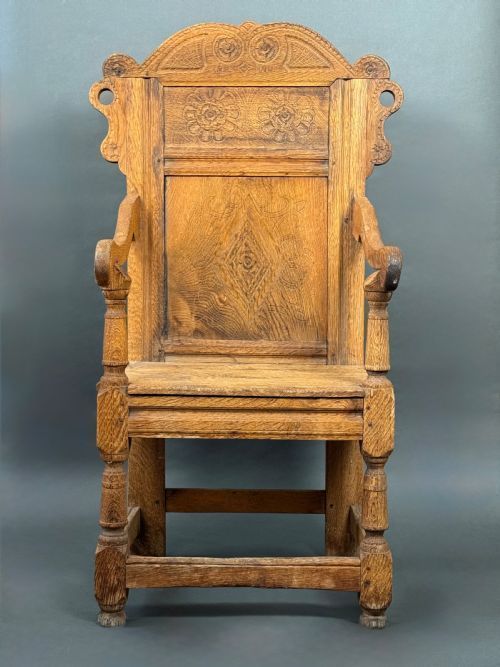
The depth of the grain and the weight of the solid oak sections dictate the longevity of the piece. Refined joinery in less common forms such as wainscot or Glastonbury chairs indicates superior workshop output.
Strahan of Dublin·Norwich Maker
The Brown Oak Carved Chair Glossary
- Bobbin turned
- A style of woodturning where the lathe creates a series of rounded, spool-like shapes along the length of a stretcher or leg. This technique is frequently seen on seventeenth and eighteenth-century frames.
- Wainscot armchair
- A heavy wooden chair constructed with panelled backs and solid wooden seats, popular in the Tudor and Jacobean periods. These forms rely on carpentry rather than upholstery for comfort.
- Glastonbury chair
- A folding chair design with X-framed supports and a sloping back, often bearing religious inscriptions or Gothic Revival motifs. The style originates from medieval prototypes.
- Sgabello
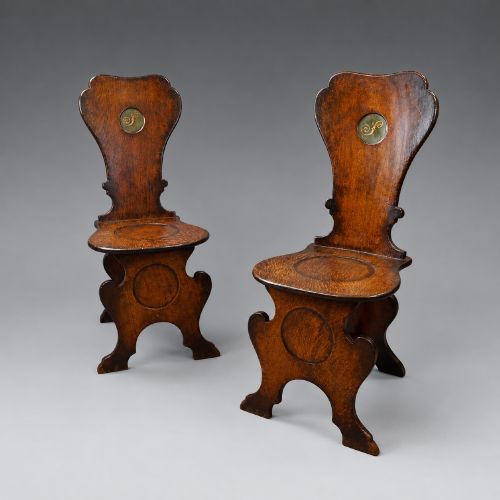
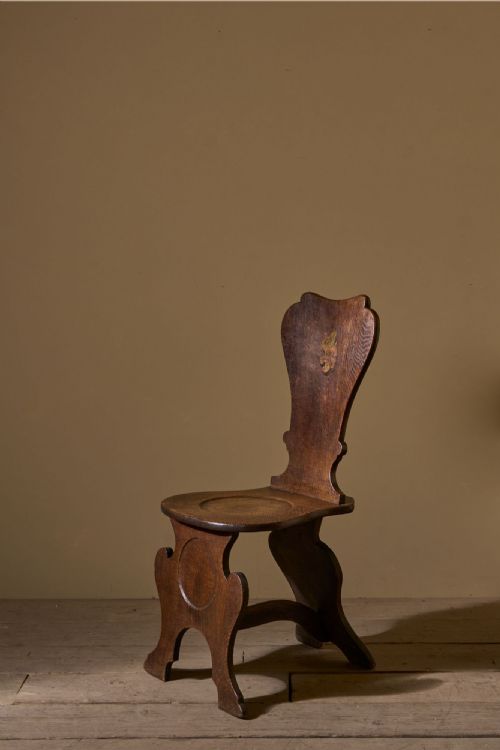
- A light, portable hall chair featuring a high carved back and solid board legs instead of traditional corner posts. These Italian-inspired seats were often placed in entrance halls.
- Smokers bow
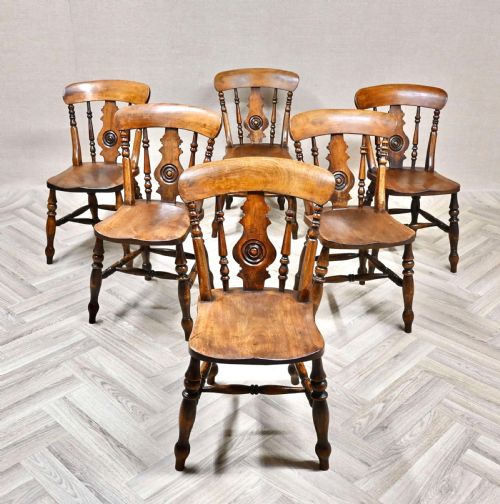
- A sturdy, low-backed Windsor chair with a rounded arm rail, commonly found in nineteenth-century public houses and farmhouses. They are built for resilience and heavy daily use.
Brown Oak Carved Chair: Frequently Asked Questions
How do I date a carved oak chair?
Dating relies on observing construction methods, such as pegged joints versus machine-cut screws, alongside the specific style of carving present on the back panel.
Earlier pieces often display uneven hand-saw marks and simpler timber preparation, whereas nineteenth-century revival chairs mimic these traits with machine assistance.
Were these chairs used for dining?
Many high-back and side variants served around large dining tables in country houses and town residences alike.
Armchairs and heavier wainscot styles were typically reserved for the head of the table or placed in entrance halls.
How do I care for brown oak furniture?
Maintain the timber by keeping it away from direct heat sources and sudden humidity changes that cause the wood to split.
Apply a traditional beeswax polish occasionally to nourish the grain and preserve the rich surface tone.
What is the difference between a hall chair and a side chair?
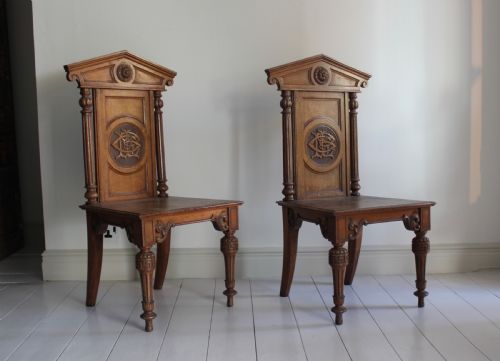
Hall chairs are typically rigid, un-upholstered seats featuring wooden or panelled backs designed for brief sitting in entrance spaces.
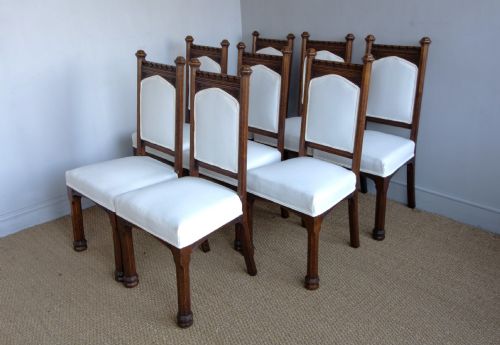
Side chairs are built for general domestic use around tables or in reception rooms, often featuring padded leather or fabric seats.