




Brown Oak Buffet Table
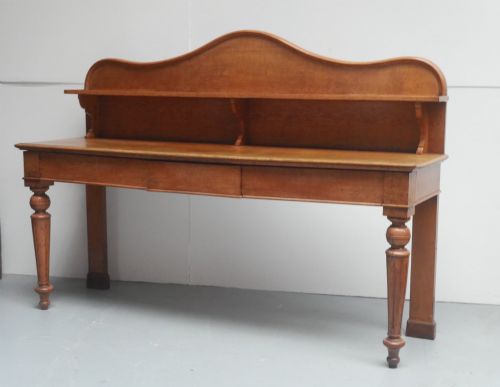
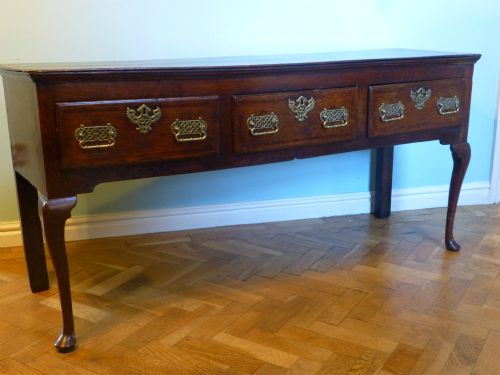
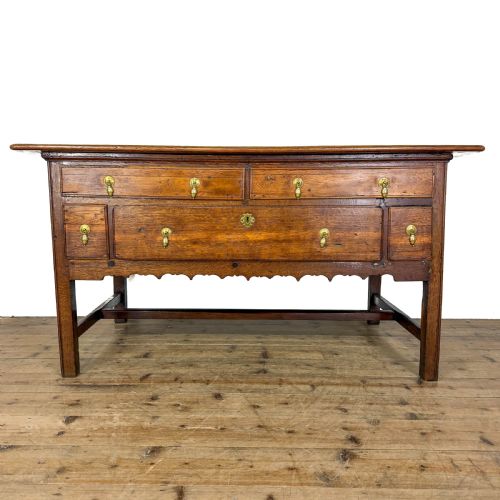
A brown oak buffet table provides a sturdy surface for serving meals while displaying rich, dark timber figures from centuries past.
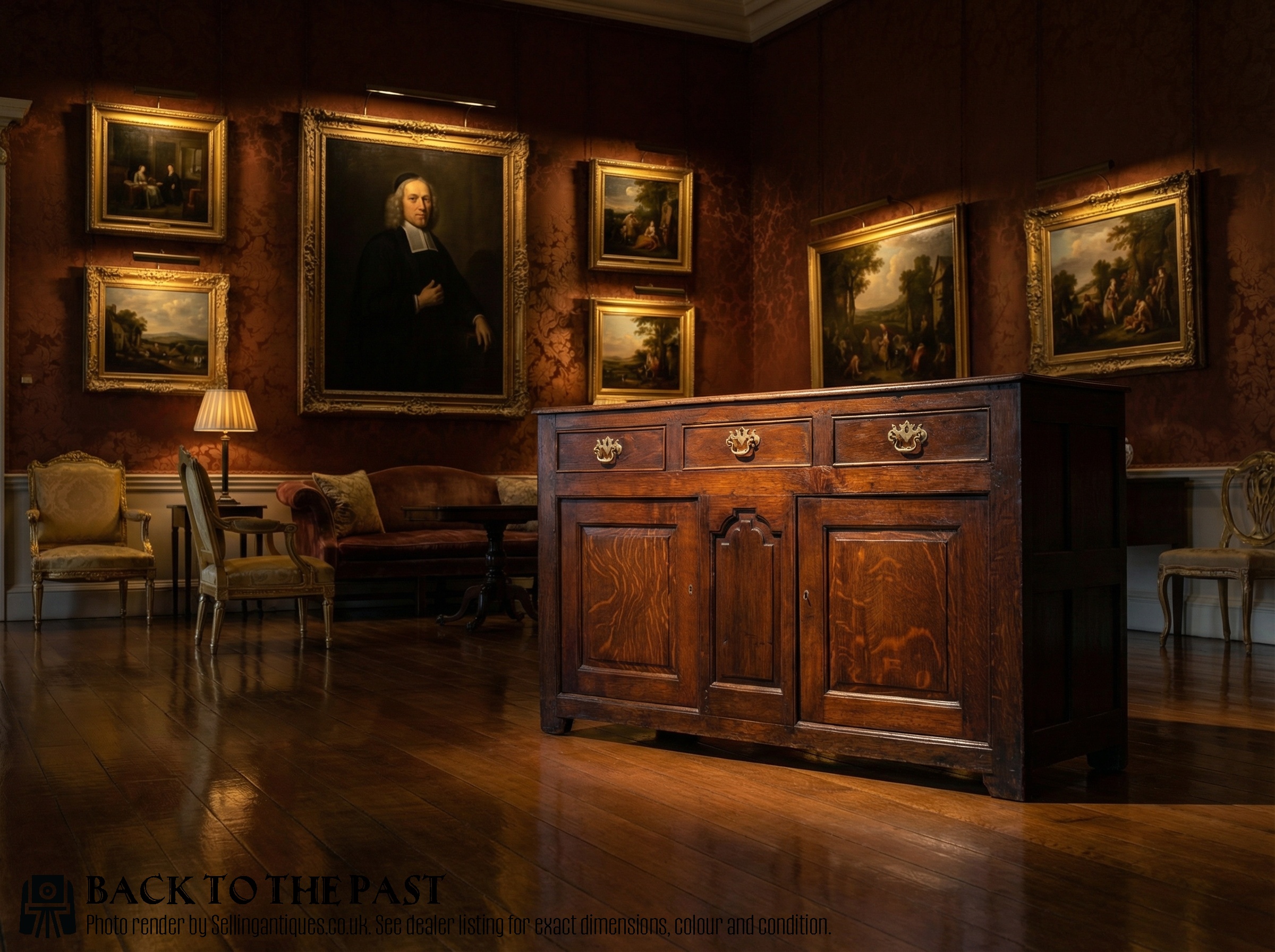
Brown Oak Buffet Table
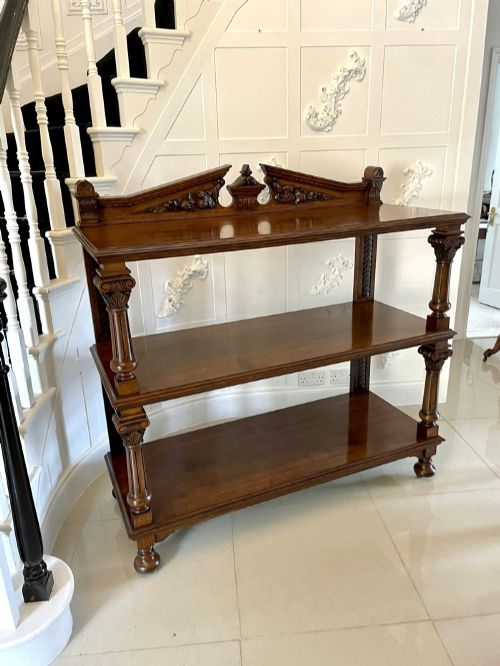
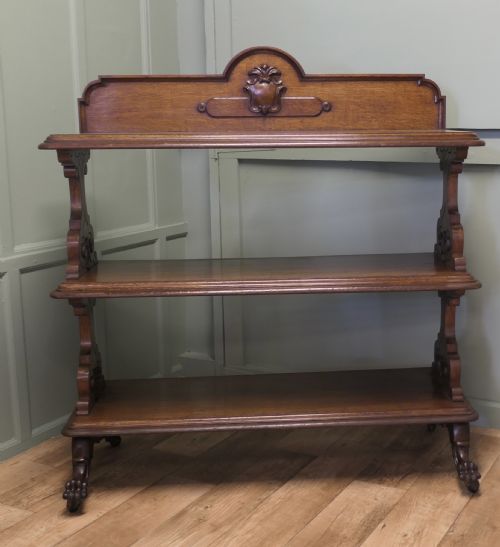
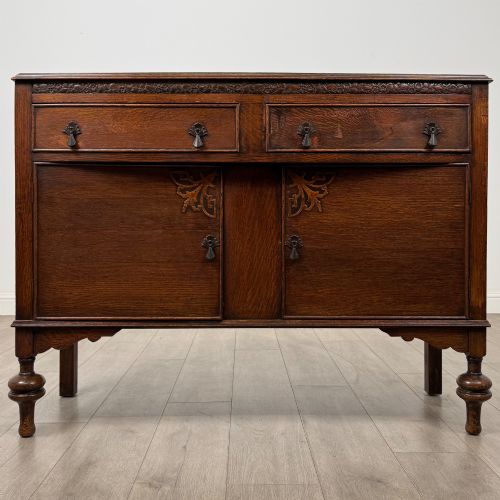
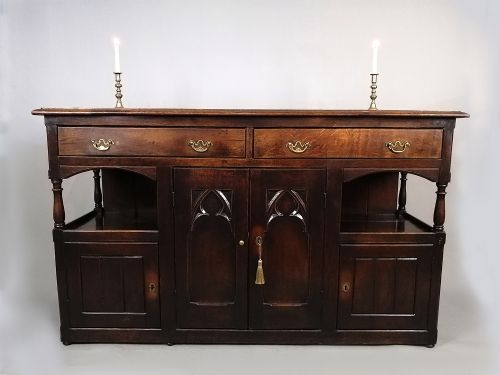
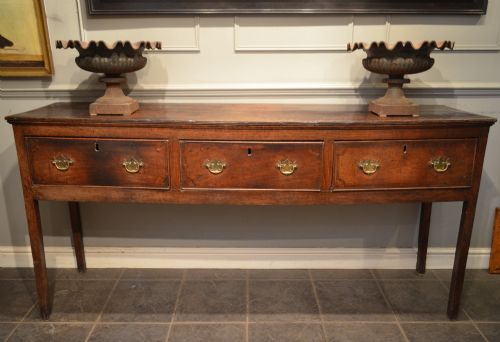
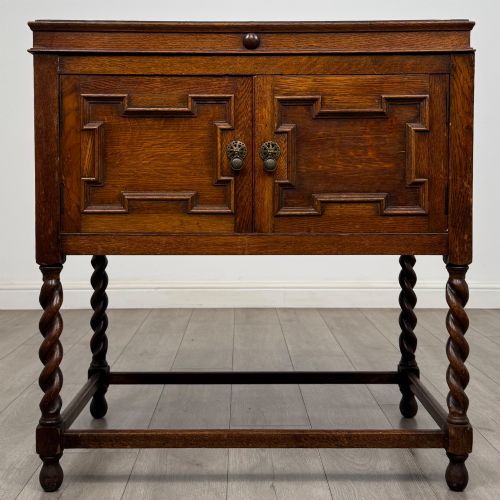
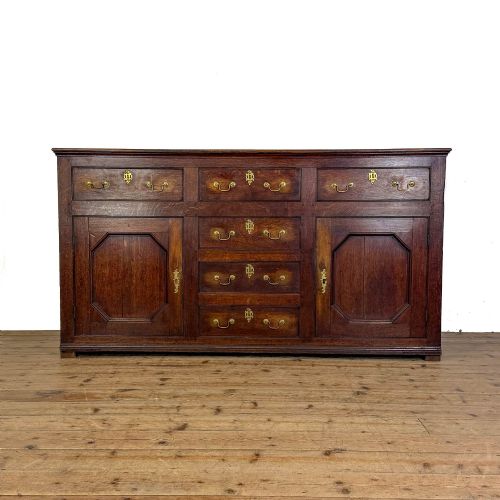
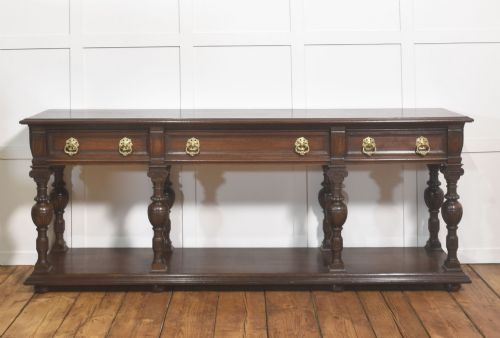
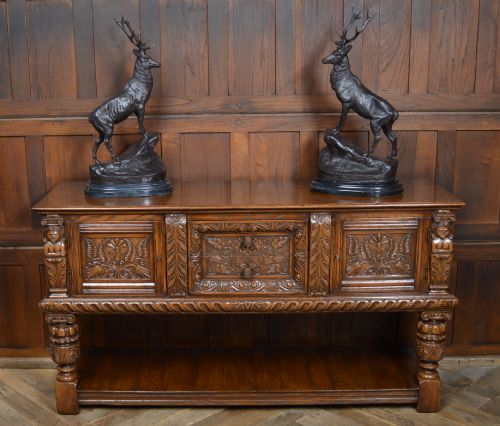
A brown oak buffet table serves primarily as a heavy-duty storage and serving piece for dining rooms, drawing from a variety of historical forms. Buyers searching for a brown oak buffet table encounter numerous dresser bases, serving tables, dumbwaiters, and sideboards spanning the eighteenth, nineteenth, and early twentieth centuries. These functional items range from simple rustic harvest tables to heavily carved Gothic Revival and Jacobean style sideboards.
The materials and construction reflect traditional cabinet-making traditions, utilising solid oak alongside pollard oak, fruitwood, inlay timber, and occasional brass or iron hardware. Pieces appear in various proportions, from small compact cupboards to large multi-tiered serving furniture originating from English, French, and Welsh workshops. Styles stretch across Georgian, Victorian, Edwardian, and Renaissance revivals, offering diverse decorative carvings and patinas.
Assessing Quality and Craftsmanship
Quality in these brown oak buffet table examples rests upon the selection of timber, particularly the depth of figure in pollard oak sections and the tightness of the grain in structural oak. Superior pieces display thoughtful proportions and balanced ornamentation rather than indiscriminate surface carving.
The integrity of the construction, including the smoothness of drawer operations and the stability of potboards or multiple tiers, distinguishes master cabinet work from simpler vernacular pieces. Original hardware, harmonious patination, and well-executed revival details elevate certain examples above standard utility items.
A watchful Green Man peers from the carved oak panels of select Victorian revival sideboards.
PHILLIPS BRISTOL
The Brown Oak Buffet Table Glossary
- Dresser base
- A low wooden storage unit featuring drawers and sometimes an open lower shelf known as a potboard, traditionally used in dining rooms or kitchens. These form a large portion of the available serving furniture.
- Pollard oak
- Timber taken from trees that were pollarded, resulting in highly decorative, clustered grain patterns often utilised for drawer fronts and cabinet doors. It adds distinctive visual depth to brown oak furniture.
- Potboard
- An open lower shelf built into the base of a sideboard or dresser to hold heavy pots, dishes, or serving platters. This practical feature appears frequently on 18th and 19th century oak pieces.
- Dumbwaiter
- A multi-tiered serving table or stand designed to hold food, drinks, or tableware without requiring attending servants. Examples range from stationary graduated shelves to rising and falling mechanical designs.
Brown Oak Buffet Table: Frequently Asked Questions
What is a brown oak buffet table used for?
These tables provide a robust surface for serving food and drinks during meals while offering lower storage space for tableware, linens, or serving dishes. Historically placed in dining rooms or large halls, they functioned as the central staging area for hospitality.
Today, they serve a similar practical role in modern homes while acting as prominent decorative anchor points. Their deep timber tones and traditional forms suit both formal dining spaces and large country-style kitchens.
How do I date an antique oak buffet table?
Dating relies on observing construction methods, handle styles, leg designs, and overall decorative motifs. Georgian pieces often display clean lines and cabriole legs, whereas Victorian and Edwardian examples lean heavily into Gothic Revival or Jacobean carved ornamentation.
Examine the timber shrinkage, drawer construction, and secondary woods used in the interior structure. Tool marks and fastener types further help pinpoint whether a piece originates from the eighteenth, nineteenth, or early twentieth century.
Are these tables made of solid wood?
The listings consist overwhelmingly of solid oak and related timber constructions, built to withstand heavy daily domestic use. Cabinet makers utilised thick oak boards for tabletops, drawer frames, and structural supports.
Decorative elements like pollard oak veneers or fruitwood accents were occasionally applied to enhance the visual appeal of drawer fronts and panels. This combination of robust structural oak and figured decorative wood defines the category.
How should I care for antique oak furniture?
Maintain antique oak by keeping it away from direct sunlight and extreme humidity fluctuations, which can cause timber to split or warp. Dust regularly with a soft, dry cloth to prevent grime accumulation on carved surfaces.
Apply a quality beeswax periodically to nourish the wood and preserve its natural patina. Avoid using modern silicone-based polishes that can permanently alter the finish of the historic timber.