

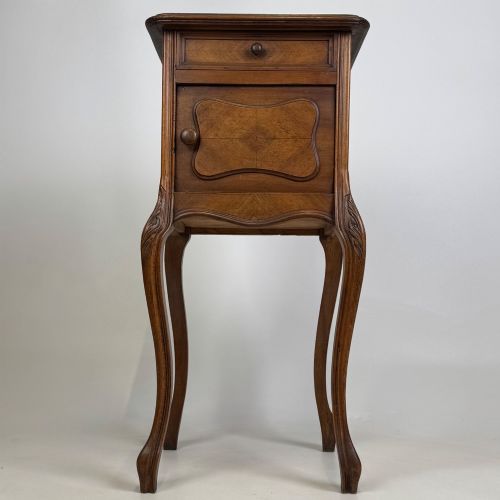
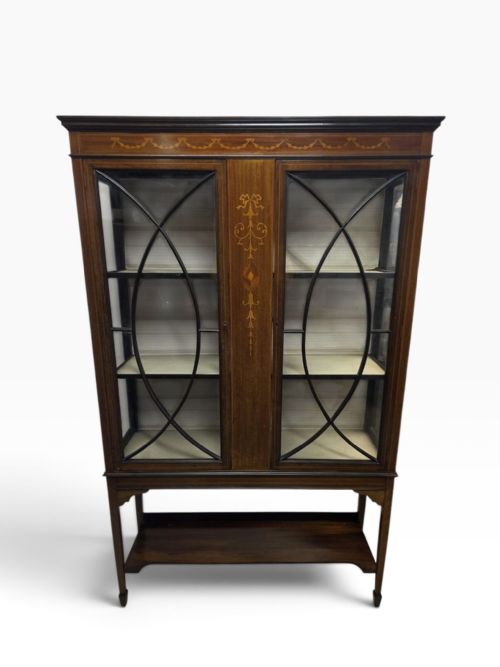
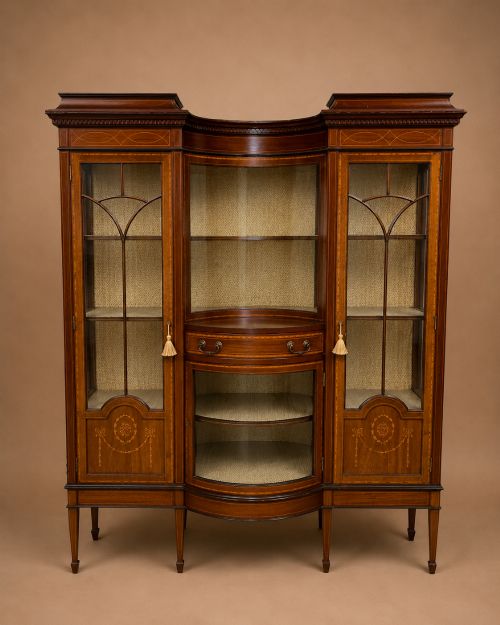
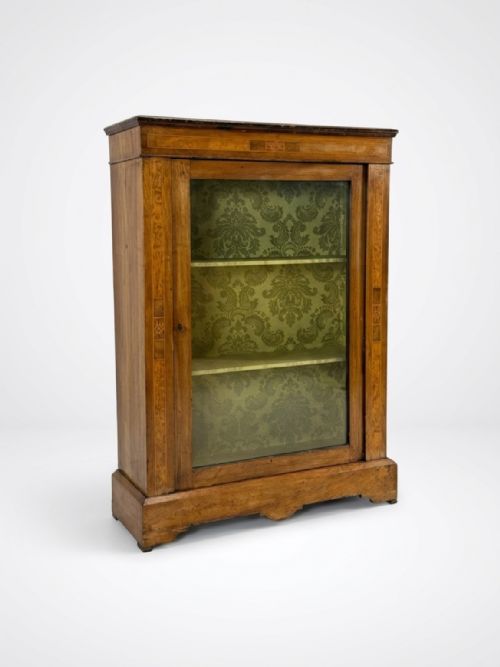
Brown Marquetry Cupboard
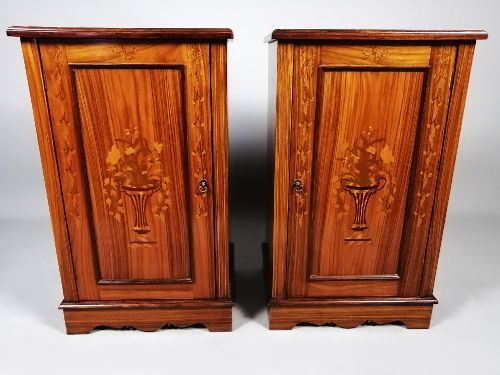
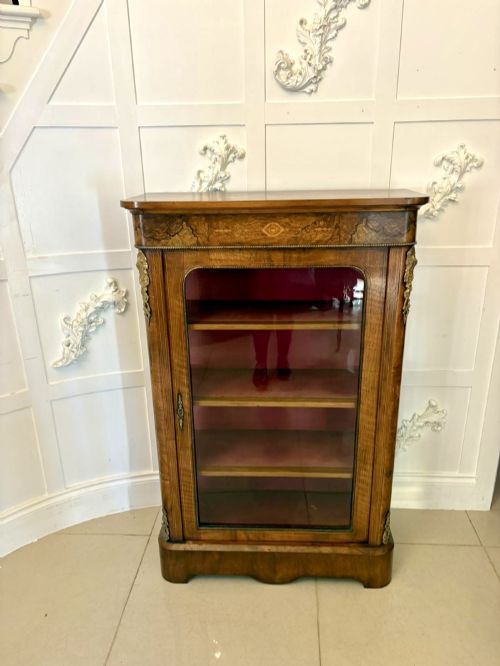
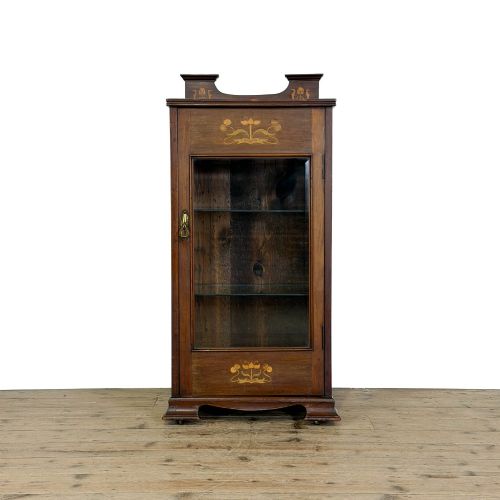
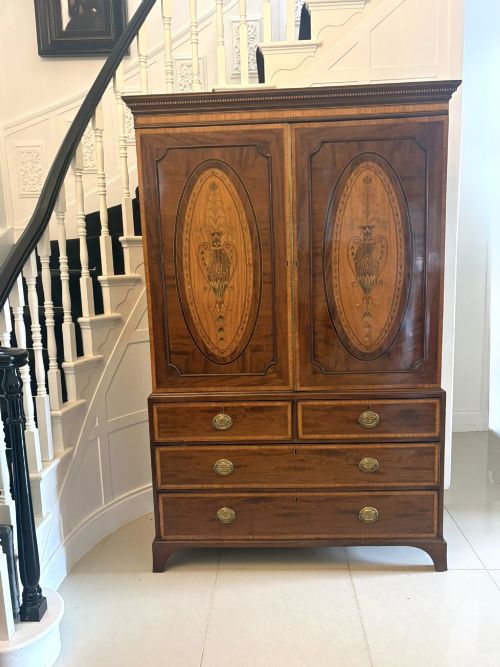
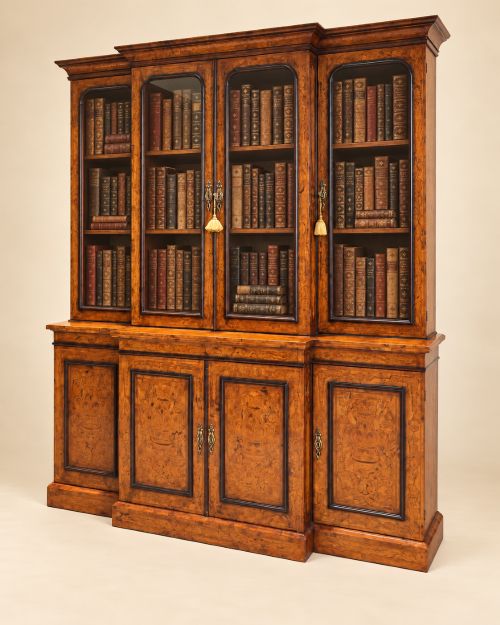
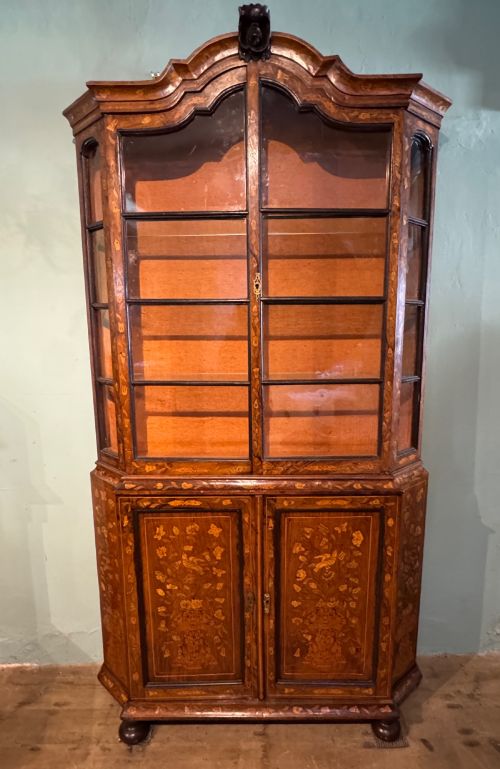
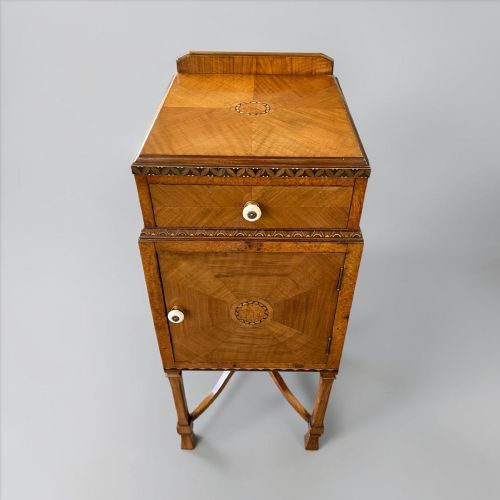
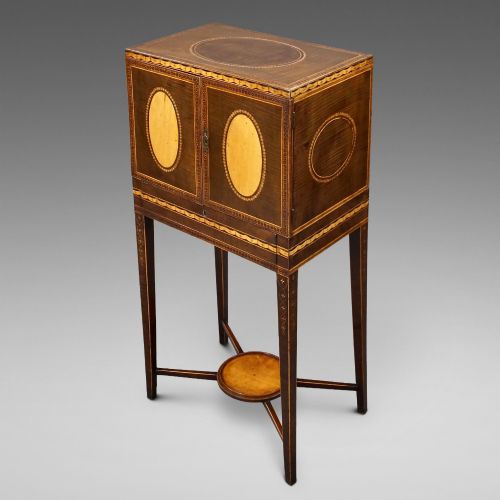
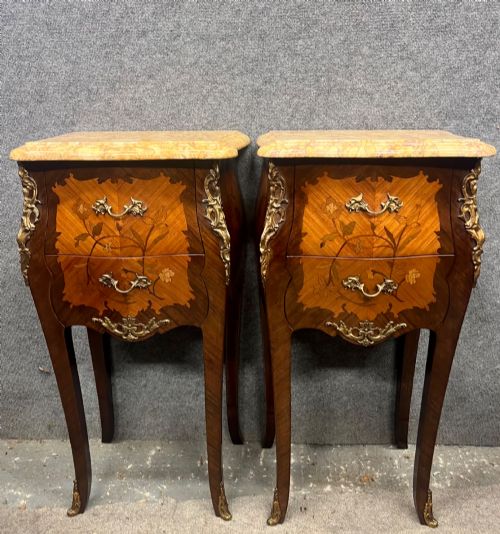
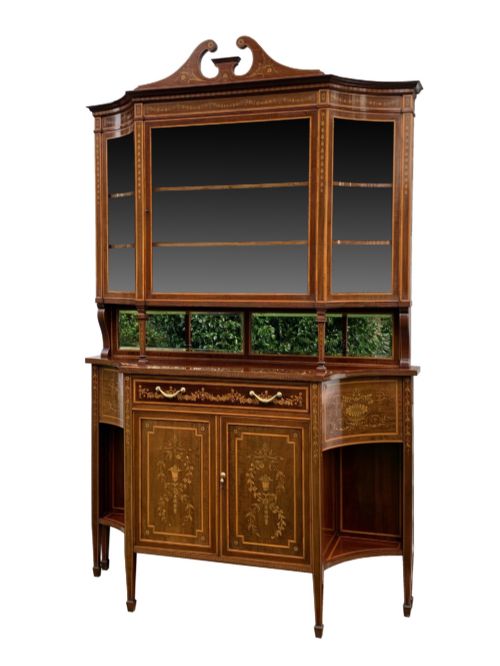
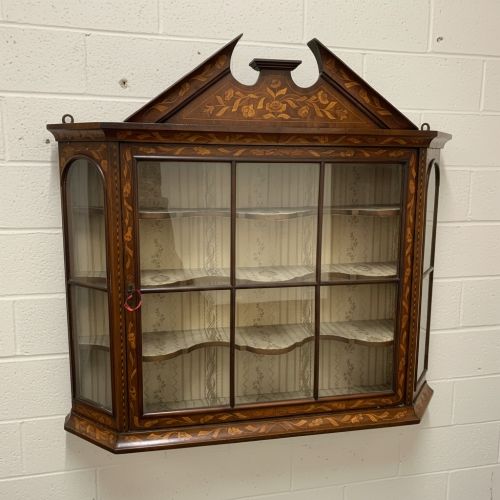
These brown marquetry cupboards combine rich cabinet timbers with intricate inlaid floral and geometric designs, offering practical storage alongside striking surface pattern.
Brown Marquetry Cupboard
A brown marquetry cupboard encompasses a variety of storage forms, from compact bedside chests and corner units to large linen presses and display cabinets. When searching for this phrase, expect to encounter pieces spanning multiple centuries, with particular strength in eighteenth and nineteenth-century examples.
The domestic role of these cupboards ranges from bedside placement to grand display in reception rooms. Common formats include pier cabinets, wall cabinets, and substantial housekeepers wardrobes designed for linen and garments.
How they were made
Construction relies heavily on robust carcase timbers such as mahogany, walnut, and satinwood, which provide stable foundations for decorative surfaces. Cabinet makers utilised contrasting woods like fruitwood and harewood to build up intricate marquetry panels, often incorporating floral and foliate motifs.
Surface ornamentation is frequently augmented by brass handles, gilt mounts, or ormolu details, while glass panels feature on display and wall variants. The interplay of diverse woods gives these pieces their characteristic warm, variegated brown tones.
The listings include Dutch Baroque, Sheraton Revival, and Art Nouveau interpretations alongside standard Victorian and Georgian examples.
What varies in quality
The standard of a brown marquetry cupboard rests on the precision of its inlay work and the selection of underlying veneers. Finer examples display tight, seamless joints in the mosaic of woods and possess highly figured timbers like burr walnut or select mahogany.
Structural refinement also dictates worth, observed in the smoothness of drawer operations, the crispness of carved or cast brass mounts, and the proportional balance of the overall design.
Edwards & Roberts·Druce & Co.
The Brown Marquetry Cupboard Glossary
- Marquetry
- Decorative veneer work applied to a furniture carcase, forming pictures or geometric patterns using various tinted woods.
- Linen Press
- A tall double-door cupboard containing sliding trays or shelves originally intended for storing household linen and garments.
- Pier Cabinet
- A narrow cabinet designed to stand against the wall space between windows, often featuring glazed doors for display.
- Ormolu
- Gilded bronze used for decorative mounts and furniture hardware, common on finer nineteenth-century pieces.
- Satinwood
- A durable, lustrous timber with a golden sheen, frequently utilised for contrasting inlays and stringing.
Brown Marquetry Cupboard: Frequently Asked Questions
What rooms suit a marquetry corner cupboard?
These corner units fit effectively into living spaces or dining rooms where unused angles require functional storage and decorative interest.
Their triangular footprint makes efficient use of floor space while displaying inlaid timber work on the front doors.
How do I care for antique veneer?
Maintain stable indoor humidity levels and keep wooden surfaces away from direct heat sources to prevent the lifting of old glues.
Apply a traditional beeswax polish sparingly to nourish the timber without building up heavy chemical layers.
What is a linen press used for today?
The interior sliding trays provide organised storage for folded garments, knitwear, or household textiles in a bedroom or dressing room.
Deeper wardrobe sections within larger presses accommodate longer hanging items.
How do I distinguish eighteenth from nineteenth-century pieces?
Eighteenth-century examples often exhibit heavier reliance on walnut and distinct Dutch floral marquetry patterns, alongside hand-cut dovetailing in the interior drawers.
Nineteenth-century adaptations frequently utilise mahogany or burr walnut with machine-assisted precision in the secondary framing.