


Brown Mantel Clock
A brown mantel clock grounds a room with steady rhythm and warm timber tones, bringing centuries of craftsmanship directly to your shelf.
Brown Mantel Clock
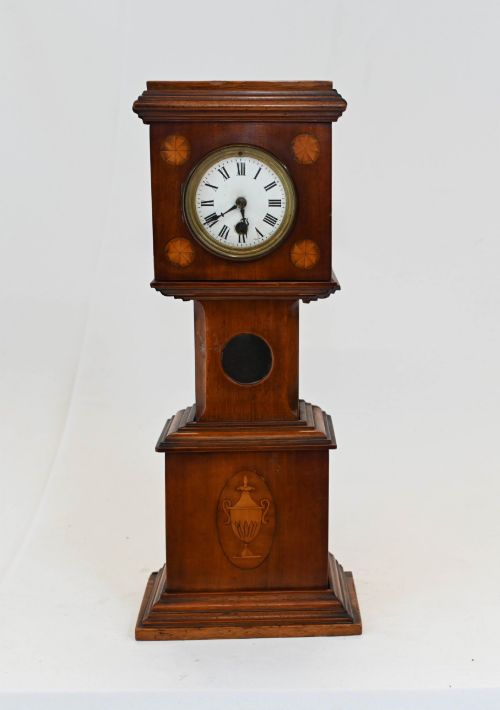
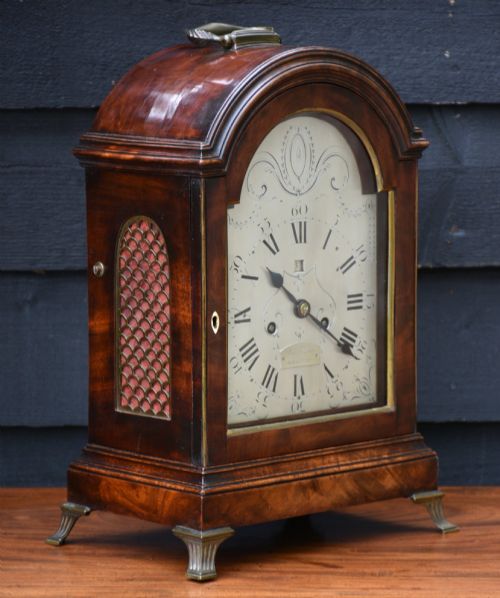
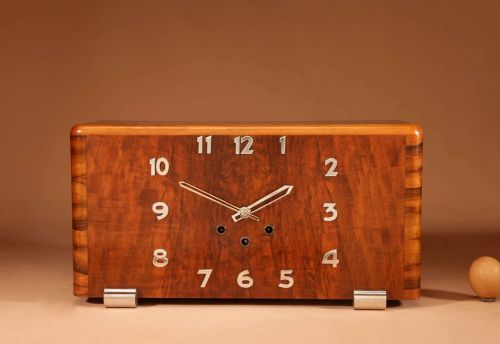
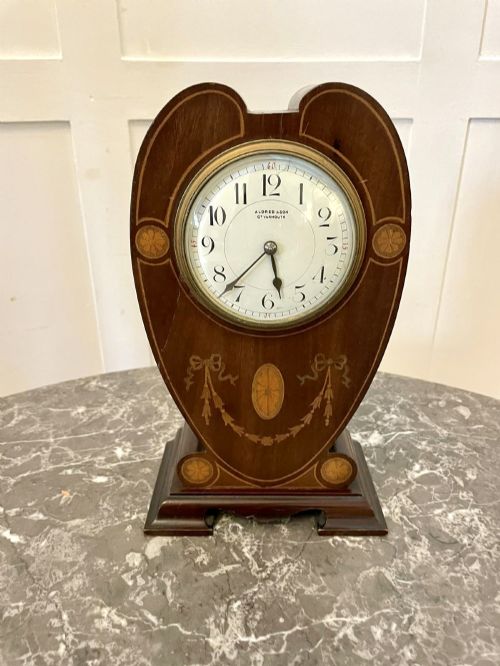
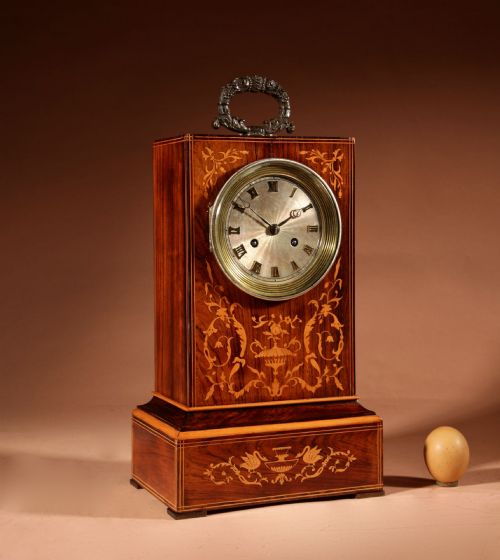
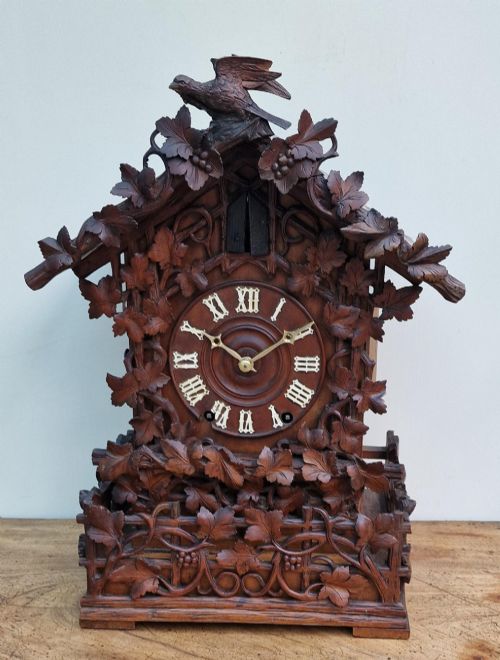
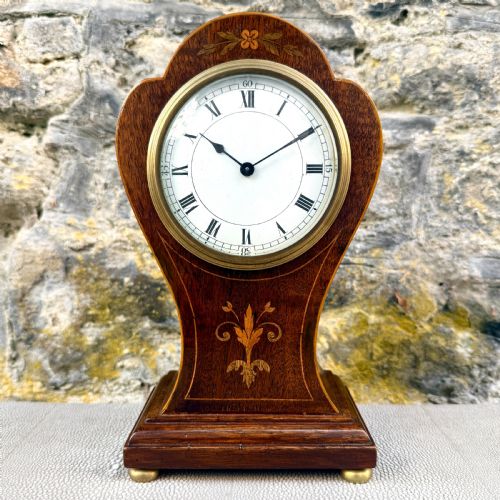
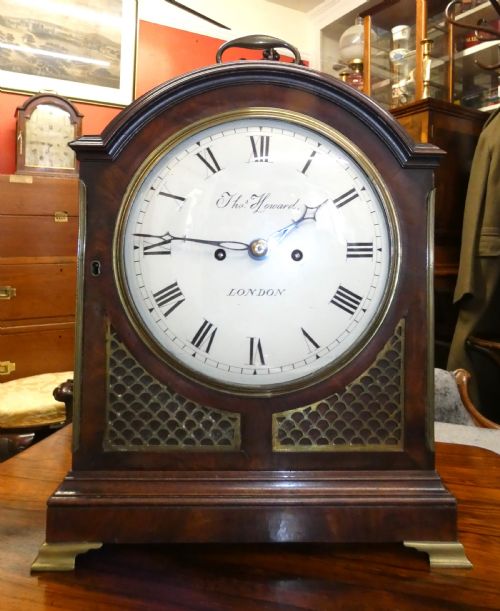
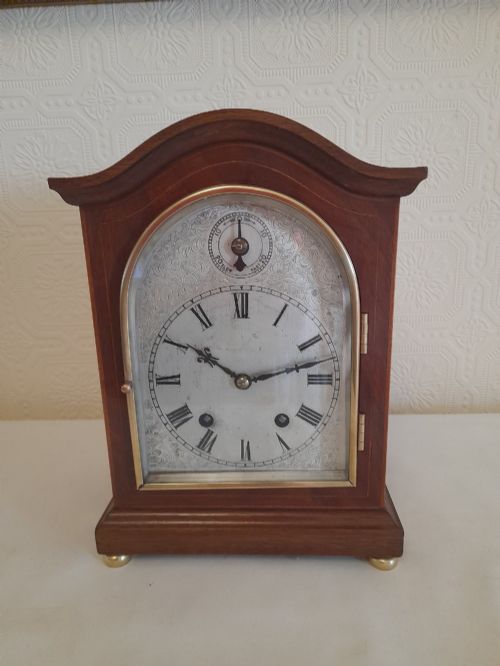
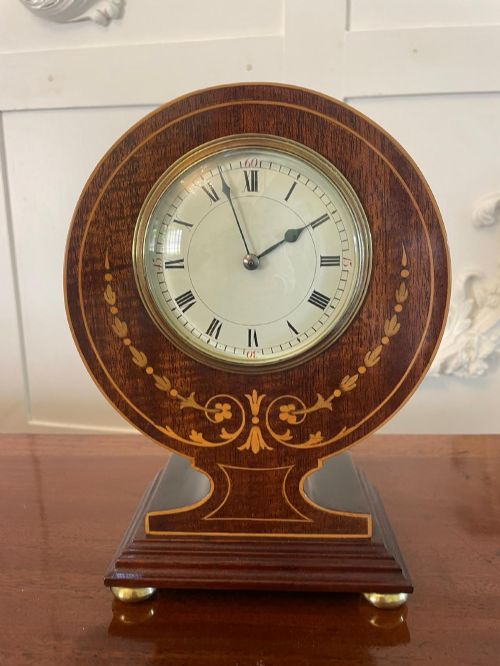
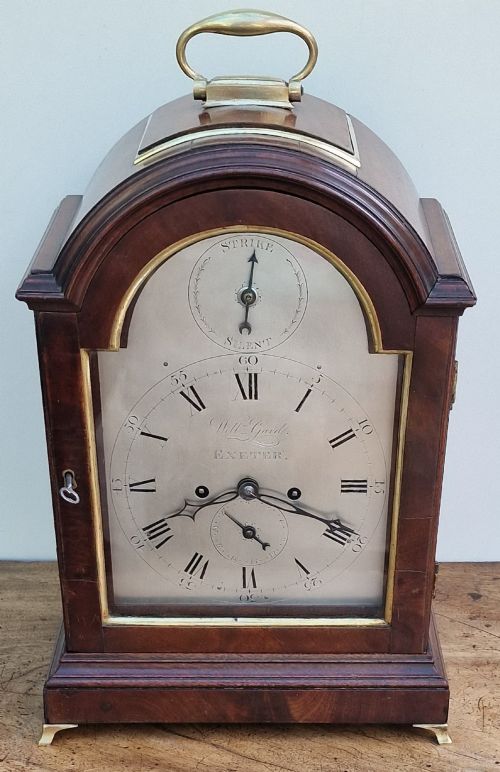
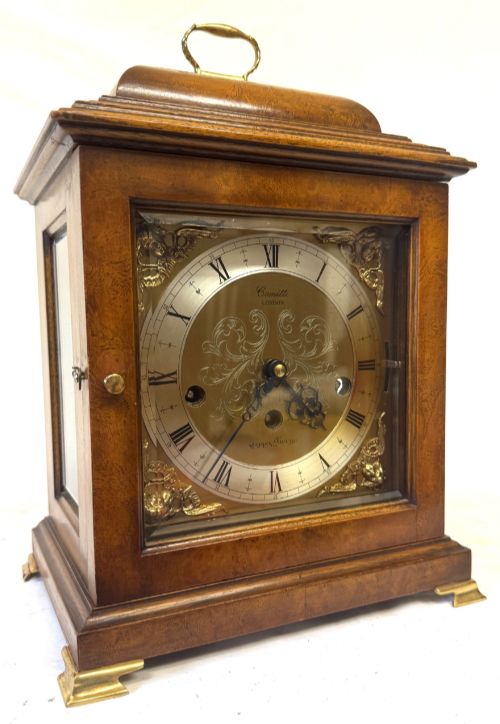
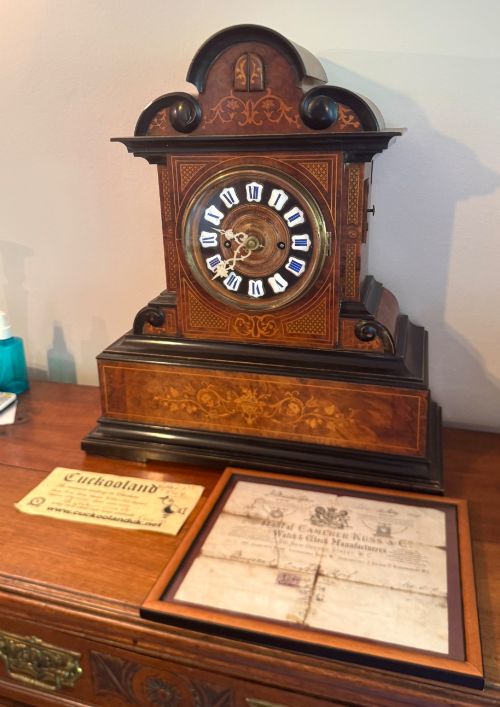
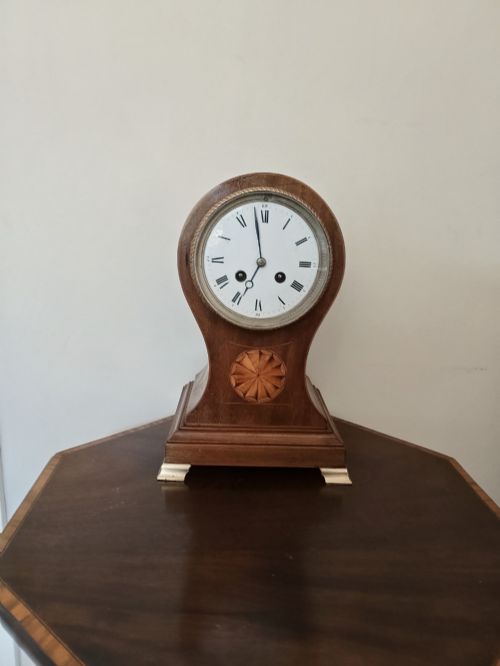
A brown mantel clock spans multiple eras, with Edwardian and Victorian mahogany and walnut pieces appearing frequently alongside Art Deco oak and bakelite examples. These objects take the form of bracket clocks, timepiece library clocks, and architectural clock cases designed to sit upon furniture surfaces.
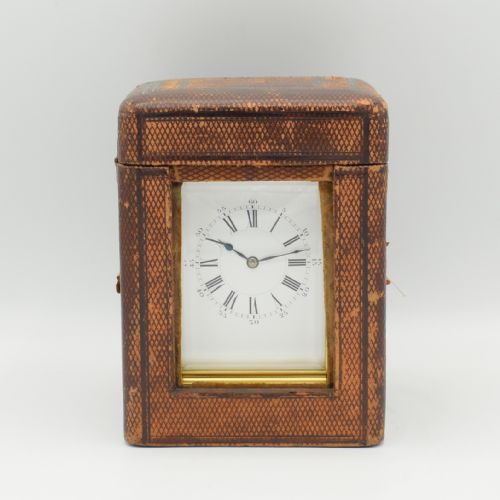
Makers and workshops across Britain, France, and Germany produced these designs using timber cases housing mechanical or desk movements. You encounter carriage clocks, cuckoo clocks, and portico clocks among the varied styles.
Craftsmanship and Distinction
Quality rests in the precision of the timber cabinet work, the intricacy of the inlay, and the complexity of the internal movement. Clocks featuring signed maker dials, specialised quarter-striking mechanisms, or original travel cases demonstrate higher standards of production.
Brown Mantel Clock Retail Price Guide 2026
Typical asking prices for brown mantel clock among the pieces listed under this phrase on Sellingantiques today, from the lower quarter to the upper quarter. They describe what is for sale here now, not the wider market.
Henri Jacot·Mappin & Webb·Winterhalder·Comitti Of London·H.A.C.
The Brown Mantel Clock Glossary
- Fusee
- A conical pulley used in clock movements to maintain even force on the gear train as the mainspring unwinds.
- Bracket clock
- A portable timepiece traditionally fitted with a handle, designed to sit on a wall bracket or table surface.
- Portico clock
- A decorative timepiece styled after classical architecture with supporting columns and pediment details.
- Marquetry
- Decorative veneer work arranged in intricate geometric or pictorial patterns across the wooden surface.
- Ormolu
- Gilded bronze used for decorative mounts and accents on clock cases.
Brown Mantel Clock: Frequently Asked Questions
Where should I place a mantel clock?
Position the piece on a stable surface away from direct sunlight and drafts to protect the internal mechanics.
Ensure the shelf or mantelpiece is level so the pendulum or balance wheel operates correctly.
How do I identify the period?
Examine the timber species, case architecture, and dial design against known stylistic eras.
Signatures on the dial or movement backplate often provide direct clues to the maker and decade.
What maintenance do these clocks need?
Mechanical movements require periodic professional cleaning and lubrication to function smoothly over time.
Keep the exterior timber conditioned with appropriate wax and dust the glass and brass components regularly.