




Brown Mahogany Vitrine Table
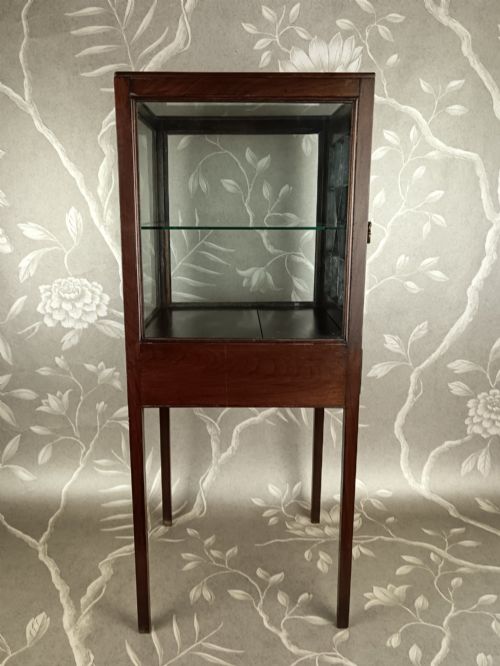
A brown mahogany vitrine table is a glazed display piece designed to show small treasures, bringing refined surface and visible depth into a room.
Brown Mahogany Vitrine Table
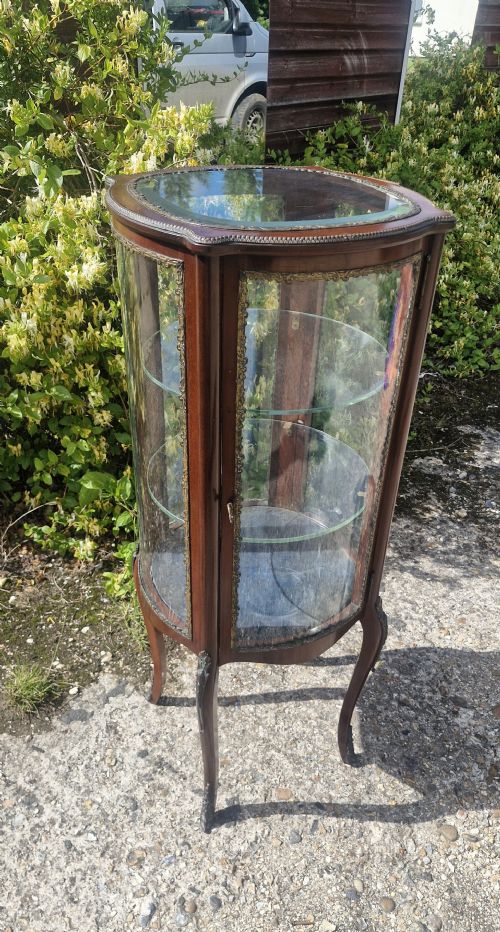
A brown mahogany vitrine table combines the storage of a small occasional table with the glass-topped display of a cabinet, allowing collections of jewellery and curios to be viewed from above. The brown mahogany vitrine table typically appears in forms such as oval bijouterie tables, kidney-shaped display cases, and serpentine-fronted cabinets.
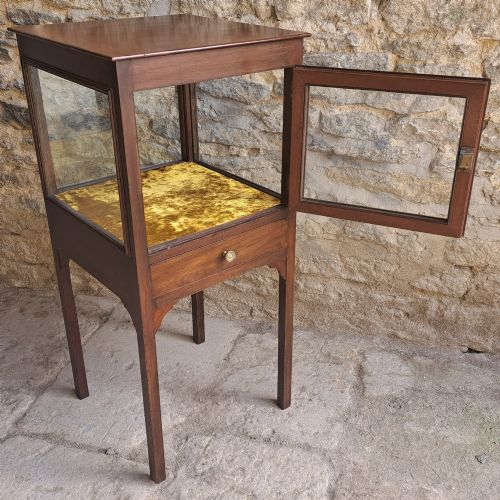
Most examples found here date from the Edwardian era and the late nineteenth century, though earlier Georgian and George III pieces occasionally emerge. These tables often incorporate hinged lids, glass panels, and fitted interiors lined with fabric or velvet to cradle small objects.
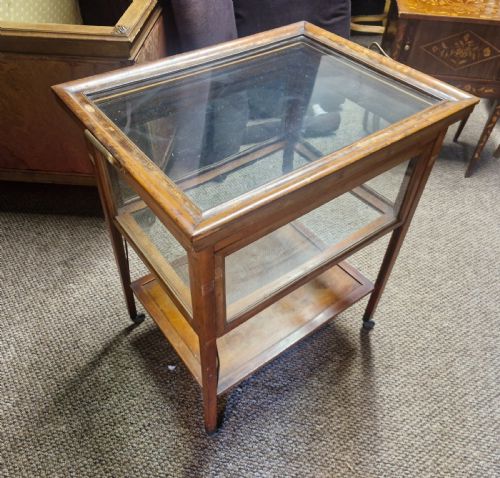
Makers adapted the form across decades, resulting in pieces that range from simple glazed tea trolleys to heavily inlaid Sheraton style display tables and French ormolu-mounted vitrines. Each variant serves the fundamental purpose of framing personal collections within a polished timber frame.
Assessing quality and finish
Quality rests on the crispness of the mahogany grain, the precision of the marquetry and inlay work, and the weight of the brass or ormolu mounts. Finer examples display meticulous attention to the timber joints and the smoothness of the hinged glass top mechanism.
The integrity of the interior lining and the clarity of the original glass panels also distinguish superior pieces from standard utilitarian items. Balance in proportion, particularly in kidney-shaped and serpentine forms, marks the distinction between workshop output.
Brown Mahogany Vitrine Table Retail Price Guide 2026
Typical asking prices for brown mahogany vitrine table among the pieces listed under this phrase on Sellingantiques today, from the lower quarter to the upper quarter. They describe what is for sale here now, not the wider market.
Current listings feature mahogany, glass, brass, velvet, satinwood, fabric, ormolu, and boxwood across Edwardian, Georgian, and Victorian periods.
The Brown Mahogany Vitrine Table Glossary
- Vitrine
- A glass-fronted or glass-topped cabinet designed for the display of objects and curiosities. These pieces protect delicate items while offering all-round visibility.
- Bijouterie table
- A small display table with a glazed compartment beneath the top for holding jewellery, medals, and small decorative items. They are often elevated on slender tapered legs.
- Marquetry
- Decorative patterns formed by inserting thin pieces of wood, shell, or ivory into a veneered surface. This technique creates elaborate floral or geometric designs across the tabletop.
- Ormolu
- Gilded bronze used for decorative mounts and furniture hardware. The technique gives metal fittings a rich gold appearance that complements polished mahogany.
- Kidney shaped
- A curved furniture top resembling the outline of a kidney, popular in Edwardian occasional and display tables. This shape allows closer access to the central well.
Brown Mahogany Vitrine Table: Frequently Asked Questions
What is a bijouterie table?
A bijouterie table is a specialised display table featuring a glazed top and a shallow velvet-lined compartment beneath. It was designed for placing small valuable items, trinkets, and personal jewellery on public view.
These pieces were popular in drawing rooms for entertaining guests and displaying conversational collections.
How do I care for the wood?
Maintain mahogany surfaces by dusting gently with a dry, soft cloth and avoiding direct sunlight to prevent fading. Protect the timber from excessive moisture and extreme temperature fluctuations.
Condition the wood occasionally with appropriate furniture wax to preserve the depth of the brown polish.
Where were these tables used?
These display tables typically stood in drawing rooms, parlours, and reception rooms where guests gathered. They functioned as both decorative furniture and personal museums for the owner's collections.
Smaller variants also served beside seating areas as lamp tables or specialised tea trolleys.
How do I identify Edwardian pieces?
Edwardian display pieces often feature lighter mahogany frames with delicate satinwood inlay, floral painted decoration, or marquetry. The legs tend to be slender and tapered, reflecting the revival of Sheraton and Georgian styles.
Construction methods from this period balance traditional cabinet making with machine-assisted precision.