




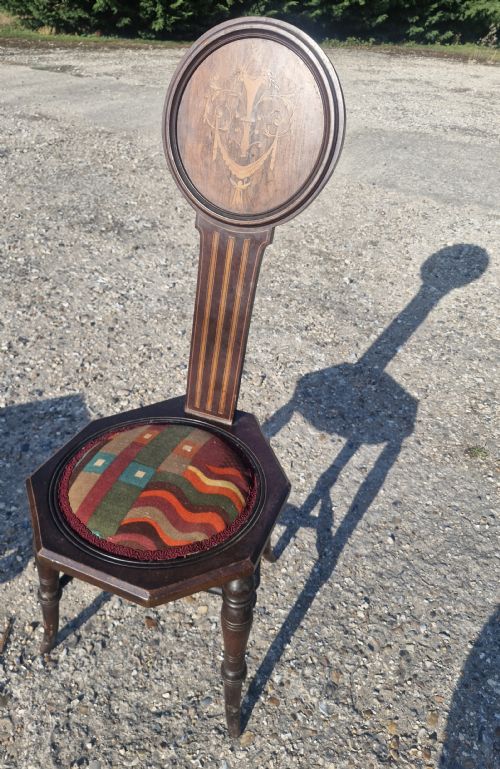
Brown Mahogany Urns
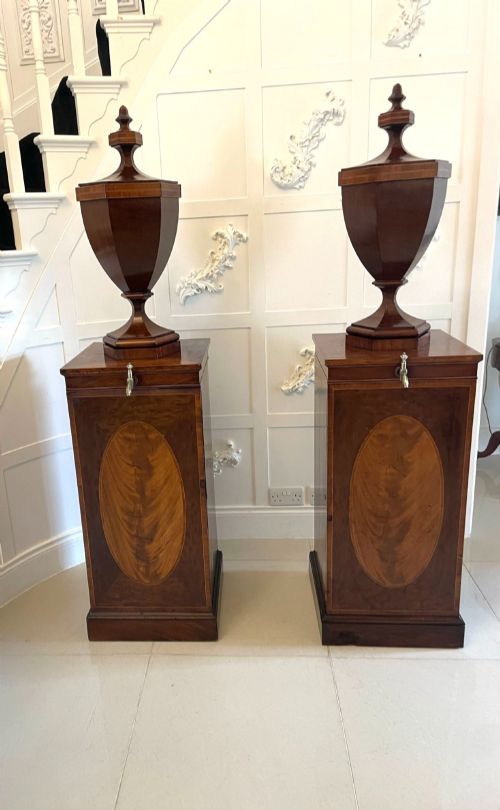
Brown mahogany urns are formal dining accessories and display pieces spanning the Georgian to Edwardian eras, offering rich timber tones and classic neoclassical form.
Construction and materials
Cabinet makers built brown mahogany urns using solid mahogany carcasses or framed panels, frequently selecting dense, well-figured timber for visible exterior surfaces. Workshops incorporated secondary timbers for internal linings and hidden structural components.
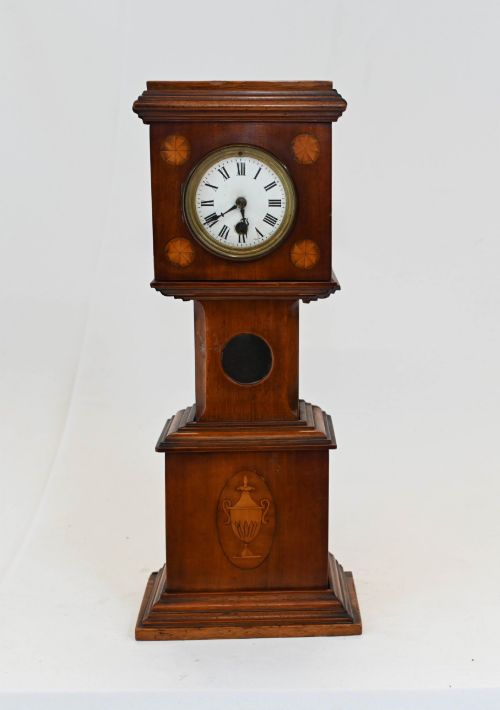
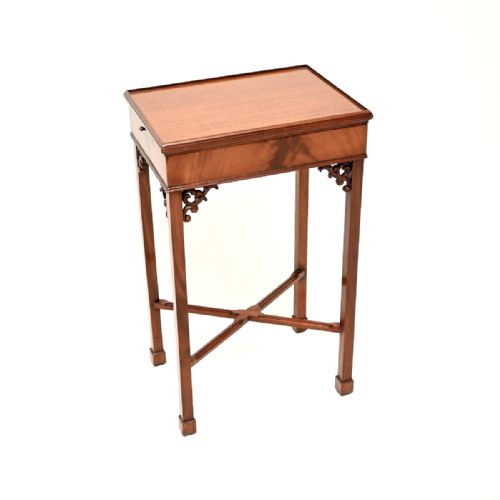
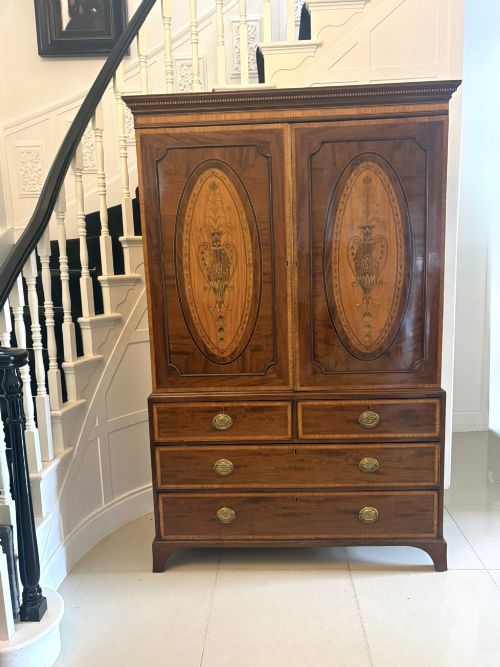
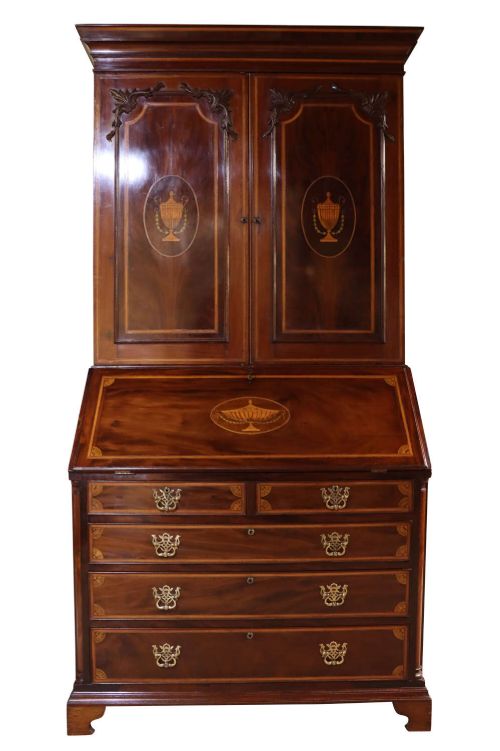
Decoration relied heavily on precision timber inlay, utilising contrasting materials such as satinwood and boxwood to create delicate banding, fan motifs, and geometric stringing. Brass hardware, including drop handles, hinges, and escutcheons, provided functional contrast to the dark polished wood.
Surfaces received hand-applied finishes, typically built up through multiple layers to highlight the natural grain patterns and rich warm tones inherent in mature mahogany.
Assessing craftsmanship and proportion
Quality rests primarily on the crispness of the cabinet work, the precision of the timber inlay, and the selection of the mahogany veneer. Finer pieces display seamless joints, symmetrical grain alignment, and delicate stringing executed without visible gaps.
Proportion and architectural balance define the upper tier of these objects. Pieces exhibiting refined tapering, well-turned pedestals, and original brass hardware command greater appreciation than utilitarian or heavily altered examples.
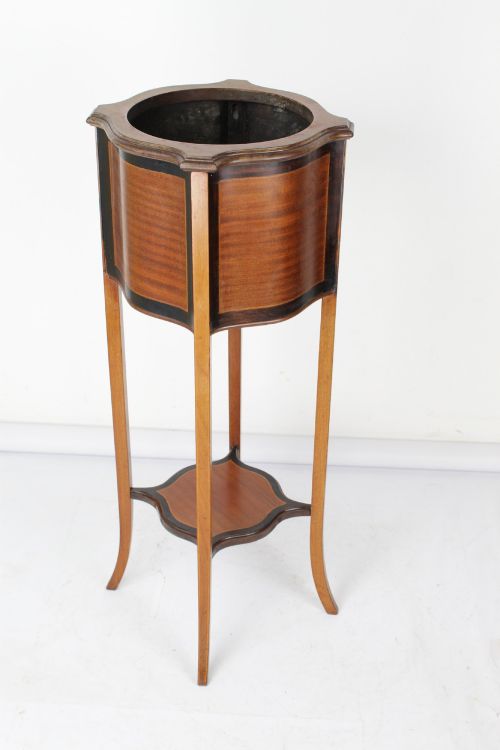
The sophistication of decorative details, such as marquetry panels or finely shaped serpentine fronts, distinguishes standard production items from masterwork creations.
Brown Mahogany Urns Retail Price Guide 2026
Typical asking prices for brown mahogany urns among the pieces listed under this phrase on Sellingantiques today, from the lower quarter to the upper quarter. They describe what is for sale here now, not the wider market.
Georgian dining etiquette required cutlery to be locked away after the meal, turning humble knife boxes into secure display urns.
Edwards and Roberts·Keeble London
The Brown Mahogany Urns Glossary
- Satinwood inlay
- A contrasting light-coloured exotic timber embedded into the mahogany surface to create decorative borders or pictorial motifs. This technique brightens the dark timber with golden highlights.
- Urn stand
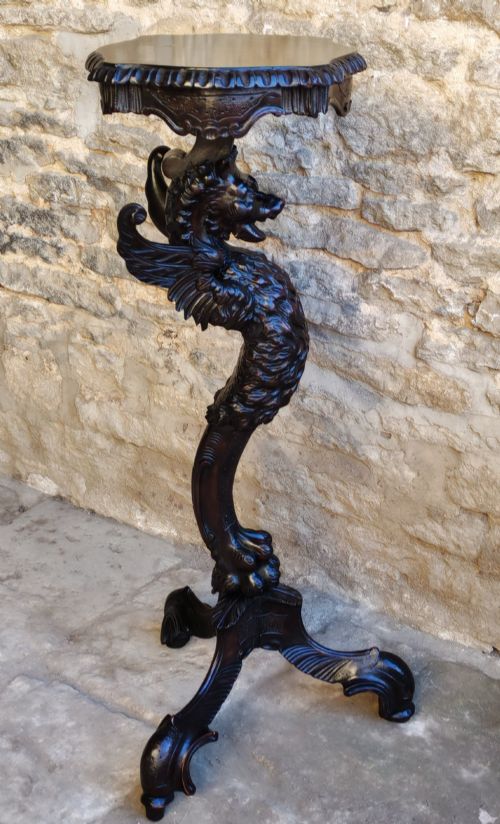
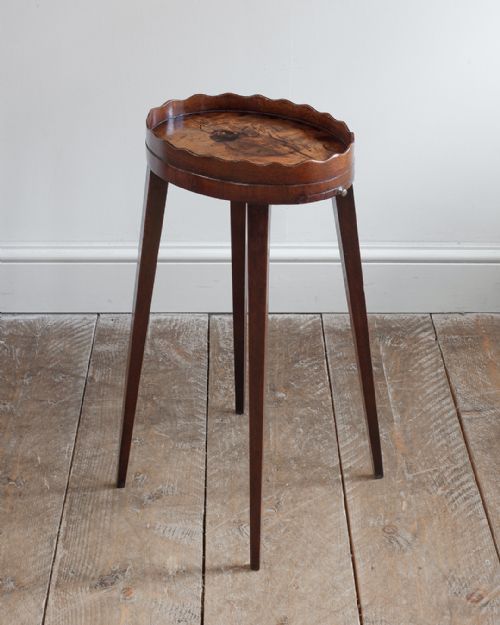
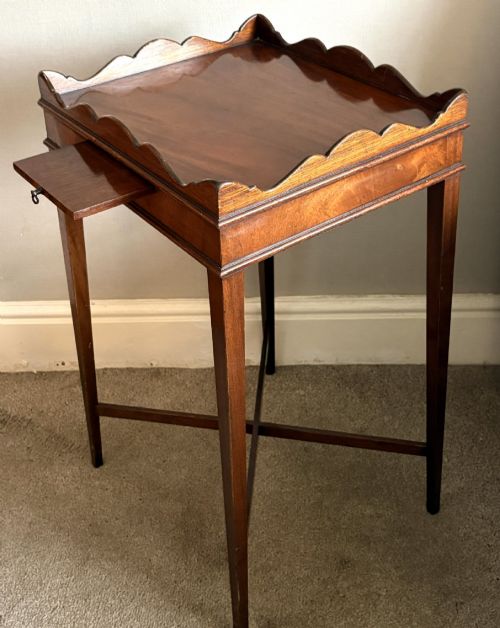
- A small, tall table specifically designed to support a beverage or cutlery urn during the 18th and 19th centuries. These tables often feature pull-out slides for serving glasses.
- Knife box
- A sloped-lid container placed on dining sideboards to store flatware upright. Georgian examples frequently adopt an urn or serpentine shape.
- Stringing
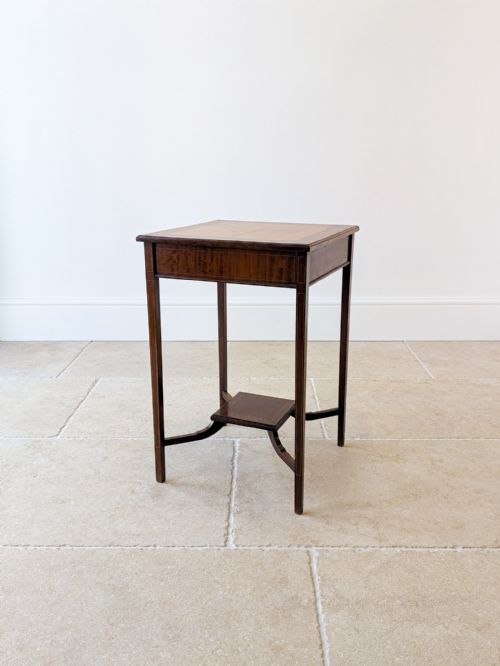
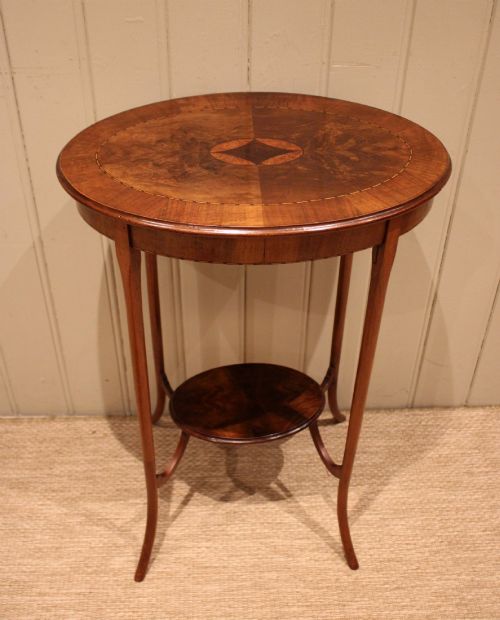
- Thin lines of contrasting wood inlay used to outline panels, drawers, or table tops. It provides subtle geometric definition to plain mahogany surfaces.
- Neoclassical
- A revival style drawing inspiration from classical antiquity, characterised by symmetry, straight lines, and classical motifs like urns and swags.
Brown Mahogany Urns: Frequently Asked Questions
What were brown mahogany urns used for?
These vessels served primarily as formal dining room containers for storing cutlery or dry knife blades. Wealthy households displayed them on sideboards or dedicated stands to exhibit fine craftsmanship.
Over time, their function shifted toward decorative display, becoming prized ornamental objects in drawing rooms and hallways.
How do I date a mahogany urn?
Dating relies on examining construction methods, timber choice, and decorative styles. Georgian pieces often display hand-cut dovetails and subtle satinwood stringing, whereas Edwardian reproductions utilise machine-sawn elements and distinct internal framing.
Hardware styles and secondary woods also offer clues to the exact period of manufacture.
Where should I place an urn stand at home?
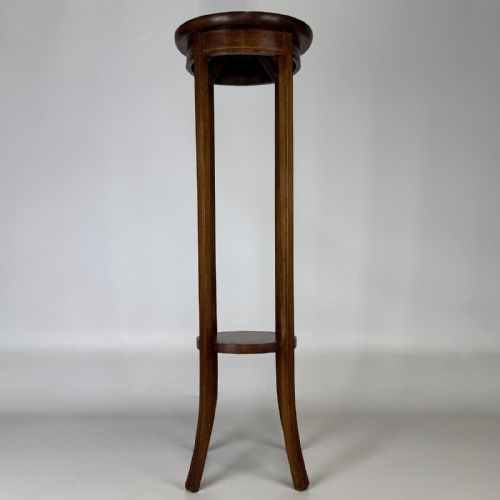
An urn stand fits well in reception rooms, hallways, or corners where its slender proportions can be appreciated without obstructing movement. Pairing it with a complementary decorative object enhances its visual presence.
Avoid placing these items in areas subject to direct sunlight or rapid temperature fluctuations to protect the timber and polish.
How do I care for antique mahogany?
Maintain the finish by dusting regularly with a soft, dry cloth and avoiding silicone-based polishes or harsh chemical sprays. Applying a traditional beeswax occasionally helps nourish the aged timber.
Keep the piece away from direct heat sources and radiators to prevent the wood from drying out or splitting.