



Brown Mahogany Unit
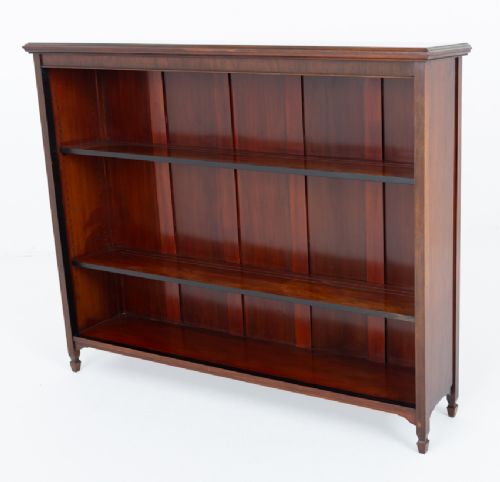
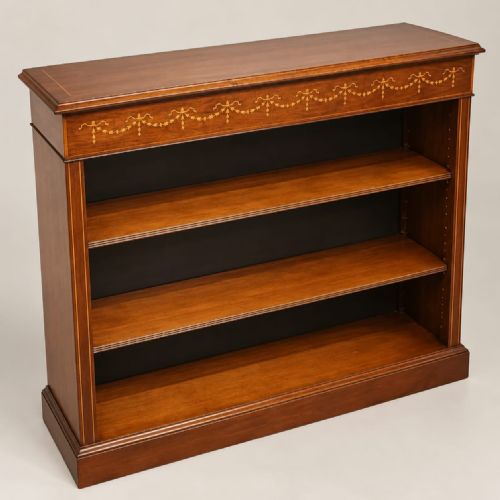
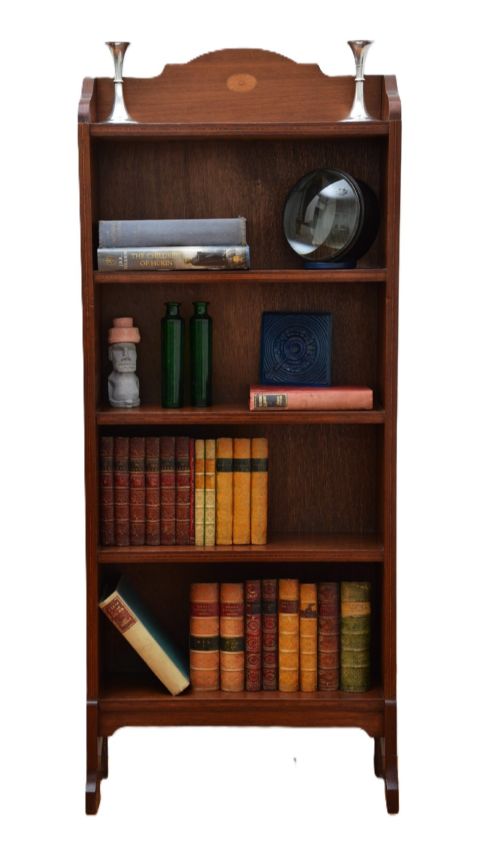
A brown mahogany unit brings rich timber grain and classic utility into a room, spanning bookcases, chests of drawers and corner cabinets.
Brown Mahogany Unit
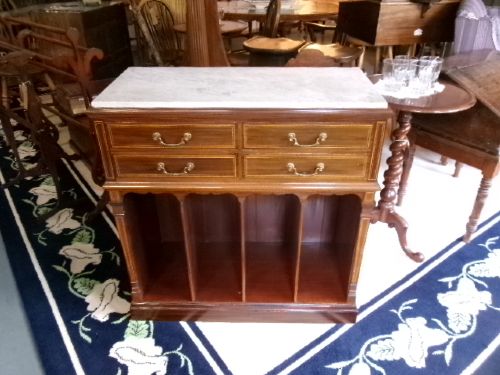
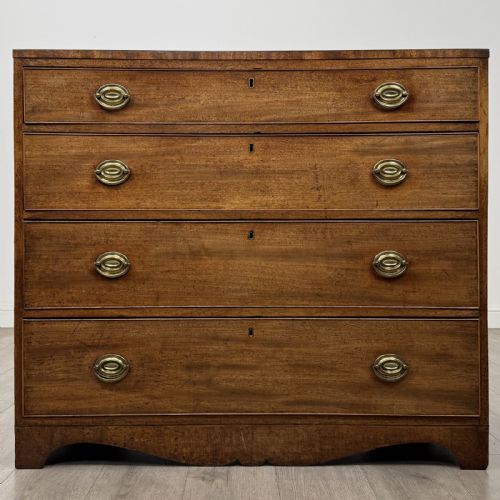
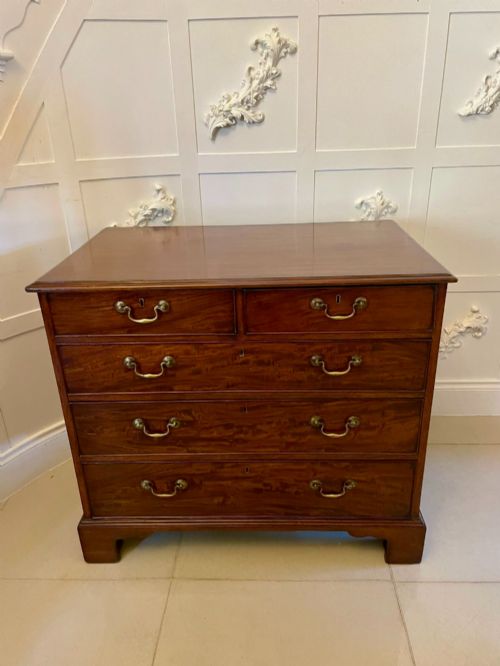
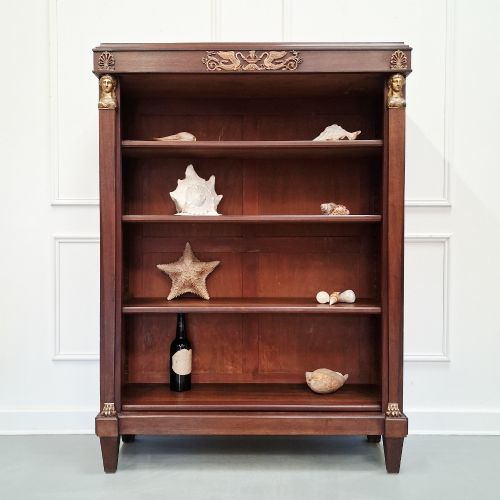
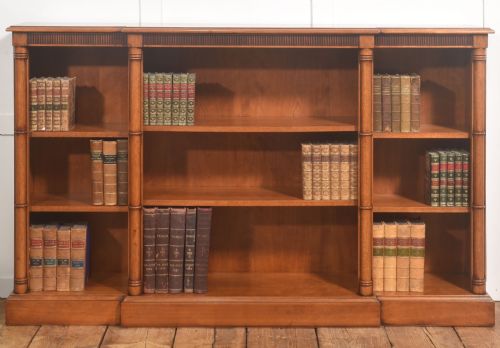
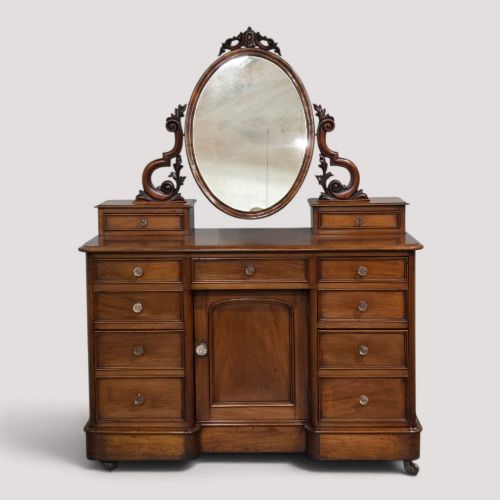
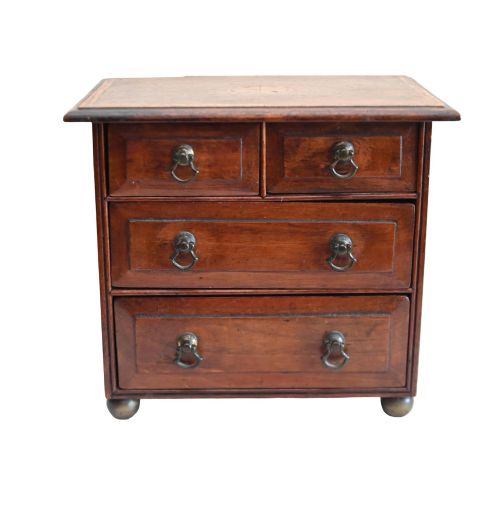
When searching for a brown mahogany unit, buyers encounter a diverse selection of furniture spanning the 18th century through to the Edwardian period and the early 20th century. The pieces recorded here range from Georgian chests of drawers and George III bookcases to Victorian dressing tables and Edwardian corner display cabinets.
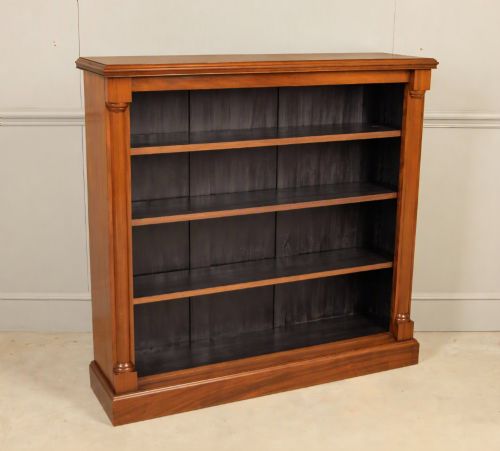
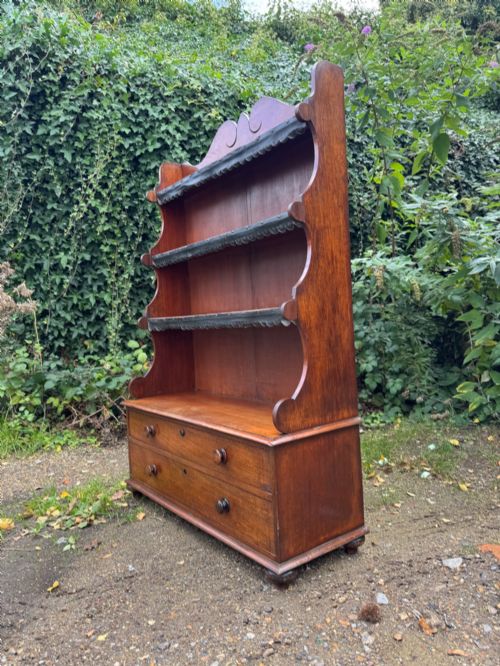
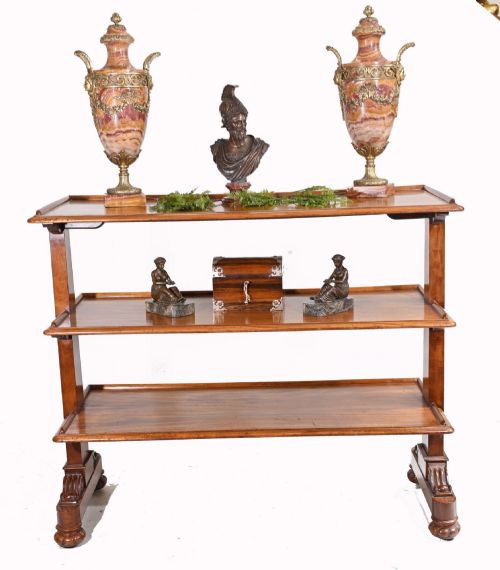
Bookcases and corner cupboards form a large portion of the available items, alongside chests of drawers, whatnots, and dressing tables. These functional items reflect historical periods such as the Regency era, the Victorian age, and Edwardian times, utilising traditional forms designed for storage and display.
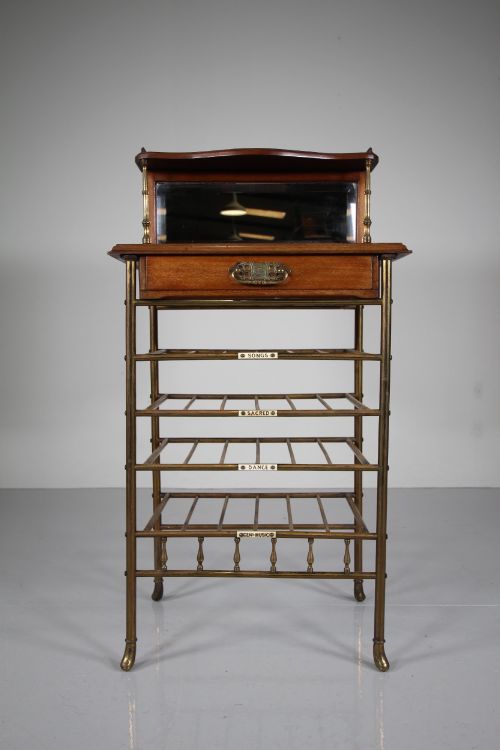
The objects appearing under this search also include miniature or apprentice furniture, hanging shelves, and revolving bookcases. Each brown mahogany unit carries the distinct craftsmanship of its respective decade, showing styles from plain Georgian utility to elaborate French Empire Revival and Victorian carving.
How they were made
Cabinet makers relied primarily on solid mahogany and mahogany veneers, occasionally incorporating flame mahogany veneer to achieve striking figured grain patterns on drawer fronts and cabinet doors. Supplementary timbers such as oak and satinwood appear in secondary framing and decorative inlays.
Hardware details such as brass fittings and brass castors accompany glazed doors with astragal bars and intricate carved ornamentation. Construction methods followed traditional joinery principles suited to large bookcases, corner cabinets, and multi-drawer chests.
Brown Mahogany Unit Retail Price Guide 2026
Typical asking prices for brown mahogany unit among the pieces listed under this phrase on Sellingantiques today, from the lower quarter to the upper quarter. They describe what is for sale here now, not the wider market.
An unusual watch and clock repairer's chest from eighteen-sixty sits quietly among the grand bookcases and corner cupboards.
What varies in quality
The grade of timber selection largely dictates the visual impact of a brown mahogany unit, with plum pudding figure and flame veneer marking out superior examples from plain stock. Subtle additions like satinwood inlay and refined brass hardware elevate the standard of manufacture.
Proportion and structural integrity distinguish exceptional cabinet work from standard utility pieces, visible in the harmony of waterfall shelving, breakfront facades, and finely fitted doors.
The Brown Mahogany Unit Glossary
- Mahogany
- A durable tropical hardwood prized for its reddish-brown colour and stable working properties. It serves as the primary structural and visual medium for the majority of these cabinets and chests.
- Flame mahogany veneer
- A thin slice of wood cut from the fork of the tree where branches meet the trunk, creating a flamy, flickering pattern. Cabinet makers applied this to prominent surfaces like drawer fronts to catch the light.
- Astragal glazed
- A method of dividing a glass door pane into smaller segments using thin wooden mouldings called astragals. This technique is frequently seen on bookcase and corner cabinet doors.
- Whatnot
- A set of open shelves standing on upright supports, designed for displaying ornaments, books or writing materials. Examples range from simple tiered stands to elaborate Victorian pieces with barley twist columns.
- Bow front
- A convex, curved cabinet or chest front that swells outward in the centre. This curved profile requires specialised joinery and adds elegance to corner cupboards and drawer units.
Brown Mahogany Unit: Frequently Asked Questions
What periods do these brown mahogany units come from?
The listings span multiple centuries, beginning with 18th-century and Georgian items through to Regency, Victorian, Edwardian, and early 20th-century examples. Makers during each era adapted traditional forms to suit changing domestic tastes.
Pieces from the Georgian and George III periods sit alongside later Victorian and Edwardian productions, offering a clear timeline of stylistic evolution in British cabinet making.
How were corner cupboards used historically?
Corner cupboards and corner cabinets were designed to utilise awkward or empty room angles efficiently, providing secure storage for crockery, glassware, or books. Floor-standing and hanging versions both served this dual purpose.
In domestic interiors, these units kept prized possessions protected behind glazed or panelled doors while drawing attention to previously neglected corners of the room.
How should I care for a mahogany chest of drawers?
Mahogany furniture benefits from stable indoor humidity away from direct heat sources and strong sunlight, which can fade the rich brown timber tones over time. Regular dusting with a soft, dry cloth preserves the polished surface.
Avoid silicone-based sprays, opting instead for traditional beeswax applied sparingly to nourish the grain and maintain the natural lustre of the polished wood.