

Brown Mahogany Side Cupboard
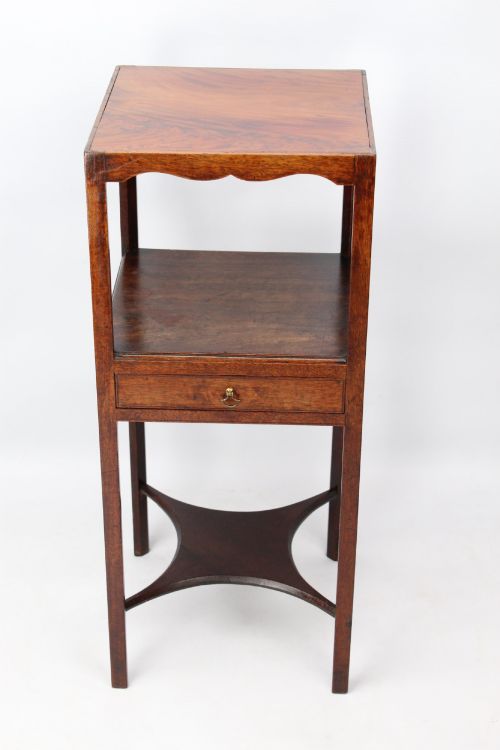
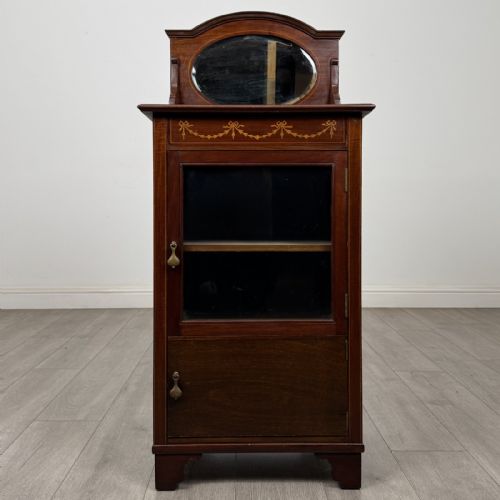
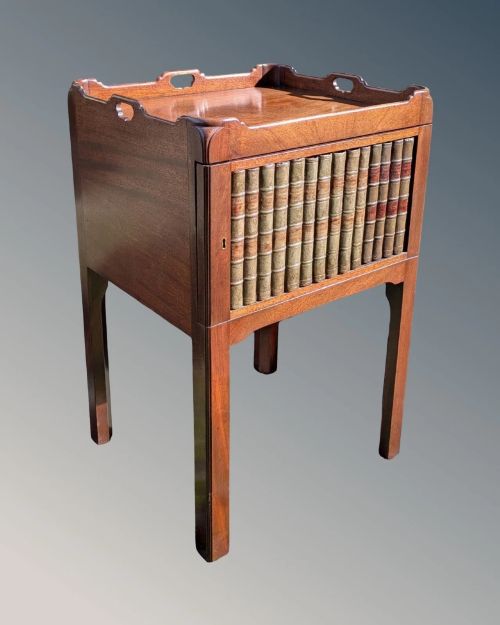
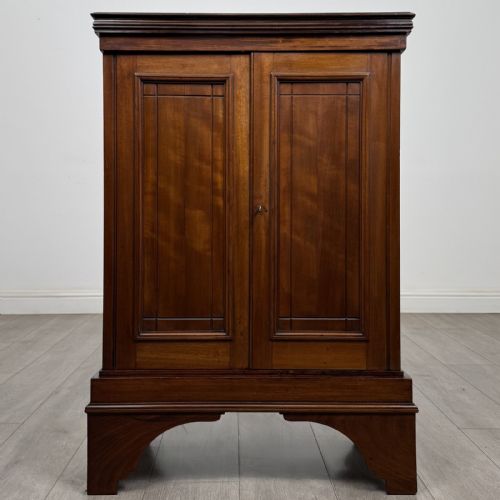
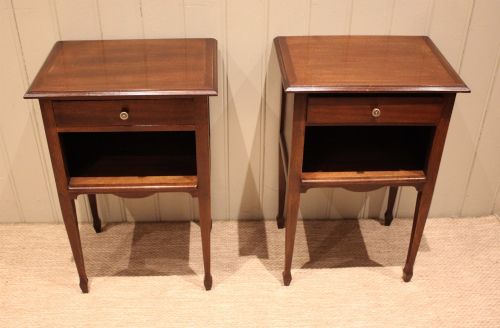
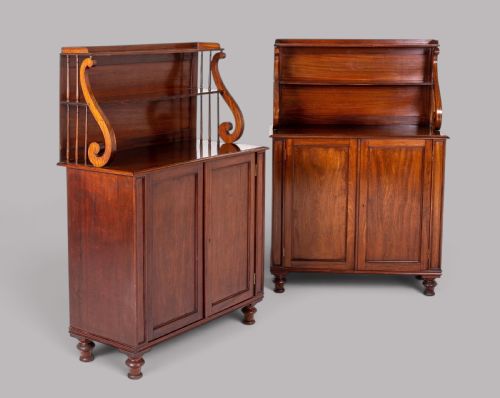
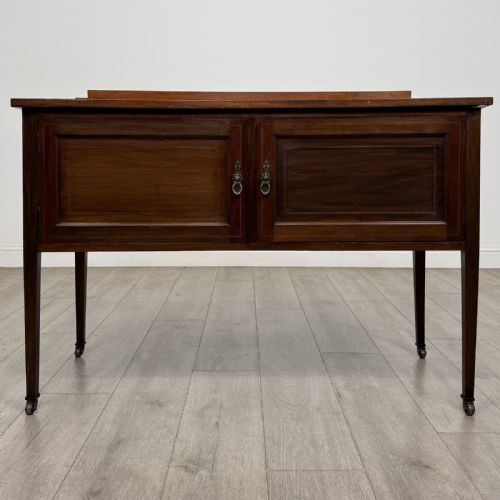
These brown mahogany side cupboard examples span Georgian, Victorian, and Edwardian periods, offering practical storage through timber cabinets, commodes, and bedside tables.
Brown Mahogany Side Cupboard
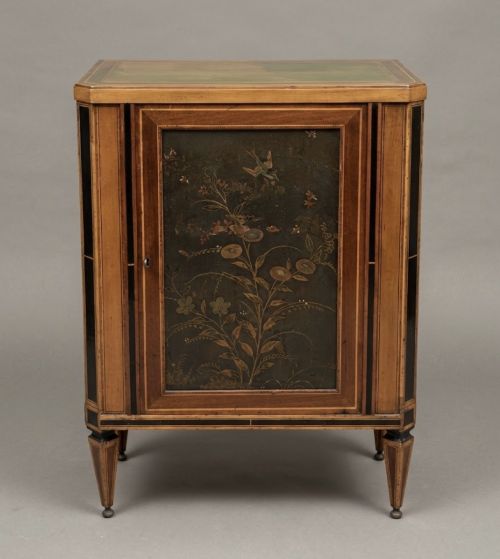
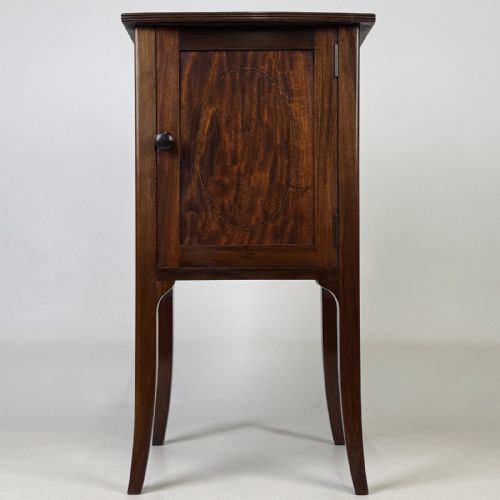
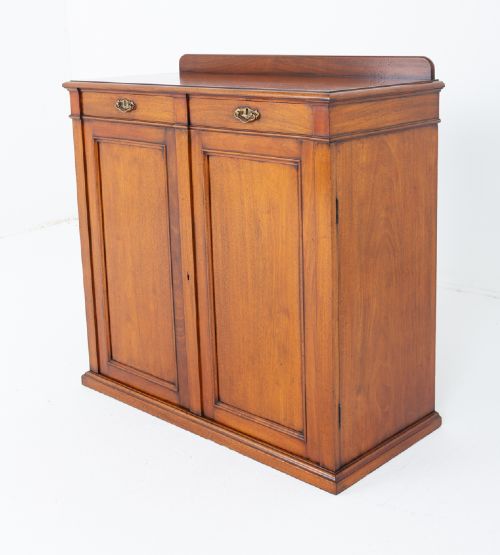
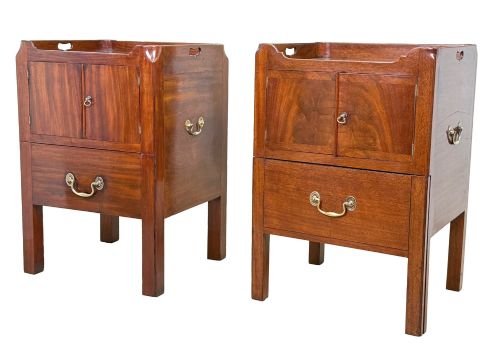
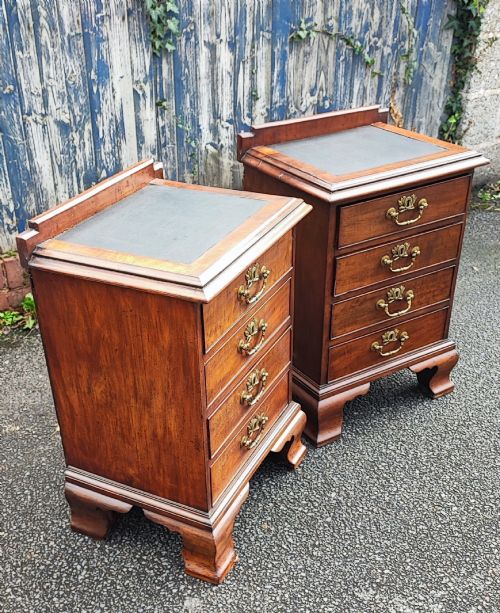
A brown mahogany side cupboard serves as a compact storage unit designed for domestic rooms, most commonly appearing in formats such as bedside cabinets, night stands, and small side cupboards. Buyers searching for a brown mahogany side cupboard encounter varied regional interpretations, including English George III pieces, French marble-top versions, and Dutch floral marquetry designs.
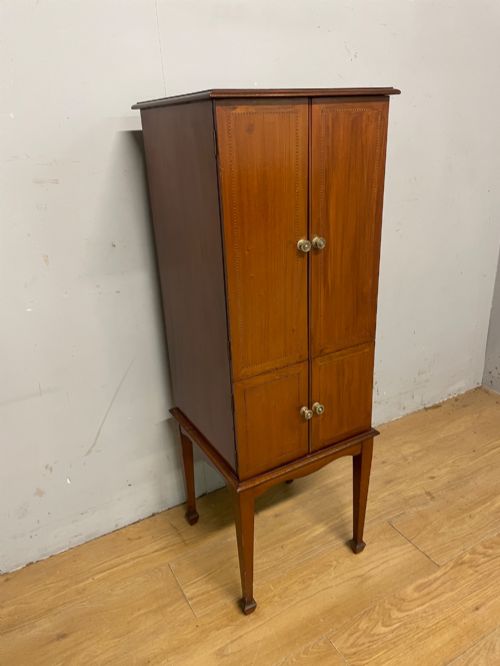
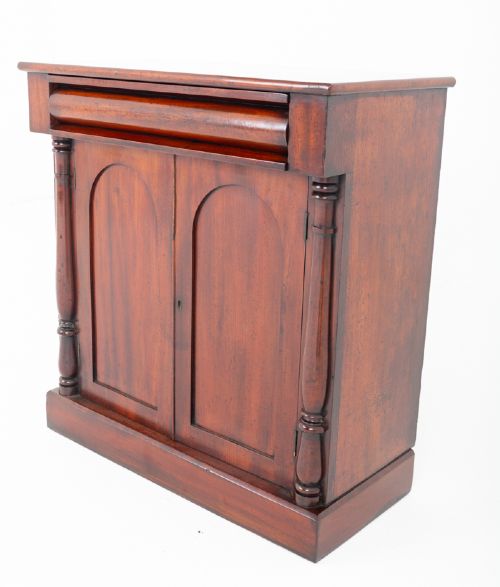
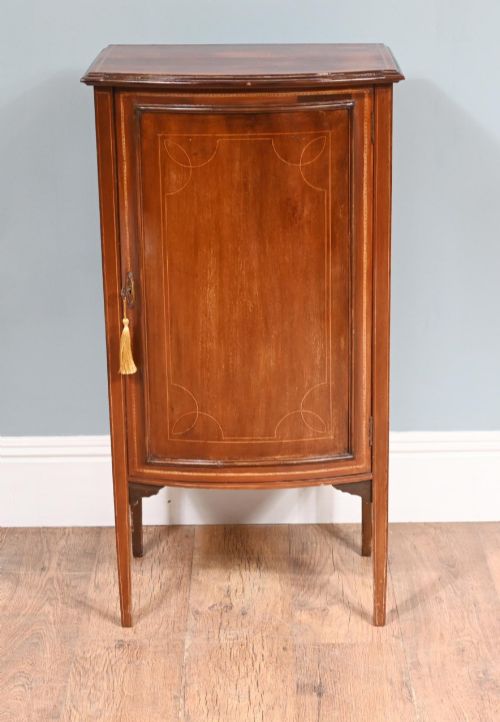
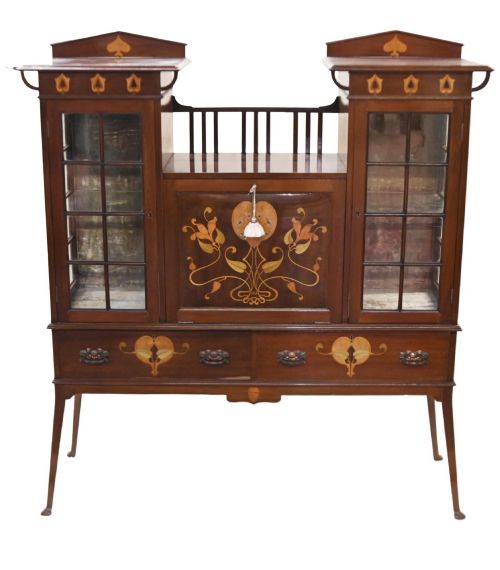
The selection ranges from early nineteenth-century Regency chiffoniers to Edwardian bow-front cupboards and display cabinets. Bedside tables and pedestals dominate the smaller domestic forms, whilst broader side cabinets provide shelving and enclosed door storage for living spaces.
How they were made
Cabinet makers utilised solid mahogany and flame mahogany veneers over secondary timbers, often embellishing surfaces with boxwood and satinwood stringing or intricate wood inlay. Structural elements integrate brass handles, hinges, and occasional glass panels for display doors.
Techniques span traditional joinery, such as dovetailed drawer construction, alongside decorative marquetry and periodic revival styles referencing Georgian or Art Nouveau aesthetics.
Brown Mahogany Side Cupboard Retail Price Guide 2026
Typical asking prices for brown mahogany side cupboard among the pieces listed under this phrase on Sellingantiques today, from the lower quarter to the upper quarter. They describe what is for sale here now, not the wider market.
Several diminutive bedside chests whisper secret tales of midnight candle snuffs and forgotten Victorian novels.
What varies in quality
The degree of refinement in timber selection dictates much of the distinction, where rich flame mahogany veneers and carefully matched wood inlay elevate certain side cupboards above plain solid timber builds. Finer examples display meticulous attention to proportion, particularly in serpentine or bow-front carcases.
Hardware choice and secondary detailing, such as finely cast brass mounts or delicate stringing, separate standard utility pieces from high-status cabinet work produced by notable workshops.
Keeble London
The Brown Mahogany Side Cupboard Glossary
- Chiffonier
- A low sideboard or cabinet featuring enclosed shelving beneath, popular during the Regency and Victorian periods. It typically includes panelled doors and occasional drawer storage.
- Marquetry
- Decorative veneer work arranged in intricate patterns or pictorial designs using various coloured woods. This technique frequently appears on Dutch and late Victorian side cabinets.
- Commode
- A low cabinet or chest of drawers, often adapted for bedside use in eighteenth and nineteenth-century interiors. George III examples frequently incorporate enclosed cupboard spaces.
- Flame mahogany
- Timber cut from the fork of the mahogany tree to produce a distinctive flickering, flame-like grain pattern. Makers utilised this veneer on prominent drawer fronts and cabinet doors.
- Stringing
- Thin inlay lines of contrasting timber, such as boxwood or satinwood, set flush into the mahogany surface. It defines the borders of panels and drawers on Georgian and Edwardian pieces.
Brown Mahogany Side Cupboard: Frequently Asked Questions
What is a brown mahogany side cupboard used for?
These cabinets serve as versatile storage units suited for bedrooms, hallways, or living rooms. They hold bedside essentials, books, or tableware depending on their specific form.
Smaller bedside cupboards and night stands provide discreet enclosed storage next to a bed. Larger side cabinets and chiffoniers function as display or serving surfaces in principal rooms.
How do I date a brown mahogany side cupboard?
Dating relies on observing structural characteristics, timber types, and stylistic cues inherent to the piece. Georgian items display distinct proportions and traditional joinery methods.
Later Victorian and Edwardian examples often incorporate revival styles, machine-sawn elements, or specific hardware fittings. Comparing the secondary timbers and veneer application helps confirm the period of manufacture.
Are these cupboards made of solid mahogany?
Many pieces combine solid mahogany carcases with decorative flame mahogany veneers applied to primary surfaces. Secondary timbers appear on drawer linings and internal framing.
Cabinet makers utilised veneers to achieve striking visual grain patterns whilst maintaining structural stability across large door panels and top surfaces.
How do I care for a mahogany cabinet?
Protect the polished wood surface by placing the cabinet away from direct sunlight and sudden temperature fluctuations. Regular dusting with a soft cloth maintains the finish without needing heavy polishes.
Avoid placing damp items directly onto the timber to prevent water rings on the polish. Maintaining stable indoor humidity preserves both the solid mahogany and delicate veneer work.