
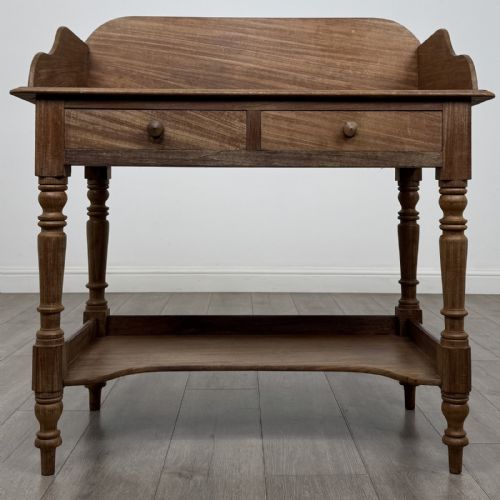
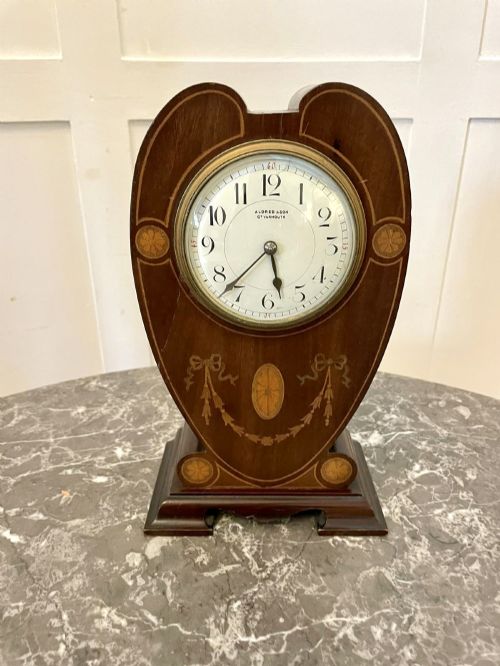
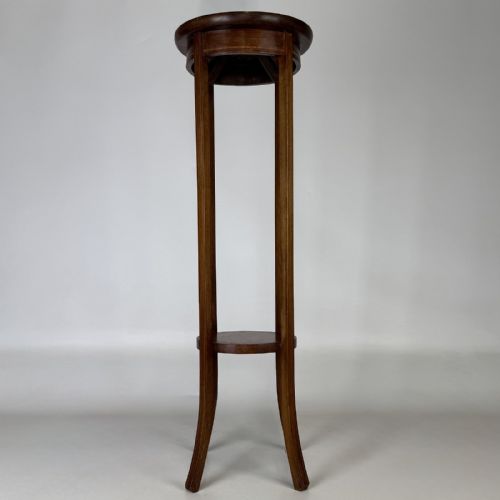
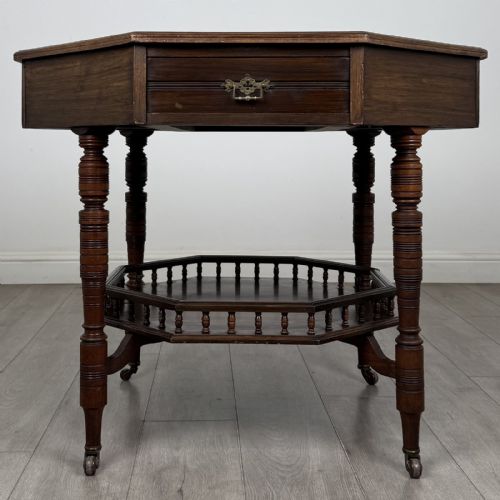
Brown Mahogany Shelves
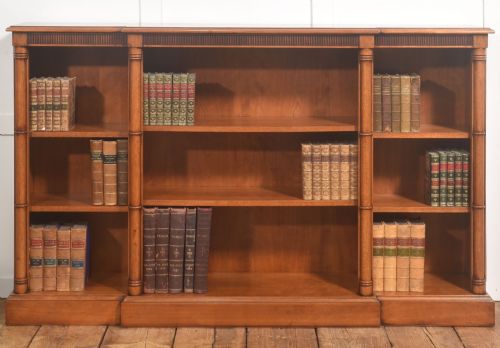
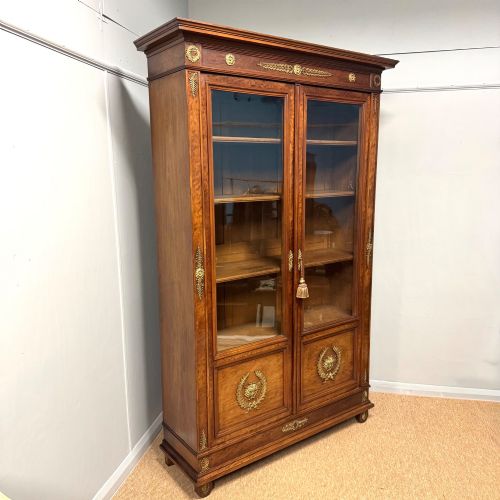
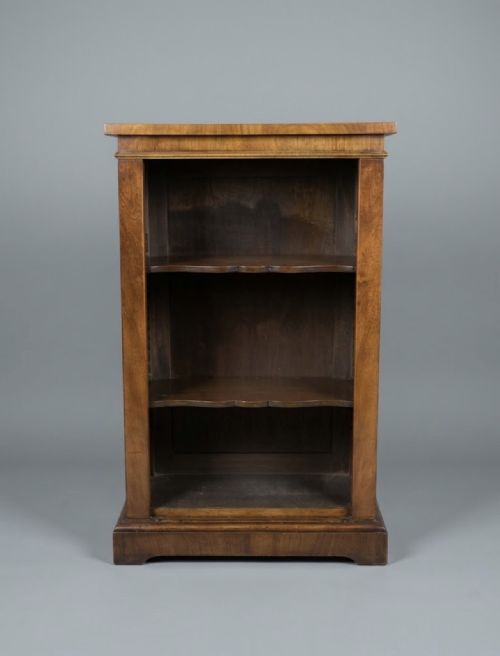
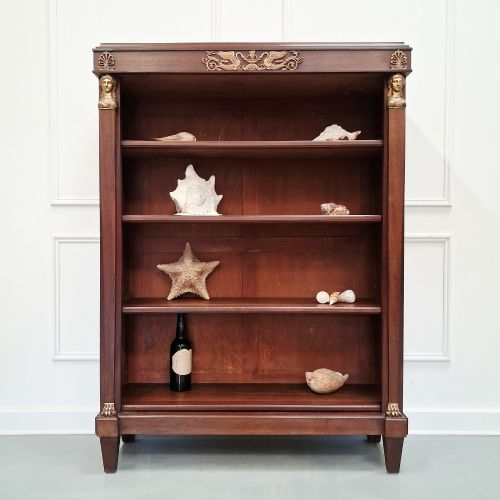
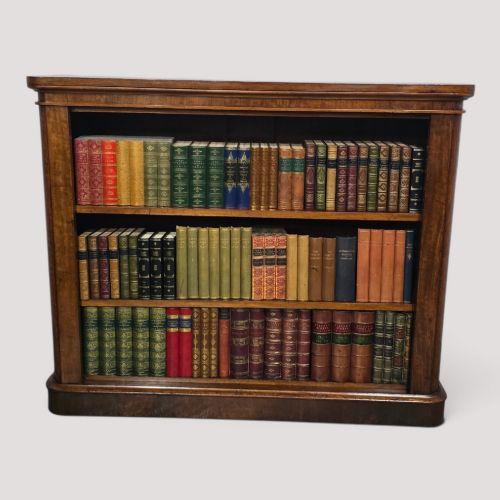
Brown mahogany shelves offer rich timber tones and functional display space, spanning periods from the Georgian era through to the Edwardian years.
Brown Mahogany Shelves
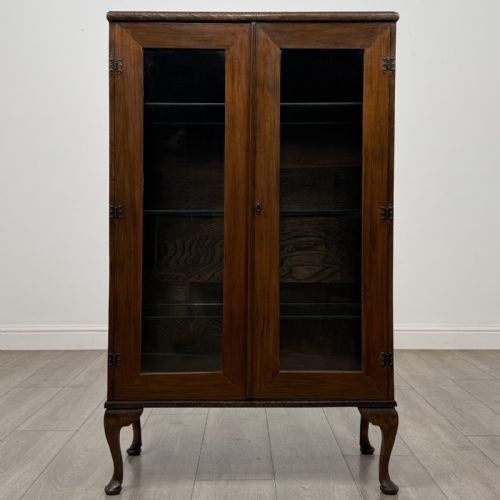
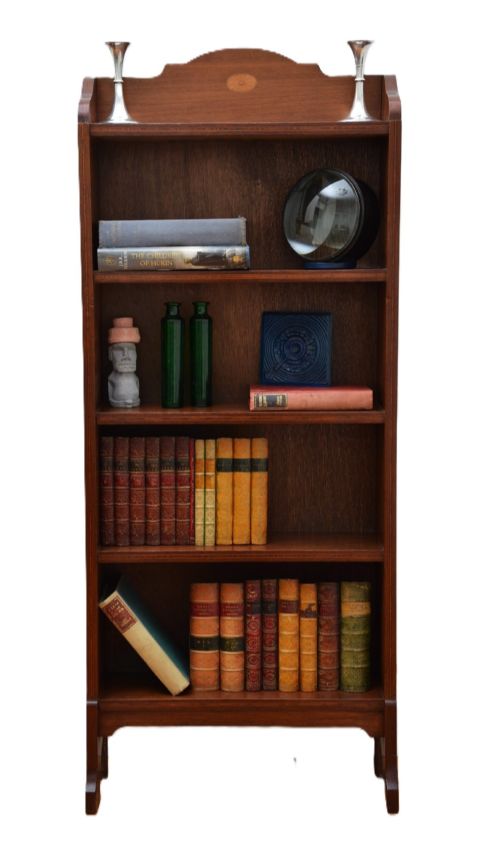
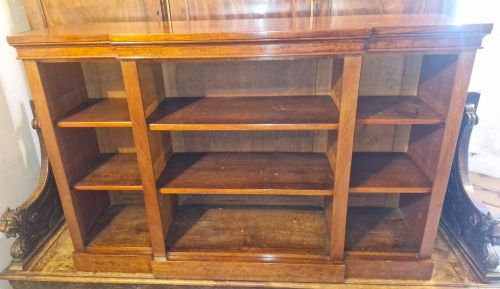
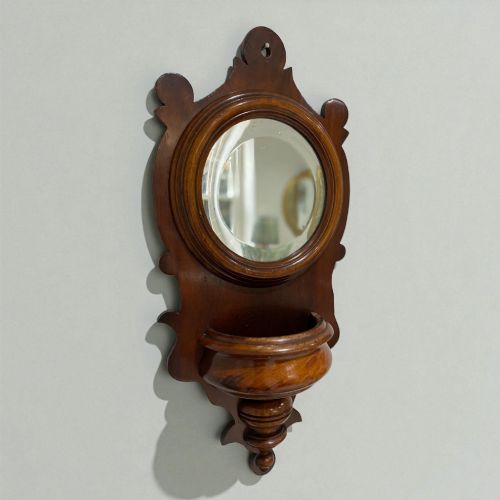
Brown mahogany shelves encompass a variety of practical storage and display furniture designed to hold books, ornaments and domestic objects. When searching for brown mahogany shelves, buyers encounter several distinct formats ranging from wall hanging brackets to revolving bookcases and tiered whatnots. The selection spans numerous decades of cabinetmaking, showing how domestic display furniture evolved across the nineteenth and early twentieth centuries.
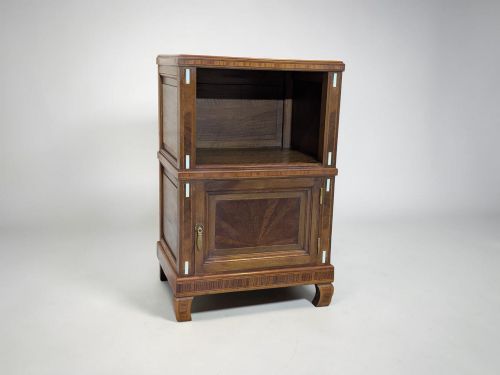
The pieces appearing on this page originate predominantly from the Victorian, Edwardian and Regency periods, alongside Georgian examples and later revivals. Wall hanging shelves and open bookcases provide the most common sightings, often featuring adjustable shelving or multiple tiers. Smaller occasional tables and side cabinets also appear, reflecting the diverse ways makers utilised mahogany for domestic storage.
How they were made
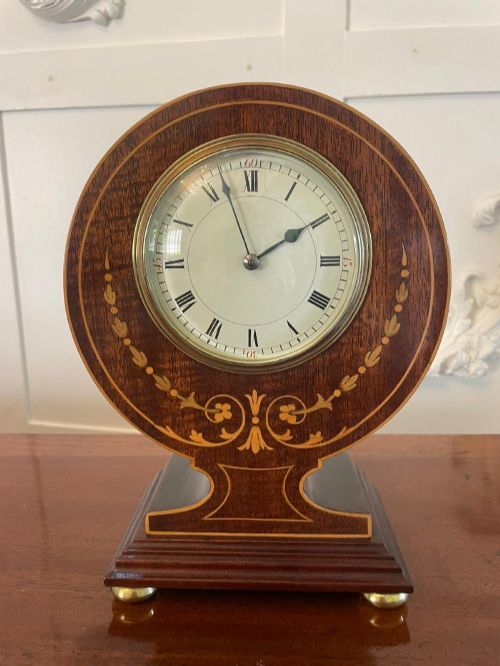
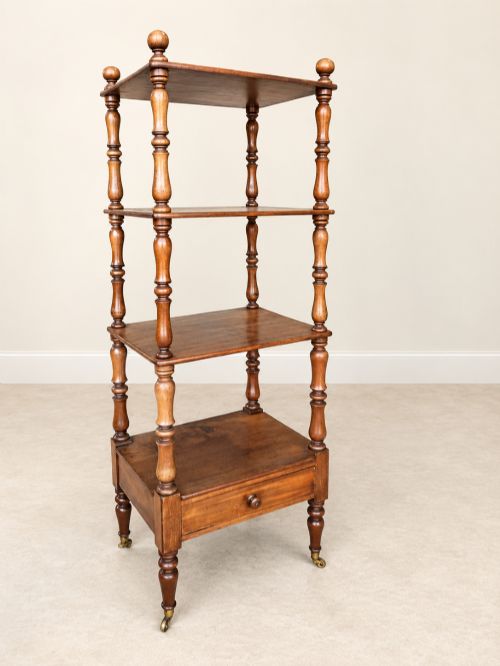
Cabinetmakers utilised solid mahogany and flame mahogany veneer over secondary timbers to construct these shelves and bookcases, often applying boxwood and satinwood inlay for decorative contrast. Structural joints relied on traditional methods, while hanging variants incorporated brass fixings and larger floor-standing pieces sometimes sat upon brass castors.
Surface finishing involved careful polishing to bring out the natural grain and deep brown colour of the mahogany timber. Details such as barley twist columns, ormolu mounts and carved mouldings required specialist joinery skills suited to each specific period style.
Listings feature mahogany open bookcases, wall hanging shelves and revolving units spanning the Georgian, Regency, Victorian and Edwardian eras.
What varies in quality
Quality in these pieces rests upon the selection of timber figures, such as the richness of flame mahogany veneer, and the precision of the cabinetmaker's joinery. Superior examples display thoughtful proportions, balanced wood inlay and well-executed decorative carvings rather than mass-produced uniformity.
The integration of functional elements, including smooth-running drawers, stable revolving mechanisms and adjustable shelf supports, distinguishes finer workshops from standard production. Original hardware, intact brass fittings and sound structural integrity elevate the standing of any piece.
Trevor Page & Co·James Mein of Kelso·Tudor & Burrey
The Brown Mahogany Shelves Glossary
- Mahogany
- A durable tropical hardwood known for its reddish-brown colour and stability, heavily utilised in British cabinetmaking. It accepts fine polishing and carving exceptionally well.
- Whatnot
- An open set of tiered shelves designed for displaying ornaments, books or small objects. These pieces typically feature three or four levels supported by slender vertical columns.
- Waterfall bookcase
- A set of open shelves where each tier steps back progressively from the one below it, creating a profile resembling a cascade of water. This style gained popularity during the Regency and Victorian periods.
- Revolving bookcase
- A freestanding bookcase mounted on a low rotating base, allowing users to access books from all sides without moving the unit. They appear frequently in late Victorian and Edwardian interiors.
- Veneer
- A thin slice of decorative timber, such as flame mahogany, applied over a structurally sound secondary wood to create a figured surface pattern. This technique allowed craftsmen to showcase dramatic grain figures efficiently.
Brown Mahogany Shelves: Frequently Asked Questions
What rooms suit hanging mahogany shelves?
Hanging shelves suit studies, living rooms and bedrooms where floor space is limited but surface display area is desired. Their compact nature allows them to sit securely above desks, sideboards or seating areas.
Heavier Victorian and Regency hanging shelves require secure wall fixings into solid masonry or proper studwork to support the weight of the timber and heavy books.
How do I care for mahogany surfaces?
Maintenance involves dusting regularly with a soft, dry cloth and avoiding placement near direct heat sources or strong sunlight that can dry out the timber. Applying appropriate wax polish occasionally helps nourish the wood and maintain its sheen.
Excessive moisture and chemical cleaners should be kept away from the polished surface to protect the original finish and any delicate wood inlay.
Are revolving bookcases stable?
Revolving bookcases are designed with weighted cruciform bases that counterbalance the weight of books stored on the upper rotating tiers. When placed on level flooring, they turn smoothly without tipping during normal use.
Heavier reference books sit best on the lower tiers to maintain a low centre of gravity for the revolving mechanism.
How do I distinguish Regency from Edwardian pieces?
Regency pieces often exhibit classical restraint, bold mahogany grains, brass lion paw feet and architectural lines inspired by antiquity. They reflect the early nineteenth-century taste for clean, monumental forms.
Edwardian pieces tend to be lighter in construction, frequently incorporating delicate satinwood stringing, boxwood inlay and Edwardian revival interpretations of earlier Georgian aesthetics.