

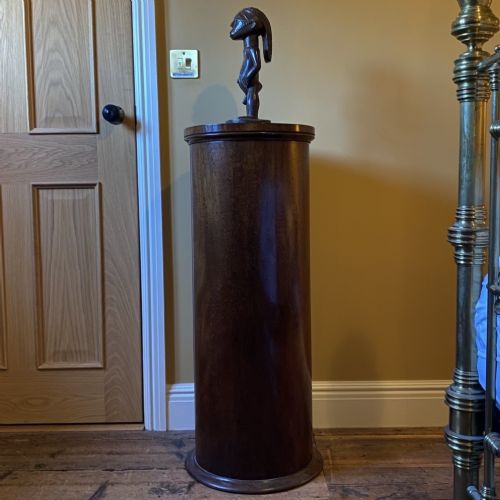
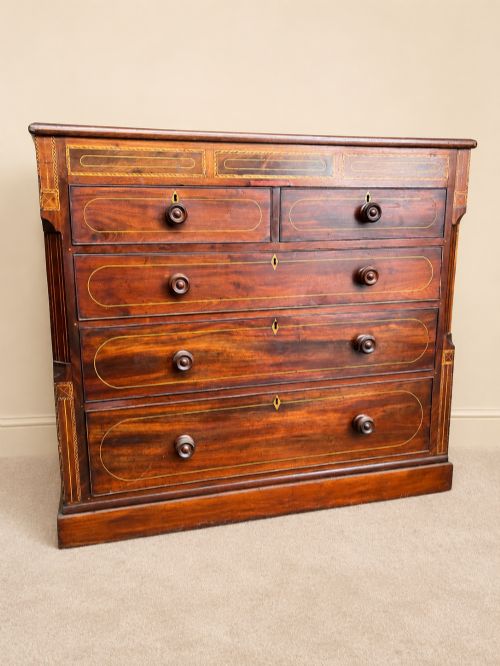
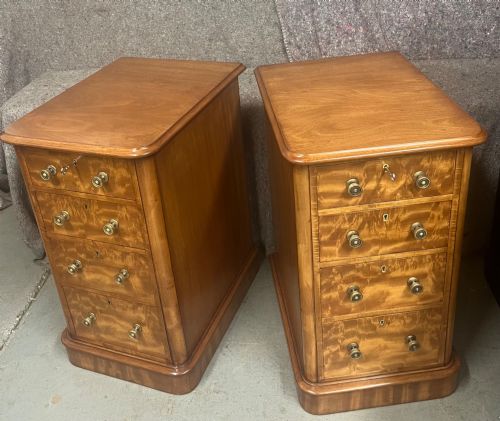
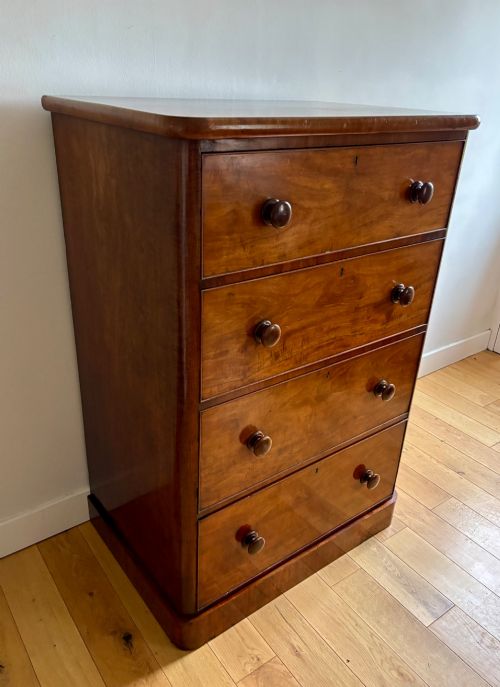

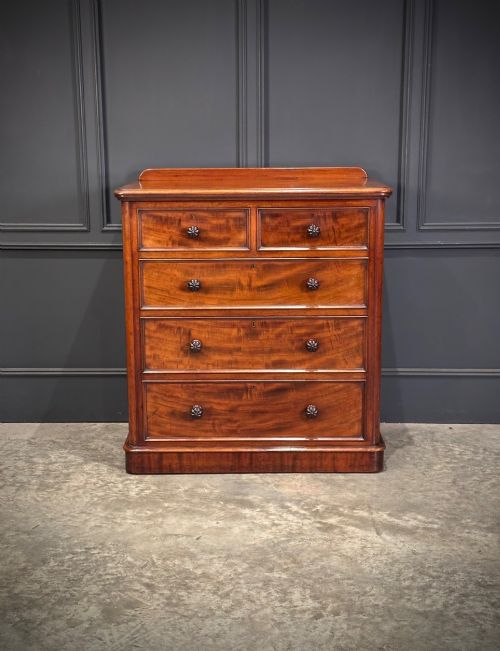
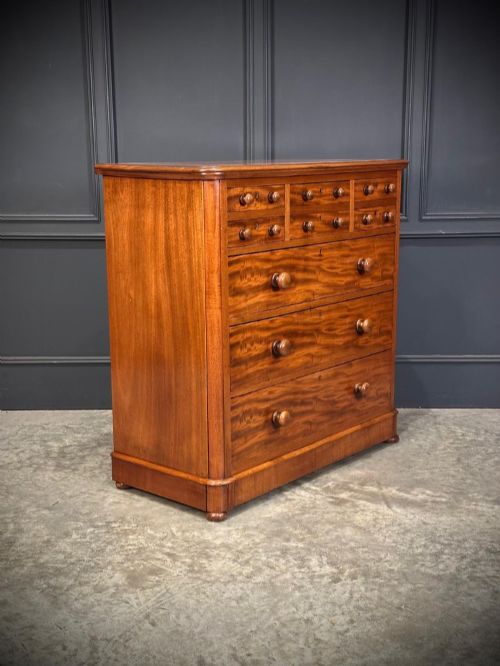
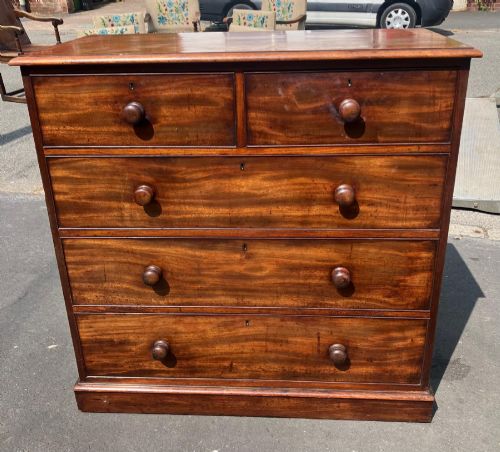
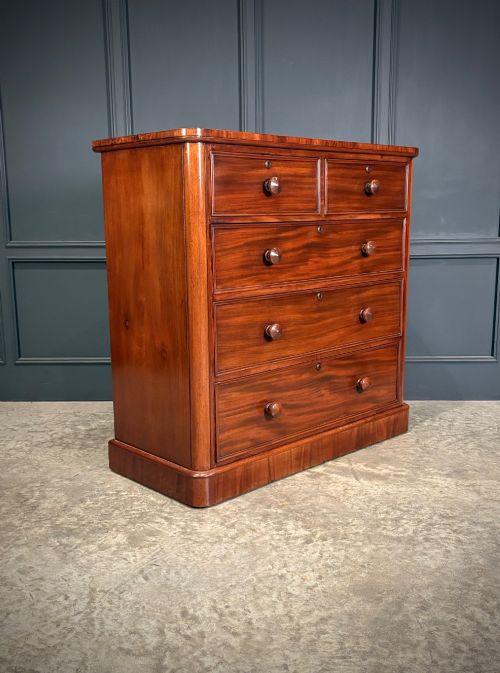
Brown Mahogany Plinths
Brown mahogany plinths are sturdy timber supports designed to elevate display items, drawing principally on Victorian and 19th-century cabinet-making traditions.
Brown Mahogany Plinths
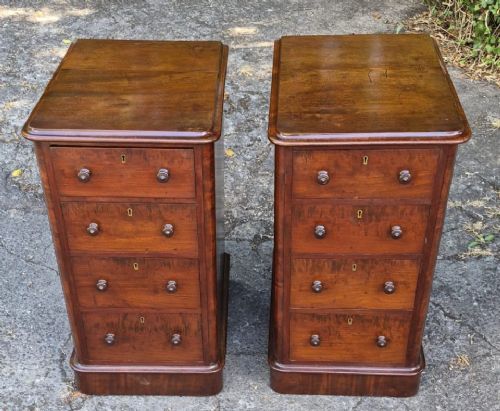
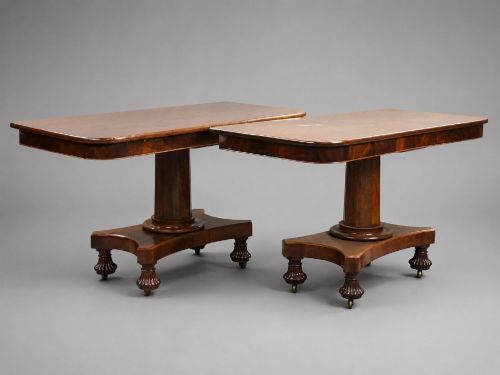
Brown mahogany plinths encompass structural columns, pedestals, and display supports fashioned from dense hardwoods during the nineteenth century and associated periods. When collectors search for brown mahogany plinths, they encounter various pedestal forms, including hexagonal cabinets, column display stands, and sculpture supports.
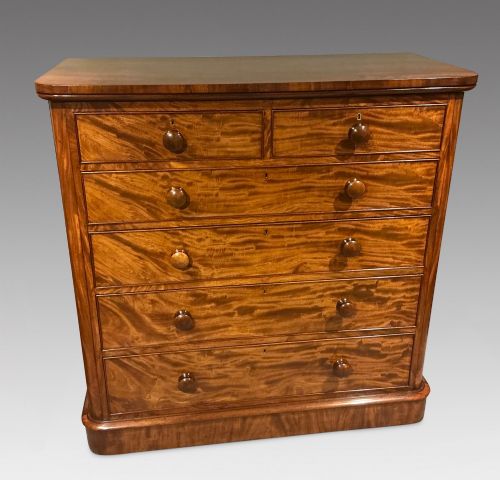
The selections span Georgian, William IV, Regency, Victorian, and Edwardian eras, reflecting changing domestic display fashions over a century. While the inventory includes chests of drawers, desks, and console tables, the dedicated plinths and columns share the same dense timber construction and vertical orientation.
Materials and construction
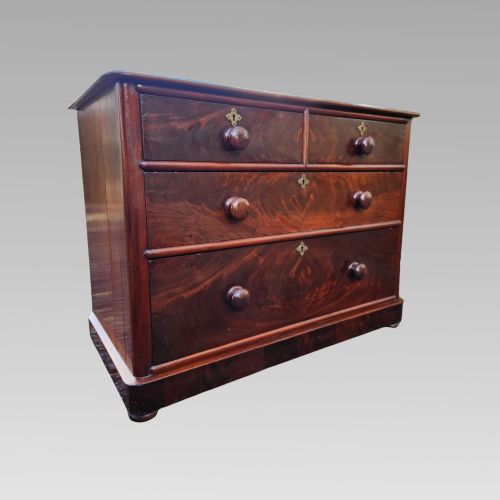
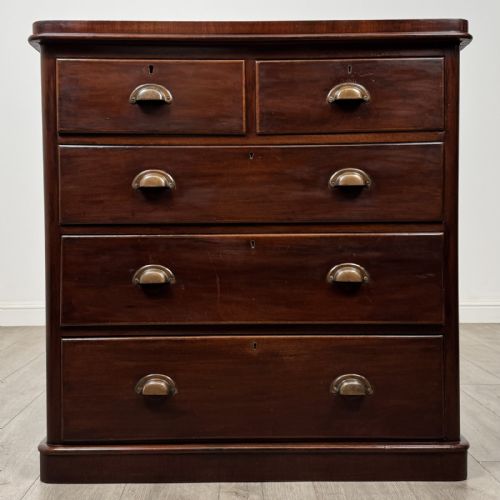
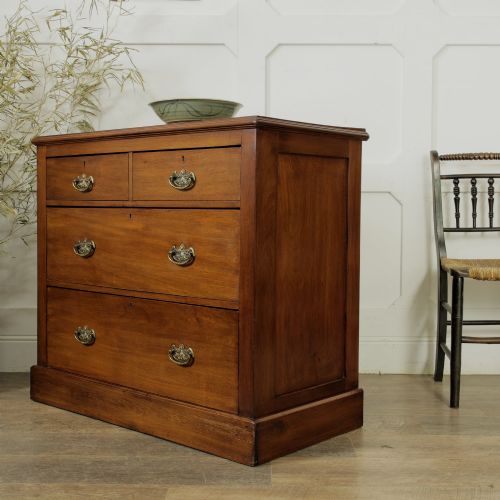
Cabinet makers utilised solid mahogany alongside flame mahogany veneer to construct these pieces, occasionally incorporating pine as a secondary timber. Surfaces frequently show the rich grain patterns inherent to these woods, shaped into columns, pedestals, and cabinets.
Construction techniques from the period relied on solid joinery to support heavy items placed atop the stands. Selected items integrate brass hardware or glass elements, complementing the primary mahogany structure.
Brown Mahogany Plinths Retail Price Guide 2026
Typical asking prices for brown mahogany plinths among the pieces listed under this phrase on Sellingantiques today, from the lower quarter to the upper quarter. They describe what is for sale here now, not the wider market.
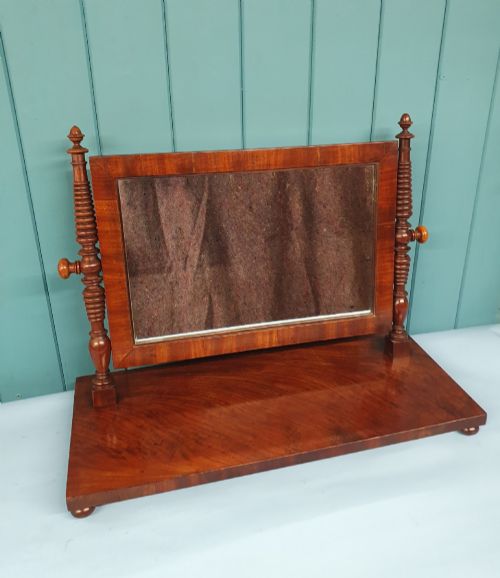
Materials recorded across the entries include solid mahogany, flame mahogany veneer, pine, brass, glass, and mirror glass.
Evaluating quality and proportion
Quality in these supports rests upon the choice of timber, particularly the deployment of figured flame mahogany veneer versus plain mahogany boards. Finer examples display balanced proportions, whether forming a simple column or a complex hexagonal pedestal cabinet.
The sophistication of the turning, the integrity of the joints, and the preservation of the original wood finish distinguish standard utilitarian stands from superior decorative pieces.
The Brown Mahogany Plinths Glossary
- Flame mahogany
- A veneer cut from the fork of the mahogany tree, producing a distinctive flickering, flame-like grain pattern. It was often selected for the principal display surfaces of finer furniture.
- Pedestal
- A structural support or base used to elevate a bust, sculpture, or display object. These pieces frequently take the form of columns or cabinets.
- William IV
- A British design period spanning the 1830s, characterised by robust proportions and classical revival influences. Pieces from this era often utilise dense mahogany.
- Wellington chest
- A tall, narrow chest of drawers secured by a hinged locking side-stile, occasionally grouped alongside pedestal and column forms in the listings.
- Console table
- A wall-mounted or freestanding table supported by legs or a plinth base. These items appear frequently in nineteenth-century room arrangements.
Brown Mahogany Plinths: Frequently Asked Questions
What were brown mahogany plinths used for?
These pieces served primarily to elevate decorative objects, sculptures, or urns within nineteenth-century interiors. They provided a stable, elevated platform that brought display items to eye level.
Certain variations, such as pedestal cabinets or hexagonal stands, combined this display function with enclosed storage space for books or smaller artefacts.
How do I date a mahogany pedestal?
Dating relies on observing stylistic markers, construction methods, and timber characteristics associated with specific eras like the Regency, William IV, or Victorian periods. Cabinet-making techniques shifted over the nineteenth century, moving from hand-sawn timbers to more standardised industrial milling.
Associated titles and listed dates provide a chronological framework, pointing toward the 1830s through to the early 1900s for these formats.
Where should I place a plinth at home?
Plinths suit corners, hallways, or living spaces where an upright display focal point is required. Their vertical orientation makes them practical for rooms with limited floor space.
Ensure the floor surface is level and avoid positioning timber pieces in direct sunlight or beside intense heat sources to protect the mahogany finish.