


Brown Landscape Art
Brown landscape art gathers pastoral scenes, coastal views and river settings rendered across centuries of painting and paper work.
Brown Landscape Art
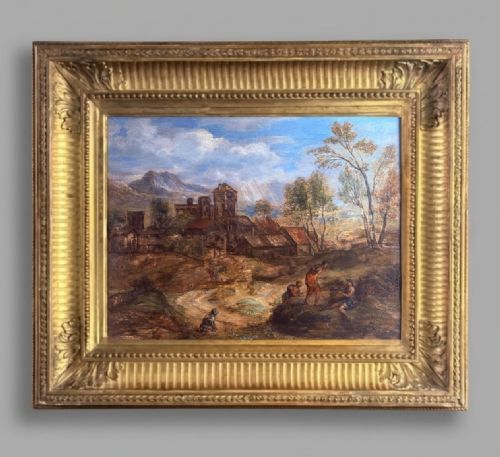
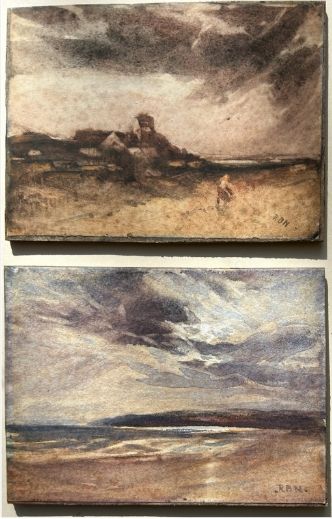
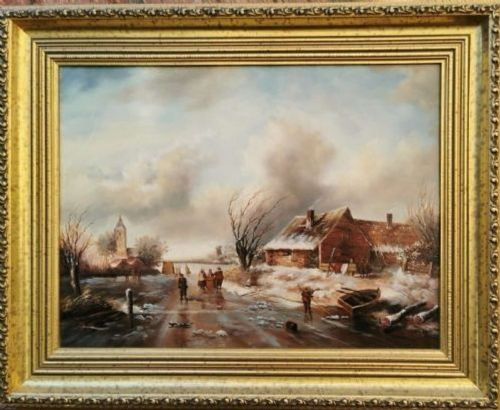
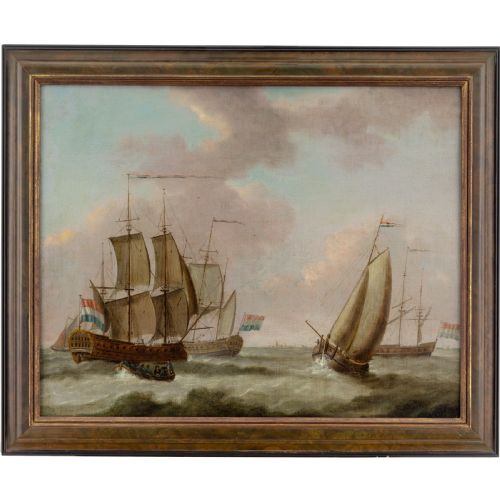
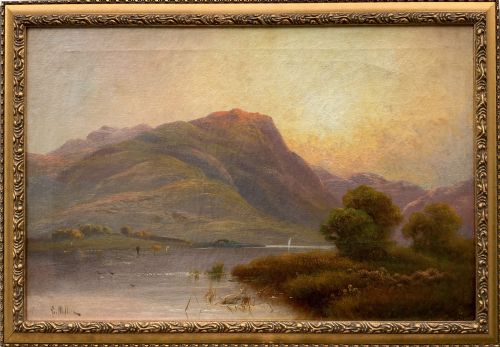
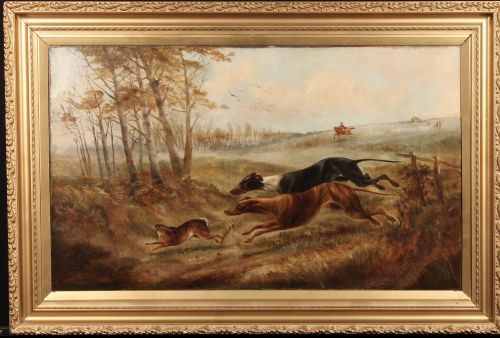
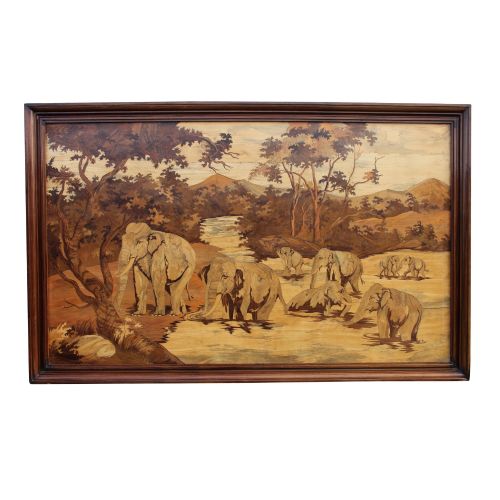
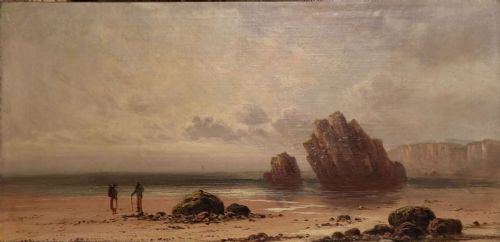
Brown landscape art encompasses depictions of natural scenery, rural life and coastal expanses where earthy ochres, umbers and muted tones dominate the palette. When exploring brown landscape art, one encounters oil paintings, watercolours and pastels spanning the seventeenth century through to the mid-twentieth century.
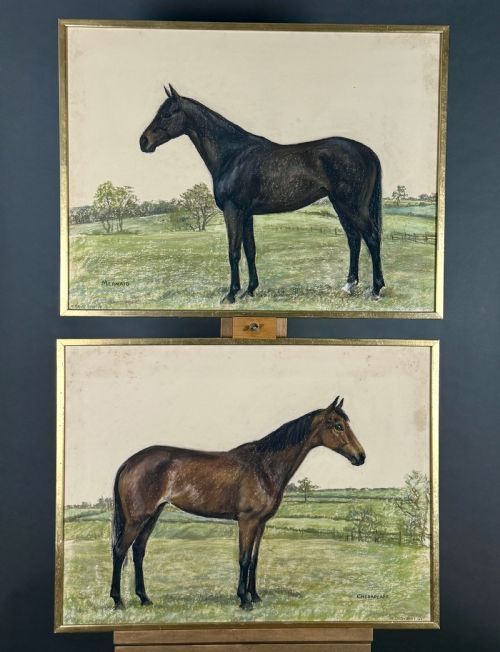
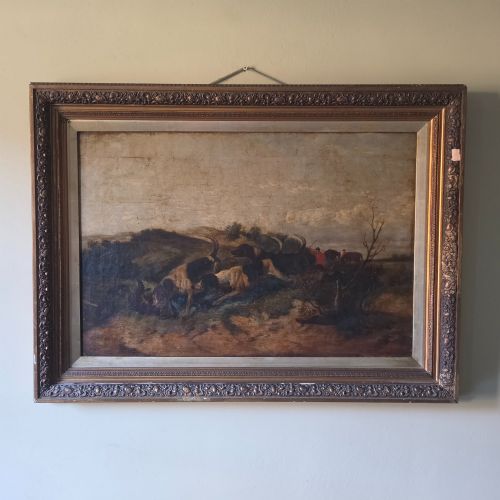
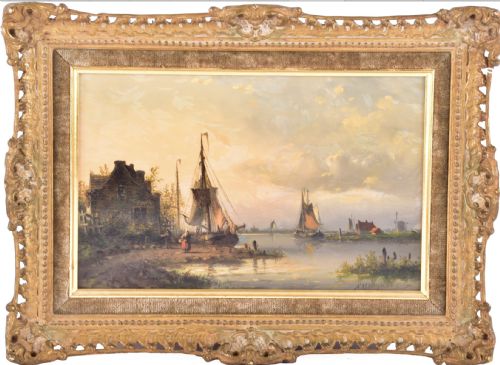
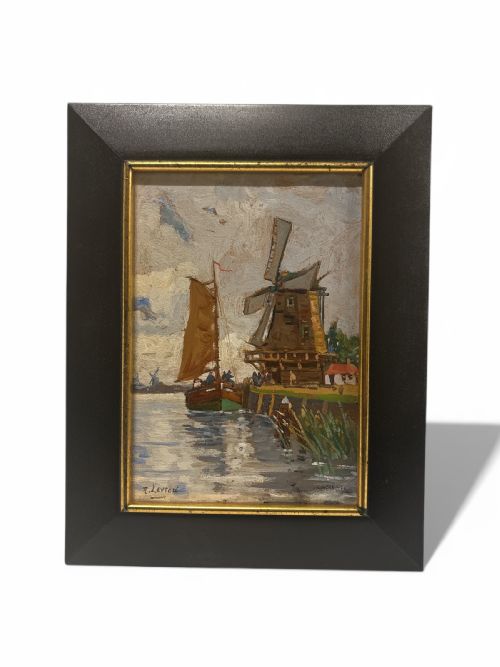
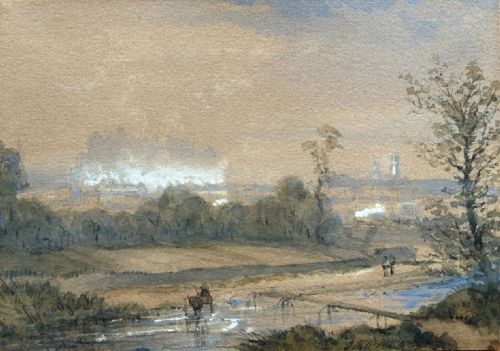
The selection ranges from Dutch School coastal shipping and Venetian arcadian views to Scottish Highland lochs, British riverbanks and rural pastoral scenes. These works appear on canvas, wooden panels, paper and board, reflecting diverse regional schools and eras.
Materials and technique
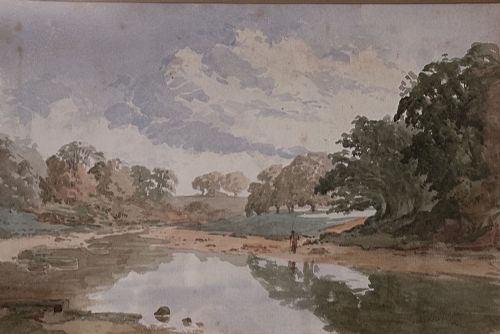
Artists create these landscapes using oil paint applied to canvas, wood panels or board, building depth through layered glazes of earth pigments. Watercolours on paper capture lighter, more translucent atmospheric conditions, particularly in coastal and Highland views.
Support materials vary from stretched canvas and heavy paper to timber panels, each influencing how the paint holds its texture and tone over generations.
Listings feature works spanning the seventeenth to the twentieth century, utilising oil, watercolour and pastel on canvas, paper and wood.
Assessing quality
Quality rests in the precision of brushwork, the handling of light and shadow, and the structural integrity of the support medium, whether canvas or panel. Superior examples display confident command over atmospheric perspective and compositional balance, whereas lesser works rely on formulaic repetition.
The distinction also lies in the condition of the surface pigment and the authenticity of the framing or mounting relative to the period of creation.
Robert Buchan Nisbet RSW·Nicolaas Martinus Wijdoogen·George Armfield·Kenneth Cozens·James Orrock·John R Prentice·William H Myers·Donald Grant·Tom Campbell·Frederick Marriott·Angelo Maria Crivelli·William Joseph Shayer Senior·Hendrik Willem Schweickhardt·John McDougal·Alfred Fontville de Breanski Jr·B Nash·James E Aitken·Herbert Royle·Robert Leslie Howey·Muriel Metcalfe·John Smith Atherton·Hector Caffieri·Thomas Creswick·David Roberts
The Brown Landscape Art Glossary
- Oil on canvas
- Pigment mixed with drying oil applied to a woven fabric support. This combination allows for rich blending and textured impasto.
- Watercolour
- Paint made from pigments suspended in a water-based solution applied to paper. It produces transparent washes of colour.
- Wood panel
- A rigid wooden support used by artists before stretched canvas became dominant. Panels require careful seasoning to prevent warping.
- Dutch School
- A grouping of artists working in the Netherlands during the seventeenth century and later. They focused on realistic portrayals of landscape and maritime subjects.
- Impressionist
- A style emphasising the immediate visual impression of a scene through unblended brushstrokes and shifting light. It emerged strongly in the nineteenth and early twentieth centuries.
Brown Landscape Art: Frequently Asked Questions
What periods do these landscapes cover?
The available pieces span from the seventeenth century through the Victorian era and into the mid-twentieth century.
This broad timeline incorporates Dutch manner works, Edwardian watercolours and mid-century British landscape painting.
What mediums are used in these works?
Artworks are executed primarily in oil paint and watercolour.
Supports include canvas, wooden panels, paper and board.
How do I care for an oil painting on wood?
Keep the piece away from direct sunlight and dramatic fluctuations in household humidity.
Stable environmental conditions protect the wooden panel from warping and prevent the oil paint from cracking.
How are different regional schools identified?
Attribution often relies on signature styles, subject matter such as Scottish highlands or Dutch shipping, and historical records.
Framing styles and inscribed labels on the reverse also provide clues to origin.