

Brown Inlaid Mirror
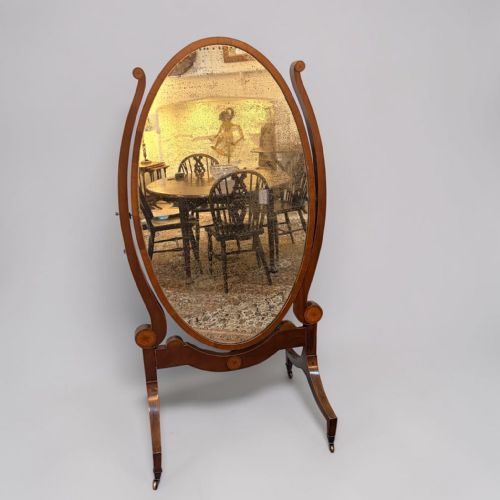
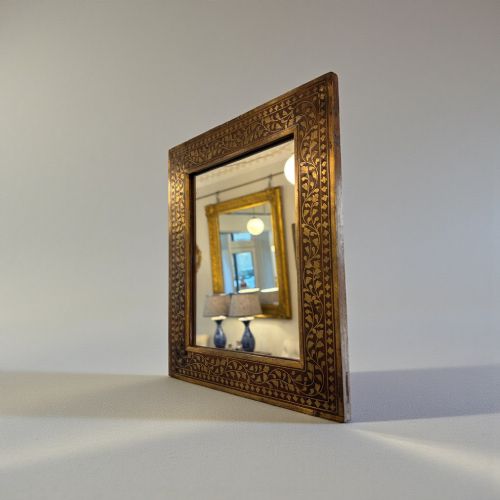
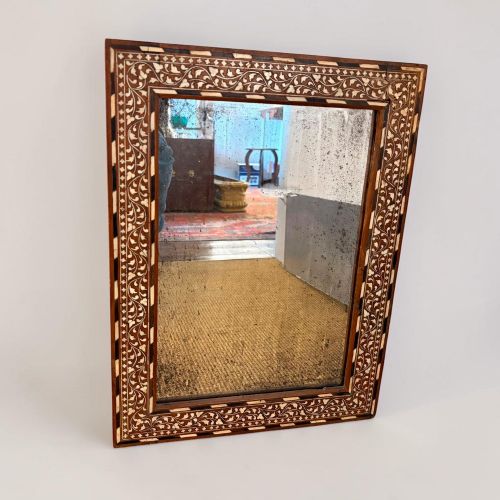
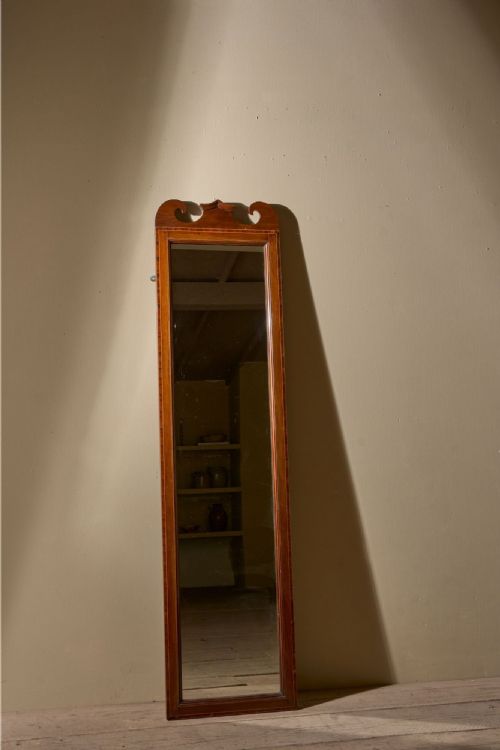
A brown inlaid mirror brings warmth and intricate detail to a room, drawing the eye with contrasting timbers and reflective depth.
Brown Inlaid Mirror
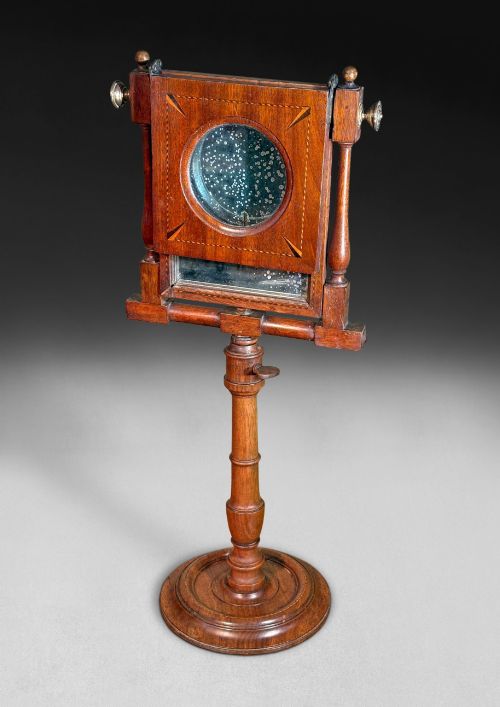
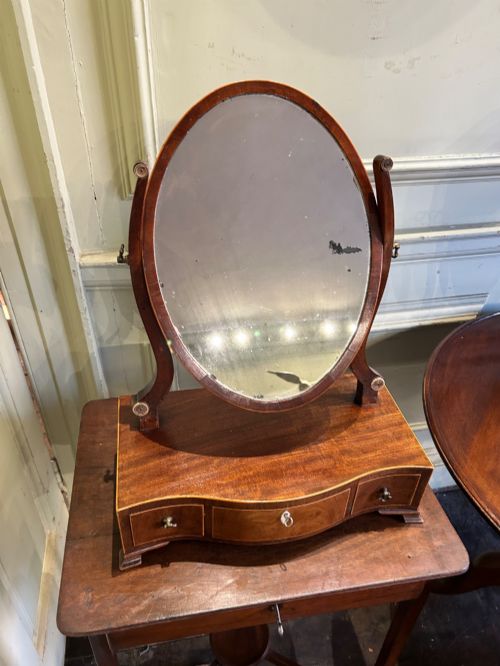
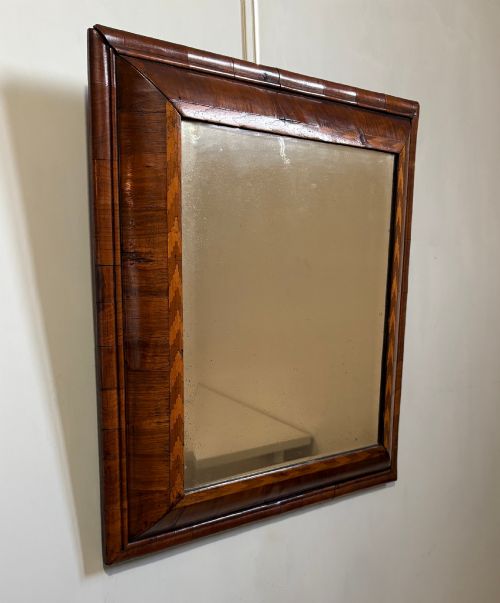
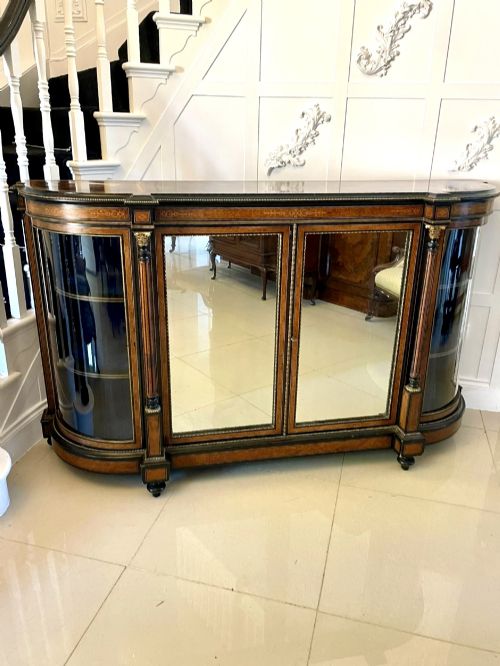
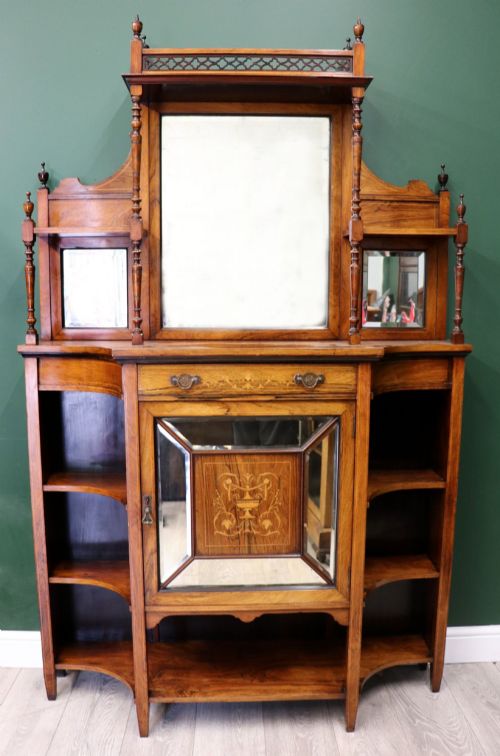
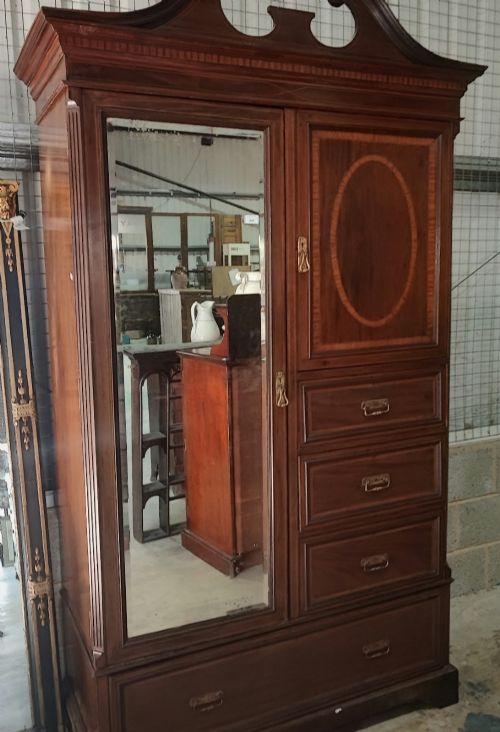
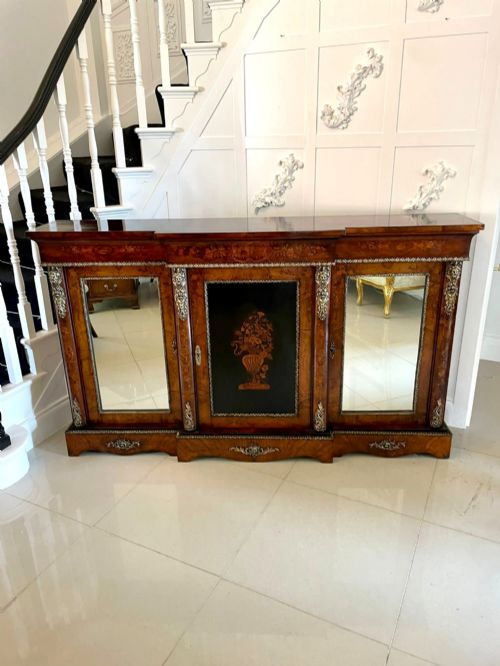
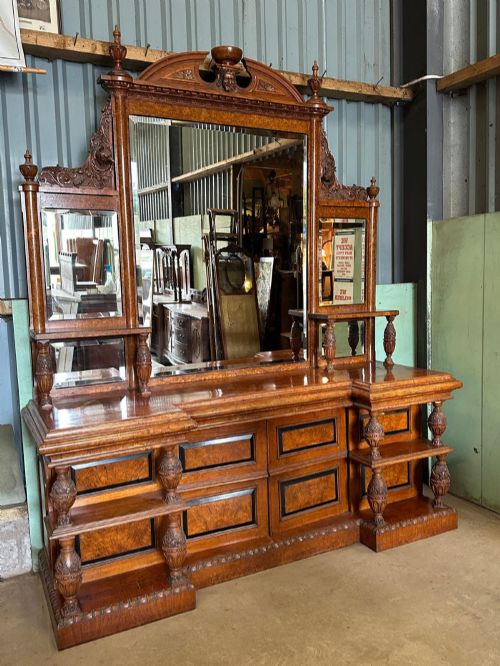
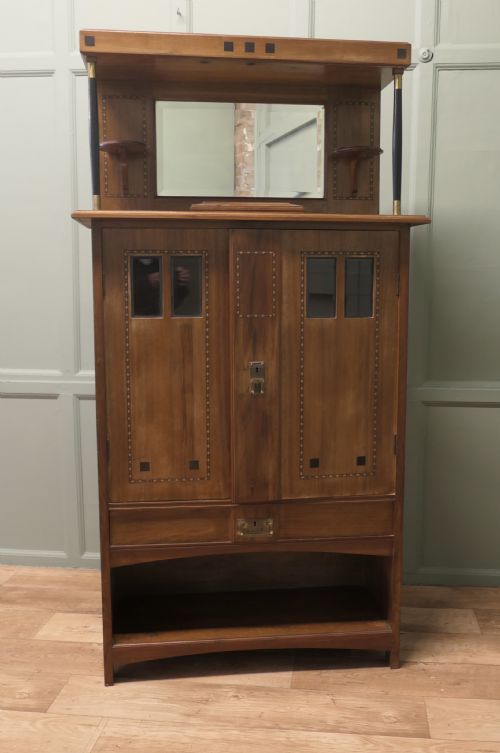
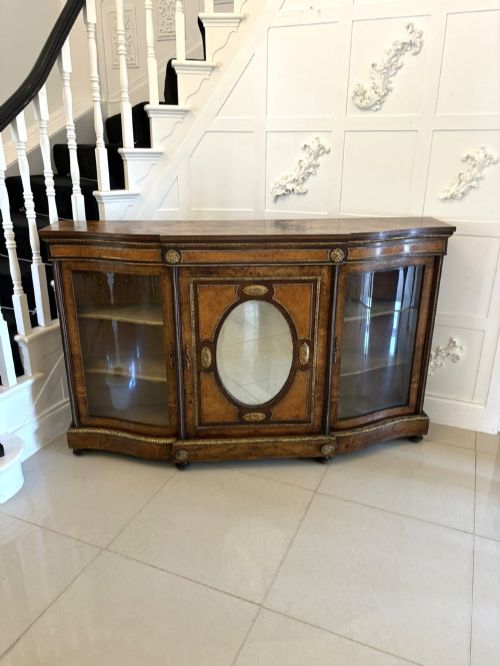
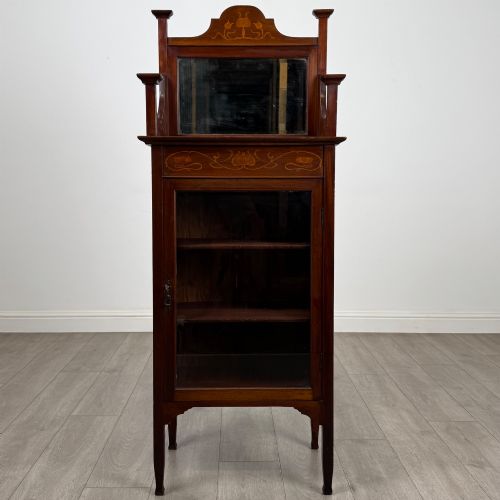
The selections span distinct historical eras, with Victorian and Edwardian examples appearing frequently alongside earlier Georgian and William and Mary interpretations. Pieces range from straightforward wall mirrors to elaborate furniture combinations where the mirror forms part of a larger display cabinet, chiffonier, or dressing table.
Materials and construction methods
Craftsmen built these pieces using dense structural timbers like mahogany and walnut, frequently selecting burr veneers or pollard oak for decorative grain patterns. Artisans then applied delicate wood inlay, satinwood detailing, or brass wire to create geometric and botanical motifs across the wooden frames.
Mirrored glass was set securely within rebated wooden channels, backed with protective panels, and sometimes accompanied by brass mounting hardware or ormolu mounts to add structural support and visual contrast.
Brown Inlaid Mirror Retail Price Guide 2026
Typical asking prices for brown inlaid mirror among the pieces listed under this phrase on Sellingantiques today, from the lower quarter to the upper quarter. They describe what is for sale here now, not the wider market.
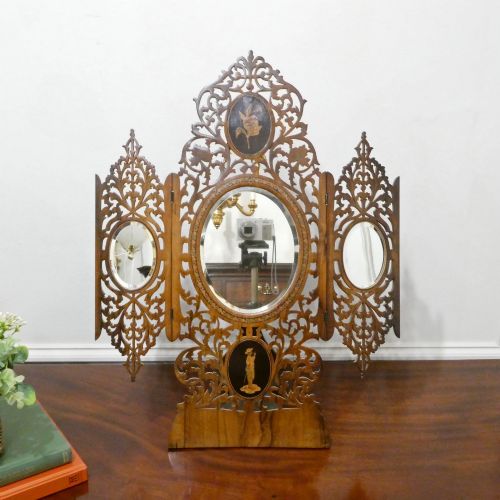
Some dressing mirrors doubled as secret jewellery cabinets, hiding small compartments behind their swiveling wooden frames.
Distinguishing quality in craftsmanship
Quality rests primarily in the precision of the timber selection and the crispness of the inlay work. Finer examples display seamless integration of contrasting woods where the marquetry sits flush with the primary brown timber without visible gaps or excessive filler.
The depth and clarity of the original mirror glass, the stability of the framing joints, and the retention of original brass or ormolu mounts elevate a piece above standard utilitarian examples.
Edwards and Roberts·Maple and Co
The Brown Inlaid Mirror Glossary
- Inlay
- A technique where pieces of contrasting timber, brass, or other materials are inserted into recessed portions of a base wood to form a decorative pattern. This method defines the surface decoration of these frames.
- Marquetry
- Elaborate decorative veneer arranged in pictorial or geometric patterns across a wooden surface. It requires considerable skill from the cabinetmaker to fit each tiny piece together.
- Pier Mirror
- A tall mirror specifically designed to hang on the wall space between two windows, often placed above a matching console table or pier cabinet.
- Overmantel Mirror
- A large horizontal mirror intended to sit directly on the mantelpiece above a fireplace. These frequently incorporate heavy wooden frames and detailed moulding.
- Satinwood
- A pale, hard timber imported from tropical regions, frequently utilised for contrasting inlay work against darker background woods like mahogany and walnut.
Brown Inlaid Mirror: Frequently Asked Questions
Where should I hang a brown inlaid mirror?
These pieces suit living rooms, hallways, and bedrooms, particularly when positioned to reflect natural light from a window. Wall-hung formats work well above sideboards or mantelpieces.
Ensure the wall fixings match the weight of the timber frame, especially for larger Victorian pier or overmantel mirrors.
How do I clean an antique mirror glass?
Use a soft, dry microfibre cloth to remove dust from both the glass and the inlaid wooden frame. Avoid spraying liquids directly onto the wood or the edges of the mirror plate.
If moisture is necessary, apply a minimal amount of mild glass cleaner to the cloth rather than the surface to protect the surrounding timber and silvering.
How can I tell the period of the mirror?
Examine the construction techniques visible on the reverse, the type of wood used, and the style of the inlay work. Georgian and Victorian pieces often feature hand-cut joints and heavier timber sections.
Edwardian items frequently display lighter mahogany frames with refined satinwood stringing reflecting the tastes of the early twentieth century.