
Brown Horse Art Painting
Brown horse art painting captures the enduring power of the equine form through centuries of portraiture and sporting study.
Brown Horse Art Painting
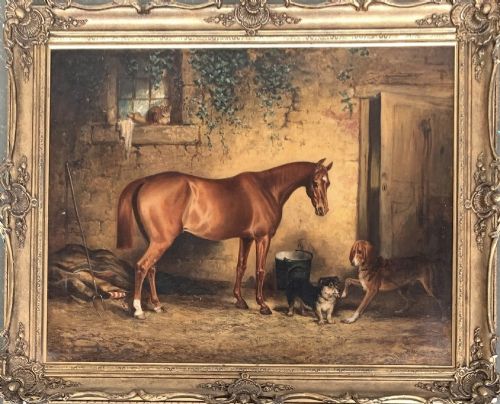
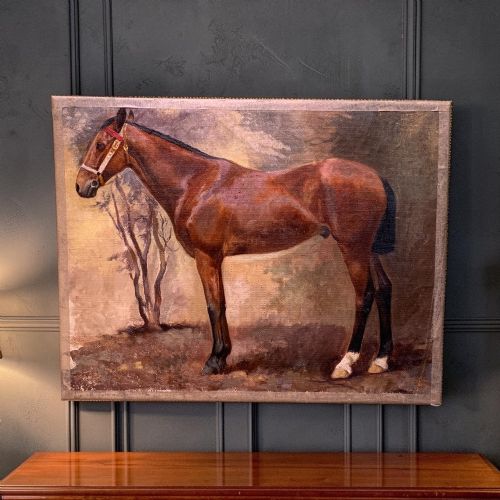
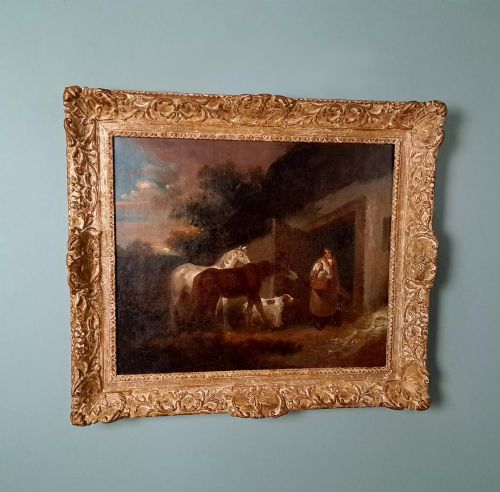
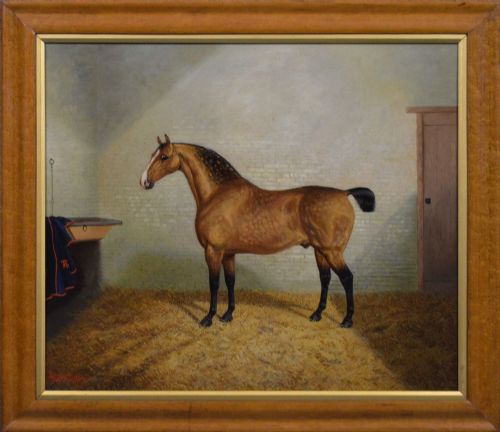
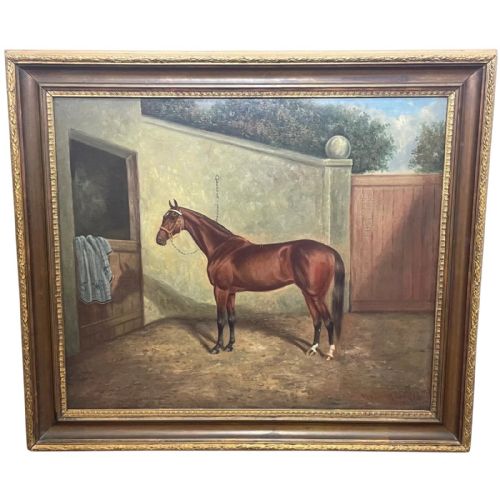
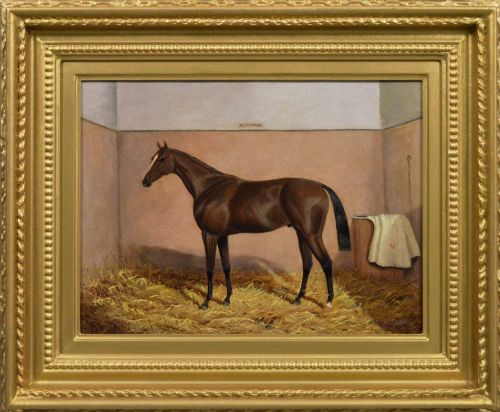
A brown horse art painting records the muscle, spirit and individual character of the animal, ranging from celebrated racehorses to quiet stableyard studies. These works span the Victorian, Edwardian and mid-century periods, capturing the shift from traditional sporting art to freer modern interpretations.
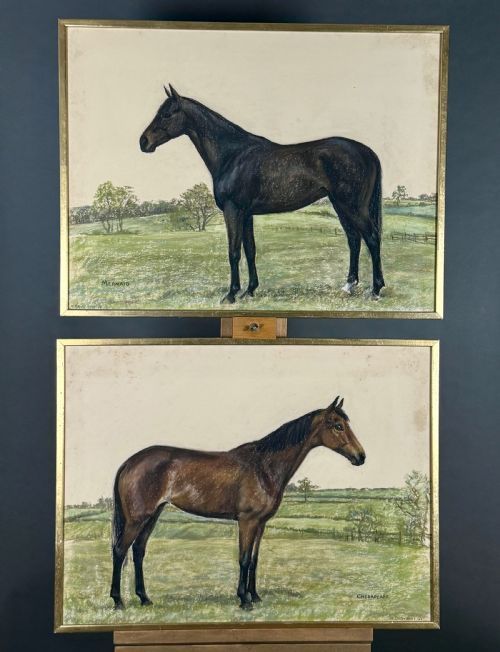
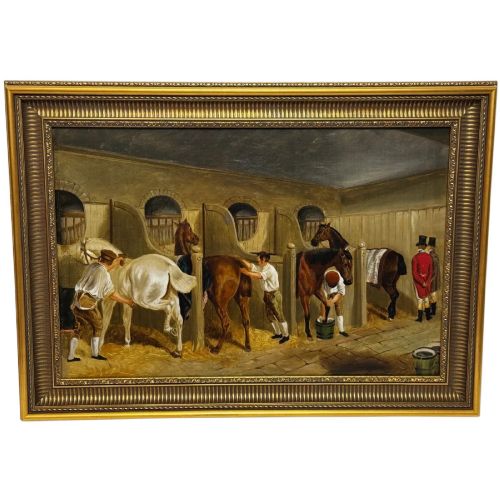
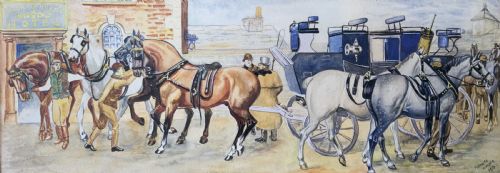
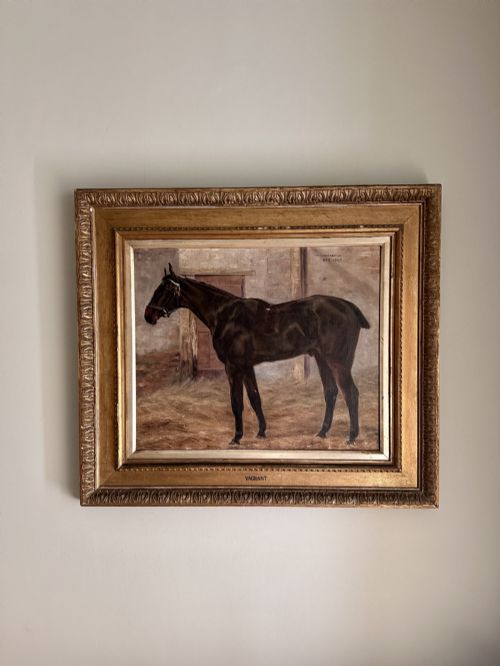
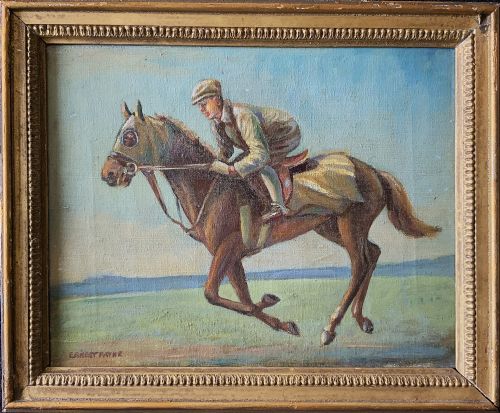
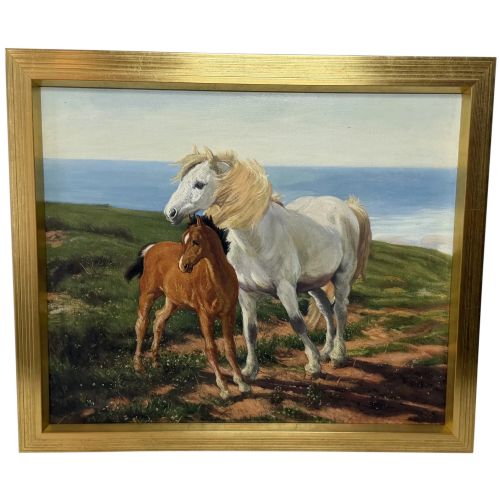
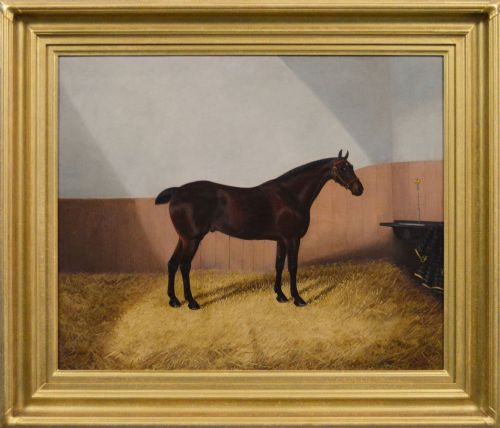
Most pieces encountered on this page take the form of framed oil paintings on canvas or panel, alongside watercolours and pastels on paper. Subjects vary from named champions like Spion Kop and Flying Fox to unnamed hunters, carriage horses and working animals.
Originating predominantly from British and French studios, these portraits reflect the deep historical connection between artists, owners and the equestrian world. They serve as historical documents of specific bloodlines and training methods as well as decorative works.
How They Were Made
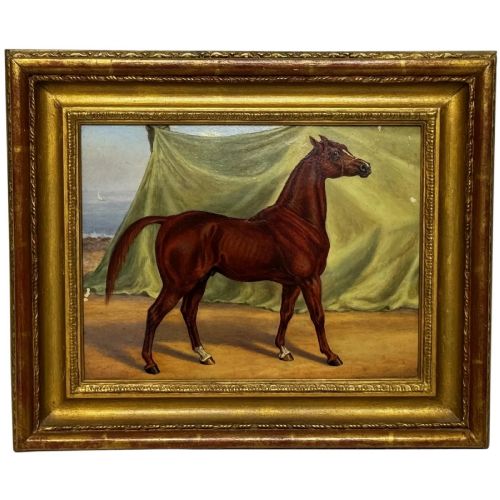
Painters worked primarily with oil paint on stretched canvas or wooden panels, building layers to render the sheen of a bay or chestnut coat and the texture of horsehair. Watercolours and gouache on paper offered a lighter medium for rapid field studies and detailed equestrian sketches.
Framing played an integral role in presentation, utilising giltwood and carved wood moulding to complement the dark tones of the canvases. Pastel works required careful mounting behind glass to protect the delicate dry pigments from disturbance over time.
Several canvases immortalise horses with wonderfully grand names like Ferniehurst Frivolous and Spion Kop, preserving equine personalities for posterity.
What Varies in Quality
Anatomy and movement separate a master equestrian study from a generic provincial portrait. The finest hands capture the correct bone structure, tension in the legs and intelligence in the eye, whereas weaker examples struggle with proportion and stiffness.
Provenance and attribution elevate certain pieces significantly, particularly when a canvas is tied to a known sporting artist or a recorded estate. The preservation of the original paint layer, minimal intervention and the quality of the period frame also influence the standing of the work.
Henry Barraud·William Joseph Shayer Senior·Albert Clark·Fred Fitzpatrick·Ernest Payne·Thomas Walker Bretland·John Ferneley Senior·John Rattenbury Skeaping·Harry Freckleton·Raimond Louis Lecourt
The Brown Horse Art Painting Glossary
- Bay coat
- A horse coat colour characterised by a reddish-brown body with black points on the mane, tail and lower legs. This shade appears frequently in nineteenth-century portraits.
- Equestrian art
- Depictions of horses and riders across painting, sculpture and drawing. It encompasses both formal racing records and casual pastoral scenes.
- Sporting art
- A genre dedicated to bloodstock, hunting, shooting and racing. British artists dominated this field during the Victorian and Edwardian eras.
- Giltwood
- Wood carved and coated with gold leaf or a gold-coloured metallic finish. It forms the traditional surrounding for nineteenth-century oil paintings.
Brown Horse Art Painting: Frequently Asked Questions
How do I identify the horse in the painting?
Many Victorian and Edwardian canvases bear inscriptions on the frame or stretcher bars detailing the horse's name, race wins or owner.
Studbooks, racing archives and contemporary sporting records often help connect an unnamed subject to a specific champion or stable.
What is the difference between a hunter and a racehorse portrait?
Hunter portraits usually depict sturdier, heavier-boned animals bred for endurance across the field, often shown within rural or stableyard landscapes.
Racehorse portraits focus on lean athletic builds, shown either at the track, in the paddock or standing formally to record a notable victory.
How should I care for an antique oil painting?
Keep the canvas away from direct sunlight, damp environments and extreme temperature fluctuations to prevent the paint layer from cracking or warping.
Dust the surface gently with a dry, soft brush and avoid using water or chemical cleaners on the aged varnish.
Are these paintings mostly British in origin?
The majority of the listed works reflect the strong British tradition of sporting and equine art stemming from the nineteenth century.
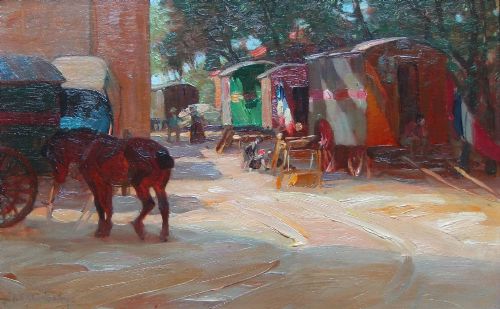
Continental European schools, particularly French studios, are also represented with works focusing on working horses and provincial scenes.