


Brown Glazed Ceramic Planter
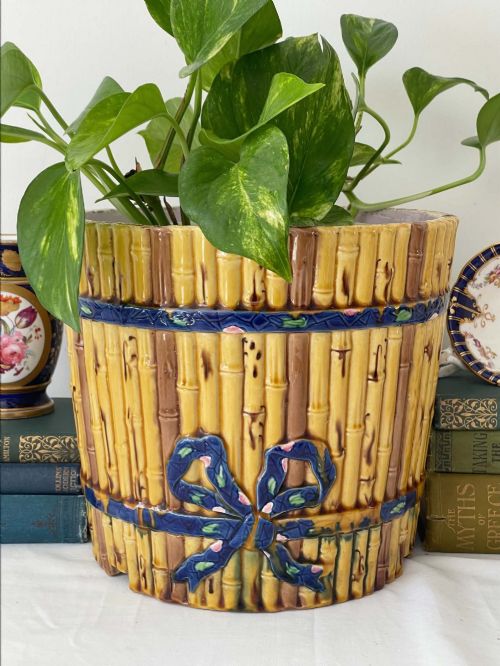
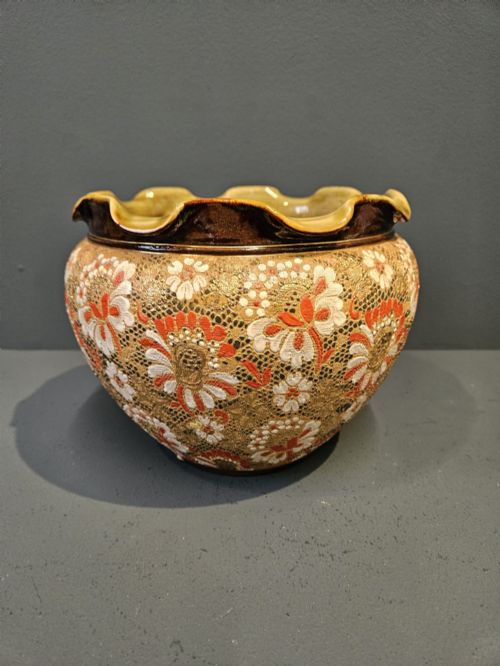
These brown glazed ceramic planter pieces bring rich earthen tones and tactile surfaces to domestic greenery, spanning utilitarian vessels to decorative Victorian majolica.
Brown Glazed Ceramic Planter
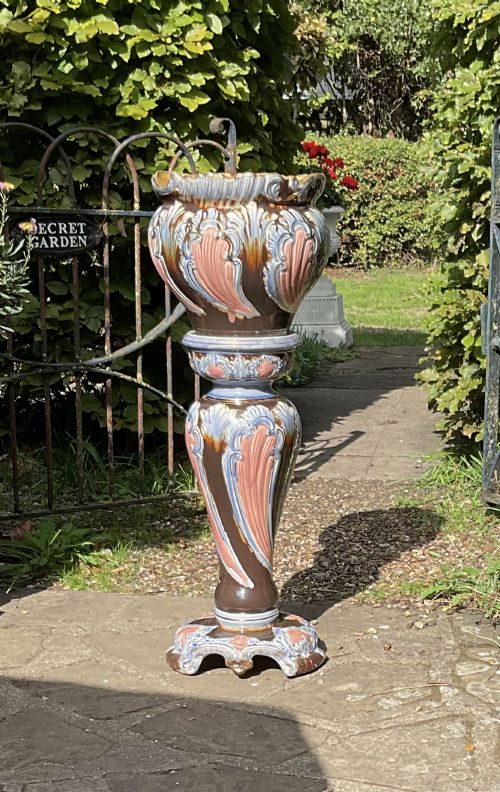
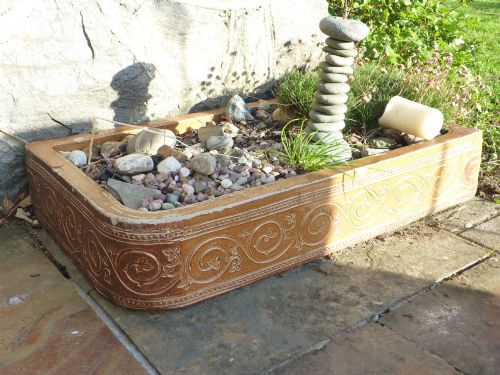
A brown glazed ceramic planter provides a robust housing for plants, drawing from periods ranging across the nineteenth century and into the early twentieth century. Buyers encountering this selection will discover forms designated as jardinieres, garden planters, troughs, and log bins.
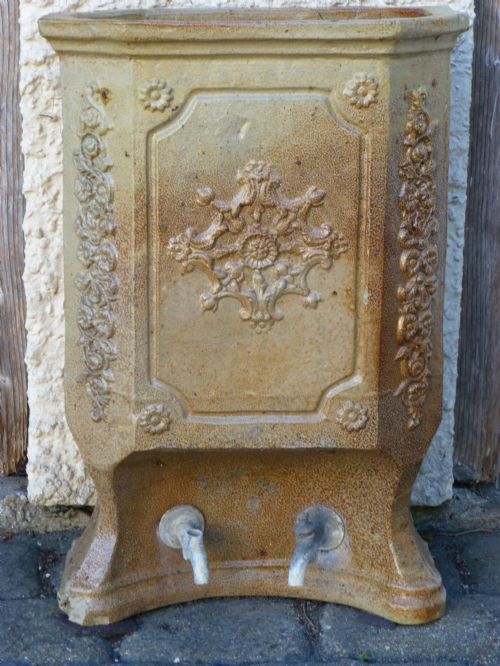
The aesthetic vocabulary encompasses Victorian rustic and naturalistic styles, alongside French country and Art Nouveau expressions. Many examples merge utilitarian origins, such as water filtration fountains and dairy salting crocks, with decorative horticultural use.
Makers and potteries represented across these domestic and continental works include established names like Minton, Doulton Lambeth, Doulton Burslem, Julius Dresser, Linthorpe Pottery, and Guichard Carriès.
Materials and production methods
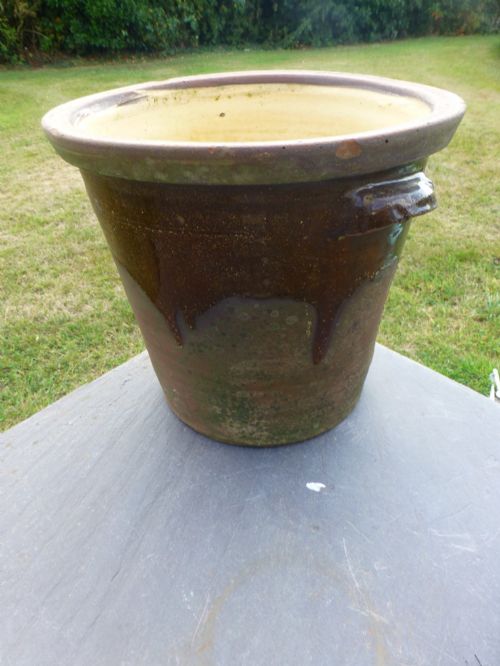
Makers utilised ceramic mediums including stoneware, earthenware, and terracotta to form the body of each vessel. These foundations received specialised treatments such as salt-glazing and rich majolica or standard glazes that impart the characteristic brown coloration.
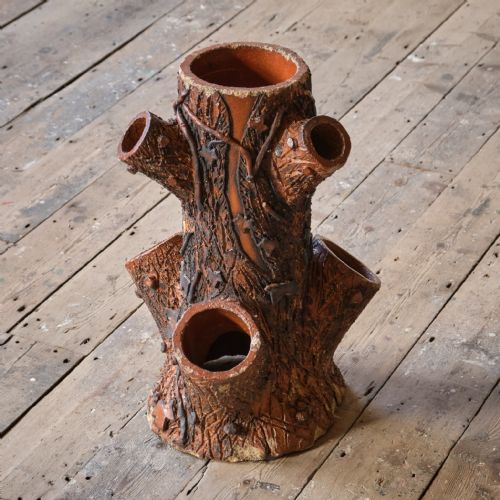
Moulding and throwing techniques enabled complex naturalistic ornamentation, including faux bois designs imitating tree bark and bamboo motifs. Firing processes achieved durable finishes suitable for both indoor display and garden environments.
Several strawberry planters feature multiple side pockets designed specifically to let thirsty fruit hang out into the sunshine.
Distinctions in quality and execution
Quality reveals itself in the depth and consistency of the glaze, where complex salt-glazing or layered majolica finishes display superior richness compared to flat surfaces. The crispness of modelled details, such as faux bois textures or bamboo handles, separates standard production from exceptional studio work.
The distinction between utilitarian vessels adapted for horticulture and purpose-made art pottery influences desirability. Pieces bearing clear attribution to notable factories or named artists demonstrate greater refinement in design execution.
Minton·Doulton Lambeth·Doulton Burslem·Julius Dresser·Linthorpe Pottery·Guichard Carriès
The Brown Glazed Ceramic Planter Glossary
- Jardiniere
- An ornamental pot or stand for plants, typically designed to sit on a floor or table rather than be hung. These vessels frequently feature decorative glazes and sculptural surfaces.
- Salt-Glazed Stoneware
- Pottery fired at high temperatures with common salt thrown into the kiln vapours, producing a pitted, orange-peel texture on the brown surface. This technique creates a durable impervious finish.
- Majolica
- A type of earthenware coated with an opaque tin-glaze and painted with metallic oxide colours, fired to achieve brilliant hues. The style gained popularity during the Victorian era for decorative planters.
- Faux Bois
- A form of imitation wood grain applied to pottery or architectural elements, often seen in nineteenth-century rustic garden planters. Makers moulded clay to mimic natural logs, bark, and branches.
- Earthenware
- Porous pottery fired at lower temperatures than stoneware, requiring a glaze to achieve water resistance. It forms the base body for many traditional domestic crocks and planters.
Brown Glazed Ceramic Planter: Frequently Asked Questions
What plants suit a jardiniere planter?
These vessels accommodate potted house plants, ferns, and trailing foliage, serving as a decorative outer container rather than direct planting earth.
Because many historic examples lack drainage holes, growers typically place a nursery pot inside to catch excess moisture and protect the ceramic interior.
How do I care for antique ceramic planters?
Maintenance requires gentle cleaning with a soft cloth and warm water, avoiding harsh chemicals that might harm historic glazes.
Protecting pieces from frost during winter prevents moisture trapped within the ceramic body from expanding and damaging the glaze.
Are these planters suitable for outdoor gardens?
Stoneware and salt-glazed items withstand exterior conditions well, whilst delicate earthenware and majolica pieces benefit from sheltered patio placement or indoor display.
Checking the specific material density helps determine whether a vessel can endure freezing temperatures in open garden settings.
How can I identify a Victorian piece?
Victorian examples often display naturalistic motifs like bamboo, bark textures, or rich majolica colouring characteristic of nineteenth-century taste.
Factory marks, registration numbers, and date stamps found on the base provide precise chronological evidence when present.