


Brown Framed Print
A brown framed print brings historical imagery, maps and artwork into a room through timber and glass.
Brown Framed Print
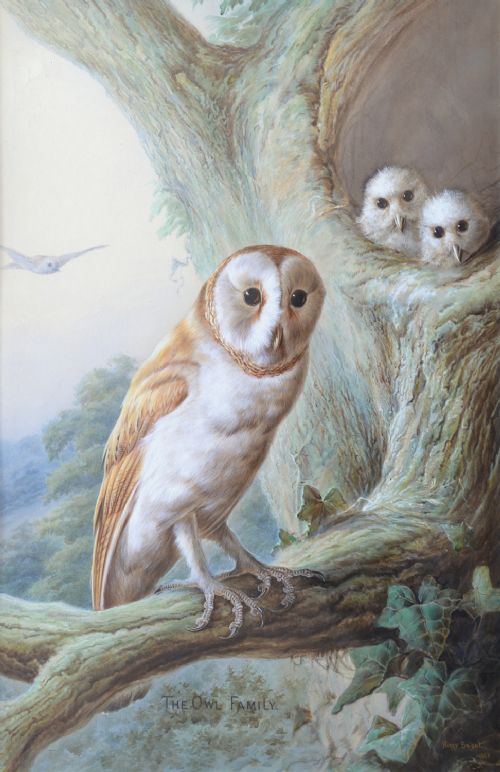
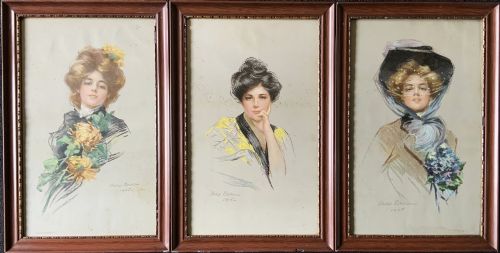
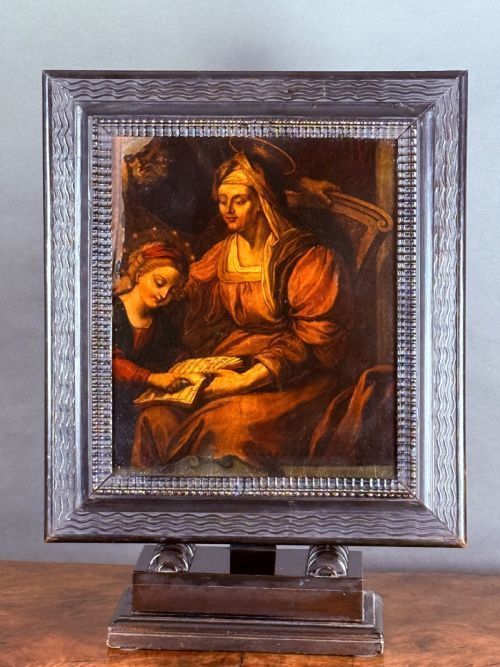
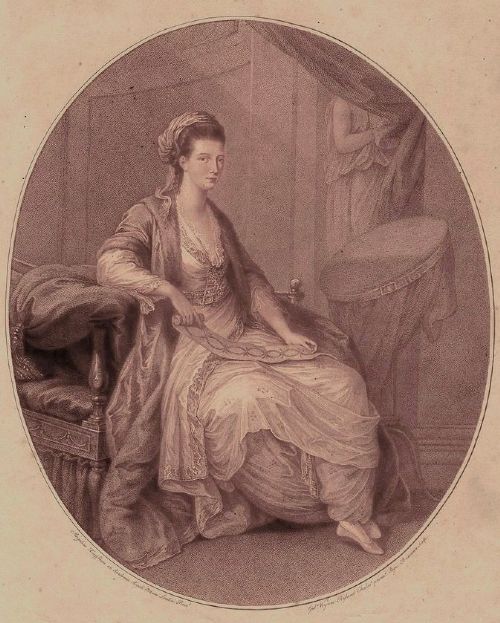
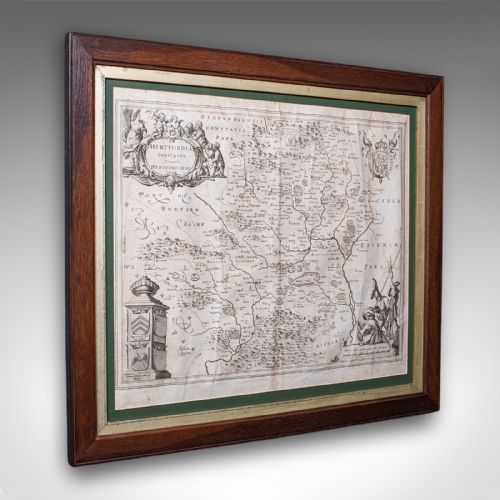
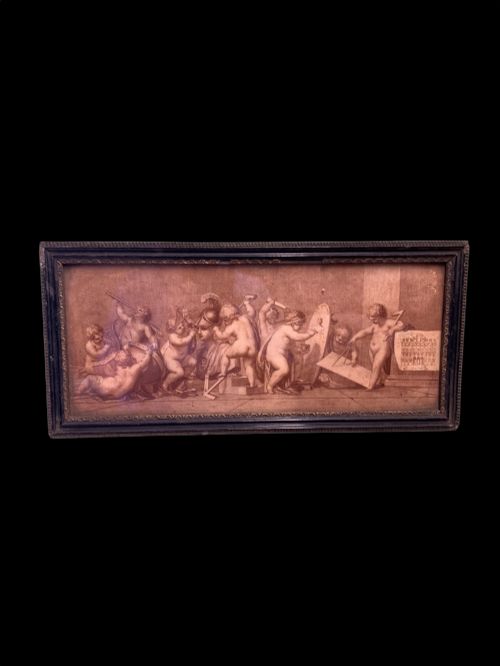
A brown framed print encompasses wall art, engravings, maps, watercolours and oil paintings enclosed within timber mouldings. These pieces span from the seventeenth century through to the mid-twentieth century, capturing subjects as varied as cartography, sporting scenes and botanical studies.
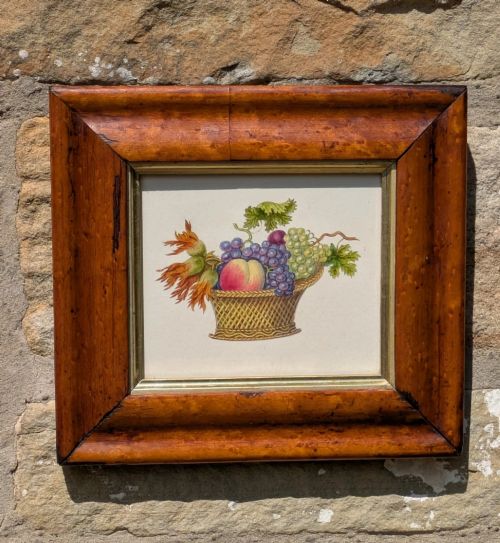
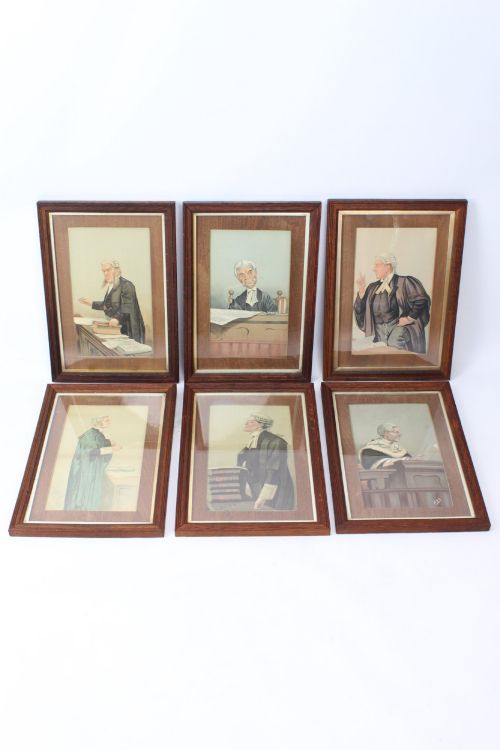
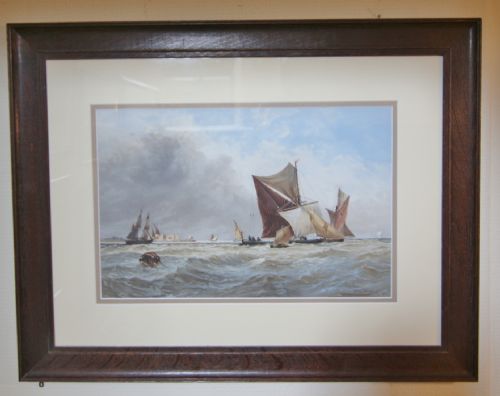
The version most commonly encountered on this page relies on oak or dark wood surrounds holding paper prints, lithographs or watercolours behind protective glass. Such pieces derive their character from the combination of aged paper, ink or pigment and traditional wooden housing.
How they were made
Makers constructed the enclosures using solid wood, predominantly oak, shaped into mouldings to secure the artwork. Glazing protects the delicate paper surfaces of engravings, lithographs and watercolours from atmospheric moisture.
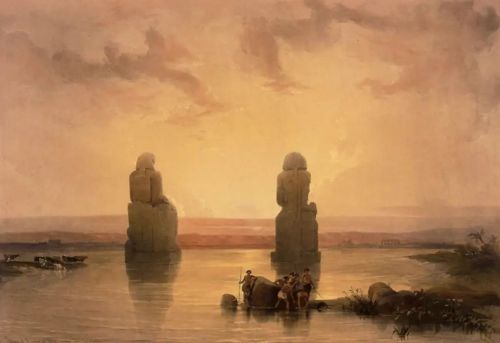
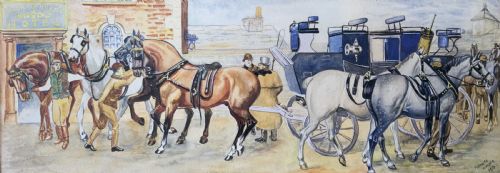
Artists and printers utilised ink, gouache and watercolour upon paper, alongside copper plates for engravings and stone for lithography. Hand-colouring frequently enhanced printed lines, adding depth to botanical plates, maps and portraits.
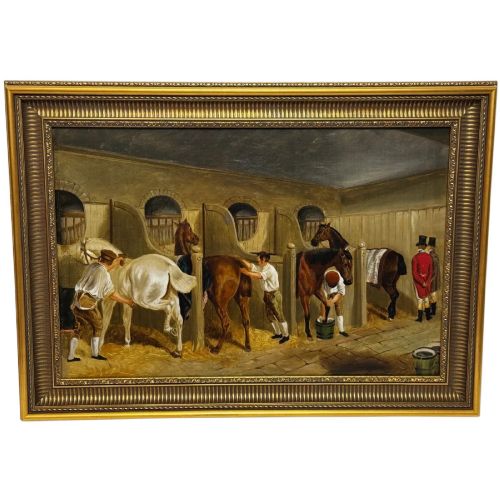
Cats, pugs and racehorses gaze steadily from behind Victorian glass, proving our ancestors loved their pets just as much as we do.
What varies in quality
The refinement of the initial impression and the subtlety of any hand-applied pigment determine the visual fidelity of the artwork. Early impressions from copper plates or lithographic stones possess crisp lines that later printings lose.
The integrity of the wooden frame and the retention of original glass contribute significantly to the piece's historical weight. Matching period frames provide structural harmony that modern replacements lack.
Donald Grant·Ogilby·Blaeu·Samuel Dixon·David Roberts·TB Hardy·Louis Haghe·Étienne Baudet·Horatio Henry Couldrey·John Alfred Wheeler·Edwin Henry Landseer·John Frederick Herring Snr·Ralston Gudgeon·Warwick Goble·John Rattenbury Skeaping·David Shepherd
The Brown Framed Print Glossary
- Lithograph
- A print produced by drawing on limestone or metal with an oily substance, then applying ink to adhere only to the drawn areas. This technique allowed for rich tonal gradations in nineteenth-century book illustrations and posters.
- Engraving
- An image incised directly into a metal plate using a sharp tool called a burin, creating fine, precise lines under pressure. Impressions pulled from these plates form the basis of early topographical and portrait prints.
- Chromolithograph
- A multicoloured print created using a series of lithographic stones, one for each colour applied. This process produced vibrant reproductions of paintings before modern photographic printing.
- Mezzotint
- A tonal printmaking method where the copper plate is roughened uniformly to produce dark areas, then scraped and burnished for lighter tones. This process yields velvety shadows particularly suited to portraiture.
- Gouache
- An opaque water-based paint composed of pigment, water, and a binding agent such as gum, often mixed with a white filler. Artists utilised it alongside watercolour to add solid blocks of colour and highlight details.
Brown Framed Print: Frequently Asked Questions
How do I date a brown framed print?
Dating relies upon examining the printing technique, the paper type and the construction methods of the wooden frame. Evidence such as plate marks, typography and publisher details often narrows the decade of production.
Changes in framing materials from early gilt-finished woods to plain oak mouldings help place the piece within periods like the Georgian or Edwardian eras.
Are these prints original?
Many listings comprise period prints, engravings and lithographs pulled during the lifetime of the artist or shortly thereafter. Original cartography and nineteenth-century book plates carry the authentic paper ageing of their era.
Careful inspection of the ink distribution under magnification distinguishes genuine printing processes from modern photographic reproductions.
How should I hang framed prints?
Hang these pieces away from direct sunlight to prevent the fading of watercolours, inks and tinted papers. Stable indoor humidity protects both the wooden frames and the paper supports from warping.
Secure fixings matched to the weight of the timber and glass ensure the piece hangs safely against the wall.
What subjects are most common?
Subjects range widely across historical periods, with cartography, architectural views and sporting scenes appearing frequently. Botanical illustrations, animal portraits and landscape watercolours also form a substantial portion of available works.
Each genre reflects the prevailing decorative tastes of its originating century, from neoclassical rigidity to Victorian realism.