




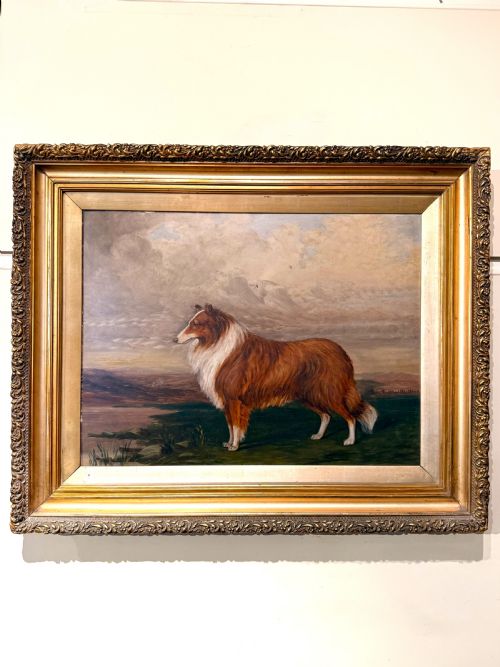
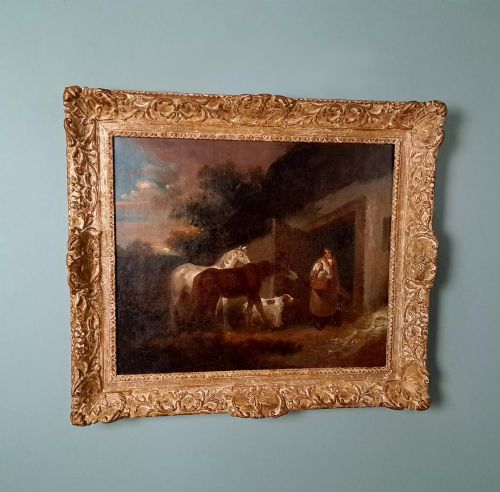
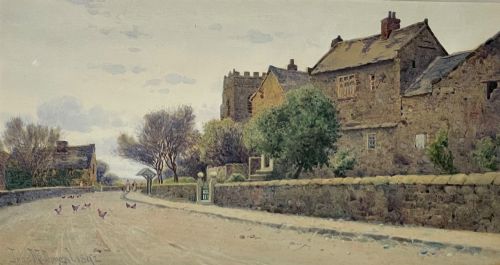
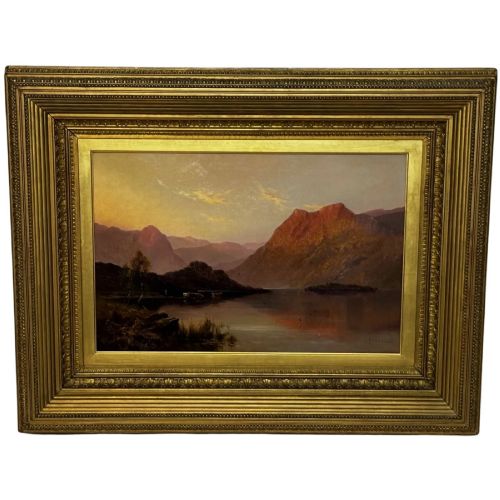

Brown Framed Landscape
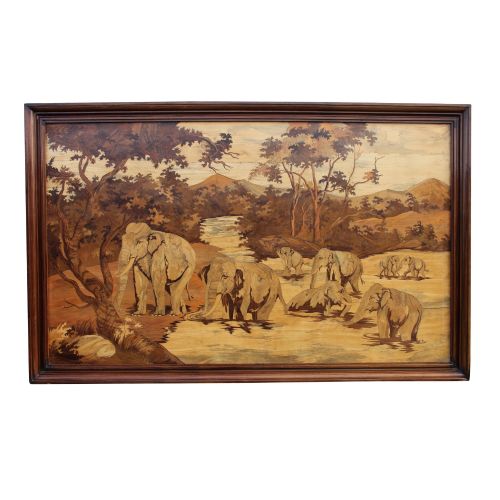
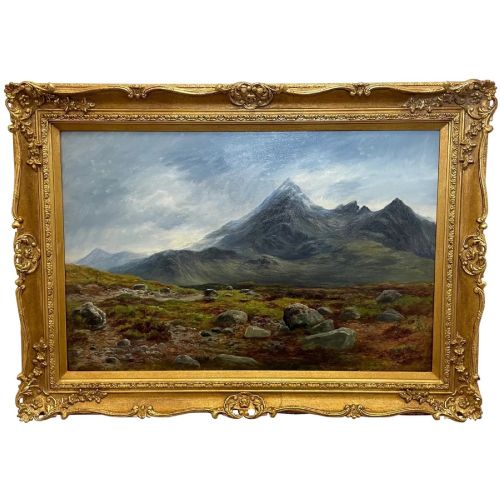
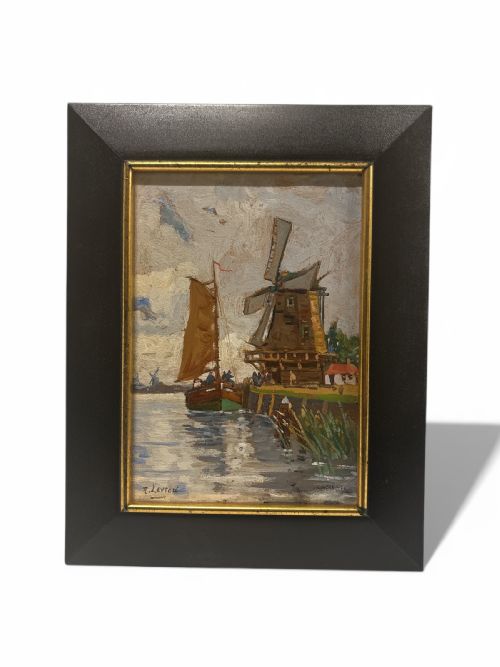
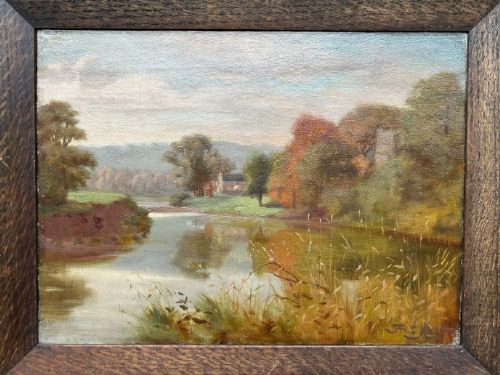
These brown framed landscape works bring natural views and pastoral scenes indoors, offering traditional artistry within sturdy wooden surrounds.
Brown Framed Landscape
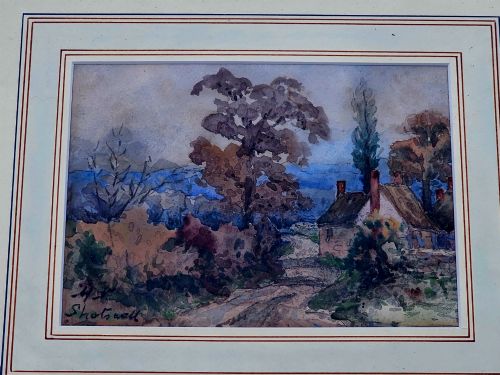
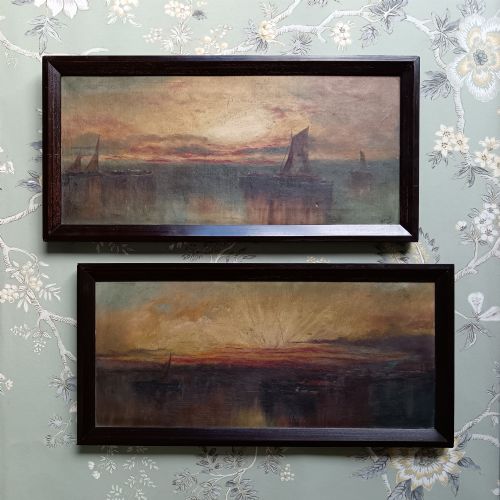
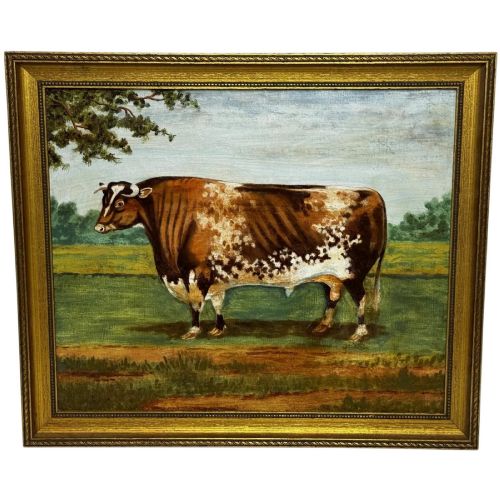
A brown framed landscape encompasses painted and printed views of countryside scenes, coastal vistas, and natural settings enclosed within timber mouldings. When searching for a brown framed landscape, buyers encounter various interpretations ranging from nineteenth-century oils to mid-century watercolours.
The pieces on this page span several distinct periods, including the Victorian era, Edwardian period, and mid-twentieth century. Works frequently depict British and European scenes executed in mediums such as oil on canvas, watercolour, and pastel.
Most examples present traditional rural or marine subjects framed in wood, reflecting the prevailing aesthetic tastes of their respective periods. These artworks serve as decorative wall pieces that connect interior spaces with historical representations of nature.
Materials and Construction
Artists relied primarily on oil paint applied to canvas or wood board, alongside watercolour and pastel on paper. These pigments capture light and atmosphere in river scenes, woodland views, and coastal settings.
The supporting frames consist predominantly of wood, frequently enclosing the artwork behind protective glass in the case of watercolours and prints. Joinery and moulding techniques vary according to the period of manufacture, securing the canvas or paper securely within the timber perimeter.
Materials documented across these listings include oil paint, canvas, wood, paper, and glass.
Assessing Quality
Quality rests upon the skill of the brushwork and the fidelity with which the artist captures light, depth, and atmosphere within the scene. Superior works display confident composition and nuanced handling of colour, distinguishing them from more formulaic decorative productions.
The relationship between the artwork and its wooden enclosure also influences overall merit, where period-appropriate or original housings complement the visual weight of the painting. Condition of the pigment layer and the stability of the support structure further define the standing of each piece.
William Beattie-Brown·James Orrock·Frederick Marriott·David Roberts·John Moore of Ipswich
The Brown Framed Landscape Glossary
- Canvas
- A heavy woven fabric stretched across a wooden stretcher to serve as a support for oil painting. It provides a textured surface that holds pigment securely over centuries.
- Watercolour
- A paint consisting of water-soluble pigments applied to paper to create translucent washes of colour. This medium requires precise brushwork as errors cannot easily be painted over.
- Seascape
- A work of art depicting the sea, coastal views, marine vessels, or shoreline activities. These scenes focus on maritime atmosphere and changing weather conditions.
- Pastel
- A dry medium composed of powdered pigment and a binder, pressed into stick form for drawing on paper. It produces velvety surfaces with luminous colour saturation.
- Manner
- A stylistic approach indicating that a work follows the general method or school of a particular master without being an autograph creation by that artist.
Brown Framed Landscape: Frequently Asked Questions
What periods do these landscapes represent?
The selection spans from eighteenth-century engravings and nineteenth-century oils through to mid-twentieth-century watercolours and board paintings.
Victorian and Edwardian examples sit alongside later twentieth-century interpretations, showing how landscape depiction evolved over generations.
How should I hang these artworks?
Ensure your wall fixings match the weight of the timber frame and the size of the canvas or paper support. Hang the piece at eye level to best appreciate the perspective and detail of the landscape.
Keep framed works away from direct sunlight and damp environments to protect the pigments and the wooden surrounds.
Are the frames original to the pieces?
Many listings retain their period timber frames, while others feature complementary surrounds chosen to suit the era of the artwork. Examining the construction of the moulding helps determine its age relative to the painting inside.
Original housings often display patination consistent with the age of the canvas.